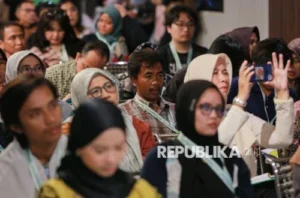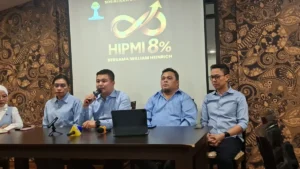
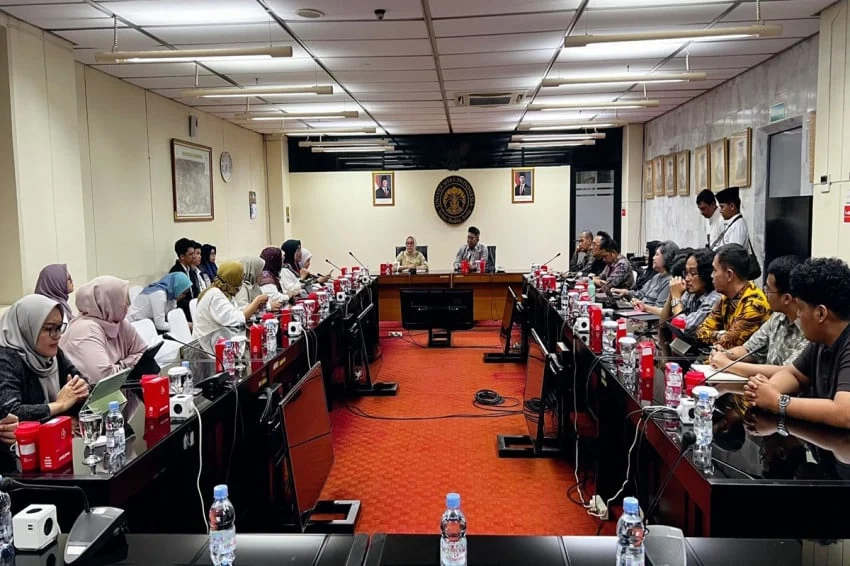
The University of Indonesia (UI) has taken decisive action in response to serious allegations of verbal sexual harassment within its Faculty of Law (FHUI), announcing the temporary academic non-activation of 16 students implicated in misconduct within a private chat group. This significant development, communicated on April 15, 2026, follows a formal recommendation from the university’s Prevention and Handling of Sexual Violence Task Force (Satgas PPK UI) and underscores UI’s commitment to fostering a safe and respectful campus environment. The measure is an administrative and preventive step designed to ensure the integrity and impartiality of an ongoing investigation, as well as to protect all parties involved while the detailed examination of the allegations proceeds.
Details of the Academic Non-Activation
The internal memorandum, identified as the RTLP (Rencana Tindak Lanjut Pemeriksaan or Investigation Follow-up Plan) from Satgas PPK UI, officially recommended the temporary freezing of the academic status of the 16 students. Acting swiftly on this recommendation, the university has enforced an academic non-activation period for the accused students, effective from April 15, 2026, until May 30, 2026. During this period, the students are explicitly barred from participating in any educational activities or learning processes. This includes attending lectures, engaging in academic mentorship or guidance, and involvement in any other activities directly related to their academic pursuits at the university. The breadth of this suspension highlights the seriousness with which UI is treating the accusations, ensuring that the investigation can proceed without potential interference or further discomfort to the campus community.
The decision to temporarily suspend the students’ academic activities is a critical interim measure. It serves multiple purposes: to create a secure space for the complainants and witnesses, to prevent any potential recurrence of the alleged behavior during the investigation, and to maintain the academic integrity of the institution. Such a move is often a precursor to more definitive disciplinary actions, depending on the findings of the comprehensive investigation. The university’s communication emphasized that this step is part of a broader commitment to ensuring the examination process is thorough, objective, and equitable for all involved.
Chronology of Events Leading to the Suspension
While the full timeline of the alleged misconduct remains under wraps pending the investigation, the public record and internal university communications provide a clear sequence of events leading to the current suspension:
- Initial Reports (Undisclosed Date, Prior to April 2026): Allegations of verbal sexual harassment surfaced, reportedly originating from a private chat group involving students from the Faculty of Law. The exact nature and scope of these allegations, though described as "verbal sexual harassment," are currently under detailed scrutiny by the Satgas PPK UI. Such incidents typically involve the sharing of sexually explicit content, derogatory remarks, objectification, or other forms of unwanted sexual communication.
- Formation/Activation of Satgas PPK UI: Following the reports, the university’s dedicated task force, Satgas PPK UI, initiated a formal investigation. This task force, established in compliance with national regulations, is mandated to address and prevent sexual violence within the university environment.
- BEM FHUI’s Demands (Prior to April 15, 2026): The Student Executive Board of the Faculty of Law (BEM FHUI) played an active role in advocating for decisive action. Reports indicated that BEM FHUI had publicly called for the permanent expulsion (DO – drop out) of the 16 students identified as alleged perpetrators, signaling significant student pressure and concern over the allegations. This demand highlights the deep impact of the alleged incidents on the student body and their desire for stringent accountability.
- Satgas PPK UI Recommendation (April 15, 2026): After conducting its preliminary investigation and assessment, Satgas PPK UI formally issued an internal memo, the RTLP, recommending the temporary freezing of the academic status of the 16 reported students. This recommendation indicates that the task force found sufficient initial evidence or grounds to warrant such a preventive measure.
- UI’s Official Action (April 15, 2026): Immediately following the recommendation, the University of Indonesia officially announced the temporary academic non-activation of the 16 students, setting the period from April 15 to May 30, 2026. This swift response demonstrates the university’s commitment to upholding its internal policies and responding to the task force’s findings.
- Ongoing Investigation (April 15 – May 30, 2026 and beyond): The period of academic non-activation is intended to facilitate the continued, in-depth investigation by Satgas PPK UI. This phase will likely involve interviews with all parties, collection of digital evidence, and a thorough review of the context surrounding the alleged incidents. The outcome of this investigation will determine the final disciplinary actions, which could range from formal warnings to permanent expulsion, depending on the severity and veracity of the allegations.
The Role of Satgas PPK UI and National Context
The Satgas PPK UI is a crucial body in the university’s infrastructure for ensuring student safety and well-being. Its establishment and functions are largely informed by Permendikbudristek No. 30 Tahun 2021 (Regulation of the Minister of Education, Culture, Research, and Technology No. 30 of 2021) concerning the Prevention and Handling of Sexual Violence in Higher Education Environments. This landmark regulation mandates all Indonesian universities to establish task forces, implement clear reporting mechanisms, and provide victim support services. The regulation defines various forms of sexual violence, including verbal, non-physical, physical, and technology-based harassment, and outlines comprehensive procedures for investigation and disciplinary action.
The UI’s response, through its Satgas PPK, is a direct reflection of its adherence to this national mandate. The task force’s recommendation for temporary suspension underscores its critical role as the primary investigative and advisory body in cases of alleged sexual violence. Its independence and authority are vital for ensuring that complaints are handled professionally and impartially, free from undue influence. The existence of such a robust mechanism is a significant step forward for Indonesian higher education in addressing a long-standing issue that has often been overlooked or mishandled.
Student Body Reactions and Advocacy
The demands from BEM FHUI for the expulsion of the alleged perpetrators highlight the strong stance taken by the student community. Student organizations often serve as vital watchdogs and advocates for campus safety and justice. Their calls for stringent disciplinary action reflect a broader sentiment among students for zero tolerance towards sexual harassment and a desire for a campus culture free from fear and intimidation. This advocacy is not unique to UI; student bodies across Indonesia have increasingly become vocal in demanding accountability from their institutions in cases of sexual violence.
The active role of student organizations also underscores the importance of peer support and collective action in addressing such sensitive issues. By publicly demanding accountability, BEM FHUI not only amplified the voices of potential victims but also put pressure on the university administration to act decisively. This dynamic between student activism and institutional response is a critical element in driving systemic change within universities.
Broader Context: Sexual Violence in Indonesian Universities
The incident at FHUI is not an isolated case but rather indicative of a pervasive problem of sexual violence within Indonesian higher education. Studies and reports from various advocacy groups consistently reveal a concerning prevalence of sexual harassment and assault on campuses. Factors contributing to this include power imbalances between lecturers/staff and students, inadequate reporting mechanisms, cultural norms that often silence victims, and a historical lack of institutional urgency in addressing these issues.
The implementation of Permendikbudristek No. 30 Tahun 2021 was a direct response to years of advocacy from civil society organizations and student movements. Before this regulation, many universities lacked clear policies, dedicated units, or trained personnel to effectively handle sexual violence complaints. As a result, victims often faced re-victimization, skepticism, or a lengthy, opaque process that rarely led to justice. While the regulation marks significant progress, its effective implementation, particularly the establishment and empowerment of task forces like Satgas PPK UI, remains a critical challenge. The UI case serves as an important test case for the efficacy and resolve of these new institutional mechanisms.
Furthermore, the nature of the alleged harassment occurring in a private chat group highlights the growing challenge of digital sexual harassment. With increasing reliance on online communication platforms for academic and social interactions, universities must grapple with misconduct that extends beyond physical campus boundaries. Online spaces can sometimes foster a false sense of anonymity or impunity, leading individuals to engage in behaviors they might not in person. This necessitates a re-evaluation of campus policies to adequately address cyber harassment, ensuring that digital platforms are also safe and respectful environments.
Implications for UI and Higher Education
The temporary suspension of the 16 FHUI students carries significant implications, both for the University of Indonesia and the broader landscape of Indonesian higher education:
- Reputation and Trust: UI, as one of Indonesia’s most prestigious universities, faces intense scrutiny in how it handles this case. A transparent, just, and swift resolution will bolster public trust in its commitment to student safety. Conversely, any missteps could severely damage its reputation. This incident serves as a crucial moment for UI to demonstrate its leadership in fostering a safe academic environment.
- Precedent Setting: The outcome of this investigation will set an important precedent for future cases of sexual harassment at UI and potentially other universities. The severity of the final disciplinary actions will signal the institution’s stance on such misconduct. If found guilty, a strong disciplinary response could serve as a powerful deterrent.
- Policy Review and Enhancement: This incident may prompt UI to review and potentially enhance its existing policies and procedures for preventing and handling sexual violence, particularly concerning digital spaces. This could include mandatory awareness training for all students and staff, clear guidelines for online conduct, and regular audits of reporting mechanisms.
- Victim Support and Protection: The case underscores the critical need for comprehensive support systems for victims, including psychological counseling, legal aid, and measures to protect them from retaliation or further harm. Ensuring victims feel safe and supported throughout the process is paramount.
- Cultural Shift: Beyond policies, the incident highlights the need for a deeper cultural shift within universities—one that actively promotes respect, gender equality, and accountability. This involves ongoing educational campaigns, open dialogues, and challenging prevailing norms that may contribute to or normalize harassment.
The Path Forward
The period until May 30, 2026, will be crucial for Satgas PPK UI to finalize its comprehensive investigation. The task force will need to meticulously gather and assess all available evidence, conduct fair hearings, and ensure due process for the accused students, who also have the right to present their defense. The findings will then inform the final disciplinary recommendations to the university leadership.
Possible outcomes for the accused students, if found responsible, could include:
- Formal Warning or Probation: For less severe cases.
- Suspension (longer term): A more extended period away from academic activities.
- Expulsion (DO): Permanent dismissal from the university, as advocated by BEM FHUI, for severe or repeated offenses.
- Mandatory Counseling or Rehabilitation: Alongside other sanctions.
For UI, the path forward involves not only resolving this specific case justly but also reinforcing its commitment to a zero-tolerance policy against sexual violence. This includes continuous efforts in prevention through education, ensuring robust and accessible reporting mechanisms, and providing comprehensive support for survivors. The incident at FHUI serves as a stark reminder that the fight against sexual violence in higher education is an ongoing battle requiring vigilance, decisive action, and a collective commitment from all stakeholders to create genuinely safe and inclusive learning environments. The global movement for safer campuses demands that institutions like UI lead by example, transforming policy into tangible protection and justice for all members of their community.