
The annual Hajj pilgrimage stands as one of the five pillars of Islam, representing a spiritual pinnacle for millions of Muslims worldwide who are required to perform the journey at least once in their lifetime, provided they possess the physical and financial means. As the 2026 Hajj season approaches, the Indonesian government and the Kingdom of Saudi Arabia have signaled a paradigm shift in how pilgrim health is managed, placing "istitha’ah" or health capability at the absolute forefront of the selection process. This emphasis on physical readiness is not merely a suggestion but a mandatory prerequisite that determines whether a prospective pilgrim is permitted to proceed with their departure. With the environmental challenges of the Arabian Peninsula and the rigorous physical demands of the rituals, maintaining peak health condition months before departure has become the most critical element of the pre-departure phase.
The Saudi Arabian Ministry of Hajj and Umrah has recently underscored this commitment to health safety by announcing more stringent enforcement of medical standards. According to official statements, the Saudi authorities will implement random health screenings upon arrival, and any pilgrim found to be significantly below the required health threshold—potentially endangering themselves or others—could face immediate repatriation. This policy shift underscores the gravity of the "istitha’ah" status, which must now be secured by Indonesian pilgrims before they are even allowed to settle their remaining pilgrimage fees. By making health clearance a "gateway" to payment, the government aims to ensure that every individual who steps onto the plane is physically capable of enduring the heat, the crowds, and the miles of walking required in the holy cities of Mecca and Medina.
The physical demands of Hajj are often underestimated by those who have not yet performed the journey. The core rituals, including the Tawaf (circumambulating the Kaaba seven times) and the Sa’i (walking seven times between the hills of Safa and Marwa), require several kilometers of walking in high-density crowds. Furthermore, the standing at Arafat and the stoning of the Jamarat involve long periods of exposure to the elements and significant physical exertion. Historically, data from the Indonesian Ministry of Health indicates that a significant percentage of pilgrim deaths and hospitalizations are linked to cardiovascular issues and respiratory infections, often exacerbated by pre-existing conditions and the exhaustion of the journey. In response, health authorities have compiled a comprehensive set of guidelines designed to prepare the body and mind for these challenges.
The Seven Pillars of Pre-Hajj Health Preparation
To mitigate risks and ensure a smooth spiritual experience, medical experts and the Ministry of Religious Affairs have outlined seven essential health tips that every prospective pilgrim should integrate into their daily routine months before their flight.
1. Rigorous and Periodic Medical Screenings
The first step in any successful Hajj preparation is a thorough medical evaluation. Pilgrims are advised to undergo a series of checkups to identify any underlying conditions such as hypertension, diabetes, or heart disease. Early detection allows for the stabilization of these conditions through medication or lifestyle changes. Under the new 2026 regulations, these screenings are more than just a formality; they are the basis for the "istitha’ah" certification. Consultation with specialists is encouraged to ensure that chronic illnesses are well-managed and that the pilgrim understands how their body might react to the extreme climate of Saudi Arabia.
2. Disciplined Physical Conditioning and Daily Exercise
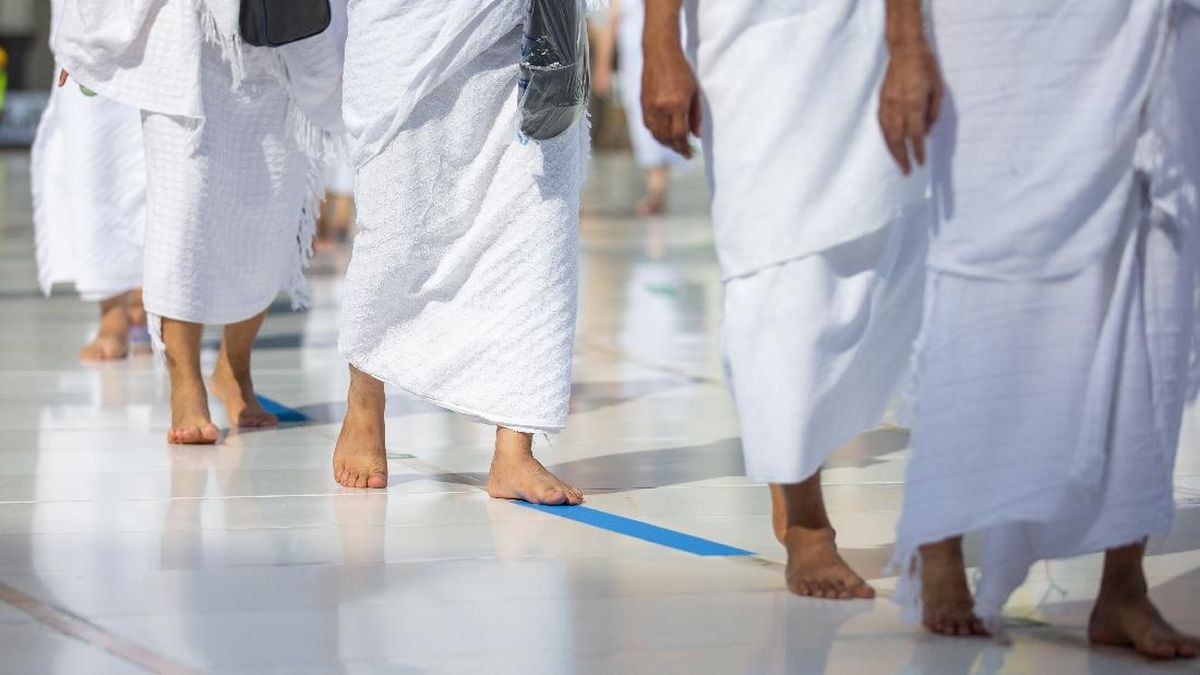
Stamina is the currency of the Hajj. Experts recommend that pilgrims begin a regimen of walking at least 30 minutes every day. This simple activity serves two purposes: it strengthens the cardiovascular system and prepares the muscles for the miles of walking inherent in the pilgrimage rituals. For those who are less active, starting with shorter walks and gradually increasing the duration and intensity is recommended. Latihan fisik, or physical training, should also include light stretching to improve flexibility, which can help prevent muscle cramps and joint pain during the long hours of standing and walking in Mecca.
3. Prioritizing Rest and Sleep Hygiene
While spiritual preparation often involves late-night prayers and vigils, physical preparation requires disciplined rest. Maintaining a sleep schedule of 6 to 8 hours per day is vital for the immune system. Lack of sleep triggers the release of stress hormones and weakens the body’s ability to fight off viruses, which is particularly dangerous in the "melting pot" environment of Hajj where pilgrims from all corners of the globe share close quarters. Establishing a healthy sleep pattern at home helps the body recover from daily stressors and builds a "reserve" of energy for the journey ahead.
4. Nutritional Balance and Hydration
A diet rich in complex carbohydrates, lean proteins, vitamins, and minerals is essential for building the physical resilience needed for Hajj. Pilgrims are urged to move away from processed foods and high-sugar snacks, focusing instead on nutrient-dense meals that provide sustained energy. Furthermore, hydration is a critical factor. The arid climate of Saudi Arabia can lead to rapid dehydration, often before a person even feels thirsty. Training the body to consume adequate amounts of water daily—and avoiding excessive caffeine which can act as a diuretic—is a necessary habit for survival in the desert heat.
5. Total Cessation of Smoking
Tobacco use is one of the most significant risk factors for pilgrims. Smoking impairs lung function and reduces oxygen saturation in the blood, making physical exertion significantly more difficult. In the crowded conditions of the Mina tents or during the Tawaf, diminished lung capacity can lead to severe shortness of breath or respiratory failure. Quitting smoking months before the journey allows the lungs to begin the healing process, significantly increasing the pilgrim’s stamina and reducing the risk of contracting the "Hajj cough" or more severe pneumonia.
6. Strict Adherence to Medication Protocols
For pilgrims with pre-existing conditions, medication management is a life-saving necessity. It is imperative that patients do not alter their dosages or stop taking prescribed medications without a doctor’s supervision. The Ministry of Health recommends that pilgrims carry a sufficient supply of their regular medications, along with a doctor’s note and a copy of their prescription. Being diligent about taking medication at the same time every day while still at home helps create a routine that will be easier to maintain despite the time zone shifts and hectic schedule of the pilgrimage.
7. Mental Health and Stress Management
The spiritual rewards of Hajj are immense, but the journey can be mentally taxing. Crowds, noise, heat, and the pressure of performing rituals correctly can lead to high levels of stress and anxiety. Maintaining a positive mindset and practicing patience is a core part of the Hajj experience. Psychological readiness involves managing expectations and learning relaxation techniques. A calm mind supports a healthy body; stress has been shown to manifest in physical ailments, such as digestive issues or tension headaches, which can detract from the spiritual focus of the mission.
Background and Chronology of the 2026 Health Policy
The move toward stricter health requirements is the result of several years of data analysis by the Saudi Ministry of Hajj and Umrah and the Indonesian Ministry of Health. In previous years, the policy allowed pilgrims to pay for their Hajj slots before their final health clearance was issued. This often created difficult situations where individuals who had already paid and prepared emotionally were found to be unfit for travel at the last minute, leading to heartbreak and administrative complications.
In late 2025, a series of bilateral meetings between Indonesian officials and Saudi authorities concluded that the "Health First" approach was the only sustainable way to manage the increasing number of elderly pilgrims. The timeline for the 2026 Hajj season was subsequently adjusted. By January 2026, the preliminary health screening phase was launched across Indonesia. Pilgrims were required to visit designated health centers (Puskesmas) or hospitals to undergo a standardized "istitha’ah" check. Only those who received a "fit" or "fit with conditions" status were permitted to proceed to the next stage of the administrative process.
This chronology reflects a proactive stance. By April 2026, as the first batches of pilgrims prepare for their departures, the focus has shifted from administrative clearance to physical maintenance. The government has deployed health ambassadors and used social media platforms—such as the @kemenhaj.ri Instagram account—to provide daily reminders and tips, ensuring that the health of the pilgrims remains a top priority until the moment they board their flights.
Official Responses and Institutional Support
The Indonesian Minister of Religious Affairs has been vocal about the necessity of these measures, stating that "there should be no party that forces the departure of a pilgrim who is medically unfit." This sentiment is echoed by the Saudi Minister of Hajj and Umrah, who emphasized that the Kingdom’s primary goal is the safety and well-being of all guests of Allah. The Saudi government has invested heavily in healthcare infrastructure within the holy sites, but they reiterate that these facilities are intended for emergencies, not for managing chronic conditions that should have been addressed before departure.
Institutional support in Indonesia has also expanded. The Ministry of Health has integrated the Hajj health records into a digital system, allowing medical personnel in Saudi Arabia to access a pilgrim’s medical history instantly in case of an emergency. This level of coordination between the two nations highlights the global effort required to manage an event of this magnitude safely.
Analysis of Implications and Broader Impact
The shift toward stringent health requirements has significant implications for the future of Hajj management. Firstly, it places a greater burden of responsibility on the individual pilgrim. The journey is no longer seen as a passive experience but one that requires active physical preparation. This could lead to a healthier aging population in Indonesia, as prospective pilgrims adopt better lifestyle habits years in advance to ensure they meet the Hajj criteria.
Secondly, there is an economic and logistical impact. By ensuring that only healthy pilgrims travel, the government reduces the costs associated with emergency medical repatriations and intensive care treatments abroad. However, this policy also necessitates a more robust domestic health screening infrastructure, requiring significant investment in medical training and diagnostic tools at the local level.
Finally, the emphasis on health serves to protect the sanctity of the ritual. When pilgrims are physically capable, they can focus entirely on their prayers and their connection with the Divine, rather than being distracted by physical pain or illness. The 2026 Hajj season serves as a landmark year where the concept of "capability" is being redefined to include not just the wallet, but the heart, the lungs, and the overall vitality of the believer. As the departure dates draw near, the success of this year’s Hajj will likely be measured not just by the number of pilgrims, but by the health and safety of every individual who returns home.