Jakarta, Indonesia – Her Majesty Queen Máxima of the Netherlands successfully concluded a significant working visit to Indonesia from Monday, November 24, to Thursday, November 27, 2025, in her distinguished capacity as the United Nations Secretary-General’s Special Advocate (UNSGSA) for Inclusive Finance for Development. This visit underscored the critical global agenda of fostering financial health and resilience, a mission Queen Máxima has championed internationally, distinct from her royal duties as Queen of the Netherlands. Her comprehensive itinerary spanned multiple strategic locations, including the industrial heartlands of Sragen and Bekasi, the cultural hub of Solo, and the nation’s capital, Jakarta, focusing intensely on advancing financial inclusion and the broader financial well-being of communities.
The Mandate of the UNSGSA: A Global Pursuit of Financial Inclusion
Queen Máxima’s role as UNSGSA, appointed in 2009 by then-UN Secretary-General Ban Ki-moon, positions her at the forefront of global efforts to ensure everyone, especially the poor and vulnerable, has access to affordable, useful, and safe financial products and services. This mission is intrinsically linked to the United Nations Sustainable Development Goals (SDGs), particularly SDG 1 (No Poverty), SDG 5 (Gender Equality), SDG 8 (Decent Work and Economic Growth), and SDG 10 (Reduced Inequalities). Financial inclusion is recognized as a fundamental enabler for development, empowering individuals to save for the future, invest in education and health, start businesses, and manage financial shocks. The UNSGSA works with governments, central banks, regulators, financial service providers, and development partners worldwide to promote national strategies, advocate for smart policies, and encourage innovation in digital finance. This visit marked Queen Máxima’s fifth trip to Indonesia in her capacity as UNSGSA, following previous engagements in 2012, 2016, and 2018, demonstrating a sustained commitment to Indonesia’s progress in this vital sector. Her previous visit to Indonesia as Queen of the Netherlands was in 2020, accompanying King Willem-Alexander during a state visit, highlighting the multifaceted relationship between the two nations.
Indonesia’s Landscape of Financial Inclusion: Progress and Potential
Indonesia, an archipelago nation with over 270 million people and diverse geographical challenges, presents both immense opportunities and complex hurdles for achieving universal financial inclusion. The Indonesian government has made significant strides, implementing a National Strategy for Financial Inclusion (SNKI) aimed at increasing the adult population’s access to financial services. Initiatives like branchless banking (Laku Pandai), digital payment systems, and microfinance programs have expanded access, particularly in rural and remote areas. According to data from the Financial Services Authority (OJK), the financial inclusion index in Indonesia has shown consistent growth, reaching approximately 85.10% in 2022, up from around 76% in 2019. However, challenges persist, including low financial literacy levels, especially among women and youth, the digital divide, and the need for more tailored financial products for specific segments like small and medium-sized enterprises (SMEs) and agricultural communities. The informal sector remains substantial, often operating outside formal financial systems, making them vulnerable to economic shocks. Queen Máxima’s visit provided a crucial platform to assess these advancements, identify remaining gaps, and foster collaborative solutions to accelerate the country’s financial inclusion agenda.
Chronology of a Strategic Engagement: Driving Financial Health Forward
Queen Máxima’s three-day working visit was meticulously structured to offer a comprehensive view of Indonesia’s financial inclusion ecosystem, from grassroots initiatives to high-level policy discussions.
Tuesday, November 25, 2025: Focus on Grassroots Empowerment and Women Entrepreneurs
The initial day of the visit began in Central Java, a region rich in economic activity and cultural heritage. Queen Máxima’s first stop was a garment factory in Sragen Regency. This visit was particularly symbolic, emphasizing the importance of financial health for blue-collar workers who form the backbone of Indonesia’s manufacturing sector. Discussions likely revolved around access to formal banking services for wage management, savings, and micro-loans, as well as digital payment solutions that enhance convenience and security for employees. The focus extended to understanding how financial literacy programs could be integrated into workplaces to empower workers to better manage their incomes and plan for their financial futures.
Following this, Queen Máxima traveled to Solo, a city renowned for its vibrant batik industry. Here, she visited Kampung Batik Laweyan, a historic batik village known for its community of artisan entrepreneurs. The discussions centered on the financial health of small businesses, particularly those engaged in traditional crafts. This segment of the visit highlighted the challenges faced by micro, small, and medium-sized enterprises (MSMEs) in accessing capital, navigating digital marketplaces, and implementing efficient financial management practices. The informal nature of many such businesses often limits their access to formal credit, underscoring the need for innovative financial products and regulatory frameworks that cater to their unique needs.
The day culminated with a significant event at Pura Mangkunegaran, one of Solo’s majestic historical palaces, where Queen Máxima attended a gathering hosted by Women’s World Banking. This organization is a global leader in financial inclusion for women, dedicated to designing and delivering financial services that meet the specific needs of women entrepreneurs and consumers. During this event, Her Majesty engaged in interactive discussions with a diverse group of participants, including young people, university students, and local entrepreneurs. The conversations delved into their experiences with various financial products and services, exploring both successes and challenges. The dialogue likely touched upon the transformative power of digital financial services, the importance of financial literacy education from an early age, and the role of mentorship and support networks in empowering women to achieve financial independence and drive economic growth. The insights gathered from these direct interactions provided valuable perspectives on the practical impact of financial inclusion initiatives on the ground.
Wednesday, November 26, 2025: Policy Dialogue and Innovative Housing Finance
The second day of the visit transitioned to higher-level policy discussions and an exploration of innovative solutions for critical societal needs, beginning in Jakarta. Queen Máxima started her day at the local United Nations office, where she participated in a roundtable discussion with various development organizations. This forum served as a crucial platform for coordinating efforts, sharing best practices, and strategizing on future interventions aimed at accelerating financial inclusion across Indonesia. Participants likely included representatives from UN agencies such as UNDP, UNICEF, and UNCDF, alongside local and international NGOs, all working to address various facets of development, where financial inclusion serves as a cross-cutting theme. The discussions focused on leveraging technology, strengthening regulatory frameworks, and fostering partnerships to scale impact.
Later, she visited the International Finance Corporation (IFC), a member of the World Bank Group and the largest global development institution focused on the private sector in emerging markets. The meeting at IFC underscored the importance of private sector engagement in driving financial inclusion. Discussions centered on the development of innovative lending products and investment strategies that contribute to sustainable economic growth and improved financial health. This included exploring financing mechanisms for SMEs, green financing initiatives, and support for digital infrastructure that expands access to financial services. The IFC’s role in de-risking investments and attracting private capital to underserved markets was a key point of discussion.
A highlight of the day was Queen Máxima’s visit to the Gran Harmoni Cibitung subsidized housing complex in Bekasi Regency, West Java. This complex is a notable example of providing low-emission, affordable housing for low and middle-income communities. The visit showcased how access to stable, affordable housing significantly contributes to the overall financial health and well-being of families. Her Majesty visited a resident’s home, engaging directly with homeowners and representatives of first-time home buyers. This personal interaction offered insights into the socio-economic impact of homeownership and the challenges and opportunities associated with affordable housing finance. A particularly innovative aspect of the visit was the inspection of a "bank sampah" (waste bank) at the complex. This initiative, supported by institutions like Bank Tabungan Negara (BTN) as referenced in related news, allows residents to pay a portion of their housing installments by collecting and depositing recyclable waste. This ingenious model not only promotes environmental sustainability but also enhances financial literacy and provides an alternative payment mechanism, making homeownership more accessible and sustainable for low-income families. Queen Máxima observed the process of signing sale and purchase agreements for dozens of prospective homeowners, witnessing firsthand the tangible impact of these inclusive financial solutions.
The day concluded with a visit to Deloitte Indonesia, where Queen Máxima engaged with employers to discuss their role in contributing to the financial health of their employees and clients. This session explored corporate responsibility in fostering financial wellness, including the provision of financial literacy programs, access to affordable employee benefits, and the development of client-centric financial services. The discussions highlighted how financially healthy employees are more productive and resilient, underscoring the mutual benefits for both employers and the workforce in prioritizing financial well-being initiatives.
Thursday, November 27, 2025: High-Level Policy Engagement and Presidential Audience
The final day of Queen Máxima’s visit was dedicated to high-level policy dialogue and culminated in a significant meeting with Indonesia’s head of state. Her Majesty participated in a crucial agenda focused on financial literacy, involving key Indonesian financial authorities: the Otoritas Jasa Keuangan (OJK – Financial Services Authority), Bank Indonesia (BI – Central Bank), and the Ministry of Finance (Kemenkeu). This meeting brought together the regulatory, monetary, and fiscal pillars of Indonesia’s financial system. Discussions likely encompassed strategies to enhance financial literacy nationwide, especially through digital platforms, consumer protection measures in the evolving digital finance landscape, and the regulatory frameworks needed to foster innovation while ensuring stability and fairness. The OJK’s role in consumer education and oversight, BI’s initiatives in payment system innovation, and Kemenkeu’s broader fiscal policies impacting financial access were central to the dialogue, aiming to synergize efforts for a more robust and inclusive financial ecosystem.
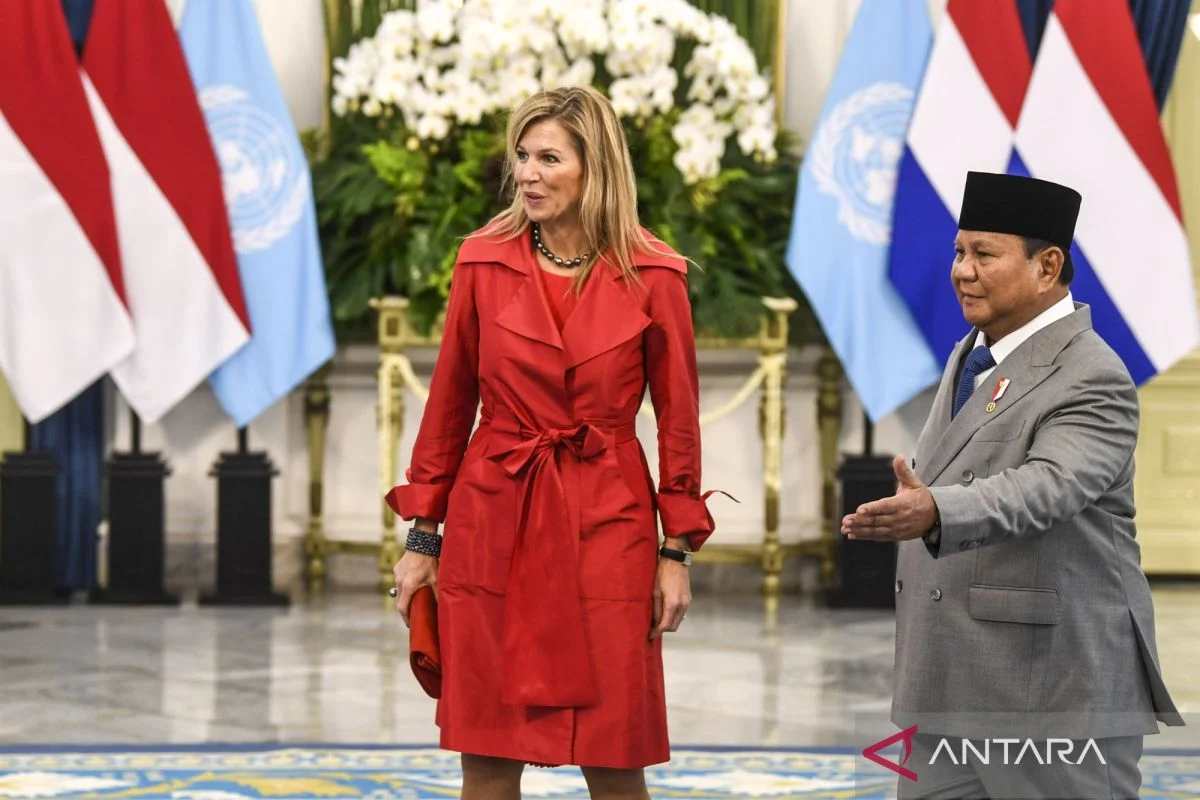
The visit culminated in a highly anticipated meeting with the President of the Republic of Indonesia, Prabowo Subianto, at the Istana Merdeka in Jakarta. This audience served as the capstone of her working visit, where Queen Máxima formally presented her findings, observations, and impressions gleaned from her engagements across the country. The discussions, which included a private one-on-one session and a luncheon, provided an opportunity to convey strategic recommendations, highlight successful models, and explore avenues for continued collaboration between the United Nations, the Netherlands, and Indonesia in advancing financial inclusion. President Prabowo likely reiterated Indonesia’s unwavering commitment to inclusive economic growth, poverty reduction, and enhancing the welfare of its citizens through comprehensive financial empowerment initiatives. This high-level exchange reinforced the strategic importance of financial inclusion within Indonesia’s national development agenda and its positioning on the international stage.
Implications and Future Outlook
Queen Máxima’s fifth visit to Indonesia as UNSGSA signifies a deepening partnership and a shared commitment to empowering individuals through financial inclusion. The diverse range of engagements, from grassroots communities to high-level policy discussions, provides a holistic perspective on Indonesia’s progress and the challenges that remain. The insights and recommendations generated from this visit are expected to contribute significantly to refining Indonesia’s National Strategy for Financial Inclusion, fostering further innovation in digital financial services, and strengthening regulatory frameworks to protect consumers while enabling growth.
The emphasis on women’s financial empowerment, affordable housing solutions through innovative mechanisms like waste banks, and corporate responsibility in employee financial health highlights practical, impactful approaches that can be scaled. The continued collaboration with international bodies like the UN and IFC, alongside national institutions such as OJK, BI, and Kemenkeu, is crucial for sustained progress. As Indonesia continues its journey towards becoming a high-income nation, ensuring that all segments of its population have equitable access to financial tools will be paramount for fostering economic resilience, reducing inequality, and achieving sustainable development goals. Queen Máxima’s advocacy provides invaluable international impetus, reinforcing Indonesia’s position as a regional leader in the global pursuit of financial inclusion for all.