
In an era where air travel has transitioned from a luxury experience to a fundamental mode of global transport, the priorities of passengers have shifted significantly toward efficiency and convenience. However, a growing body of evidence from travel experts, health professionals, and seasoned aviation authors suggests that many travelers are inadvertently compromising their well-being and safety through their choice of wardrobe. Recent insights shared by industry specialists highlight a specific list of garments that should be avoided to ensure a seamless and healthy journey. These recommendations are not merely based on aesthetic preferences but are grounded in physiological health, hygiene standards, and the logistical realities of modern airport security.
The Physiological Impact of Denim and Tight Clothing
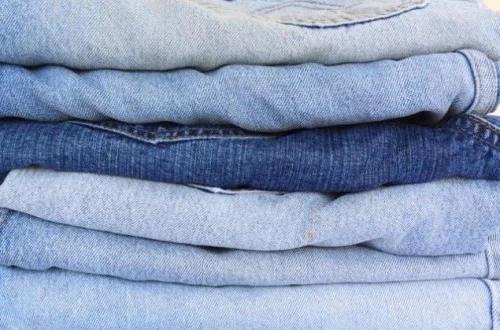
For many travelers, denim jeans are a staple of their daily wardrobe, often chosen for their durability and perceived versatility. However, travel experts, including Tory Jon, founder of Camper FAQs, argue that jeans are among the least suitable items for long-haul flights. The primary concern lies in the restrictive nature of denim, particularly styles that are tight-fitting around the waist and legs.
During a flight, especially one exceeding three hours, the human body is subjected to prolonged periods of inactivity in a pressurized cabin. These conditions are conducive to the development of Deep Vein Thrombosis (DVT), a condition where blood clots form in the deep veins, usually in the legs. Tight clothing can exacerbate this risk by further restricting blood circulation. When the waistline of a pair of jeans presses against the abdomen or when the fabric constricts the thighs, it creates a physical barrier to efficient venous return. This can lead to edema (swelling), numbness, and in severe cases, the aforementioned clotting issues.
Furthermore, denim is a heavy, non-breathable fabric. In the microclimate of an airplane cabin, where temperatures can fluctuate and humidity is notoriously low, jeans do not allow the skin to regulate temperature effectively. This often results in the wearer feeling excessively warm and perspiring, which, combined with the lack of airflow, can lead to skin irritation and general discomfort by the time the aircraft reaches its destination. Experts suggest replacing jeans with "athleisure" wear, such as high-quality joggers or loose-fitting trousers made from technical fabrics that offer both stretch and breathability.
The Logistical Hazards of One-Piece Outfits
The rise of the "jumpsuit" and "romper" in contemporary fashion has seen these items become popular choices for travelers seeking a coordinated look. However, from a practical standpoint, aviation experts like Jessica Schmit of Uprooted Traveler warn that these one-piece ensembles are a significant liability in the confined spaces of an airplane.
The primary issue is the functional requirement of the aircraft lavatory. Airplane bathrooms are notoriously small, often measuring less than 30 inches wide. In such a cramped environment, the process of undressing to use the facilities becomes a complex maneuver. For a wearer of a jumpsuit or romper, the entire garment must be lowered, often leaving the upper portion of the suit dangled near or on the floor.
Aviation hygiene studies have consistently shown that airplane floors, particularly in lavatories, harbor high concentrations of bacteria, including E. coli and various strains of influenza. The risk of a garment touching these surfaces poses a significant sanitary concern. Additionally, the time required to manage these complex outfits can contribute to longer queues for the lavatory, impacting the overall comfort of other passengers. Reneze Lopez of Sincerely Reneze further notes that "unitards" or tight athletic one-pieces can be socially awkward and physically restrictive during long periods of sitting, suggesting that two-piece sets are a much more logical alternative.
Security Bottlenecks and the Role of Accessories
The modern airport security experience is defined by the need for speed and the reduction of friction. One of the most common causes of delays at Transportation Security Administration (TSA) checkpoints and international equivalents is the presence of metal accessories, specifically belts.
Rax Suen, founder of NomadsUnveiled, emphasizes that belts are an unnecessary complication for the modern traveler. While they may be a necessary component of a professional outfit, wearing them through security requires removal and re-insertion, which slows down the flow of the queue. Beyond the security gate, belts can become uncomfortable during a flight. As the body naturally bloats due to changes in cabin pressure—a phenomenon often referred to as "airplane belly"—a rigid belt can dig into the soft tissue of the midsection, causing digestive discomfort and pain.
The recommendation from the travel community is to opt for trousers with elasticated waistbands or internal drawstrings. This allows for natural body expansion during the flight without the need for manual adjustment or the removal of accessories at security checkpoints.
Footwear, Hygiene, and Emergency Preparedness
The choice of footwear is perhaps the most critical element of a traveler’s attire, impacting everything from health to emergency safety. While sandals and open-toed shoes are popular for those heading to tropical destinations, they are discouraged by travel veterans like Sarah Simon of Mukikapup’s Travels.
The first concern is hygiene. As previously mentioned, airplane floors are not cleaned to the same standards as clinical environments. Walking into a lavatory in open-toed shoes or, worse, socks alone, exposes the skin to a variety of contaminants. Furthermore, the temperature on planes is often kept low to mitigate the risk of passenger fainting and to manage the heat generated by onboard electronics. Open-toed shoes leave the extremities vulnerable to the cold, which can impede circulation.
From a safety perspective, footwear plays a vital role in the event of an emergency evacuation. In the unlikely event that passengers must exit the aircraft via inflatable slides or navigate debris, sturdy, closed-toed shoes provide the necessary protection and traction. Sandals or high heels can easily be lost or cause injury during a rapid egress. Michelle Joy of Harbors and Havens suggests slip-on sneakers as the ideal compromise; they are easy to remove for security checks (avoiding the need to go barefoot on the terminal floor) and provide adequate protection and warmth during the flight.
The Chemistry of Fabrics: The Case Against Polyester
While many travelers choose synthetic fabrics like polyester for their wrinkle-resistant properties and lightweight nature, textile experts and travel bloggers like Wesley Cunningham of WorldWideyedWes highlight a major drawback: odor retention.
Polyester is a synthetic fiber derived from petroleum, making it essentially a plastic-based fabric. Unlike natural fibers, polyester is hydrophobic, meaning it repels water but absorbs oil. This characteristic causes the fabric to trap skin oils and the bacteria that feed on sweat. In the enclosed environment of an airplane, where air is recirculated, the odor-trapping nature of polyester can become problematic. Once a synthetic garment begins to hold an odor, it is much harder to refresh than a natural fiber.
In contrast, natural materials such as cotton, silk, and particularly Merino wool, are highly recommended. Merino wool is often cited as the "gold standard" for travel because it is naturally antimicrobial, moisture-wicking, and temperature-regulating. It can be worn for multiple days without retaining odors, making it perfect for long-haul journeys and minimal packing. Modal, a bio-based textile made from beech tree cellulose, is also praised for being significantly more absorbent than cotton, providing a soft and breathable layer that keeps the skin dry.
Broader Implications for Passenger Wellness and Aviation Policy
The discussion regarding in-flight attire is part of a larger conversation about passenger wellness in the aviation industry. As airlines continue to optimize cabin configurations for maximum capacity, the physical space allotted to each passenger has decreased. This reduction in personal space makes the physiological impact of clothing more pronounced.
Medical data supports the shift toward more thoughtful dressing. According to the Centers for Disease Control and Prevention (CDC), DVT affects up to 900,000 Americans each year, and "travel-associated" DVT is a recognized risk for anyone on a flight longer than four hours. By avoiding restrictive clothing like jeans and belts, passengers can significantly lower their risk profile.
Furthermore, the operational efficiency of airlines is indirectly affected by passenger clothing. Medical emergencies on flights, some of which are related to circulatory issues or fainting, can result in costly diversions. By educating the public on proper attire, the industry can potentially reduce the frequency of these incidents.
In conclusion, while the temptation to prioritize fashion or luggage space is high, the benefits of choosing the right fabrics and styles for air travel are undeniable. By opting for breathable, natural fibers, loose-fitting layers, and practical footwear, travelers can ensure that their journey is not only more comfortable but also safer and more hygienic. The transition from "dressing up" for a flight to "dressing smart" reflects a modern understanding of the rigors of aviation and the importance of maintaining physical health at 35,000 feet.