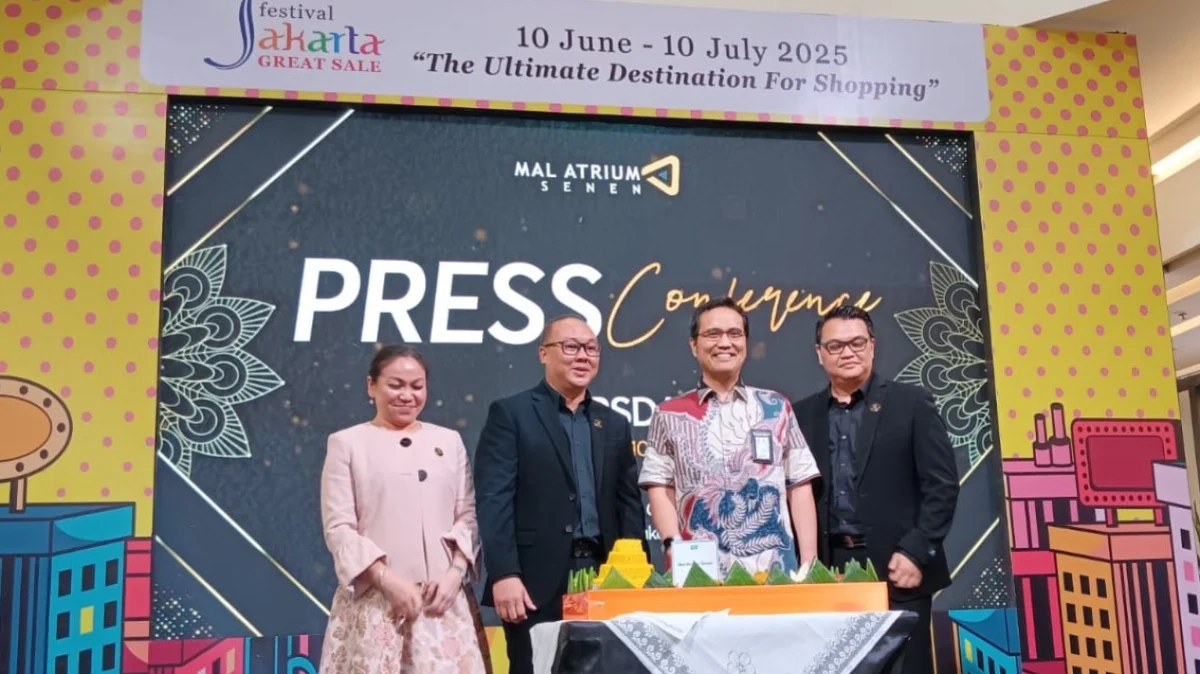
In a move that signals a significant shift in the retail landscape of Central Jakarta, PT Nusa Mandiri Properti has officially announced the rebranding of the Millennium Mall to its new identity, Mal Atrium Senen. This strategic decision, unveiled during a high-profile press conference on Thursday, July 10, 2025, marks more than just a change in nomenclature; it represents a comprehensive commitment to revitalizing one of the city’s most storied commercial zones, the "Senen Golden Triangle." The transition, which technically took effect on June 1, 2025, is the cornerstone of a broader vision to harmonize the historical significance of the Senen district with the fast-evolving demands of the modern Indonesian urban consumer.
The official ceremony took place in the main atrium of the newly christened mall, attended by industry leaders, local government officials, and stakeholders from the retail sector. The rebranding serves as a definitive statement of intent by PT Nusa Mandiri Properti to reclaim the mall’s position as a premier destination for shopping, social interaction, and cultural heritage. By shedding the "Millennium" moniker in favor of "Mal Atrium Senen," the management aims to reconnect with the local community’s roots while simultaneously introducing a sophisticated, contemporary aesthetic that appeals to the "Gen Z" and "Millennial" demographics that now dominate Jakarta’s workforce.
A Strategic Vision for Urban Revitalization
The decision to rebrand was born out of a rigorous analysis of the retail market in post-pandemic Jakarta. As the city continues to expand and modernize, historic districts like Senen have often faced the challenge of maintaining relevance amidst the rise of newer, ultra-modern shopping complexes in South and West Jakarta. Elly Christin, the Director of PT Nusa Mandiri Properti, emphasized during the press conference that this transformation is a holistic endeavor designed to breathe new life into the Senen area.
"This transformation is not merely a change of name, but a complete renewal of our identity and spirit," Christin stated. "Our goal is to develop a shopping center that is deeply relevant to the needs of today’s urban society. We are blending the historical legacy of the Senen Triangle with a fresh, modern approach that ensures we remain a vital part of Jakarta’s commercial future."
The "Senen Golden Triangle" has long been recognized as a pivotal economic hub, dating back to the colonial era when it served as a primary trading post. By adopting the name Mal Atrium Senen, the property management is leaning into this heritage. The rebranding strategy is built on the philosophy of "Heritage Meets Modernity," ensuring that the mall does not lose its soul while undergoing the necessary upgrades to compete in a 21st-century economy.
Chronology of the Rebranding Process
The path to the July 10 announcement was a carefully orchestrated multi-stage process. The transition began internally in early 2025, as PT Nusa Mandiri Properti finalized the architectural and conceptual blueprints for the mall’s new direction.
- January – March 2025: Initial phase of physical renovations focused on the "Lower Ground" area and essential infrastructure, including the modernization of vertical transportation systems (elevators and escalators).
- April 2025: Negotiations with international and domestic "anchor tenants" were finalized to ensure a diverse mix of lifestyle, fashion, and culinary offerings.
- June 1, 2025: The name Mal Atrium Senen was officially registered and began appearing on digital platforms, though physical signage was updated gradually to build anticipation.
- July 10, 2025: The formal grand unveiling and press conference held at the mall, marking the completion of the primary rebranding phase.
This timeline reflects a disciplined approach to change management, ensuring that existing tenants and loyal customers were integrated into the process rather than alienated by a sudden shift in identity.
Comprehensive Infrastructure and Aesthetic Upgrades
The rebranding of Mal Atrium Senen is accompanied by a massive capital investment aimed at improving the visitor experience. PT Nusa Mandiri Properti recognized that to attract modern shoppers, the physical environment must meet international standards of comfort and accessibility. Key areas of the renovation include:
Modernization of Public Facilities: A significant portion of the budget was allocated to the "refreshing" of public spaces. This includes a total overhaul of restroom facilities, featuring touchless technology and premium finishes. Furthermore, the revitalization of the mall’s circulation systems—specifically its elevators and escalators—ensures seamless movement across the multiple levels of the complex.
Revitalization of the Lower Ground Floor: The lower ground area, traditionally a high-traffic zone, has been redesigned to offer a more spacious and brightly lit environment. This area now serves as a bridge between the mall’s commercial offerings and its historical connection to the surrounding neighborhood.
Visual Rebranding: The mall’s visual identity has been completely reimagined. The new logo and color palette are described as "dynamic and modern," utilizing clean lines and vibrant tones that stand out in the Central Jakarta skyline. This visual update extends to digital signage, wayfinding systems, and the mall’s online presence.
Preservation of the Iconic Automotive Center: In a move that has been widely praised by local community leaders, the mall will continue to house its famous "Onderdil" (auto parts) center. This section of the mall has been an iconic fixture for decades, serving as a hub for automotive enthusiasts and professionals across Jakarta. By integrating this specialized niche into the modernized mall, PT Nusa Mandiri Properti is preserving a vital piece of the local economy while upgrading the facilities in which these businesses operate.
Economic Implications and Tenant Strategy
The rebranding is expected to have a ripple effect on the economy of Central Jakarta. By positioning Mal Atrium Senen as a "lifestyle destination," the management is targeting a higher footfall of white-collar workers from the nearby government offices, banks, and corporate headquarters that populate the Senen and Gambir areas.
The tenant strategy has shifted toward "lifestyle and experience." While the mall retains its core of essential services, there is a visible influx of renowned international brands and popular local "concept stores." This mix is intended to cater to the "work-play" balance of the modern Jakartan. The presence of these brands is expected to increase the average "dwell time" of visitors, leading to higher secondary spending in the food and beverage sectors.
Furthermore, the mall’s strategic location—surrounded by major hotels and transit hubs like the Senen Railway Station and TransJakarta terminals—positions it as a natural meeting point. The revitalization is likely to increase property values in the immediate vicinity and encourage further private investment in the Senen district.
Strategic Partnerships and Community Integration
A key element of the Mal Atrium Senen relaunch is its collaboration with broader institutional bodies. The mall has solidified partnerships with the Association of Indonesian Shopping Center Management (APPBI) DKI Jakarta and the Provincial Government of Jakarta. These alliances are designed to integrate the mall into the city’s wider tourism and retail initiatives.
As a testament to its renewed status, Mal Atrium Senen was selected as the host for the closing ceremony of the Festival Jakarta Great Sale (FJGS) 2025. This annual event is a cornerstone of Jakarta’s retail calendar, attracting millions of shoppers with city-wide discounts. Hosting the finale of such a prestigious event underscores the mall’s importance in the city’s economic fabric and its successful re-entry into the top tier of Jakarta’s shopping destinations.
The provincial government has expressed support for the project, viewing it as a prime example of how private developers can contribute to urban renewal goals. By revitalizing a "legacy" mall rather than building a new one on the outskirts of the city, PT Nusa Mandiri Properti is supporting the government’s vision of a more sustainable, transit-oriented, and historically conscious urban center.
Analysis: The Future of Retail in Historic Districts
The transformation of Millennium Mall into Mal Atrium Senen is a case study in the evolution of urban retail. In an era where e-commerce poses a continuous threat to physical brick-and-mortar stores, the "rebranding-through-revitalization" model appears to be the most viable path forward for older shopping centers.
By leaning into the "Senen" name, the developers are utilizing "place-branding"—a marketing strategy that leverages the existing reputation and history of a location to build trust and authenticity. For many Jakartans, "Atrium Senen" carries a sense of nostalgia and reliability that a generic name like "Millennium" could not provide.
Industry analysts suggest that the success of Mal Atrium Senen will likely inspire similar projects in other historic districts of Jakarta, such as Gajah Mada or Glodok. The focus on "experience" over mere "transaction" is the defining trend of 2025, and by upgrading facilities while maintaining specialized community hubs like the auto parts center, Mal Atrium Senen is striking a delicate balance that could serve as a blueprint for the industry.
As the press conference concluded, the atmosphere was one of cautious optimism. The physical changes are evident, the strategic partnerships are in place, and the community response has been largely positive. For PT Nusa Mandiri Properti, the journey has just begun. The challenge now lies in maintaining the momentum of this relaunch and ensuring that Mal Atrium Senen remains a vibrant, inclusive, and profitable heart of Central Jakarta for decades to come.