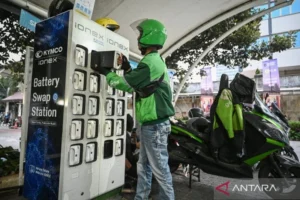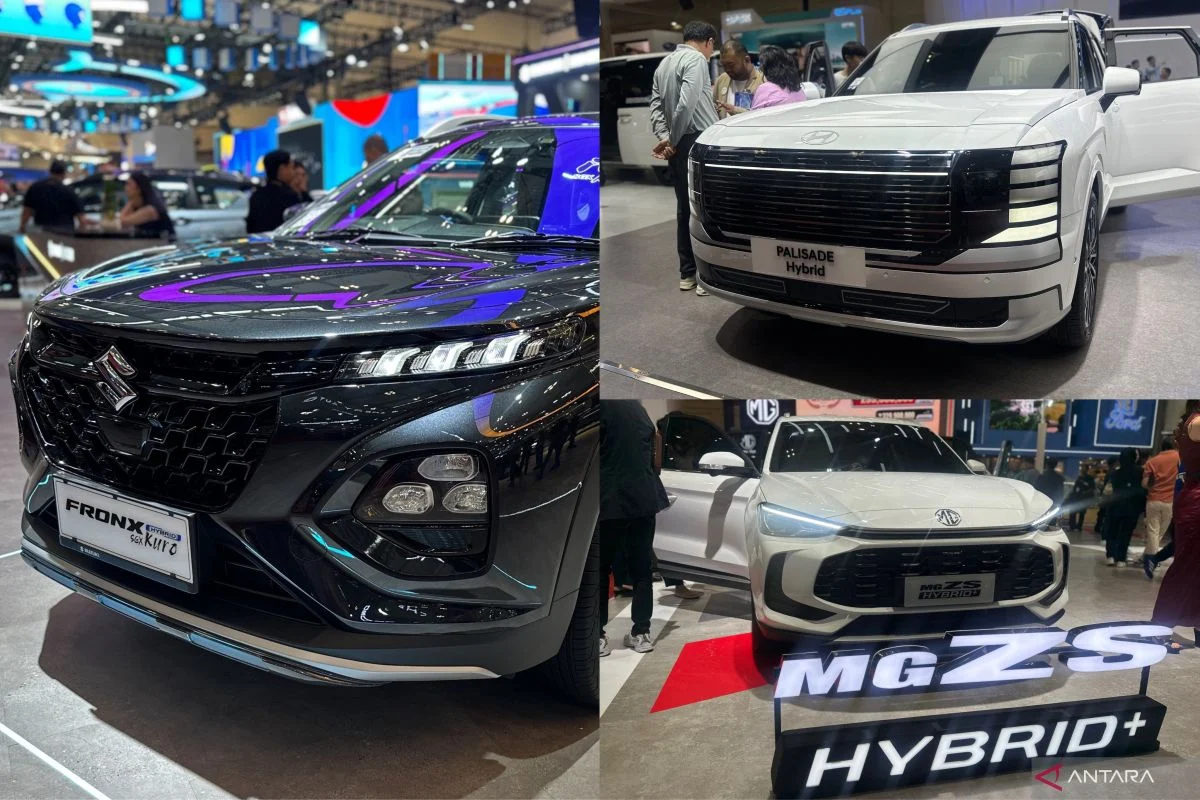
The rapid evolution of automotive electrification has fundamentally transformed the Indonesian car market, granting consumers an unprecedented array of choices when purchasing a new vehicle. While conventional internal combustion engine cars continue to share space on showroom floors, electrified options have transitioned from niche novelties to mainstream contenders. Among these, hybrid electric vehicles (HEVs) and battery electric vehicles (BEVs) have emerged as the two primary pathways for buyers seeking lower emissions, improved fuel efficiency, and modernized driving dynamics.
However, deciding between a hybrid and a pure electric vehicle is far from straightforward. The two technologies possess starkly different mechanical characteristics, energy consumption profiles, refueling and recharging requirements, and practical limitations in daily use. As the Indonesian government, automotive manufacturers, and infrastructure providers race to adapt to this green transition, potential buyers must weigh a complex matrix of operational costs, charging infrastructure availability, and travel habits to determine which powertrain best suits their lifestyle.
Understanding the Mechanical Divide: Hybrid versus Pure Electric Systems
The fundamental divergence between hybrids and battery electric vehicles lies beneath the metal, starting with how propulsion power is generated and delivered to the wheels. Hybrid electric vehicles employ a dual-power architecture. They pair a traditional internal combustion engine—typically running on gasoline—with an electric motor and a compact battery pack. This integrated system allows the vehicle to intelligently switch between the gasoline engine, the electric motor, or a combination of both, depending on immediate driving demands such as acceleration cruising speed, or stationary idling.
In contrast, battery electric vehicles discard the internal combustion engine entirely. A BEV relies solely on chemical energy stored within a large, high-capacity onboard battery pack, which feeds one or more electric motors. Because there is no internal combustion engine to burn fossil fuels, BEVs produce zero tailpipe emissions and require zero engine maintenance associated with oil changes, spark plugs, or exhaust systems. Instead, users must systematically plug the vehicle into an external electrical source to replenish the battery’s energy reserve.
This foundational mechanical difference dictates every subsequent aspect of the ownership experience, influencing everything from urban maneuverability and long-distance touring to long-term maintenance budgets and refueling logistics.
Flexibility and Long-Distance Travel: The Case for Hybrid Vehicles
For motorists whose travel routines frequently extend beyond metropolitan boundaries, hybrid vehicles offer a distinct advantage rooted in operational flexibility. One of the primary selling points of an HEV is its immunity to "range anxiety." When the vehicle’s onboard battery pack is depleted or when high-power demands exceed the electric motor’s capacity, the gasoline engine seamlessly engages to maintain momentum.
This dual-source capability allows drivers to embark on cross-country road trips or journeys into remote regions without meticulously mapping out charging stations along the route. If the battery runs low, the driver simply pulls into a conventional public gas station—of which there is an extensive, densely distributed network across the Indonesian archipelago—and refills the fuel tank within minutes.
Consequently, hybrids remain exceptionally practical for consumers who frequently travel to areas where electric vehicle charging infrastructure is scarce or entirely non-existent. They bridge the gap between traditional motoring convenience and modern fuel efficiency, acting as a transitional technology for drivers who are not yet ready to commit to a fully electrified lifestyle constrained by charging availability.
Urban Practicality and Infrastructure Growth: The Advantages of Battery Electric Vehicles
Conversely, battery electric vehicles excel in environments where structured routines and predictable daily commutes dominate. For urban residents who spend the majority of their time navigating congested city streets, the mechanical simplicity of a BEV offers a refined, low-stress driving experience characterized by instant torque, whisper-quiet operation, and a lack of transmission gear shifts.
Crucially, the practicality of owning a BEV is heavily tied to home-charging capabilities. Drivers who have secure parking spaces equipped with dedicated home charging units can conveniently plug their vehicles in overnight, waking up every morning to a "full tank" without ever visiting a traditional fuel station.
The supporting ecosystem for BEVs in Indonesia has also experienced accelerated expansion. According to state electricity utility PT PLN (Persero), the national charging infrastructure has grown significantly. By March 2026, PLN successfully deployed 4,769 Public Electric Vehicle Charging Stations (SPKLU) distributed across 3,097 strategic locations nationwide. Data indicates that the average distance between PLN-managed charging stations has been optimized to approximately 22 kilometers, substantially alleviating inter-city travel concerns for urban EV owners.
Refueling and Recharging Dynamics: Time as a Commodity
Time management represents another crucial operational divergence between the two powertrains. Refueling a hybrid vehicle takes roughly the same amount of time as a conventional gasoline car—usually under five minutes at a standard fuel pump. Once filled, the vehicle is instantly ready to cover hundreds of kilometers.
Recharging a battery electric vehicle, however, requires a different temporal calculation. The time needed to replenish a BEV’s battery depends on several variables, including the battery’s total storage capacity, the power output of the charging equipment, and whether the facility utilizes alternating current (AC) slow charging or direct current (DC) fast charging. While standard home chargers often require several hours to complete a full charge—making overnight charging the most logical habit—public charging stations are increasingly bridging the speed gap.
PT PLN has continued to expand its network of high-speed facilities, notably through dedicated SPKLU Centers equipped with Ultra Fast Charging technology. These advanced hubs drastically reduce charging times, allowing drivers to recover significant battery percentages during brief rest stops, thereby narrowing the convenience gap between liquid fuel and electrical energy.
Financial Implications: Evaluating Total Cost of Ownership
When analyzing the economic viability of electrified vehicles, prospective buyers are urged to look beyond the initial purchase price and evaluate the Total Cost of Ownership (TCO). Battery electric vehicles generally present lower per-kilometer energy costs compared to internal combustion vehicles, as electricity rates are often more economical than subsidized or non-subsidized gasoline prices. Furthermore, the absence of an internal combustion engine drastically reduces routine maintenance expenditures, as BEVs lack complex components like timing belts, oil filters, and multi-speed transmissions.
Hybrid vehicles occupy a middle financial ground. While they still require regular engine servicing and consume gasoline, their advanced powertrains dramatically improve fuel economy, particularly in stop-and-go urban traffic where regenerative braking captures energy that would otherwise be wasted.
Industry analysts emphasize that a comprehensive financial assessment must account for variables such as vehicle depreciation, local tax structures, insurance premiums, projected annual mileage, and fluctuating energy tariffs over a multi-year ownership horizon. Government incentives, which have historically fluctuated for both BEVs and hybrids, also play a vital role in tilting the financial scales for early adopters.
Market Trajectory: Explosive Growth in Indonesia’s Electrified Fleet
The debate between hybrids and battery electric vehicles is taking place against the backdrop of an unprecedented boom in Indonesia’s automotive market. Data compiled by the Association of Indonesian Automotive Industries (GAIKINDO) illustrates a profound shift in consumer preferences toward electrified mobility.
Throughout 2025, total sales of electrified vehicles—encompassing hybrids, plug-in hybrids (PHEVs), and battery electric vehicles—surged to 175,144 units, nearly doubling the 103,228 units recorded in the previous year. This growth was led primarily by the explosive adoption of pure electric vehicles, which saw sales skyrocket from 43,188 units in 2024 to 103,931 units in 2025. Meanwhile, hybrid sales maintained a steady upward trajectory, climbing from 59,903 units to 65,943 units over the same comparative periods.
This momentum carried strongly into 2026. GAIKINDO figures cited by economic publications revealed that hybrid vehicle sales alone reached approximately 50,373 units between January and July 2026, while BEV adoption continued to deepen its footprint in urban centers across Java and major regional hubs. This dual-track expansion demonstrates that Indonesian consumers are not placing all their bets on a single technology, but are instead selecting powertrains that align with their specific logistical realities.
Strategic Decision-Making: Determining the Ideal Powertrain for Daily Life
Ultimately, the choice between a hybrid and a battery electric vehicle is not a binary question of which technology is superior, but rather which machine aligns harmoniously with an individual’s unique driving profile.
Hybrid vehicles are ideally suited for motorists who frequently undertake long-distance intercity journeys, live in regions where public charging infrastructure remains sparse, or desire the fuel-saving benefits of electrification without altering their traditional refueling habits. They offer absolute peace of mind and universal logistical compatibility.
Conversely, battery electric vehicles represent the optimal choice for drivers whose daily itineraries are anchored within metropolitan areas, who possess reliable access to private or workplace charging facilities, and who prioritize zero-emission local driving alongside minimized operational maintenance costs.
As automotive manufacturing evolves and national charging networks continue to densify, both hybrids and battery electric vehicles will undoubtedly coexist as essential pillars of Indonesia’s sustainable transportation future. Buyers are encouraged to carefully audit their daily mileage, evaluate local infrastructure, and calculate realistic budgetary commitments before stepping onto the showroom floor.