The Indonesian electric vehicle market is undergoing a structural evolution, fundamentally changing how consumers approach the ownership of eco-friendly transportation. As the government aggressively pushes toward green energy adoption, lower carbon emissions, and reduced dependence on imported fossil fuels, the automotive industry has introduced innovative financial mechanisms to lower the barriers to entry for electric motorcycles (EV bikes). Among the most impactful developments is the widespread adoption of the battery-as-a-service (BaaS) or battery subscription model. This innovative commercial framework allows buyers to purchase an electric motorcycle body at a significantly reduced upfront cost, while the battery—historically the most expensive single component of any electric vehicle—is rented through a recurring monthly fee.
Recent market data from September 2026 highlights that the monthly subscription costs for electric motorcycle batteries in Indonesia range dynamically from Rp84,000 to Rp250,000. This pricing structure depends heavily on the manufacturing brand, vehicle model, the number of battery units required to power the vehicle, and the specific service tier selected by the consumer. By decoupling the battery from the initial vehicle purchase price, automotive manufacturers are effectively democratizing access to electric mobility, making sustainable transportation increasingly viable for a broader demographic of urban commuters, logistics operators, and daily drivers.
Understanding the Genesis of the Battery Subscription Model in Indonesia
The emergence of the battery rental model did not happen in a vacuum. Over the past several years, the Indonesian government—led by key institutions such as the Ministry of Industry and the Ministry of Energy and Mineral Resources—has instituted aggressive targets to accelerate the electrification of the national transportation sector. With national electric motorcycle populations steadily climbing toward landmark figures, stakeholders recognized that high upfront retail prices remained a primary deterrent for price-sensitive Indonesian consumers.
Batteries typically account for 30 to 40 percent of an electric motorcycle’s total manufacturing cost. When consumers purchase a traditional electric vehicle, they pay for the lithium-ion or lithium-ferro-phosphate battery pack in full, shouldering the financial depreciation risk and long-term degradation anxiety. By shifting to a subscription model, manufacturers have managed to slash the initial retail price of electric motorcycles by millions of rupiah. Furthermore, this model addresses consumer anxiety regarding battery lifespan; because the battery remains the property of the manufacturer or service provider, policies regarding degradation, maintenance, and eventual recycling or replacement are largely absorbed or regulated by the brand, offering drivers unprecedented peace of mind.
Comprehensive Breakdown of Brand Offerings and Tariff Structures
Several prominent automotive brands operating within the Indonesian market have rolled out distinct battery subscription frameworks, tailoring their pricing to accommodate diverse consumer needs. A granular examination of these offerings reveals distinct operational strategies among leading market players.
- VinFast: Leading the Market with Low-Cost Entry Points
Vietnamese electric vehicle titan VinFast has established a formidable presence in the Indonesian market by introducing highly competitive subscription rates. For consumers opting to purchase VinFast electric motorcycles without outright battery ownership, the brand provides tailored subscription tiers across three popular models: the Evo, the Feliz II, and the Viper.
Under VinFast’s current framework, consumers utilizing a single-battery configuration are charged a remarkably low rate of Rp84,000 per month. For models requiring a dual-battery setup, the monthly subscription escalates modestly to Rp144,000. All three designated models utilize a dual-slot battery architecture conveniently housed beneath the vehicle seat, fully optimized to support rapid battery-swapping infrastructure. By anchoring its single-battery subscription at Rp84,000, VinFast currently holds the title for the most economically accessible battery rental program among major industry players in the country. This strategic pricing is designed to capture market share rapidly among price-conscious commuters and commercial fleet drivers operating within dense metropolitan areas like Jakarta.
- Polytron: Balancing Capacity Protection and Predictable Costs
Indonesian electronics and consumer goods giant Polytron has similarly embraced the subscription model to bolster the adoption of its robust Fox series. Polytron’s program is structured to directly alleviate consumer concerns regarding battery degradation while keeping initial vehicle acquisition costs exceptionally low.
For the Polytron Fox 200, the monthly battery rental fee is pegged at Rp125,000. Meanwhile, the higher-performance models, namely the Fox 500 and the Fox R, carry a slightly elevated subscription fee of Rp200,000 per month. Beyond mere cost reduction, Polytron has introduced consumer-friendly performance guarantees into its program parameters. Specifically, the company mandates that if a subscriber’s battery experiences a capacity drop below 85 percent under normal operational usage and in compliance with program guidelines, the manufacturer will facilitate a replacement. This warranty-like provision effectively eliminates the secondary market fear of purchasing an aging battery pack that holds diminished charge over time.
- ALVA: Premium Performance via the BEBAS Program
As a premium lifestyle and mobility brand, ALVA has captured significant market attention through its proprietary BEBAS program, an acronym representing Berlangganan Baterai Sewa (Rental Battery Subscription). Tailored for high-performance models such as the ALVA N3 and the flagship ALVA CERVO, this scheme integrates comprehensive service parameters into transparent monthly invoices.
For the ALVA N3 model configured with a single battery, the subscription rate is set at Rp150,000 per month. Upgrading the N3 to a dual-battery configuration brings the monthly fee to Rp250,000. Similarly, the powerful ALVA CERVO, which standardizes a dual-battery layout, commands a monthly subscription fee of Rp250,000. Notably, ALVA’s pricing structure includes applicable taxes within the stated monthly cost, ensuring billing transparency for consumers. Through this structured rental mechanism, ALVA ensures that its customers can harness high torque, extended range, and superior acceleration without shouldering the heavy capital expenditure typically associated with premium battery assets.
Comparative Market Analysis: Financial Implications for Consumers
While the battery subscription model offers undeniable relief regarding initial vehicle purchase prices, industry analysts emphasize that consumers must maintain a comprehensive financial overview before committing to a specific brand. The monthly subscription fee represents exclusively the cost of renting the energy storage unit; it does not encompass the entire cost of vehicle ownership.
To calculate the true cost of operation, buyers must factor in several ongoing variables:
- Initial Unit Purchase Price: The base cost of the motorcycle chassis and electrical powertrain without the battery.
- Electricity Charging Costs: Expenses incurred when charging the vehicle at home via residential grid electricity or utilizing commercial public charging stations.
- Routine Maintenance: Periodic servicing of brakes, tires, suspension systems, and electronic control units.
- Vehicle Taxes and Registration: Annual motor vehicle taxes (PKB) and administrative registration fees mandated by regional governments.
- Subscription Compliance: Adherence to mileage caps, geographical restrictions, or mandatory servicing intervals stipulated in the battery rental contract.
When evaluated purely on a monthly recurring expenditure scale, the battery rental fees ranging from Rp84,000 to Rp250,000 translate into highly manageable outlays for the average urban worker. For comparison, traditional internal combustion engine (ICE) motorcycle users frequently spend significantly more on subsidized or non-subsidized fossil fuels on a monthly basis, depending on daily commuting distances.
The Broader Economic and Environmental Impact
The proliferation of battery subscription models aligns seamlessly with broader national strategic objectives. Government bodies, including the Ministry of Industry and the House of Representatives (DPR RI), have repeatedly emphasized the necessity of accelerating the operational capabilities of the national battery industry. Initiatives to encourage electric motorcycle conversions, coupled with ongoing government incentive programs, aim to cement Indonesia as a regional hub for electric vehicle manufacturing and component supply chains.
With the domestic population of electric motorcycles surpassing hundreds of thousands of units, the country’s ecosystem is moving steadily toward long-term sustainability goals. Industry observers note that the battery rental model plays a critical role in this macroscopic transition. By retaining ownership of the batteries, manufacturers are inherently incentivized to establish robust recycling, repurposing, and circular-economy pathways. Used or degraded batteries retrieved from rental fleets can be repurposed for stationary energy storage systems or safely recycled to extract critical minerals such as lithium, cobalt, and nickel, thereby minimizing environmental degradation associated with raw material extraction.
Expert Perspectives and Future Outlook
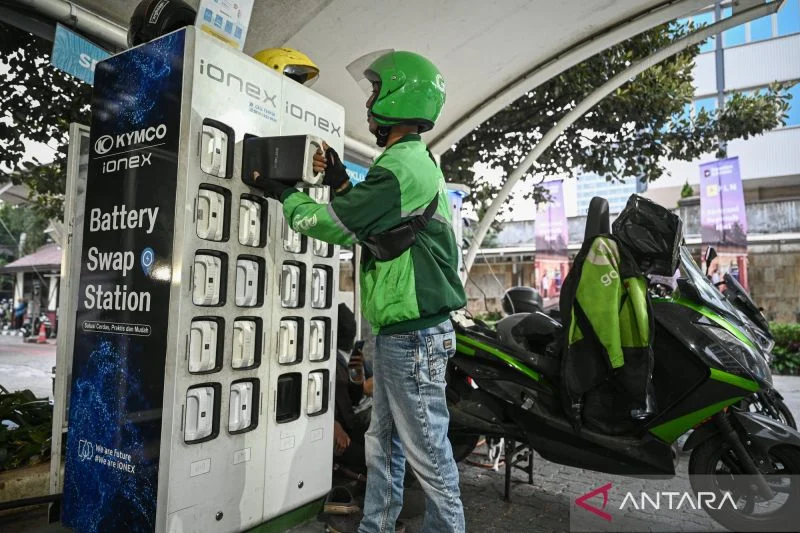
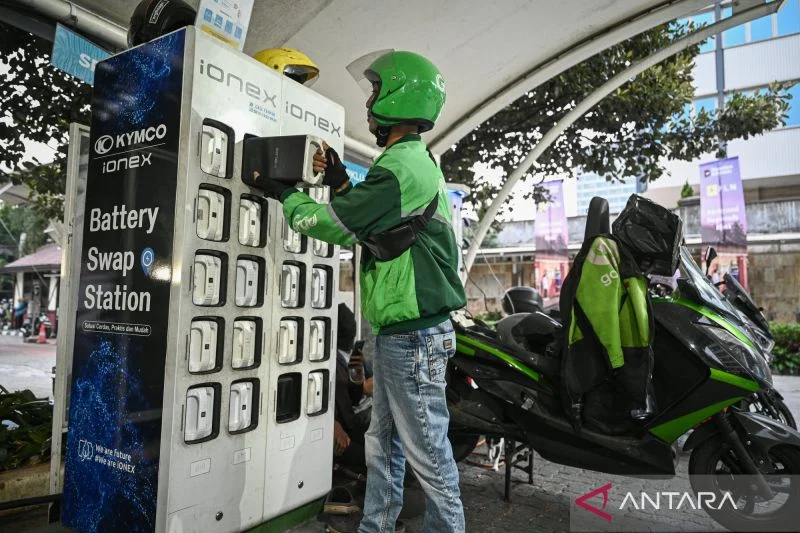
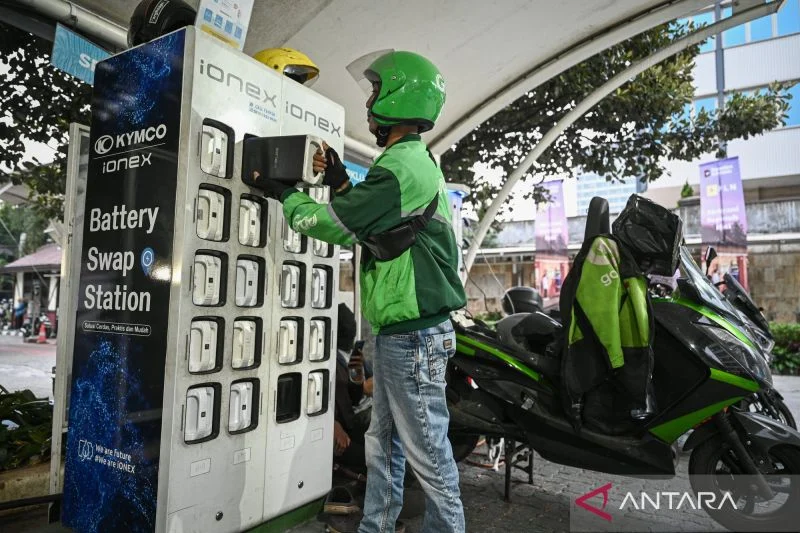
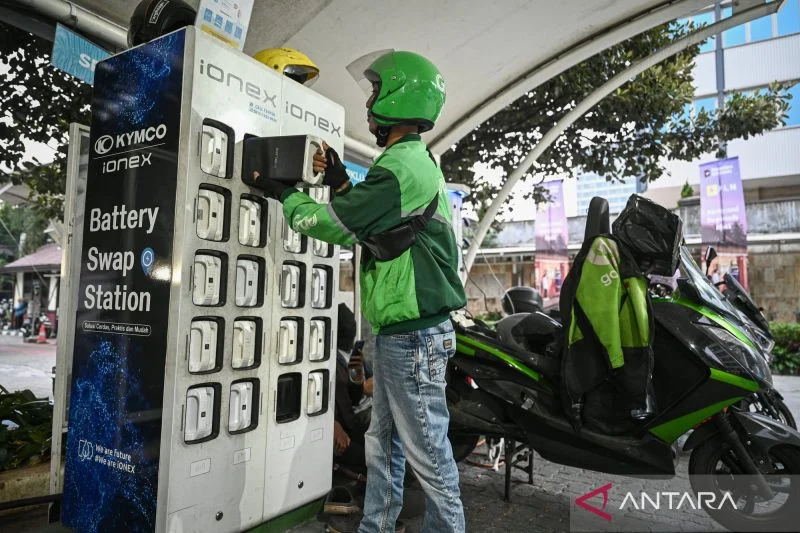
Economic analysts and transportation experts project that the battery subscription model will continue to gain traction over the next several years, particularly as battery-swapping infrastructure becomes more ubiquitous across Indonesian cities. Major energy conglomerates and independent energy startups are continuously expanding their networks of swapping cabinets, allowing subscribers to seamlessly exchange depleted batteries for fully charged units in a matter of minutes.
However, challenges remain. Standardization across different brands is a persistent hurdle. Currently, proprietary battery sizes and Electronic Control Unit (ECU) communication protocols prevent cross-brand battery swapping. A VinFast battery cannot power a Polytron or an ALVA motorcycle, meaning consumers are locked into specific brand ecosystems for the duration of their vehicle lifecycle. Industry stakeholders are under increasing pressure from consumer advocacy groups and policymakers to explore open-standard battery architectures, which could further supercharge EV adoption by offering universal swffing compatibility.
Conclusion: Making an Informed Choice
As the Indonesian electric vehicle market matures in late 2026, consumers are presented with unprecedented flexibility in how they acquire and operate personal transport. With battery subscription tariffs spanning from Rp84,000 to Rp250,000 per month across manufacturers like VinFast, Polytron, and ALVA, the financial barrier to entering the green mobility sector has never been lower.
Prospective buyers are advised to conduct a thorough cost-benefit analysis—weighing the monthly subscription fees against projected daily mileage, local charging infrastructure access, and long-term maintenance agreements—before selecting a specific brand and ownership model. By carefully navigating these choices, Indonesian commuters can successfully transition to sustainable, cost-effective, and environmentally responsible urban mobility.