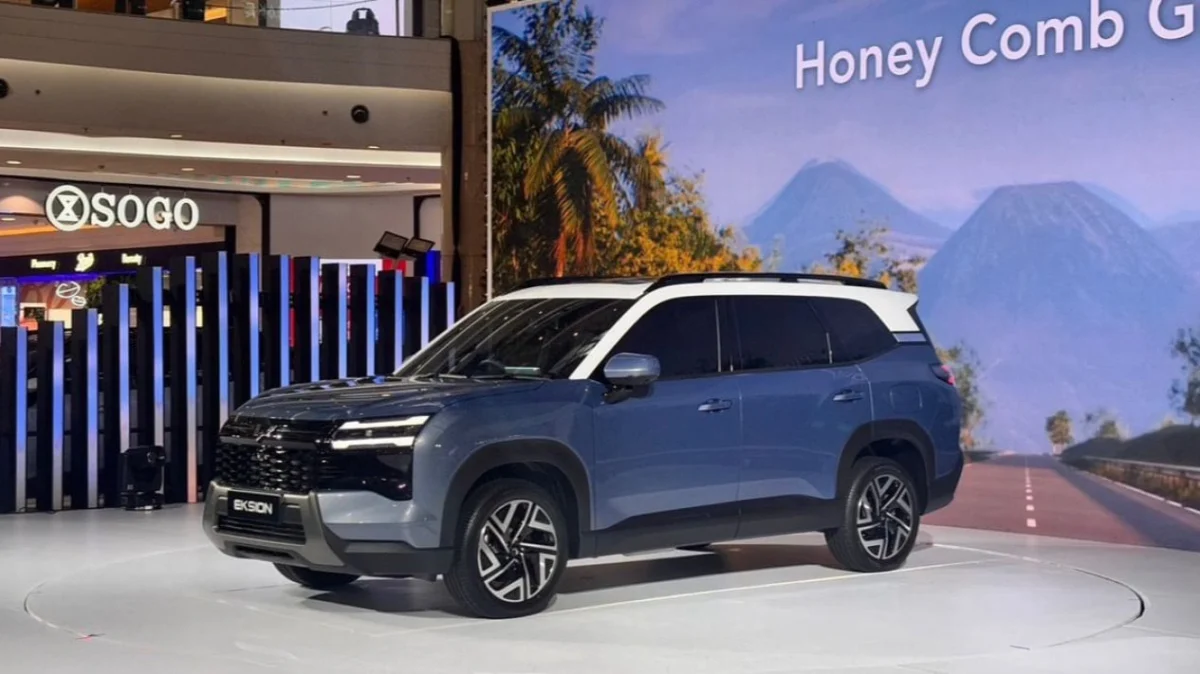
The automotive industry is currently navigating a pivotal transition toward electrification, yet for many consumers, the infrastructure for fully battery-electric vehicles (BEVs) remains a significant barrier to adoption. In this context, Plug-in Hybrid Electric Vehicles (PHEVs) are emerging as a critical bridge technology, offering the versatility of both electricity and internal combustion. A prominent example of this evolution is the recently unveiled Wuling Eksion PHEV, a seven-seater SUV designed to eliminate range anxiety while providing the efficiency of electric mobility.
As of Friday, September 18, 2026, the introduction of the Eksion PHEV in the Indonesian market underscores a shift in how manufacturers are approaching sustainable transportation for family-oriented consumers. By integrating a dual-power system, Wuling aims to cater to users who require the flexibility of a traditional combustion engine for long-distance travel, coupled with the eco-friendly, low-cost benefits of electric driving for daily commutes.
The Mechanism of Dual-Energy Mobility
At the heart of the Eksion PHEV lies the LING Power technology, a sophisticated architecture that integrates a dedicated hybrid engine, a high-output electric motor, and a Dedicated Hybrid Transmission (DHT). Unlike standard hybrids, which rely primarily on regenerative braking to charge a small battery, the PHEV system features a larger battery pack that can be replenished via external power sources, such as home charging stations or public charging kiosks (SPKLU).
This dual-source capability allows the vehicle to operate in various modes. When the battery is sufficiently charged, the vehicle functions as an electric vehicle (EV), providing silent, emission-free, and cost-effective transportation. Once the battery reaches a low state of charge, the internal combustion engine (ICE) seamlessly engages, either to power the wheels directly or to act as a generator to maintain the electric motor’s output. This transition is managed by the DHT, which constantly calculates the most efficient power delivery based on real-time driving conditions.
Strategic Versatility: The Wuling Perspective
Aji Ibrahim, Product Planning Manager at Wuling Motors, emphasizes that the development of the Eksion PHEV is a direct response to the specific needs of modern families. "The presence of the Eksion PHEV as a seven-seater SUV from Wuling provides families with the freedom to drive without constraints, whether for daily urban mobility or long-distance family excursions," Ibrahim stated.
This strategic focus on the seven-seater segment is particularly significant in the Indonesian market, where multi-purpose vehicles (MPVs) and SUVs with higher passenger capacities are the industry standard. By combining this form factor with hybrid technology, Wuling is targeting a demographic that demands practicality but is increasingly conscious of fuel consumption and environmental impact.
Technical Performance and Efficiency Metrics
The technical specifications of the Eksion PHEV reflect a balance between performance and range. According to internal testing conducted under the China Light-Duty Vehicle Test Cycle (CLTC), the vehicle can cover up to 125 kilometers on pure electric power. This distance is sufficient to cover the average daily commute for most urban residents, effectively turning the SUV into a zero-emission vehicle for the majority of its operational life.
When the gasoline engine is brought into play, the vehicle’s range expands significantly. Wuling claims a total combined range—utilizing both a full tank of fuel and a full battery charge—exceeding 1,000 kilometers. This range is competitive with conventional diesel-powered SUVs, making it a viable option for inter-city travel where charging infrastructure may be sparse.
The vehicle also offers a tiered customization approach for the driver. To manage energy consumption and driving dynamics, the system provides:
- Driving Modes: Eco, Normal, and Sport, which adjust throttle response and steering weight.
- Energy Management Modes: EV Max, EV First, Hybrid, and Fuel Priority, allowing the driver to manually dictate how and when the stored energy is utilized.
The Role of PHEVs in the Global Energy Transition
The introduction of the Eksion PHEV comes at a time when governments worldwide are tightening emissions regulations. While BEVs are the long-term goal, PHEVs serve as a necessary transitionary vehicle that reduces dependency on fossil fuels without requiring an immediate, massive overhaul of national power grids or widespread installation of fast-charging networks.
From an economic perspective, PHEVs offer a lower entry point compared to high-end, long-range BEVs. For consumers, the ability to choose between electricity and gasoline acts as a hedge against volatile fuel prices. If a user can charge at home during off-peak hours, the cost-per-kilometer drops drastically, while the gasoline engine provides a safety net for emergency travel or rural environments where public charging is non-existent.
Market Implications and Future Outlook
The launch of a model like the Eksion PHEV signals a competitive shift in the automotive landscape. As more manufacturers introduce PHEV variants, the market is likely to see increased competition, leading to faster innovation in battery density and transmission efficiency.
Furthermore, the integration of dedicated hybrid transmissions (DHT) represents a move away from the traditional continuously variable transmissions (CVTs) often found in older hybrid models. DHTs provide a more direct, responsive driving feel, which is expected to improve consumer satisfaction and dispel the myth that hybrids are sluggish or uninspired to drive.
However, the success of this technology depends on consumer education. Many buyers remain confused about the differences between Mild Hybrids (MHEV), Full Hybrids (HEV), and Plug-in Hybrids (PHEV). The industry’s challenge in the coming years will be to clarify these distinctions and highlight the specific benefits of the "plug-in" capability, which is the defining feature that allows for significant electric-only range.
Conclusion
The Wuling Eksion PHEV represents a balanced approach to the current automotive climate. By merging the comfort of a seven-seater SUV with the technological prowess of a dual-energy powertrain, the vehicle addresses the immediate concerns of fuel efficiency and range anxiety. As the automotive industry continues to evolve toward 2030 and beyond, the adoption of such flexible technologies will likely play a crucial role in reducing the overall carbon footprint of the transport sector.
For the Indonesian market, the arrival of the Eksion PHEV is more than just the addition of a new model; it is a signal that the automotive industry is prepared to meet the demands of the modern consumer—a consumer who refuses to compromise on utility, range, or environmental responsibility. With a claimed total range exceeding 1,000 kilometers, the Eksion PHEV is poised to challenge the dominance of pure combustion SUVs and set a new benchmark for what is expected from a family vehicle in the age of electrification. As testing and consumer reviews begin to surface, the real-world performance of the LING Power system will determine if this SUV can truly bridge the gap between the internal combustion past and the electric future.