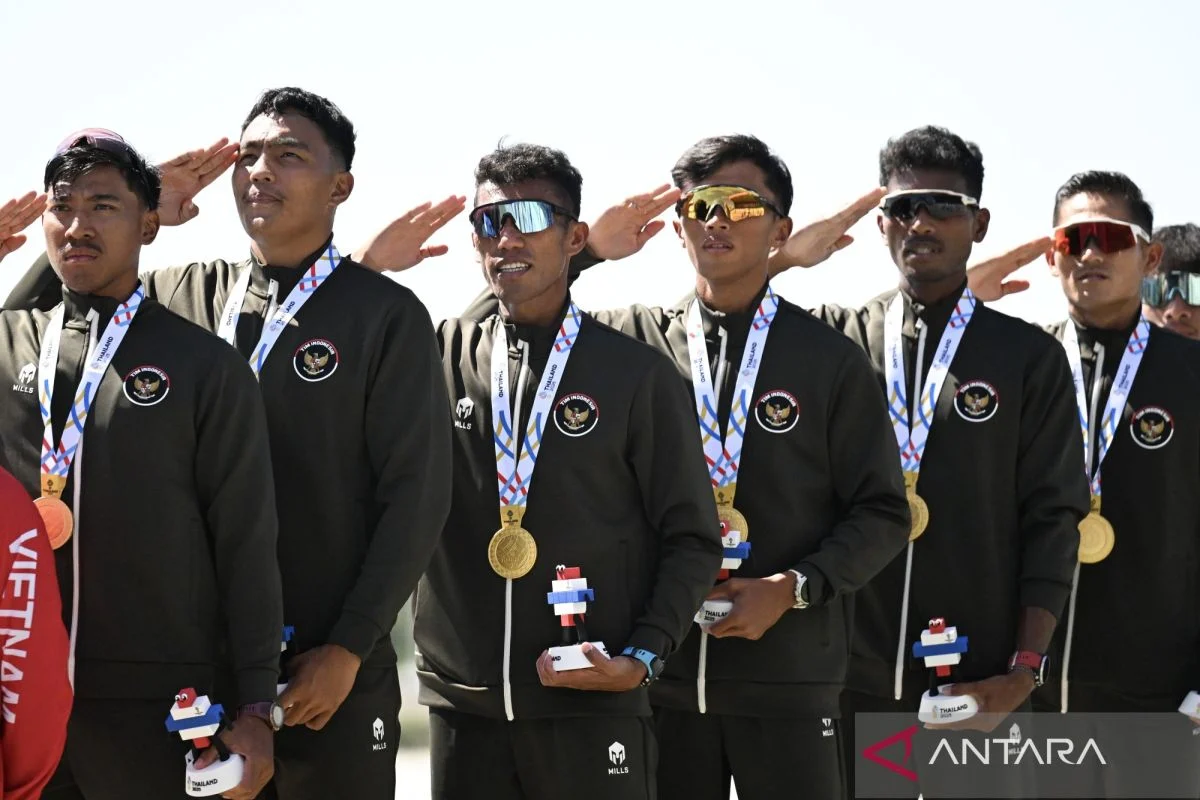
The 33rd Southeast Asian Games (SEA Games) are officially underway, hosted by Thailand from December 9 to December 20, 2025. As the premier multi-sport event in the region, the SEA Games serve not only as a crucible for athletic excellence but also as a profound instrument of diplomatic integration, cultural exchange, and regional identity. Held biennially in odd-numbered years, the event operates under the authority of the Southeast Asian Games Federation (SEAGF) and maintains close alignment with the standards set by the International Olympic Committee (IOC) and the Olympic Council of Asia (OCA).
Historical Genesis: From SEAP to SEA Games
The roots of the modern SEA Games trace back to the mid-20th century, a period defined by the nascent efforts of Southeast Asian nations to foster stability and cooperation in the wake of post-colonial transitions. The conceptual architect of this regional movement was Laung Sukhumnaipradit, the Vice President of the Thailand Olympic Committee. In 1957, Sukhumnaipradit proposed a regional sporting competition, envisioning a forum that could strengthen bonds between neighboring nations while establishing standardized athletic benchmarks similar to the Asian Games and the Olympic Games.
The foundational meetings took place in early 1958, involving representatives from Thailand, Cambodia, Vietnam, Myanmar, Laos, and Malaysia. These discussions culminated in the formal establishment of the South East Peninsular Games (SEAP Games) federation. The inaugural event was scheduled for December 1959 in Bangkok, establishing a precedent for a two-year cycle that persists to this day.
Chronology of Expansion and Integration
The trajectory of the games reflects the shifting geopolitical landscape of Southeast Asia. The inaugural SEAP Games in 1959 saw Singapore join the fold, effectively replacing Cambodia, which did not participate in the first edition. The federation’s scope widened significantly in 1975 when the committee invited Indonesia, Brunei Darussalam, and the Philippines to join. Their formal accession in 1977 marked a pivotal turning point, prompting a rebranding of the organization to the Southeast Asian Games Federation (SEAGF) and the competition to the "SEA Games."
The final piece of the regional puzzle was added in 2003 when Timor-Leste officially joined the federation. This brought the total number of participating nations to 11, solidifying the event as the most comprehensive sporting union in the ASEAN neighborhood. Over the decades, the Games have evolved from a modest regional meet into a massive logistical undertaking, requiring host nations to manage thousands of athletes, media personnel, and spectators, often acting as a testbed for the host country’s infrastructure capabilities.
The Unique Appeal of Regional Customization
A defining characteristic that distinguishes the SEA Games from the Olympic Games is the autonomy granted to the host nation regarding the selection of sports. While the Olympics adhere to a strictly regulated program, the SEA Games charter allows hosts to introduce "indigenous" or local sports. This policy serves a dual purpose: it promotes regional cultural heritage and provides host nations with a strategic advantage in the medal tally.
Examples of this policy in action are numerous. In 2003, Vietnam introduced the sport of shuttlecock kicking and Pencak Silat—a traditional martial art—to the international stage. In 2019, the Philippines integrated obstacle course racing, which saw high engagement from local audiences. Most notably, the 2023 edition in Cambodia featured "Bokator," a traditional Khmer martial art, effectively elevating the sport to regional recognition. This flexibility ensures that the SEA Games remain culturally relevant, turning the event into a showcase of the diverse identity of the ASEAN region.
The 2025 Edition: Scale and Strategic Focus
The 2025 SEA Games in Thailand represent one of the most ambitious iterations of the event, featuring 50 distinct sports. The Thai organizing committee has opted for a decentralized hosting model, distributing events across three major hubs: Bangkok, Chonburi Province, and Songkhla Province. This strategic dispersal is designed to maximize existing infrastructure utilization and stimulate regional tourism beyond the capital city.
The inclusion of 50 sports reflects the high level of investment member nations are now pouring into their national athletic programs. For countries like Indonesia, the Games are a critical benchmark for identifying talent for larger stages, such as the Asian Games and the Olympics. Recent reports from the Indonesian delegation highlight the ongoing efforts to incentivize athletes through bonuses for gold, silver, and bronze medalists, emphasizing the importance of these Games in the national sports economy.
Economic and Diplomatic Implications
The economic impact of hosting the SEA Games is multifaceted. Host nations often leverage the event to accelerate urban development, improve public transportation, and promote tourism. However, the costs are substantial. The logistical requirements of hosting thousands of athletes mean that host countries must invest heavily in specialized venues, security, and accommodation.
From a diplomatic perspective, the Games act as a "soft power" mechanism. The SEAGF meetings held alongside the competition allow for high-level dialogue between sports ministers and national Olympic committees. By fostering competition in a controlled, rules-based environment, the Games contribute to the ASEAN spirit of "Unity in Diversity."
Challenges and Future Outlook
Despite its success, the SEA Games face ongoing challenges, particularly regarding standardizing officiating and the management of doping control. As the competition becomes more intense, the pressure to secure medals has occasionally led to disputes over judging, particularly in subjective sports. The SEAGF continues to work closely with the Olympic Council of Asia (OCA) to ensure that the event remains compliant with international anti-doping protocols, ensuring the integrity of the results.
Furthermore, the environmental sustainability of the Games is becoming a topic of discussion. As Southeast Asia faces the increasing pressures of climate change, the carbon footprint of large-scale events is being scrutinized. Future editions of the SEA Games are expected to prioritize "green" logistics, reducing single-use plastics and maximizing the use of renewable energy in venue operations.
Conclusion: A Legacy of Athleticism
The SEA Games have come a long way since the vision of Laung Sukhumnaipradit in 1957. What began as a modest attempt to unify the Peninsular nations has blossomed into a vital regional institution. As Thailand hosts the 33rd edition, the focus remains on the core values of the movement: fraternity, fair play, and the celebration of human potential.
For the athletes, the Games are the pinnacle of their career-long aspirations. For the region, the event is a testament to the resilience and progress of Southeast Asian nations. As the 2025 Games draw to a close on December 20, the legacy will continue in the form of improved sporting facilities, a new generation of inspired youth, and strengthened diplomatic ties that define the ASEAN region’s trajectory for years to come. The SEA Games remain not just a competition, but a living narrative of Southeast Asian progress, continuously written by the athletes who compete under their respective flags in the spirit of collective excellence.