TEHRAN — Tensions between Iran and the United Arab Emirates have escalated sharply following high-level diplomatic friction at the United Nations, after Iranian Parliament Speaker Mohammad Baqer Qalibaf publicly accused Abu Dhabi of attempting to facilitate regional expansionism for Israel. The diplomatic fallout centers on the historic candidacy of Lana Nusseibeh, the UAE’s Minister of State and former permanent representative to the UN, who is bidding to become the next Secretary-General of the international organization.
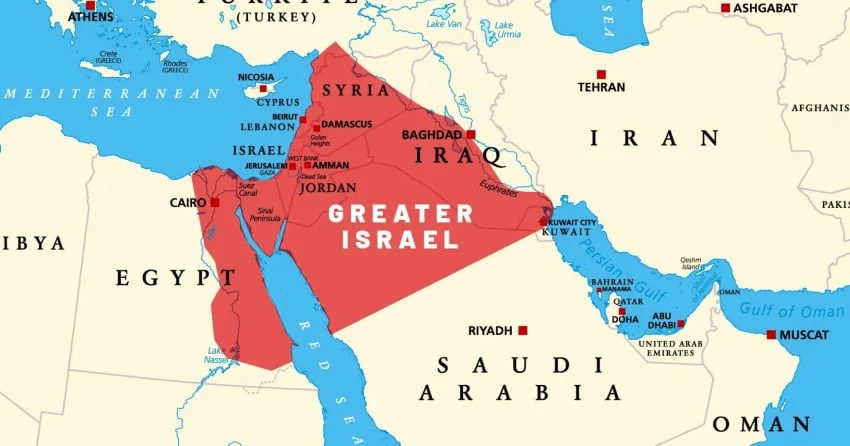
Qalibaf’s remarks, delivered via a sharply worded statement on the social media platform X, reflect deep-seated geopolitical anxieties in Tehran regarding the normalization of ties between Arab states and Israel, as well as the ongoing humanitarian catastrophe in the Gaza Strip. The Iranian parliamentary leader alleged that Nusseibeh’s campaign is not merely a bid for international prestige, but a calculated diplomatic maneuver designed to legitimize aggressive territorial ambitions often associated with the contentious "Greater Israel" concept, while simultaneously deflecting international scrutiny from the plight of Palestinians.
The Backdrop of the UN Leadership Race
The controversy erupted following the official announcement of Lana Nusseibeh’s candidacy for the United Nations’ highest office. If successful, Nusseibeh would shatter an 80-year glass ceiling, becoming the first female Secretary-General in the history of the global body. With a distinguished diplomatic career spanning over a decade as the UAE’s permanent representative to the UN, Nusseibeh brings substantial institutional experience to the role.
However, her candidacy has ignited fierce debate across the Middle East. Her professional background encompasses navigating complex geopolitical alignments, notably the implementation of the Abraham Accords—the landmark 2020 normalization agreements brokered by the United States that established formal diplomatic, economic, and security ties between Israel and several Arab nations, including the UAE. While supporters view Nusseibeh’s candidacy as a progressive step toward inclusive global leadership and effective multilateral diplomacy, critics in the "Axis of Resistance"—led by Iran—perceive her platform through the prism of normalization compromises that they argue undermine the Palestinian cause.
Tehran’s Rhetoric and the "Greater Israel" Allegations
In his public statement, Speaker Qalibaf utilized aggressive diplomatic rhetoric to characterize the UAE’s strategic objectives at the UN. He argued that the candidacy serves as a smoke screen to cover up what Tehran terms a "systematic genocide" against Palestinians in Gaza.
"Membela tragedi Gaza adalah riwayat pengalamannya; sang rubah sedang memperbarui profil LinkedIn-nya untuk melamar pekerjaan sebagai penjaga kandang ayam," Qalibaf wrote, employing a sardonic animal metaphor to suggest that a nation accused of complicity through diplomatic normalization is unsuited to arbitrate global peace and security.
Iranian officials have consistently maintained that the normalization of ties between Arab governments and Israel normalizes military occupation and emboldens right-wing political factions in Tel Aviv. The reference to "Greater Israel"—a fringe ideological concept frequently cited by critics of Israeli expansionism—was deployed by Qalibaf to frame the UAE’s diplomatic outreach as part of a grand design to reshape Middle Eastern borders at the expense of Palestinian sovereignty.
Geopolitical Implications of the Abraham Accords
To understand the severity of Tehran’s accusations, one must examine the broader geopolitical realignment that has taken place in the Middle East since the signing of the Abraham Accords in September 2020. The agreement marked a monumental shift in regional diplomacy, breaking a decades-long consensus among Arab League nations that normalization with Israel should be contingent upon the resolution of the Israeli-Palestinian conflict and the establishment of an independent Palestinian state.

For the UAE, the accords opened avenues for robust bilateral cooperation in technology, renewable energy, trade, defense, and intelligence-sharing. Abu Dhabi has consistently defended these diplomatic channels, arguing that maintaining a seat at the table with Israel allows the Emirati government to advocate directly for Palestinian interests, deliver vital humanitarian aid, and act as a moderating voice in regional crises.
Conversely, Iran and its regional proxies view the Abraham Accords as a strategic betrayal of the Palestinian people and a direct security threat to Tehran. By integrating Israel into the regional architecture, critics argue that the UAE and other signatory states are helping to construct an anti-Iran security alliance, potentially drawing the Gulf states deeper into long-term strategic competition with the Islamic Republic.
Chronology of Events
The recent war of words represents the latest chapter in a prolonged period of diplomatic sparring between Iran and the UAE:
- September 2020: The UAE and Bahrain sign the Abraham Accords in Washington, D.C., normalizing diplomatic relations with Israel, drawing immediate condemnation from Tehran.
- 2013 – 2023: Lana Nusseibeh serves as the UAE’s Permanent Representative to the United Nations, spearheading numerous humanitarian and diplomatic initiatives while defending her government’s foreign policy stances.
- Late 2023 – Present: The outbreak of the Israel-Hamas war in Gaza intensifies regional polarization. While the UAE provides extensive humanitarian aid to Gaza, it maintains its diplomatic ties with Israel, drawing sharp criticism from Iran and anti-normalization activists.
- October 2024 (Implied Timeline per source): Lana Nusseibeh officially announces her historic candidacy for the position of United Nations Secretary-General, aiming to succeed the incumbent, António Guterres, whose term faces structural expiration timelines.
- Late October 2026: Iranian Parliament Speaker Mohammad Baqer Qalibaf releases his statement on X, explicitly linking Nusseibeh’s UN candidacy to the "Greater Israel" agenda and criticizing the UAE’s record on Gaza.
Diplomatic Analysis: The Race for the UN’s Top Job
The race to succeed the UN Secretary-General is traditionally governed by complex geopolitical negotiations, regional rotation principles, and the tacit approval of the five permanent members of the UN Security Council (the P5: United States, United Kingdom, France, Russia, and China).
While the idea of a female Secretary-General has garnered widespread support from civil society organizations and numerous member states, candidates must navigate a labyrinth of geopolitical rivalries. The Middle East has rarely produced a UN Secretary-General, and a candidate from the Gulf region brings unique strategic advantages and liabilities.
Analysts suggest that Nusseibeh’s candidacy will face rigorous scrutiny not only from Iran, but from other regional actors who demand clarity on her stances regarding international law, the two-state solution, and accountability for violations of humanitarian law. While Abu Dhabi’s diplomatic corps is renowned for its professionalism and sophisticated multilateral engagement, the polarizing nature of Middle Eastern politics ensures that regional conflicts will heavily influence the global discourse surrounding the election.
Broader Fallout and Regional Stability
The verbal escalation between Tehran and Abu Dhabi underscores the fragility of diplomatic detente in the Persian Gulf. In recent years, both Iran and the UAE have made concerted efforts to repair bilateral economic and diplomatic channels, exchanging ambassadors and emphasizing regional dialogue to de-escalate tensions.
However, ideological divergences regarding the Palestinian issue and security frameworks continue to serve as major flashpoints. While economic pragmatism drives commercial cooperation between the two Gulf neighbors, ideological and strategic competition over the future security architecture of the Middle East remains fierce.
As the race for the United Nations leadership progresses, the diplomatic fallout from Iran’s accusations highlights how deeply local conflicts and regional realisms are intertwined with international institutions. Whether Nusseibeh’s candidacy can transcend regional polarization or whether it will become a recurring battleground for Middle Eastern rivalries remains one of the most closely watched storylines in contemporary international diplomacy.