
Astra Daihatsu Motor (ADM) concluded the first half of 2026 with a significant surge in retail sales, a performance directly correlated with the ongoing recovery and expansion of the national automotive market. The company’s strategic focus on affordability, efficiency, and an extensive after-sales network has evidently resonated with Indonesian consumers, allowing Daihatsu to not only increase its unit sales but also bolster its market share.
Strong June Performance Fuels Half-Year Success
In June 2026 alone, Daihatsu recorded retail sales of 12,725 units. This figure represents a substantial 27 percent increase compared to the 10,001 units sold during the same period in the previous year, June 2025. This impressive month-on-month growth underscores a positive sales trajectory for the brand.
Nationally, the Indonesian automotive market also demonstrated considerable strength in June 2026. Total retail sales reached 74,507 units, marking a healthy 19.6 percent rise from the 62,292 units registered in June 2025. This broader market uplift provided a favorable environment for all manufacturers, but Daihatsu managed to outperform the general trend, capturing a larger slice of the pie.
Market Share Expansion and Key Model Contributions
The robust sales performance in June directly contributed to an expansion of Daihatsu’s market share. The company secured 17.1 percent of the national retail sales in June 2026, an improvement from the 16.1 percent achieved in the corresponding period of the prior year. This 1 percentage point increase, while seemingly modest, signifies a significant gain in a competitive market.
Analysis of Daihatsu’s June sales reveals a clear pattern of demand driven by its established and popular models. The Gran Max Series emerged as the primary sales driver, accounting for a commanding 53 percent of total sales. This highlights the enduring demand for Daihatsu’s light commercial vehicles, likely fueled by the needs of small and medium-sized enterprises (SMEs) and the logistics sector, which have seen a resurgence in activity.
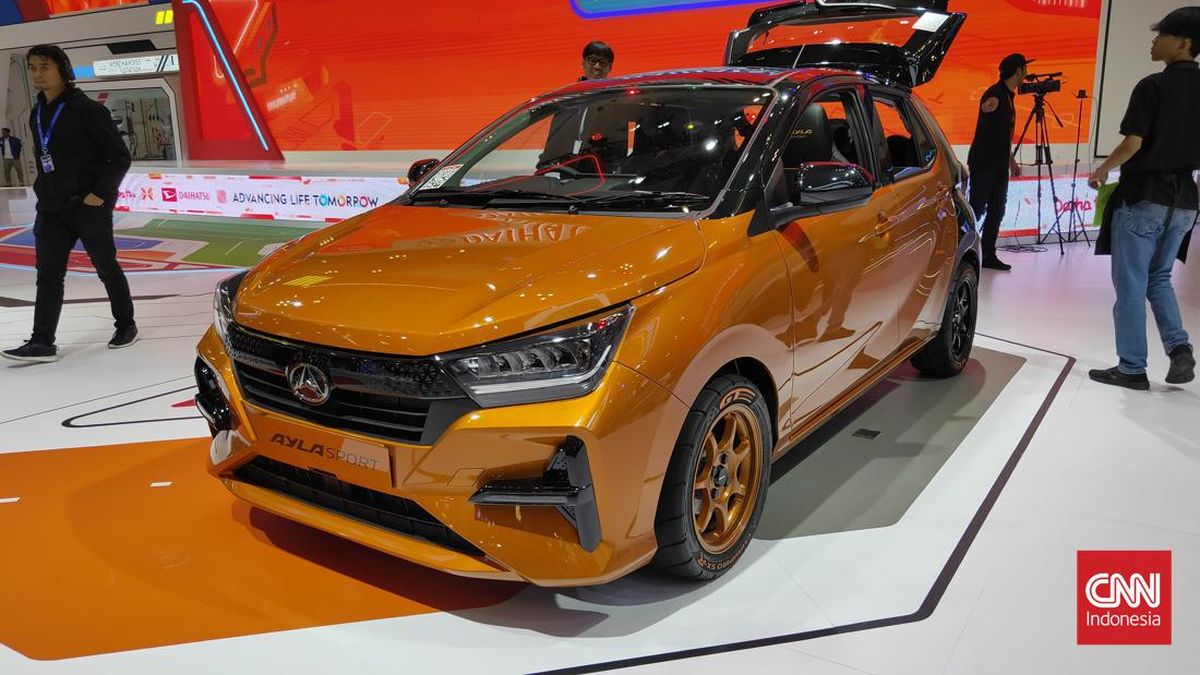
Following the Gran Max Series, Daihatsu’s low-cost green car (LCGC) offerings, the Sigra and Ayla, collectively contributed 30 percent to the total sales volume. These models have long been a cornerstone of Daihatsu’s strategy, catering to first-time car buyers and those seeking economical transportation. The continued strong performance of the LCGC segment indicates that affordability remains a critical purchasing factor for a large segment of the Indonesian population.
The Terios, Daihatsu’s compact SUV, chipped in with a respectable 10 percent of the sales. This demonstrates the brand’s ability to appeal to a slightly different demographic, seeking more ruggedness and versatility, while still maintaining a competitive price point.
The composition of these sales figures points to a clear strategic advantage for Daihatsu: its commercial vehicles and family-oriented cars are the primary pillars supporting its sales performance in Indonesia. This dual-pronged approach allows the company to tap into different market segments with distinct needs and purchasing motivations.
Dominance in the Sub-Rp300 Million Segment
Crucially, Daihatsu proudly claims to maintain its leadership position in the segment of vehicles priced below Rp300 million. This price bracket is highly significant in the Indonesian market, encompassing a vast majority of potential car buyers. This dominance is not accidental but is the result of a well-defined strategy, according to ADM’s Marketing Director & Corporate Function Director, Rokky Irvayandi.
"We are grateful to close the first semester of 2026 with an increased market share of 17.1 percent," stated Rokky Irvayandi in a formal press release issued on Monday, July 20th. "This achievement is a testament to the trust of our customers who continue to choose Daihatsu as their mobility solution."
Irjayandi elaborated on the factors contributing to this sustained leadership. He emphasized the company’s consistent strategy of offering vehicles that are not only affordable but also fuel-efficient and economical in terms of ownership costs. Furthermore, he highlighted the extensive and accessible after-sales service network as a critical element in building and maintaining customer loyalty. This comprehensive approach ensures that customers feel supported throughout their ownership journey, from the point of purchase to routine maintenance and repairs.
Future Outlook and Commitment to Customer Needs
Looking ahead, Daihatsu remains committed to its customer-centric approach. The company intends to continue developing and introducing products that precisely align with the evolving needs and preferences of the Indonesian public. This proactive product development strategy, coupled with a continuous effort to enhance the accessibility and efficiency of its sales and after-sales services, is expected to solidify Daihatsu’s position in the market.
"Moving forward, we will continue to present products that suit the needs of the Indonesian people, supported by sales and after-sales services that are increasingly accessible, so that Daihatsu can continue to provide the best value for customers," Irjayandi added. This forward-looking statement indicates a dedication to innovation and service improvement, aiming to maintain the momentum generated in the first half of 2026.
Contextualizing Daihatsu’s Performance within the Indonesian Auto Market
The Indonesian automotive market has historically been a key growth engine for Southeast Asia. Several factors contribute to its dynamism: a large and young population, a growing middle class with increasing disposable income, and a government that often supports the automotive industry through various incentives and policies.
The period of 2025-2026 has seen a gradual but steady recovery in consumer confidence and economic activity following potential global or regional economic fluctuations. The automotive sector, being a significant indicator of consumer spending power, has been closely watched. A rise in vehicle sales generally reflects a healthier economy.
Timeline of Key Developments (Illustrative based on article data):
- Mid-2025: Indonesian automotive market shows signs of recovery, with June 2025 retail sales at 62,292 units. Daihatsu’s market share stands at 16.1 percent.
- Late 2025 – Early 2026: Economic conditions stabilize, consumer confidence improves, and the automotive market gears up for growth.
- June 2026: Daihatsu records strong retail sales of 12,725 units, a 27% year-on-year increase. The national market sees sales of 74,507 units, up 19.6% year-on-year.
- End of First Half 2026: Daihatsu’s market share climbs to 17.1 percent, reflecting successful product strategies and market penetration.
- July 20, 2026: ADM releases official statement on its H1 2026 performance, highlighting key sales drivers and future commitments.
Analysis of Implications
Daihatsu’s sustained success in the sub-Rp300 million segment is particularly noteworthy. This segment is often characterized by intense competition, with multiple brands vying for market share. Daihatsu’s ability to maintain leadership suggests a strong brand perception for value and reliability in this price-conscious category. The dominance of the Gran Max Series in their sales figures also indicates the resilience and importance of the commercial vehicle sector to the Indonesian economy, supporting the livelihoods of many individuals and businesses.
The company’s focus on affordability, coupled with a robust after-sales network, is a textbook strategy for emerging markets. It addresses the practical concerns of consumers, ensuring that vehicle ownership is not just a purchase but a long-term, manageable investment. This approach builds loyalty and can insulate the brand from the more volatile fluctuations seen in premium market segments.
The reported increase in market share, even by a single percentage point, translates into a significant number of additional vehicles sold and a stronger competitive standing. This can lead to increased production volumes, potential job creation within the manufacturing and supply chain, and greater bargaining power with suppliers.
Furthermore, Daihatsu’s commitment to developing products aligned with local needs suggests a deep understanding of the Indonesian consumer. This localized approach is often more effective than simply transplanting global product strategies. It allows the company to anticipate market trends and respond proactively to changing consumer preferences, such as the growing demand for fuel-efficient and environmentally conscious vehicles, which the LCGC segment inherently addresses.
As the Indonesian automotive market continues its recovery and expansion, Daihatsu appears well-positioned to capitalize on these trends. Its established strengths in key segments, combined with a forward-looking strategy focused on customer value and accessibility, provide a solid foundation for continued growth and market leadership. The company’s performance in the first half of 2026 serves as a strong indicator of its enduring appeal and strategic acumen in one of Asia’s most dynamic automotive landscapes.