JAKARTA – PT Blue Bird Tbk, Indonesia’s leading taxi operator, is set to significantly enhance its service offerings and reinforce its commitment to sustainable urban mobility with the official launch of Bluebird Prime. Scheduled for Friday, July 17, 2026, this new service tier is meticulously designed to cater to a burgeoning segment of urban commuters who seek elevated comfort and spaciousness in their daily travels or for special occasions, without venturing into the premium pricing bracket of its luxury Silverbird fleet. The strategic introduction of Bluebird Prime underscores the company’s agile response to the dynamic shifts in urban mobility patterns, where discerning customers increasingly prioritize convenience, space, and environmental consciousness in their transportation choices.
Background: Blue Bird’s Enduring Legacy and Evolving Landscape
For over five decades, Blue Bird Group has been an indelible part of Indonesia’s urban fabric, synonymous with reliable, safe, and professional transportation. Established in 1972, the company pioneered metered taxi services in Jakarta, building a formidable reputation based on its commitment to service quality and operational excellence. Its iconic blue taxis have become a ubiquitous sight across major Indonesian cities, ferrying millions of passengers annually.
However, the dawn of the 21st century brought about a seismic shift in the transportation industry, particularly with the advent and rapid proliferation of ride-hailing applications like Gojek and Grab. These digital platforms disrupted traditional taxi models, introducing new levels of convenience, dynamic pricing, and a broader array of service options. Blue Bird, a venerable institution, was compelled to adapt swiftly to remain competitive and relevant. This adaptation included significant investments in technology, most notably the development of its MyBluebird application, which integrated seamlessly with its traditional call center and street-hailing services. The company also diversified its offerings, maintaining its core Bluebird taxi service, expanding its luxury Silverbird fleet, and introducing other mobility solutions like Goldenbird car rentals and logistics services.
The launch of Bluebird Prime represents a logical next step in this evolutionary journey, reflecting a deep understanding of customer segmentation and unmet needs within the urban mobility spectrum. It bridges a critical gap that has emerged as urbanites’ expectations for comfort and vehicle quality have risen, influenced partly by the diverse vehicle types offered by ride-hailing platforms.
The Genesis of Bluebird Prime: A Customer-Centric Innovation
Andre Djokosoetono, President Director of PT Blue Bird Tbk, emphasized that the genesis of Bluebird Prime was rooted firmly in extensive customer feedback and data analysis. "Mobility, especially for residents of large cities, has changed," Djokosoetono stated during the announcement in Jakarta. "Based on the data and voices we’ve received, customers aren’t just looking for more comfort every day; sometimes there are special moments or specific travel needs that demand an extra level of comfort and space. That’s precisely the need we are addressing with Bluebird Prime."
This insight highlights a crucial demographic: individuals and families who desire a more comfortable and spacious ride than a standard sedan but find the premium pricing of a luxury service like Silverbird (which typically uses high-end sedans or SUVs) to be excessive for regular use or even many special occasions. Bluebird Prime is strategically positioned to capture this "sweet spot," offering an enhanced experience at a more accessible price point. The service is projected to be priced approximately 10 to 20 percent higher than regular Bluebird taxis, significantly lower than Silverbird fares, ensuring it remains an attractive and affordable upgrade for a broad customer base. This tiered pricing strategy allows Blue Bird to offer greater flexibility and choice, reinforcing its position as a comprehensive mobility solutions provider.
Fleet and Technology: A Dual Approach to Low-Emission Mobility
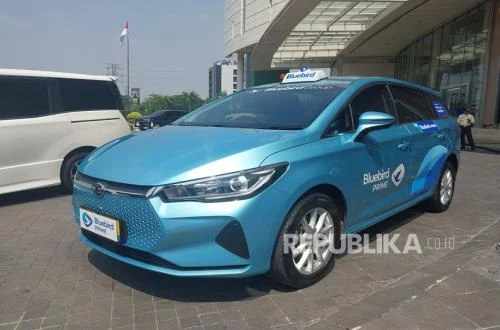
A cornerstone of the Bluebird Prime service is its cutting-edge, low-emission fleet, featuring a combination of hybrid electric vehicles (HEV) and battery electric vehicles (BEV). The service will deploy the Toyota Kijang Innova Zenix Hybrid EV and the BYD E6, signaling Blue Bird’s continued leadership in adopting sustainable transportation technologies in Indonesia.
The Toyota Kijang Innova Zenix Hybrid EV, a highly popular multi-purpose vehicle (MPV) in the Indonesian market, was a deliberate choice for its renowned cabin comfort, spacious interior, and advanced hybrid technology. The Zenix Hybrid EV offers passengers generous legroom and ample luggage capacity, making it ideal for families, business travelers carrying equipment, or individuals seeking a more relaxed journey. Its hybrid powertrain combines a conventional gasoline engine with an electric motor, delivering superior fuel efficiency compared to traditional internal combustion engine vehicles and significantly reducing carbon emissions. This choice aligns perfectly with Blue Bird’s environmental objectives and the broader push for cleaner air in urban centers.
Complementing the Innova Zenix Hybrid EV, the BYD E6 is a pure battery electric vehicle known for its exceptionally spacious cabin, silent operation, and zero tailpipe emissions. The E6 further underscores Blue Bird’s commitment to a fully electric future, offering a premium, eco-friendly experience. Its large battery capacity provides a substantial range, making it suitable for extensive urban travel without frequent recharging.
Andre Djokosoetono elaborated on the selection criteria: "The choice of the Toyota Kijang Innova Zenix Hybrid EV was based on its cabin comfort, fuel efficiency, and lower emissions through hybrid technology. Every development and innovation at Bluebird always starts with listening to our customers."
Currently, the Bluebird Prime fleet comprises approximately 300 units of the Toyota Kijang Innova Zenix Hybrid EV, all of which will operate initially in Jakarta. Additionally, Blue Bird possesses hundreds of BYD E6 units, bringing the total Bluebird Prime fleet of electric and hybrid vehicles to around 750 units at launch. This substantial investment in green technology positions Blue Bird as a key player in Indonesia’s transition to sustainable transportation.
Strategic Rollout and Ecosystem Integration
The launch of Bluebird Prime will see a strategic geographical rollout. In Jakarta, both the Toyota Kijang Innova Zenix Hybrid EV and BYD E6 will be available. For other major cities such as Bandung, Surabaya, Medan, and Bali, the service will initially utilize the BYD E6, capitalizing on its all-electric capabilities and suitability for diverse urban environments. This phased approach allows Blue Bird to optimize its fleet deployment and gather valuable operational data from different markets.
Beyond catering to enhanced comfort needs, Bluebird Prime is also designed to seamlessly integrate into Blue Bird’s broader multimodal mobility ecosystem. Djokosoetono highlighted its role in complementing mass transit systems. "This program complements comfortable mass transportation for everyone. We are here to fulfill first-mile, last-mile needs, as well as journeys requiring more comfort," he explained. This emphasizes Blue Bird’s vision of acting as a crucial connective tissue within urban transport networks, providing convenient and comfortable options for passengers connecting to or from public transportation hubs.
Customers can access Bluebird Prime through multiple convenient channels, maintaining Blue Bird’s signature accessibility. Bookings can be made via the popular MyBluebird application by selecting the "Bluebird Prime" category, through the company’s established call center, at official Bluebird taxi stands, or even by hailing an available Bluebird Prime vehicle directly on the street. This multi-channel approach ensures maximum reach and convenience for passengers, catering to both planned journeys and spontaneous travel needs.
Official Responses and Broader Implications
The introduction of Bluebird Prime and its focus on low-emission vehicles has garnered significant positive attention from governmental and industry stakeholders.
Pramono Anung, the Governor of DKI Jakarta, lauded Blue Bird’s initiative, aligning it with the provincial government’s ambitious sustainability agenda. "Jakarta continues to push for a transportation system that is not only safe and comfortable but also sustainable," Governor Anung stated. "Blue Bird’s step in expanding the use of low-emission fleets is a tangible contribution to supporting efforts to reduce carbon emissions and achieve better air quality for the community." Jakarta has been grappling with persistent air quality challenges, and initiatives that promote electric and hybrid vehicle adoption are critical components of its long-term environmental strategy. Blue Bird’s commitment, therefore, represents a significant private sector contribution to public environmental goals.
Bansar Maduma, Marketing Director of PT Toyota-Astra Motor (TAM), also expressed enthusiasm for the collaboration. "The collaboration with Bluebird through the use of the Toyota Kijang Innova Zenix Hybrid EV is expected to provide a more comfortable travel experience while supporting low-emission mobility," Maduma remarked. This partnership underscores the growing synergy between automotive manufacturers and transportation service providers in driving the adoption of sustainable vehicle technologies. For Toyota, it presents an opportunity to showcase the environmental and performance benefits of its hybrid technology in a high-utilization commercial fleet setting, further validating its market appeal.
From an industry perspective, Bluebird Prime is likely to intensify competition within the premium-comfort segment of the ride-hailing and taxi market. While traditional ride-hailing apps offer various vehicle types, a dedicated "Prime" service with a consistent fleet of new, spacious, and low-emission vehicles provides a distinct value proposition. This could prompt competitors to re-evaluate their own service tiers and fleet strategies, potentially leading to a broader improvement in vehicle quality and comfort across the industry.
Environmentally, the deployment of 750 hybrid and electric vehicles by a major transportation provider like Blue Bird is a significant step towards decarbonizing urban transport. It contributes directly to reducing tailpipe emissions, mitigating air pollution, and lowering the carbon footprint of daily commutes. This move also serves as a strong signal to consumers and other businesses about the viability and benefits of transitioning to greener fleets, potentially accelerating the overall adoption of EVs and hybrids in Indonesia.
Economically, the investment in a new fleet represents substantial capital expenditure, supporting the automotive industry and the ecosystem around EV charging and maintenance. It also reinforces Blue Bird’s long-term business strategy, positioning it for continued growth and market leadership in an increasingly environmentally conscious consumer landscape.
Future Outlook: A Blueprint for Sustainable Growth
Bluebird Prime is more than just a new service; it is a testament to Blue Bird’s enduring commitment to innovation, customer satisfaction, and sustainability. By continuously listening to its customers and proactively investing in advanced, low-emission technologies, Blue Bird is not only adapting to the future of urban mobility but actively shaping it.
The launch of Bluebird Prime solidifies Blue Bird’s multimodal ecosystem, offering a spectrum of choices from economical regular taxis to luxury premium services, now with an enhanced comfort option in between. This comprehensive approach aims to ensure that Blue Bird remains the preferred mobility partner for all segments of society, supporting their diverse travel needs with safety, reliability, professionalism, and now, an even greater emphasis on comfort and environmental responsibility. As urban populations continue to grow and environmental concerns mount, initiatives like Bluebird Prime will be crucial in building smarter, greener, and more livable cities for the future.