Indonesia’s national processing industry, a pivotal engine of the archipelago’s economic growth, maintained its robust performance in the second quarter of 2026, signaling continued resilience and expansion. This positive trajectory is underscored by the Bank Indonesia (BI) report, which highlights a sustained growth momentum, with projections indicating an even stronger outlook for the third quarter of the year. The central bank’s Prompt Manufacturing Index (PMI-BI) remained firmly in the expansionary phase, a testament to the sector’s vitality amidst evolving domestic and global economic landscapes.
Sustained Expansion in Q2 2026: A Deep Dive into PMI-BI
Bank Indonesia’s latest assessment reveals that the manufacturing sector registered a PMI-BI score of 51.43 in the second quarter of 2026. This figure, significantly above the critical 50-point threshold, unequivocally confirms that the sector remained in an expansionary mode. The PMI-BI is a crucial barometer, reflecting the sentiment and activity levels within the manufacturing industry based on surveys conducted among industry players. A reading above 50 indicates growth, while a score below 50 suggests contraction. The sustained expansionary phase is a welcome sign for policymakers and investors alike, indicating healthy demand and production dynamics within the economy.
Ramdan Denny Prakoso, Executive Director and Head of BI’s Communications Department, affirmed that the majority of the components underpinning the PMI-BI index continued to show expansion. These key indicators include the Volume of Production, Volume of Finished Goods Inventory, and Volume of Total Orders. The expansion in production volume signifies that manufacturers are actively increasing output to meet market demand, reflecting confidence in future sales. A healthy volume of finished goods inventory, managed appropriately, suggests efficient supply chain operations and readiness to fulfill orders. Crucially, the growth in total orders indicates strong demand from both domestic and international markets, providing a solid foundation for continued operational activity and investment. "Consequently, the performance of the manufacturing industry in the second quarter of 2026 remained robust and firmly within the expansion phase," Ramdan stated in an official release on Friday, July 17.
Key Drivers of Growth
The sustained expansion in the second quarter was not uniform across all subsectors but rather concentrated in several high-performing segments. The highest growth was observed in the Machinery and Equipment Industry, indicating a potential surge in capital expenditure by businesses across various sectors, or increased demand for industrial machinery driven by infrastructure projects and technological upgrades. This subsector’s strength often serves as a leading indicator for broader economic investment trends.
Following closely were the Food and Beverage Industry, the Basic Metal Industry, and the Non-Metallic Mineral Goods Industry. The resilience of the Food and Beverage sector is often attributed to stable domestic consumption, which typically remains robust even during periods of economic uncertainty. Indonesia’s large population and growing middle class provide a consistent demand base for processed food and beverage products. The strong performance of the Basic Metal Industry, including iron and steel production, points to ongoing construction activity, both in public infrastructure and private property development. Similarly, the Non-Metallic Mineral Goods Industry, encompassing cement, ceramics, and glass, directly benefits from sustained construction and infrastructure development programs, which have been a cornerstone of the Indonesian government’s economic strategy. The combined strength of these subsectors underscores a broad-based recovery and expansion across critical segments of the Indonesian economy.
Broader Economic Context and Government Initiatives
The robust performance of Indonesia’s manufacturing sector in Q2 2026 does not occur in isolation but is deeply intertwined with the broader economic context and strategic government policies. Manufacturing is a cornerstone of the Indonesian economy, historically contributing between 18-20% to the national Gross Domestic Product (GDP) and employing a significant portion of the workforce. Its health is therefore critical for overall economic stability and prosperity.
Manufacturing’s Role in National Development
For decades, Indonesia has aimed to transform its economy from one reliant on raw commodity exports to a more industrialized and value-added structure. The manufacturing sector is central to this ambition, fostering job creation, driving technological adoption, and enhancing export competitiveness. A thriving manufacturing base helps to diversify the economy, reduce reliance on volatile commodity prices, and create a more resilient economic framework. The sustained expansion evidenced by the PMI-BI indicates that these long-term strategic goals are bearing fruit, reflecting successful efforts to attract investment and improve the business environment. In 2025, for example, the manufacturing sector contributed approximately 19.5% to Indonesia’s GDP, a slight increase from previous years, and provided employment to over 18 million people, highlighting its immense socioeconomic impact.
Policy Support and "Making Indonesia 4.0"
The Indonesian government has actively pursued policies to bolster the manufacturing sector, most notably through its "Making Indonesia 4.0" roadmap. Launched in 2018, this initiative aims to revitalize the industry by embracing advanced technologies such as artificial intelligence, the Internet of Things, robotics, and big data analytics. The goal is to enhance productivity, efficiency, and competitiveness on a global scale. Investment incentives, tax holidays, and simplified licensing procedures have also been implemented to attract both domestic and foreign direct investment into strategic manufacturing industries. The sustained PMI-BI expansion can be partly attributed to the positive impact of these policies, which have created a more conducive environment for industrial growth and innovation. Furthermore, the government’s consistent focus on infrastructure development, including roads, ports, and industrial estates, has reduced logistics costs and improved connectivity, directly benefiting manufacturing operations.
Globally, the period leading up to 2026 has seen a gradual recovery from various geopolitical and economic disruptions, though challenges like supply chain adjustments and inflationary pressures persist. Indonesia’s ability to maintain manufacturing expansion suggests a degree of resilience and strategic positioning within the global value chain. The country has actively sought to attract multinational companies looking to diversify their production bases away from traditional hubs, leveraging its large domestic market, abundant natural resources, and growing skilled labor pool.
Optimistic Outlook: Q3 2026 Projections
Looking ahead, Bank Indonesia projects an even stronger performance for the manufacturing sector in the third quarter of 2026. The PMI-BI is anticipated to rise further to 52.32, indicating an acceleration of the expansionary trend. This optimistic forecast is based on the continued strength of key components that drive manufacturing activity. Ramdan explained that this projected strengthening will primarily be supported by an anticipated increase in the Volume of Production, Volume of Finished Goods Inventory, and Volume of Total Orders.
Anticipated Growth Factors
The forecasted increase in production volume suggests that manufacturers expect higher demand, possibly driven by seasonal factors (e.g., year-end holiday preparations or specific agricultural cycles), sustained domestic consumption, or a boost in export orders. An uptick in finished goods inventory could reflect strategic stocking ahead of anticipated demand spikes or improved logistical capabilities. The continued rise in total orders remains the most significant indicator of future activity, signaling strong market confidence and a healthy demand pipeline for manufactured goods. "In the third quarter of 2026, the performance of the manufacturing industry is projected to improve and remain firmly in the expansion phase," BI stated, reinforcing its positive outlook.
Evolving Subsectoral Leadership
While some leading subsectors are expected to maintain their strong performance, the third quarter projections also highlight an interesting shift in leadership among the top-performing industries. The Machinery and Equipment Industry is once again projected to record the highest index, reinforcing the narrative of sustained investment and industrial modernization. This indicates continued demand for capital goods across various sectors, from agriculture to high-tech manufacturing.
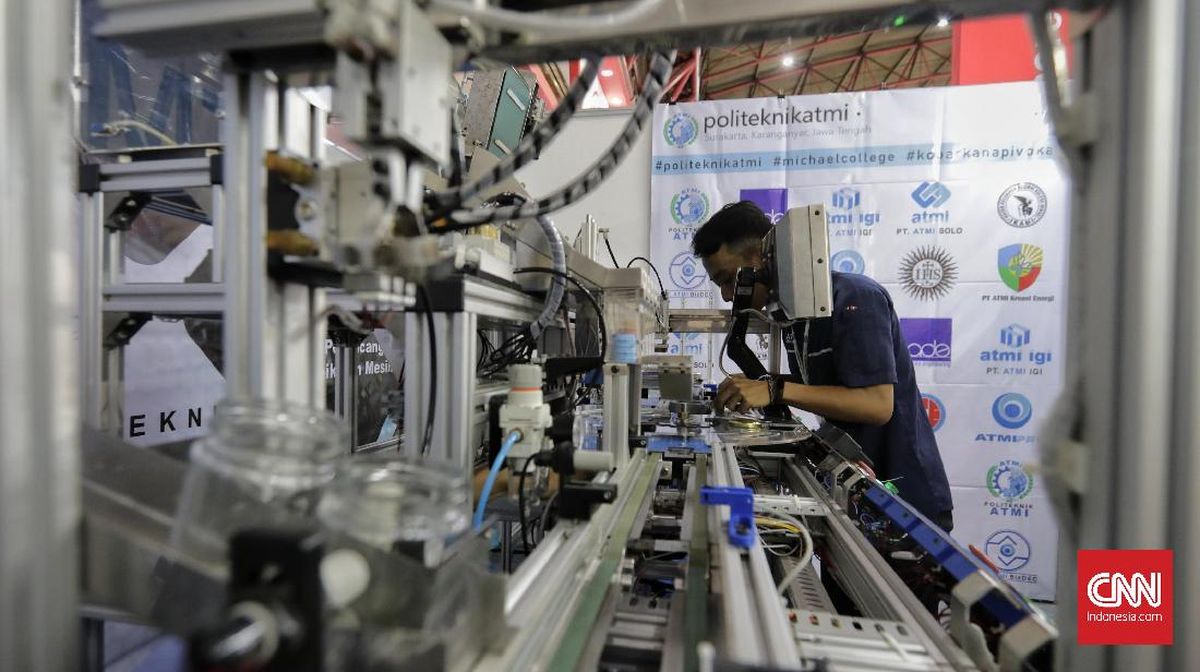
Joining the ranks of top performers are the Tobacco Processing Industry, the Basic Metal Industry, and the Transportation Equipment Industry. The inclusion of the Tobacco Processing Industry could be attributed to seasonal demand patterns or specific market developments, as it remains a significant contributor to the national economy and employment. The Basic Metal Industry’s continued strength reinforces the ongoing demand for raw materials in construction and other manufacturing processes. The emergence of the Transportation Equipment Industry among the highest projected performers is particularly noteworthy. This could be fueled by increasing domestic demand for vehicles (both passenger and commercial), government procurement for public transportation projects, or a surge in export opportunities for automotive components and finished vehicles, especially as global supply chains continue to reconfigure. The government’s push for electric vehicle (EV) manufacturing and assembly in Indonesia could also be a significant factor, attracting new investments and boosting local production capacities.
Expert and Industry Reactions
The consistently positive reports from Bank Indonesia regarding the manufacturing sector’s performance have generally been met with cautious optimism by economists and industry stakeholders.
Bank Indonesia’s Stance
Bank Indonesia, in its role as the central bank, views a robust manufacturing sector as essential for maintaining economic stability and achieving sustainable growth targets. The sustained expansion provides a favorable backdrop for monetary policy decisions, suggesting healthy underlying demand that can absorb interest rate adjustments if needed to manage inflation. BI’s commitment extends beyond just monitoring; it also involves macro-prudential policies aimed at ensuring financial sector stability to support industrial investment and growth. Governor of Bank Indonesia, Perry Warjiyo, while not quoted directly in the original snippet, would likely emphasize the importance of maintaining a conducive investment climate, stable inflation, and resilient financial markets to ensure the manufacturing sector’s continued upward trajectory. He might also highlight BI’s role in facilitating digital transformation within the industry, aligning with the "Making Indonesia 4.0" initiative.
Industry Perspectives
Industry associations, such as the Indonesian Chamber of Commerce and Industry (KADIN) and the Indonesian Employers Association (APINDO), typically welcome such positive data. These organizations often use such reports to advocate for continued government support, including further deregulation, improved infrastructure, and skill development programs. For instance, a representative from KADIN might commend the government’s consistent efforts in creating an attractive investment climate, which has clearly resonated with manufacturers. They might also stress the importance of addressing persistent challenges such as the availability of skilled labor, the cost of logistics, and global trade uncertainties to ensure that the expansion remains sustainable in the long run. A spokesperson from APINDO could emphasize the positive impact on employment generation and the need for continued collaboration between the government and the private sector to leverage technological advancements and expand export markets.
Implications for the Indonesian Economy
The sustained expansion and optimistic projections for Indonesia’s manufacturing sector carry significant implications for the broader economy.
Contribution to GDP and Employment
A healthy manufacturing sector is a direct contributor to GDP growth. The projected acceleration in Q3 2026 suggests that manufacturing will continue to be a primary driver of Indonesia’s overall economic expansion. This growth translates into tangible benefits for the populace through job creation. As factories increase production and open new lines, demand for both skilled and semi-skilled labor rises, helping to reduce unemployment rates and improve household incomes. For instance, if the sector continues its current growth trajectory, it could add hundreds of thousands of new jobs annually, significantly impacting the livelihoods of Indonesian families and strengthening domestic consumption.
Investment Landscape and Export Competitiveness
Robust manufacturing performance acts as a magnet for both domestic and foreign direct investment (FDI). Investors are attracted to sectors showing consistent growth and stability, signaling a favorable return on capital. Increased investment, in turn, fuels further expansion, technological upgrades, and capacity building, creating a virtuous cycle. Furthermore, a strong manufacturing base enhances Indonesia’s export competitiveness. By producing higher-value manufactured goods, Indonesia can reduce its reliance on raw commodity exports and command better prices in international markets, improving its trade balance and strengthening its position in global supply chains. The diversification of manufactured exports, especially in high-tech and value-added products, is crucial for long-term economic resilience. In 2025, manufactured goods accounted for approximately 75% of Indonesia’s total non-oil and gas exports, a figure that is expected to grow with the current momentum.
Potential Challenges and Future Strategies
While the outlook is overwhelmingly positive, the manufacturing sector in Indonesia, like any other, faces potential headwinds and requires strategic foresight to ensure sustainable growth.
Navigating Global Headwinds
Global economic volatility, including potential slowdowns in major trading partners, geopolitical tensions, and fluctuations in commodity prices, could impact demand for Indonesian manufactured goods and the cost of raw materials. Disruptions to global supply chains, though somewhat normalized post-pandemic, remain a risk. To mitigate these risks, Indonesia must continue to diversify its export markets and strengthen regional trade agreements. Furthermore, the global push towards sustainability and green manufacturing could present both challenges and opportunities. Indonesian manufacturers will need to invest in cleaner technologies and sustainable practices to meet international standards and maintain market access.
Domestic Imperatives for Sustainable Growth
Domestically, challenges include ensuring a continuous supply of skilled labor to match the demands of an increasingly sophisticated manufacturing sector. Investments in vocational training and higher education, aligning curricula with industry needs, are crucial. Energy costs and logistics efficiency also remain important considerations for manufacturers. Continued investment in infrastructure development, particularly inter-island connectivity and energy infrastructure, will be vital to reduce operational costs and enhance competitiveness. Moreover, maintaining a stable regulatory environment and fighting corruption will be key to sustaining investor confidence and ensuring fair competition. The government’s consistent commitment to these areas will be paramount in translating the current positive momentum into long-term, inclusive economic development.
Conclusion
The sustained expansion of Indonesia’s manufacturing sector in the second quarter of 2026, coupled with optimistic projections for the third quarter, underscores its resilience and vital role in the national economy. Driven by strong domestic demand, strategic government initiatives, and a favorable investment climate, the sector is well-positioned for continued growth. The positive PMI-BI readings and the performance of key subsectors are clear indicators that Indonesia’s industrialization efforts are yielding tangible results. As the nation navigates a complex global economic landscape, a robust and dynamic manufacturing sector will remain instrumental in driving GDP growth, creating employment, attracting investment, and enhancing Indonesia’s competitive standing on the international stage. The focus must now remain on consolidating these gains, addressing nascent challenges, and fostering an environment conducive to even greater innovation and productivity in the years to come.