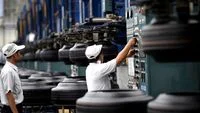
Karawang, Indonesia – PT Gajah Tunggal Tbk, a leading tire manufacturer in Indonesia, has announced its strategic approach to managing a significant surge in production costs, which began in early 2023, without immediately passing the full burden onto consumers. The company is emphasizing a delicate balance between internal cost pressures and external market dynamics, including consumer purchasing power and competitive landscapes, before implementing any price adjustments for its extensive range of tires.
Elly Pudjiati, General Manager of Domestic Sales Replacement at PT Gajah Tunggal Tbk, elaborated on the company’s philosophy during a press briefing in Karawang, West Java, on Thursday, July 23rd. She acknowledged that the escalating prices of raw materials present a considerable challenge for the entire tire industry. However, Pudjiati stressed that these cost factors are not the sole determinants of their pricing strategy.
"While there are indeed investments driven by raw material costs, this is not the most critical consideration," Pudjiati stated. "If we are to increase prices, we must first understand our product’s position relative to our competitors. A price hike without careful consideration of the market can alienate customers and negatively impact sales volume."
This measured approach underscores Gajah Tunggal’s commitment to its extensive network of distributors and business partners. The company recognizes that the sustainability of their business is intrinsically linked to the health of the broader supply chain. Therefore, pricing policies are formulated not only based on internal financial considerations but also on the market’s capacity to absorb product prices.
"We at PT Gajah Tunggal do not make pricing decisions solely based on what is happening internally," Pudjiati explained. "Our responsibility extends to ensuring the continuity of our distributors’ businesses. Therefore, we must assess the market’s ability to absorb our products at various price points."
Pudjiati indicated that any price adjustments that may occur are carefully calibrated and remain within defined limits. She expressed confidence in the stability of their market share, asserting that Gajah Tunggal continues to be a trusted brand for tire components. The company has successfully positioned itself among the top three best-selling tire brands domestically.
"The passenger car segment remains stable for us, even as we have made some price adjustments," she noted. "Considering that raw material costs have increased significantly, even reaching double-digit percentages, we have not mirrored this with a double-digit price increase. There are numerous other factors we take into account."
The company’s confidence in its market standing is further bolstered by its perception of tires as a crucial investment in vehicle safety. This perspective influences their marketing and product development strategies, aiming to provide value beyond mere functionality.
Anticipating Future Demand: New Product Launch at GIIAS 2026
Looking ahead, PT Gajah Tunggal is gearing up for the launch of a new tire model, the GitiXcursion RT, at the Gaikindo Indonesia International Auto Show (GIIAS) 2026. This strategic move signals the company’s commitment to innovation and its intent to cater to evolving consumer needs, particularly within the burgeoning SUV segment.
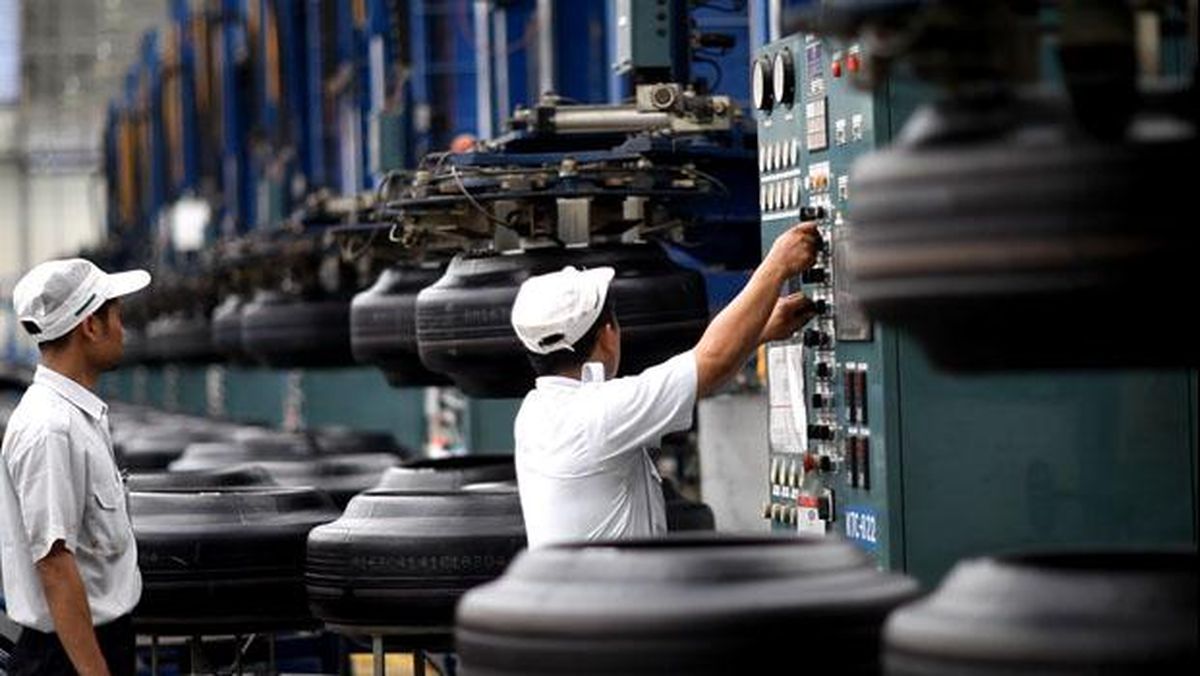
The GitiXcursion RT will be available in twelve different sizes, designed to fit 18-inch and 20-inch rims. This new offering is specifically engineered for popular SUV models in Indonesia, including the Toyota Fortuner, Mitsubishi Pajero Sport, Toyota Hilux, Isuzu mu-X, and the Ford Ranger pickup. The introduction of this product line suggests a focus on expanding Gajah Tunggal’s presence in the high-demand SUV and lifestyle vehicle market.
Navigating the Global Tire Market: A Landscape of Rising Costs
The challenges faced by Gajah Tunggal are not unique to Indonesia. The global tire industry has been grappling with a confluence of factors that have driven up production costs. The surge in the price of crude oil, a primary component in synthetic rubber and carbon black, has been a significant contributor. Fluctuations in natural rubber prices, influenced by weather patterns, geopolitical events, and agricultural yields in key producing regions like Southeast Asia, have also played a role.
Data from industry analysis firms indicates a sustained upward trend in the cost of key raw materials for tire manufacturing over the past eighteen months. For instance, the price of Brent crude oil, a global benchmark, has experienced significant volatility, at times doubling from its low points in early 2023. Similarly, natural rubber prices have seen substantial increases, impacting manufacturers worldwide.
This global context highlights the strategic imperative for companies like Gajah Tunggal to adopt multifaceted cost management strategies. Simply passing on increased costs to consumers could lead to a significant contraction in demand, particularly in price-sensitive emerging markets.
The Strategic Importance of Market Dynamics in Pricing Decisions
Pudjiati’s emphasis on market dynamics and consumer purchasing power is a testament to the sophisticated business strategies employed by leading tire manufacturers. In a competitive environment, pricing is not merely a function of cost plus profit margin; it is a strategic tool that influences market share, brand perception, and long-term profitability.
The Indonesian automotive market, while robust, is also characterized by a strong price-conscious consumer base. The decision to absorb a portion of the increased production costs demonstrates Gajah Tunggal’s understanding of these consumer sensitivities. By maintaining price stability, the company aims to retain its customer base and potentially gain market share from competitors who may be less adept at managing their cost structures or are more aggressive with price hikes.
Furthermore, the company’s commitment to its distributors is crucial. A stable pricing environment allows distributors to manage their inventory effectively and plan their sales strategies with greater certainty. Sudden or drastic price increases can disrupt their operations and strain their financial resources.
Analyzing the Implications of Gajah Tunggal’s Strategy
Gajah Tunggal’s decision to prioritize consumer affordability and market competition over immediate cost pass-through has several potential implications:
- Sustained Market Share: By keeping prices relatively stable, Gajah Tunggal is likely to maintain or even grow its market share, especially if competitors opt for more significant price increases. This can solidify its position as a leading brand.
- Profitability Pressure: While customer retention is a priority, absorbing a substantial portion of increased raw material costs will undoubtedly put pressure on the company’s profit margins in the short to medium term. The company will need to offset this through operational efficiencies, increased sales volume, or cost-saving measures in other areas.
- Brand Loyalty: A consistent pricing strategy, especially during challenging economic times, can foster strong brand loyalty among consumers who perceive the brand as fair and reliable.
- Innovation as a Differentiator: The upcoming launch of the GitiXcursion RT at GIIAS 2026 signifies an intent to differentiate through product innovation. This can help command premium pricing for new offerings, potentially offsetting margin pressures on existing product lines.
- Industry Benchmarking: Gajah Tunggal’s strategy may set a benchmark for other domestic tire manufacturers, influencing their pricing decisions and competitive responses.
The company’s forward-looking approach, as evidenced by the planned product launch, suggests a long-term vision that extends beyond immediate cost management. By investing in new product development and maintaining a customer-centric pricing strategy, Gajah Tunggal appears poised to navigate the current economic headwinds and capitalize on future growth opportunities within the Indonesian automotive sector. The success of this strategy will ultimately depend on the company’s ability to manage its internal costs effectively, monitor market conditions closely, and continue to deliver value to its customers.