Jakarta, Indonesia – The Indonesian automotive landscape is undergoing a significant transformation as electric motorcycles (e-mopeds) rapidly gain traction among consumers. Driven by a confluence of factors including their modern aesthetics, reduced operational costs, and undeniable environmental benefits, these two-wheeled electric steeds are poised to redefine urban mobility by 2026. Manufacturers are responding with a robust pipeline of models that blend cutting-edge technology with eye-catching designs, catering to a discerning public that values both form and function.
The burgeoning interest in electric motorcycles is not merely a fleeting trend; it is a reflection of evolving consumer priorities and a growing awareness of sustainability. As Indonesia continues its trajectory of economic development and urbanization, the demand for efficient, eco-friendly, and cost-effective transportation solutions intensifies. Electric motorcycles perfectly align with these demands, offering a compelling alternative to their internal combustion engine (ICE) counterparts. The Indonesian government has also played a crucial role in fostering this shift through various incentives and policies aimed at promoting the adoption of electric vehicles, signaling a clear commitment to a greener future for transportation.
Beyond the allure of sleek designs, informed buyers are increasingly scrutinizing key performance indicators such as motor power, cruising range, battery capacity, integrated safety features, and the availability and quality of after-sales service. The market, now teeming with a diverse array of options, empowers consumers to meticulously select an electric motorcycle that precisely matches their daily commuting needs and personal preferences. This expanding choice spectrum is a testament to the industry’s dynamism and its responsiveness to consumer demands.
A Glimpse into the Stylish E-Moped Revolution of 2026
As 2026 unfolds, several electric motorcycle models stand out for their sophisticated designs and advanced technological integration, promising to elevate the riding experience. These selections represent a cross-section of what the market is offering, from premium performance machines to practical urban commuters.
ALVA Cervo: The Premium Sporty Contender
Positioned as a premium offering, the ALVA Cervo embodies a sporty and futuristic design ethos. Its aesthetic appeal is complemented by a sophisticated digital instrument panel that provides riders with comprehensive information at a glance. The inclusion of multiple riding modes allows for adaptive performance, catering to various riding conditions and preferences. Furthermore, seamless connectivity through a dedicated mobile application enhances the ownership experience by enabling remote monitoring of the vehicle’s status and performance metrics. This integration of technology makes the Cervo an attractive proposition for riders seeking high performance coupled with a modern, urban-ready aesthetic. Its robust build and performance capabilities are particularly suited for navigating the challenges of city driving, offering a blend of agility and power.
Honda CUV e: Elegance Meets Urban Agility
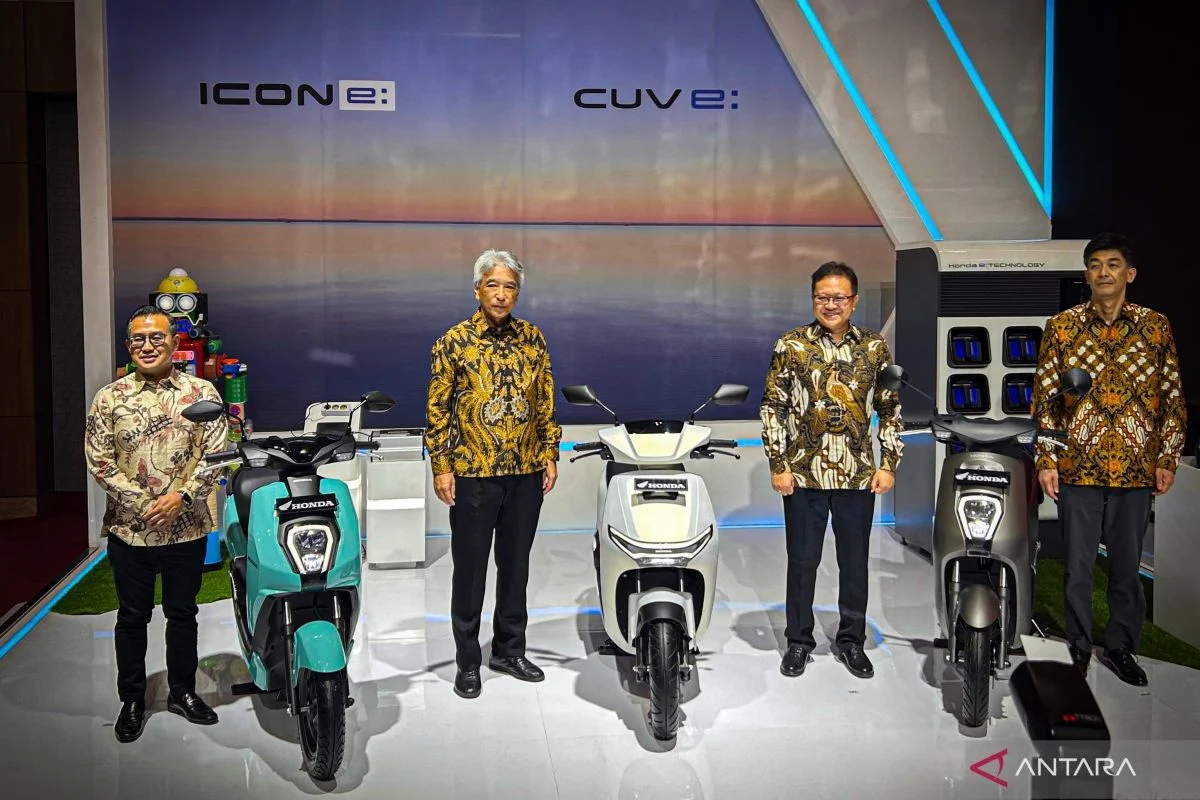
Honda, a titan in the automotive world, enters the electric scooter segment with the CUV e:. This model draws inspiration from contemporary automatic scooters, presenting an elegant and sophisticated profile. Its design is characterized by clean lines and a premium finish, reflecting Honda’s renowned attention to detail. The CUV e: is engineered with battery technology that supports sustained daily mobility, ensuring riders can rely on it for their commutes without range anxiety. As expected from Honda, safety features are a paramount consideration, integrated thoughtfully to provide peace of mind. The compact dimensions of the CUV e: are a significant advantage for urban environments, allowing for effortless maneuverability through congested streets and tight parking spaces, making it an ideal companion for city dwellers.
Polytron Fox-R: Aggressive Futurism for Everyday Riders
The Polytron Fox-R makes a bold statement with its aggressive, futuristic design. This model is equipped with a suite of digital features, a full LED lighting system that enhances visibility and adds to its modern appeal, and an ergonomic riding position designed for comfort during daily use. The Fox-R has quickly become a popular choice, largely due to its successful amalgamation of striking design elements and impressive energy efficiency. Its appeal lies in its ability to offer a dynamic riding experience without compromising on the practicalities of everyday commuting, making it a strong contender for those who want their ride to reflect their forward-thinking attitude.
Yadea Velax: Modern Lines, City-Ready Performance
Yadea, a globally recognized electric vehicle manufacturer, presents the Velax, a model that showcases a modern design characterized by sharp, assertive body lines. The Velax is outfitted with a range of features aimed at enhancing rider comfort and convenience. Its performance is optimized for urban activities, providing a responsive and agile ride that is well-suited for navigating cityscapes. A key differentiator for the Velax is its diverse palette of color options, which appeals directly to consumers who prioritize personal style and wish to express their individuality through their choice of vehicle. This combination of contemporary design and city-centric functionality makes it a compelling option.
United TX1800: Understated Elegance for Daily Commutes
The United TX1800 offers a simpler yet distinctly modern design. It has been meticulously engineered for daily usage, featuring an ergonomic riding posture that promotes comfort over extended periods and a straightforward operational interface that ensures ease of use. The TX1800 stands as a viable alternative for individuals seeking an electric vehicle that combines an elegant aesthetic with practical, everyday functionality. Its understated design is a testament to the idea that modern mobility can also be sophisticated and understated, appealing to a broad range of riders who value a clean and refined appearance.
Smoot Zuzu: Compact, Minimalist, and Economical
The Smoot Zuzu stands out with its compact and minimalist design, appealing to a younger demographic and those who appreciate a streamlined aesthetic. Its small footprint makes it exceptionally easy to maneuver through bustling city traffic and simplifies parking in crowded areas. Despite its understated appearance, the Zuzu maintains an attractive visual presence. Beyond its stylish simplicity, the Zuzu is also recognized for its remarkably economical operational costs, making it an ideal and financially prudent choice for daily commuting. This combination of practicality, style, and affordability positions the Zuzu as a significant player in the urban e-moped market.
Navigating the Electric Motorcycle Market: A Buyer’s Guide
As the electric motorcycle market continues to expand, prospective buyers are encouraged to undertake a thorough evaluation process to ensure their chosen vehicle aligns with their specific needs and expectations. The decision-making process should extend beyond superficial appeal and delve into the core functionalities and long-term viability of the electric two-wheeler.
- Performance Metrics: Understanding the motor’s power output (kW or horsepower) is crucial for assessing acceleration and top speed capabilities. This should be considered in conjunction with the intended use – whether for city commuting, longer rides, or carrying heavier loads.
- Range and Battery Capacity: The stated range of an electric motorcycle is a critical factor, directly impacting the frequency of charging. Battery capacity (measured in kWh) is the underlying determinant of this range. Buyers should realistically assess their daily travel distances and consider charging infrastructure availability. Factors like riding style, terrain, and ambient temperature can also influence actual range.
- Charging Infrastructure and Time: The ease and speed of charging are paramount. Understanding the type of charger provided, the availability of compatible charging stations, and the total charging time required to reach full capacity is essential for daily usability. Swappable battery systems, offered by some manufacturers, can offer an alternative solution to fixed charging times.
- Safety Features: Modern electric motorcycles are increasingly equipped with advanced safety technologies. This includes robust braking systems (ABS is becoming more common), integrated lighting for enhanced visibility, and sturdy chassis construction. Riders should verify the presence and quality of these safety features.
- After-Sales Service and Warranty: The reliability of after-sales support and the comprehensiveness of the warranty are vital considerations for any vehicle purchase. Prospective buyers should inquire about the service network, the availability of spare parts, and the terms of the warranty, particularly concerning the battery, which is often the most expensive component.
- Total Cost of Ownership: While the initial purchase price is a factor, it’s essential to consider the total cost of ownership over the vehicle’s lifespan. This includes electricity costs for charging, potential maintenance savings compared to ICE vehicles, and insurance. Government incentives, such as subsidies or tax breaks for electric vehicles, can also significantly impact the overall affordability.
- Rider Comfort and Ergonomics: The physical design of the motorcycle, including seat height, handlebar position, and footpeg placement, directly affects rider comfort, especially for longer journeys or in stop-and-go traffic. Test rides are highly recommended to assess ergonomics.
Broader Implications for Indonesia’s Transportation Sector
The accelerating adoption of electric motorcycles in Indonesia signifies a broader shift towards a more sustainable and technologically advanced transportation ecosystem. This transition holds significant implications:
- Environmental Benefits: A widespread shift to electric motorcycles will directly contribute to reducing air pollution in urban centers, leading to improved public health and a cleaner environment. The reduction in greenhouse gas emissions is a critical step in Indonesia’s commitment to climate change mitigation.
- Economic Opportunities: The growth of the electric motorcycle industry stimulates local manufacturing, job creation, and innovation in battery technology, charging infrastructure, and related services. This can position Indonesia as a regional leader in the electric vehicle sector.
- Energy Independence and Efficiency: Reducing reliance on imported fossil fuels enhances national energy security. Furthermore, the inherent efficiency of electric powertrains translates to lower energy consumption per kilometer traveled.
- Technological Advancement: The demand for sophisticated electric motorcycles drives research and development in areas such as battery management systems, advanced motor control, and smart connectivity features, fostering a culture of technological innovation within the country.
- Urban Planning and Infrastructure: The rise of electric mobility necessitates strategic planning for charging infrastructure development and the integration of electric vehicles into urban transport networks. This includes considerations for dedicated lanes, parking facilities, and smart grid integration.
The Indonesian government, through initiatives like the National Battery Industry Roadmap and various fiscal incentives, is actively supporting this transition. Industry associations, such as the Indonesian Motorcycle Industry Association (AISI) and the Indonesian Electric Vehicle Industry Association (PERIKLINDO), are also playing a vital role in advocating for policies that facilitate the growth of the electric vehicle sector. As more manufacturers enter the market and technological advancements continue, the electric motorcycle segment is set to become an even more dominant force in shaping the future of personal transportation in Indonesia. The year 2026 marks a significant point in this evolution, showcasing a mature market that offers consumers not only environmentally conscious choices but also stylish, technologically advanced, and economically viable mobility solutions.
Pewarta: M. Hilal Eka Saputra Harahap
Editor: Suryanto
Copyright © ANTARA 2026