
The automotive world is on the cusp of a profound transformation, heralding a new chapter where the sun’s energy will power our daily commutes. After years confined to the realms of concept and prototype, solar-powered vehicles are now gearing up for mass production, promising a potent solution to the escalating energy crisis and a significant stride in the global effort to curb carbon emissions. This groundbreaking development is largely driven by advancements in solar panel technology, which have become increasingly efficient, capable of harnessing solar energy even under less-than-ideal weather conditions. The captured energy is then stored in advanced, high-capacity batteries, ensuring that these vehicles can operate effectively during nighttime or periods of limited sunlight.
Aptera Motors: Leading the Charge Towards Solar Mobility
At the forefront of this revolutionary shift is Aptera Motors, a California-based startup with an ambitious vision: to mass-produce solar-electric vehicles. The company is targeting the end of 2026 for the commencement of mass production, with the highly anticipated launch of its initial model. This move marks a crucial milestone after years of dedicated development, commencing from when pre-orders first opened in 2020. To date, the company reports a substantial demand, with approximately 50,000 units already reserved.
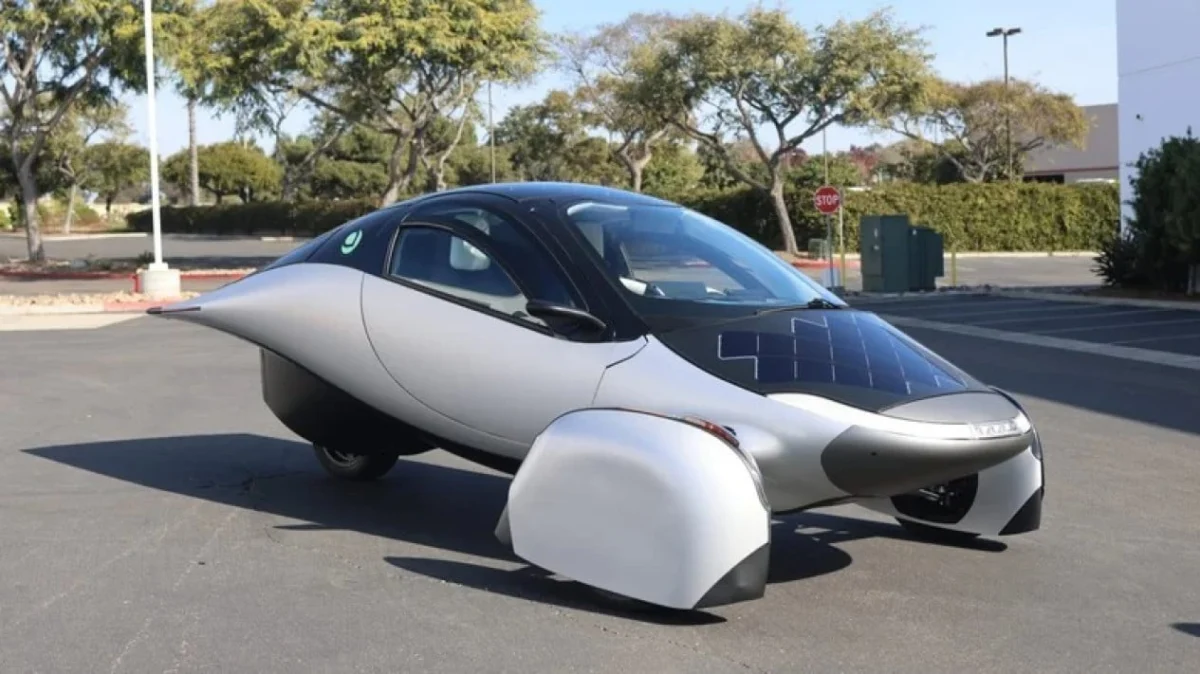
Unlike conventional electric vehicles, Aptera’s innovative design features a unique three-wheeled configuration and prominently integrates solar panels as its primary energy source. In optimal conditions, the vehicle is designed to meet daily driving needs without requiring frequent external charging. This represents a paradigm shift in electric vehicle design, moving beyond reliance solely on grid-based charging infrastructure.
A Detailed Look at Aptera’s Production Roadmap and Technological Advancements
To accelerate its production goals, Aptera has significantly scaled up its operational capacity. Following its successful listing on the NASDAQ stock exchange in 2025, the company secured substantial investment, attracting the attention of investors and suppliers. This influx of capital and strategic partnerships has bolstered its production chain and financial standing, paving the way for the transition from prototype to mass manufacturing.
Currently, Aptera’s California facility is engaged in producing test units designated for on-road testing. The manufacturing process itself is being implemented in several phases. The ultimate objective is to achieve a production rate of approximately 40 vehicles per shift once the system is fully optimized. This phased approach allows for iterative improvements and rigorous quality control throughout the manufacturing process.
Moreover, Aptera has entered a critical phase with the establishment of a validation assembly line. This stage signifies a pivotal transition from manual prototype production to a more structured and scalable manufacturing system. It is a crucial step before the full-scale mass production can commence, ensuring that the production line is robust, efficient, and capable of meeting demand while maintaining high quality standards.
The Promise of Solar-Electric Efficiency
The Aptera vehicle offers a compelling proposition of high efficiency, integrating both electric power and solar energy. According to company tests and claims, the vehicle is capable of traveling tens of kilometers solely on solar energy, and hundreds of kilometers when combining battery power with conventional charging. This dual-source energy system is a key differentiator, offering unparalleled flexibility and reducing reliance on charging stations.
Timeline of Key Developments:
- 2020: Pre-orders for the Aptera vehicle open, signaling initial market interest.
- 2020 – 2025: Years of dedicated research, development, and prototype testing. Focus on optimizing solar panel efficiency and battery technology.
- 2025: Aptera Motors lists on the NASDAQ stock exchange, securing significant funding and investor confidence. This event is crucial for scaling up manufacturing capabilities.
- 2025 – 2026: Expansion of operational facilities and partnerships with suppliers. Production of test units and initiation of on-road testing. Establishment of the validation assembly line.
- Late 2026: Target for the commencement of mass production of the initial Aptera model.
Supporting Data and Technological Underpinnings
The feasibility of mass-producing solar-powered cars hinges on several critical technological advancements:
- Solar Panel Efficiency: Modern photovoltaic cells have achieved significant improvements in energy conversion rates. While earlier panels struggled to convert more than 15-20% of sunlight into electricity, next-generation panels are pushing towards 25-30% efficiency, and even higher in laboratory settings. This means more power can be generated from the same surface area, a critical factor for vehicle integration. Aptera’s design incorporates these advanced panels across a significant portion of its body, maximizing solar energy capture.
- Battery Technology: The capacity and lifespan of batteries are paramount. Lithium-ion batteries, the current industry standard, continue to evolve with higher energy densities and faster charging capabilities. Aptera utilizes advanced battery packs, designed to store substantial amounts of energy, allowing for extended range and accommodating the intermittent nature of solar power. The goal is to provide a usable electric range that significantly reduces the need for frequent grid charging.
- Aerodynamics and Lightweight Materials: To maximize efficiency, solar-powered vehicles must be incredibly aerodynamic and lightweight. Aptera’s distinctive, teardrop-shaped design is a testament to this principle, minimizing drag and reducing the energy required for propulsion. The use of lightweight composite materials further contributes to the vehicle’s overall efficiency.
Industry Reactions and Broader Implications
The impending mass production of solar-powered cars by companies like Aptera is being met with a mix of optimism and cautious anticipation from industry experts and environmental advocates.
"This is a critical moment for sustainable transportation," commented Dr. Anya Sharma, a leading researcher in renewable energy at the Global Institute for Sustainable Technologies. "While the concept of solar cars has been around for decades, the convergence of efficient solar technology, advanced battery storage, and a dedicated manufacturing push by companies like Aptera makes this a genuinely disruptive development. The potential to reduce our reliance on fossil fuels and alleviate the strain on electricity grids is immense."
The implications of this shift extend beyond individual vehicle ownership:
- Reduced Carbon Footprint: A significant increase in solar-powered vehicles on the road would directly translate to a reduction in greenhouse gas emissions from the transportation sector, a major contributor to climate change.
- Energy Independence: For individuals and nations, the ability to generate power directly from sunlight offers a pathway towards greater energy independence and resilience, particularly in regions with abundant sunshine.
- Evolution of Charging Infrastructure: While Aptera aims to minimize reliance on charging stations, the broader adoption of electric vehicles, including solar-assisted ones, will continue to drive innovation in charging infrastructure, potentially leading to more integrated and renewable-powered charging solutions.
- Economic Opportunities: The development and manufacturing of these advanced vehicles are expected to create new jobs and stimulate economic growth in the renewable energy and automotive sectors.
However, challenges remain. The initial cost of these advanced vehicles may be higher than conventional alternatives, and the real-world performance of solar charging will continue to be influenced by geographic location, weather patterns, and driving habits. Furthermore, the scalability of manufacturing and the long-term durability of integrated solar panels will be critical factors in their widespread adoption.
As Aptera Motors and other potential entrants push the boundaries of solar mobility, the automotive landscape is poised for a radical reshaping. The dream of a car that runs on sunlight is rapidly becoming a tangible reality, offering a glimpse into a cleaner, more sustainable future of transportation. The next few years will be crucial in determining the pace and extent of this solar-powered revolution.