

The Indonesian streaming landscape is set to sizzle with the premiere of "Luka, Makan, Cinta" (Hurt, Eat, Love) on Netflix on April 15, 2026. This new eight-episode series dives deep into the high-stakes world of professional kitchens, exploring the intricate relationships and intense rivalries that can bloom amidst the heat of culinary passion. At its core, the narrative centers on the compelling dynamic between two ambitious young chefs, Luka, portrayed by Mawar Eva de Jongh, and Dennis, brought to life by Deva Mahenra, whose professional clashes unexpectedly pave the way for nascent romantic feelings.
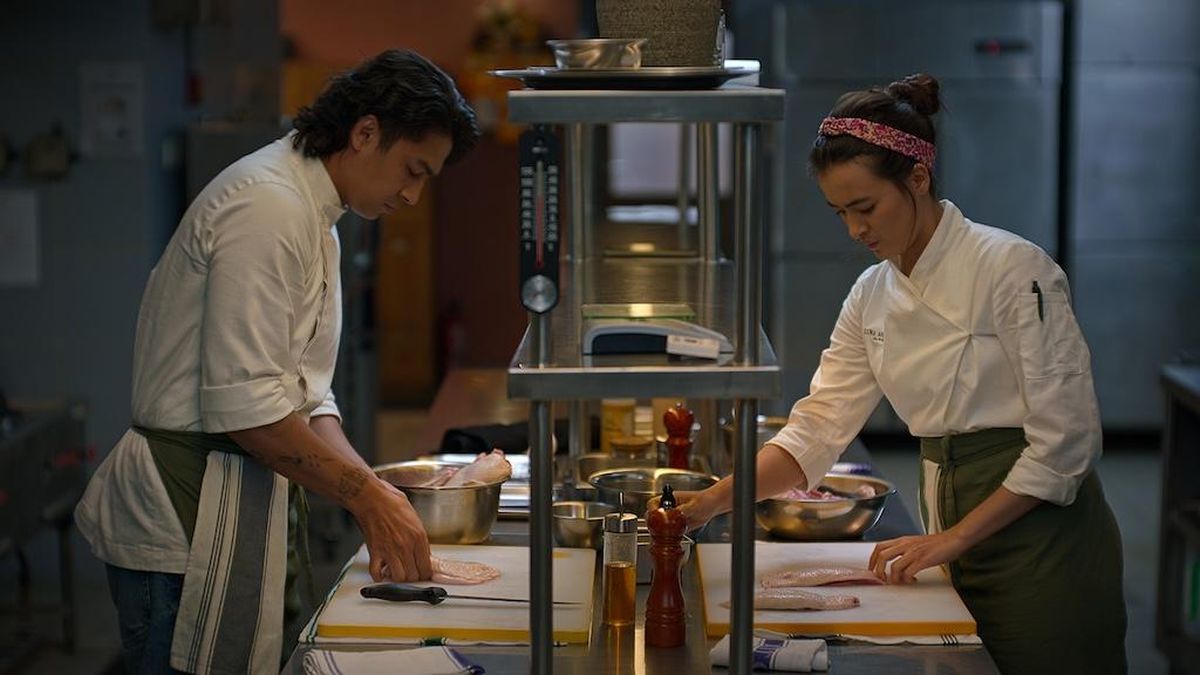
The series unfolds within the hallowed halls of Umah Rasa, a revered family-run restaurant, where Luka, a talented and driven chef, harbors a fervent ambition to ascend to the coveted position of head chef. Her aspirations, however, are met with a significant setback when her mother, Sari (Sha Ine Febriyanti), the current owner and head chef, entrusts the leadership role to Dennis, an outsider with a fresh perspective and a formidable skill set. This decision ignites a palpable tension, setting the stage for a professional rivalry that is as intense as it is intricate, promising a narrative that transcends mere culinary competition.
A Clash of Culinary Titans: The Genesis of Conflict
"Luka, Makan, Cinta" meticulously charts the journey of Luka, a chef whose dedication to her family’s legacy is matched only by her personal ambition. Umah Rasa, a restaurant steeped in tradition and culinary excellence, represents not just a business but a profound inheritance. The appointment of Dennis as head chef, bypassing Luka’s long-held expectations, creates an immediate rift. This initial disappointment fuels a simmering resentment, as Luka grapples with the feeling of being overlooked and the perceived betrayal of her family’s trust.
The series skillfully portrays the initial friction between Luka and Dennis. Their differing approaches to cooking, their clashing personalities, and their shared desire to excel create a volatile atmosphere within Umah Rasa’s kitchen. Viewers can anticipate witnessing a series of professional skirmishes, where disagreements over recipes, kitchen management, and culinary innovation become battlegrounds. Yet, beneath the surface of their professional animosity, the narrative hints at an underlying mutual respect for each other’s talent, a crucial element that will eventually contribute to the evolution of their relationship.
Navigating the Storm: Financial Woes and Unforeseen Bonds
As the series progresses, the personal and professional conflicts within Umah Rasa are amplified by a looming financial crisis. The restaurant, once a beacon of culinary success, begins to experience a downturn in performance. This economic instability not only threatens the future of the family business but also has a direct impact on the livelihoods of its dedicated staff, with delayed salary payments becoming a stark reality. The mounting pressure of saving the restaurant forces Luka and Dennis to confront their rivalry and reconsider their animosity.
The narrative arc suggests a gradual thawing of their initial hostility. Faced with a common enemy in the form of financial ruin, Luka and Dennis are compelled to collaborate. The shared struggle to keep Umah Rasa afloat necessitates a merging of their skills and a deeper understanding of each other’s strengths and weaknesses. This period of crisis becomes a crucible, forging a bond that transcends their professional disagreements. The series is poised to explore how shared adversity can dismantle preconceived notions and foster unexpected connections, transforming animosity into a burgeoning affection.
A Testament to Loyalty and Redemption
A pivotal moment in the series’ storyline involves Dennis receiving a lucrative offer to work at a prestigious restaurant. This presents him with a significant career advancement opportunity, a testament to his culinary prowess. However, his decision to remain loyal to Umah Rasa and support Luka in its revival underscores a deeper commitment, not just to the restaurant but also to the evolving relationship he shares with Luka. This act of dedication signifies a profound shift in his priorities, highlighting the impact that personal connections can have on professional choices.
The narrative emphasizes the theme of redemption, not just for the restaurant but also for the characters. Luka must overcome her initial bitterness and learn to trust again, while Dennis demonstrates his integrity and commitment. Their collaborative efforts to restore Umah Rasa’s reputation and financial stability are central to the overarching plot, suggesting a journey of shared growth and mutual reliance. The pursuit of a Michelin Star, a prestigious culinary accolade, serves as a tangible goal that fuels their renewed determination and reinforces their commitment to excellence.
The Mastermind Behind the Lens: Teddy Soeriaatmadja’s Vision
The directorial vision behind "Luka, Makan, Cinta" belongs to Teddy Soeriaatmadja, a highly respected figure in Indonesian cinema. His extensive filmography, which includes critically acclaimed works such as "Lovely Man" (2011), "Something in the Way" (2013), "Berbalas Kejam" (2023), and "The Architecture of Love" (2024), has earned him numerous accolades, including nominations for Best Director at the Indonesian Film Festival. Soeriaatmadja’s penchant for exploring complex human emotions and intricate character dynamics is expected to bring a nuanced and compelling depth to the series. His involvement suggests a production that prioritizes storytelling and character development, promising a visually rich and emotionally resonant viewing experience.
Soeriaatmadja’s directorial style is often characterized by its subtle exploration of relationships and its ability to capture the nuances of human interaction. His previous works have demonstrated a keen eye for detail and a masterful control of atmosphere, qualities that will undoubtedly be vital in portraying the high-pressure environment of a professional kitchen and the evolving emotional landscape of the characters. The anticipation for "Luka, Makan, Cinta" is further heightened by the director’s established reputation for delivering thought-provoking and aesthetically pleasing cinematic narratives.
A Stellar Ensemble Cast
Beyond the central performances of Mawar Eva de Jongh and Deva Mahenra, "Luka, Makan, Cinta" boasts a strong supporting cast. The inclusion of Adipati Dolken and Asmara Abigail in significant roles promises to enrich the narrative tapestry, adding further layers of complexity and intrigue to the unfolding drama. Their presence suggests that the series will not only focus on the primary romantic and professional conflict but also explore the broader dynamics within the Umah Rasa ecosystem, including the relationships between other staff members and the impact of the restaurant’s fortunes on their lives. The synergy between these talented actors is expected to be a key factor in the series’ success, bringing authenticity and depth to their respective characters.
Data and Context: The Indonesian Culinary Scene and Streaming Growth
The launch of "Luka, Makan, Cinta" arrives at a time when the Indonesian streaming market is experiencing robust growth. The global streaming giant Netflix has been actively investing in local content, recognizing the immense potential of the Indonesian market. According to Statista, the number of digital video subscribers in Indonesia was projected to reach over 67 million in 2024, with further growth anticipated in the coming years. This expanding audience base provides a fertile ground for local productions to reach a wider demographic, both domestically and internationally.
Furthermore, the culinary industry in Indonesia is a vibrant and evolving sector. Restaurants, from traditional eateries to fine-dining establishments, play a significant role in the country’s economy and cultural landscape. The pursuit of international recognition, such as Michelin stars, has become a growing aspiration for many Indonesian chefs and restaurateurs, reflecting a desire to elevate the nation’s culinary standing on the global stage. "Luka, Makan, Cinta" taps into this cultural zeitgeist, offering a compelling narrative that resonates with the aspirations and challenges faced by professionals in this dynamic field. The series’ focus on a family-run restaurant also speaks to the enduring importance of heritage and tradition within the Indonesian culinary context.
The choice of a family restaurant as the central setting is particularly significant. Family businesses in Indonesia often carry deep emotional and cultural weight, representing generations of hard work and dedication. The stakes for Luka are therefore not just professional but deeply personal, tied to her family’s legacy. This adds an extra layer of emotional resonance to her struggle and her eventual reconciliation with Dennis. The narrative’s exploration of these familial ties, alongside the professional rivalries, is likely to strike a chord with Indonesian audiences who value such traditions.
Broader Implications and Audience Reception
The success of "Luka, Makan, Cinta" could have several implications for the Indonesian film and television industry. Firstly, it signifies Netflix’s continued commitment to investing in diverse and high-quality Indonesian storytelling, potentially encouraging further production of similar genre-bending series. Secondly, it offers a platform for Indonesian talent, both in front of and behind the camera, to gain international exposure. The series’ blend of romance, drama, and the high-stakes world of professional cooking has the potential to attract a broad audience, transcending cultural and geographical boundaries.
The narrative’s focus on themes of ambition, loyalty, and the transformative power of love is universally relatable. The intricate depiction of kitchen dynamics, combined with the unfolding romance, promises a compelling viewing experience that is both entertaining and emotionally engaging. As the series unfolds over its eight episodes, audiences will undoubtedly be drawn into the culinary battles, the personal struggles, and the blossoming romance within Umah Rasa, making "Luka, Makan, Cinta" a potentially significant addition to the global streaming library. The series’ exploration of professional rivalry evolving into romance is a well-trodden path in storytelling, but the unique setting of a high-end Indonesian restaurant and the cultural context provide a fresh and compelling backdrop for this timeless theme. The success of such a series can also pave the way for greater appreciation of Indonesian cuisine and culture on a global scale, further promoting soft power through entertainment.