• Home
GKF Media
keep your memories alive
Technology

Rismon Sianipar’s Investigation Terminated in Jokowi Diploma Case, Joman Pushes for Immediate Prosecution of Roy Suryo and Dr. Tifa

by Layla Zulfa April 25, 2025
written by Layla Zulfa

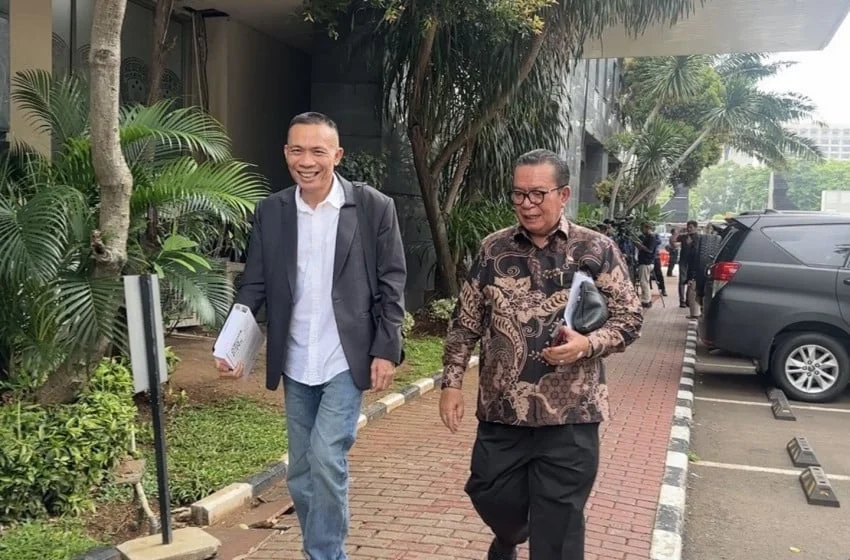
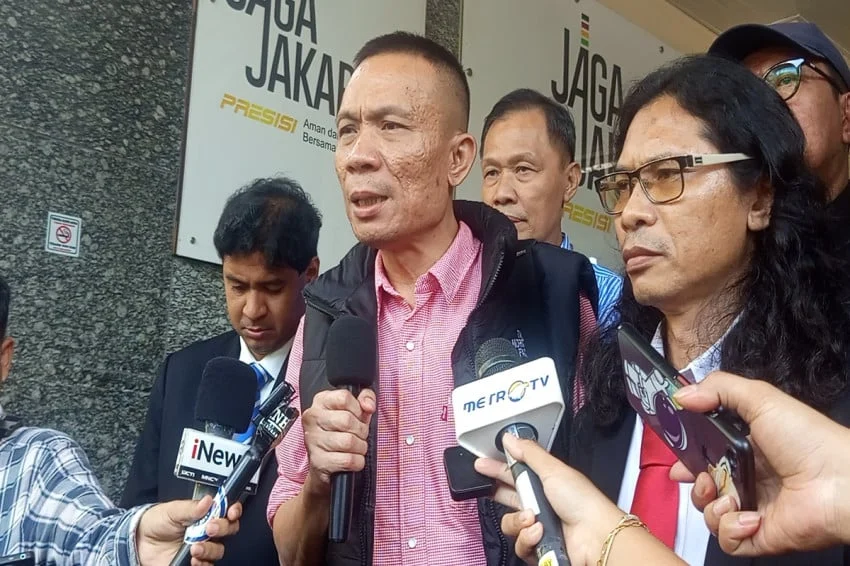
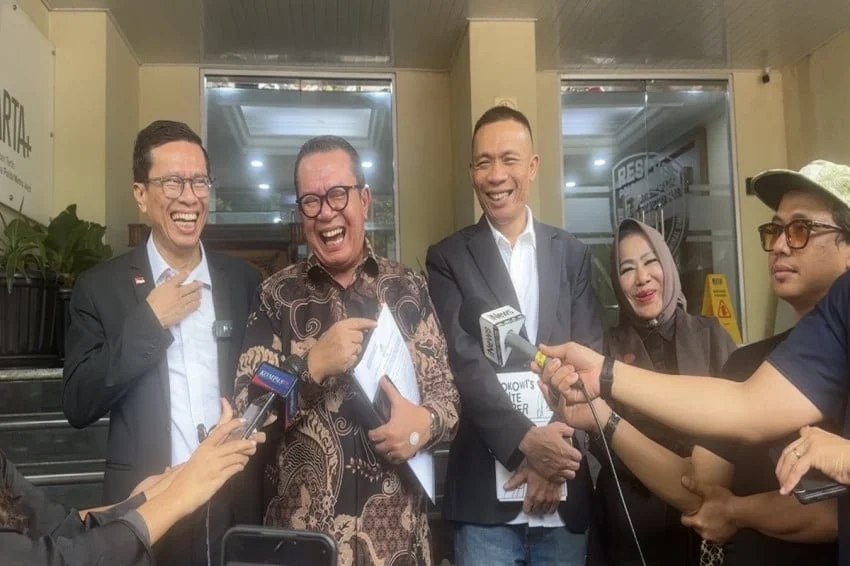
JAKARTA – The termination of the investigation (SP3) into Rismon Sianipar, who had been named a suspect in allegations concerning the authenticity of former President Joko Widodo’s academic credentials, has intensified calls for the swift prosecution of other key figures involved. Andi Azwan, Chairman of Joman Nusantara Bersatu (JNB), expressed strong hopes that the case files against Roy Suryo and Dr. Tifauzia Tyassuma would soon be declared complete (P21) by the public prosecutor, paving the way for their trials. This development, occurring on Wednesday, April 15, 2026, marks a significant turn in a protracted legal saga that has captivated public attention, raising questions about defamation, digital ethics, and the application of restorative justice in high-profile cases in Indonesia.

The announcement of the SP3 for Rismon Sianipar came as a surprise to many observers, particularly given the initial gravity of the accusations. Azwan articulated Joman’s anticipation for the immediate progression of the remaining cases, stating, "We hope that within this week there will be a handover [of the case files], and by the end of this month, it will be P21 for the other cases. Roy Suryo and Dokter Tifa should be ready to meet us in court." His statement underscores the unwavering resolve of Joman Nusantara Bersatu to see justice served against those they accuse of spreading misinformation and defamation against the former President. The case involving the alleged falsification of President Widodo’s diploma has been a subject of intense public debate and legal scrutiny, drawing lines between freedom of expression and the boundaries of libel in the digital age.

Chronology of a Contentious Allegation

The controversy surrounding former President Joko Widodo’s academic qualifications first erupted into the public sphere in late 2022. While specific claims had circulated intermittently prior, they gained significant traction following a lawsuit filed in the Central Jakarta District Court by Bambang Tri Mulyono. Mulyono, the author of the book "Jokowi Undercover," alleged that President Widodo had used a fake diploma during his presidential candidacies, specifically claiming that the former president’s diploma from Gadjah Mada University (UGM) was fraudulent. These allegations quickly spiraled, fueled by social media discourse and amplified by various public figures.

Rismon Sianipar emerged as a prominent voice echoing these claims. His involvement intensified after he publicly questioned the authenticity of the diploma, presenting what he claimed was "evidence" to support the allegations. His actions led to him being named a suspect by the authorities, accused of spreading false information and defamation.

Subsequently, former Minister of Youth and Sports Roy Suryo, known for his expertise in information technology and social media commentary, and Dr. Tifauzia Tyassuma, a medical doctor and public figure, also became embroiled in the controversy. They were accused of disseminating the same or similar false narratives through their respective platforms, contributing to the viral spread of the allegations. Roy Suryo, in particular, was scrutinized for his posts on social media that many interpreted as mocking President Widodo’s alleged academic past. Dr. Tifa was also known for her vocal criticism and claims regarding the diploma issue.

The legal proceedings initiated by Joman Nusantara Bersatu against these individuals stemmed from reports filed with the police, accusing them of violating Indonesia’s Electronic Information and Transactions (ITE) Law, specifically concerning the spread of false information and defamation. The ITE Law, a frequently debated piece of legislation, carries severe penalties for offenses committed online, often sparking discussions about its potential to curb free speech.

The police investigations proceeded, leading to the designation of Rismon Sianipar, Roy Suryo, and Dr. Tifauzia Tyassuma as suspects. The recent SP3 for Rismon Sianipar, however, marks a divergence in the legal paths of these individuals, indicating a specific resolution for his involvement while the cases against Roy Suryo and Dr. Tifa continue to advance towards prosecution.

The Application of Restorative Justice: A Legal Nuance

Andi Azwan’s cautious stance regarding the details of Rismon Sianipar’s SP3, stating he did not wish to preempt the police, was followed by an acknowledgment of the role of restorative justice (RJ). "If anyone says there will be no SP3, that is incorrect. The point is, whatever has been done, we express our greatest appreciation to the National Police, especially the investigators of the Jakarta Metropolitan Police (Polda Metro Jaya) and the Director of General Criminal Investigation," Azwan remarked. He further elaborated on the legal framework underpinning this outcome.

Restorative justice, as implemented under Indonesia’s new Criminal Procedure Code (KUHAP), represents a significant shift in legal practice, prioritizing reconciliation and compensation over punitive measures in certain cases. Unlike traditional retributive justice, which focuses on punishing offenders, restorative justice aims to repair the harm caused by a crime by involving victims, offenders, and the community in a process of dialogue and negotiation. For a case to qualify for restorative justice, several conditions must typically be met: the offense is usually not severe (often carrying a maximum sentence of less than five years), the perpetrator is not a recidivist, and there is an agreement between the victim and the perpetrator, often involving an apology, compensation, or other forms of restitution.

In Rismon Sianipar’s case, the application of restorative justice suggests that an agreement was reached between Rismon and the reporting party (presumably Joman Nusantara Bersatu, acting on behalf of the former President or public interest). This agreement likely involved an apology, a retraction of the allegations, and potentially other forms of reconciliation. The "sumringah" (beaming) faces of those present at the press conference, as noted by Azwan, further imply a mutually agreeable resolution. This development highlights the growing emphasis on alternative dispute resolution mechanisms within the Indonesian legal system, particularly for offenses that, while serious, might benefit from a non-adversarial approach. It also sets a precedent for how future defamation cases, especially those involving public figures, might be handled.

Joman’s Stance and the Impending Trials

Joman Nusantara Bersatu has been a consistent and vocal advocate for prosecuting those they believe defamed President Widodo. Their current focus has now squarely shifted to Roy Suryo and Dr. Tifauzia Tyassuma. The term "P21" signifies that the investigation file from the police has been declared complete by the public prosecutor, meaning all necessary evidence and legal requirements have been fulfilled to proceed to trial. Once a case reaches P21 status, the suspects officially become defendants, and the case is then submitted to the district court for scheduling.

For Roy Suryo and Dr. Tifa, reaching P21 would mean an imminent trial, where they will face charges under the ITE Law and potentially other relevant statutes concerning defamation and the spread of false news. The penalties for such offenses can include significant prison sentences and hefty fines. Joman’s persistence underscores a broader societal concern about the proliferation of disinformation, particularly when it targets high-ranking officials and has the potential to destabilize public trust.

The organization’s commitment to following through with legal action reflects a proactive approach to combating what they perceive as character assassination and the erosion of journalistic integrity. Their statements consistently emphasize the importance of upholding the law and ensuring that individuals are held accountable for their online conduct. This firm stance is likely to be maintained throughout the upcoming court proceedings, with Joman expected to closely monitor and support the prosecution’s efforts.

Broader Implications: Freedom of Speech vs. Defamation

The entire saga, from the initial allegations to the current legal maneuvers, encapsulates a critical tension in modern democracies: the balance between freedom of expression and the protection against defamation. Indonesia’s ITE Law, while intended to combat cybercrime and maintain digital order, has frequently been criticized by human rights organizations and legal experts for its broad interpretations and potential for misuse against critics, journalists, and ordinary citizens.

The case of the "Jokowi fake diploma" allegations, involving high-profile individuals and a former head of state, serves as a high-stakes test of these legal boundaries. On one hand, the public has a right to scrutinize its leaders and engage in robust debate. On the other hand, baseless accusations that damage reputation and spread misinformation can have severe consequences, not only for the individuals targeted but also for societal cohesion and trust in institutions.

The SP3 for Rismon Sianipar through restorative justice might be seen as an attempt to find a middle ground in certain contexts, allowing for reconciliation when applicable. However, the continued push for the prosecution of Roy Suryo and Dr. Tifa signals that for Joman and potentially the state, some lines are not to be crossed without punitive legal repercussions. The outcomes of their trials will undoubtedly contribute to the jurisprudence surrounding the ITE Law and set important precedents for future cases involving online defamation, particularly those targeting public officials.

Legal experts have often pointed out that the interpretation and application of the ITE Law need careful consideration to prevent it from becoming a tool to silence legitimate criticism. This case provides an opportunity for the courts to clarify the standards for what constitutes "false news" or "defamation" in the context of political discourse and public figures, and where the threshold lies for criminal prosecution versus civil remedies.

Looking Ahead: The Path to Justice

With the SP3 for Rismon Sianipar finalized and the potential P21 for Roy Suryo and Dr. Tifa looming, the legal spotlight will now shift to the courts. The trials, once they commence, are expected to draw significant public and media attention. Legal teams for the accused will likely present robust defenses, challenging the evidence and interpretations of the ITE Law. The prosecution, supported by groups like Joman, will aim to demonstrate that the actions of Roy Suryo and Dr. Tifa crossed the line into criminal defamation and the spread of false information.

The process will involve witness testimonies, presentation of digital evidence, and legal arguments over the definitions of "hoax" and "defamation" in the context of online speech. The verdicts will not only determine the fates of the individuals involved but also contribute to the ongoing national conversation about digital literacy, responsible online conduct, and the robustness of Indonesia’s legal framework in handling complex issues at the intersection of politics, media, and law. As the legal proceedings unfold, all eyes will be on the Indonesian justice system to deliver a verdict that upholds legal principles while navigating the intricate landscape of public opinion and digital communication.
April 25, 2025 0 comment
0 FacebookTwitterPinterestEmail
Technology

Indonesian Ministry of Communication and Digital Issues Final Ultimatum to Wikimedia Foundation Over PSE Registration, Threatening Service Blockage

by Nana Muazin April 24, 2025
written by Nana Muazin

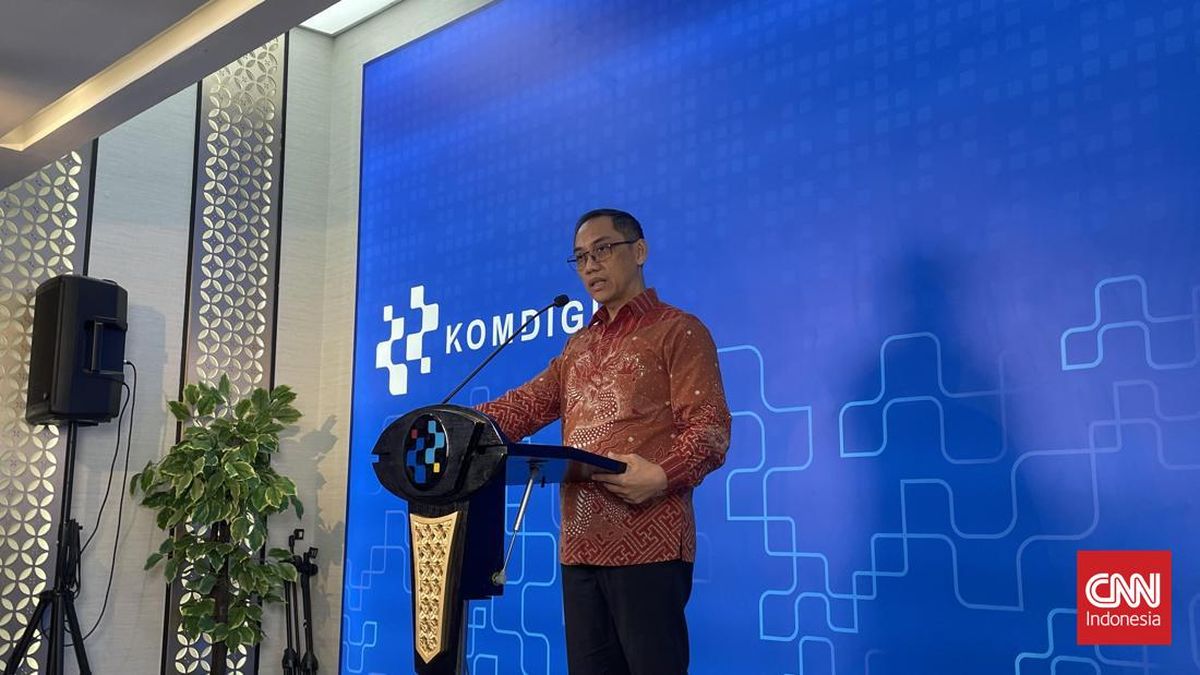
The Indonesian Ministry of Communication and Digital (Komdigi) has issued a stringent seven-day ultimatum to the Wikimedia Foundation, demanding immediate registration as a Private Electronic System Operator (PSE) within Indonesia’s jurisdiction. Failure to comply with this final deadline will result in the blocking of all Wikimedia services, including the widely used Wikipedia Indonesia and Wikimedia Commons, across the archipelago. This decisive move underscores the government’s unwavering commitment to enforcing its digital regulations on all platforms operating within its borders, regardless of their operational model or global standing.

Komdigi’s Director General for Digital Space Supervision, Alexander Sabar, articulated the ministry’s firm stance, emphasizing the government’s dedication to fostering an orderly and equitable digital environment. "The government, through the Ministry of Communication and Digital, reiterates its commitment to upholding a structured and fair digital space governance for all electronic system operators," Sabar stated in a press release issued on Wednesday, April 15. This commitment, he asserted, extends unequivocally to the Wikimedia Foundation, a global non-profit organization that manages Wikipedia and numerous other free knowledge projects, which are extensively accessed by millions of users in Indonesia.

The Mandate of PSE Registration and Its Evolution

The obligation for digital platforms to register as PSEs stems from the Indonesian Ministerial Regulation No. 5 of 2020 on Private Electronic System Operators (Permenkominfo No. 5/2020), a regulation that has since been amended and reinforced. This legal framework mandates that all digital service providers, whether local or foreign, commercial or non-profit, must register with Komdigi if their services are accessible or utilized within Indonesia. The primary objectives of this regulation are multifaceted: to ensure legal certainty for operators, enhance user data protection, and facilitate the overall management and development of the digital ecosystem within the country.

The scope of this registration requirement is broad, encompassing a vast array of digital services, including social media platforms, e-commerce sites, financial technology (fintech) applications, search engines, and, crucially, knowledge platforms like Wikipedia. Komdigi maintains that this registration process is essential for protecting both the public and the platforms themselves by providing a clear legal framework for their operations in Indonesia. Sabar highlighted that the registration process is entirely free of charge, ensuring that the financial burden does not serve as a barrier to compliance for any entity, including non-profit organizations like Wikimedia.

The PSE regulation has been a cornerstone of Indonesia’s digital governance strategy, aimed at asserting national sovereignty over the digital space and safeguarding its citizens in an increasingly interconnected world. When initially introduced, the regulation sparked considerable debate, particularly concerning its implications for data privacy, content moderation, and internet freedom. Critics raised concerns about potential government overreach and the possibility of censorship, given the broad powers granted to the ministry, including the authority to request access to user data and to demand the removal of content deemed illegal.

Indonesia, with its rapidly expanding digital economy and one of the largest internet user bases in Southeast Asia, views these regulations as crucial for maintaining stability and order. The country’s digital economy is projected to reach significant valuations in the coming years, making the regulation of digital platforms a high priority for consumer protection, tax revenue, and national security. The government argues that without proper registration, foreign platforms can operate outside Indonesian legal frameworks, potentially avoiding accountability for issues ranging from misinformation to consumer fraud.

A History of Enforcement: Precedents and Controversies

This is not the first instance of Komdigi enforcing the PSE registration rule with a stern hand. In previous years, the ministry has demonstrated its willingness to block major international platforms that failed to comply with the registration requirements. In 2022, for example, several prominent platforms, including PayPal, Yahoo, Steam, and Epic Games, faced temporary blocking for not registering as PSEs. This led to significant public outcry, particularly from gamers and online workers who relied on these services. The blocks were eventually lifted after the companies either registered or provided commitments to do so, highlighting Komdigi’s resolve and the significant impact such actions can have on a large user base.

These past incidents serve as a clear precedent for the current ultimatum to Wikimedia. They indicate that Komdigi is prepared to follow through on its threats, even against widely used global services. The ministry’s consistent message has been that all platforms, regardless of their size or perceived importance, must adhere to Indonesian law if they wish to operate within the country. This stance reflects a broader trend among nations to assert greater control over the digital services operating within their borders, often citing national security, economic protection, and consumer welfare as justifications.

Chronology of Engagement: A Prolonged Negotiation

The ultimatum issued to Wikimedia Foundation on April 15, 2024, follows a protracted period of communication and negotiation that began several months prior. Komdigi stated that it had provided Wikimedia with multiple extensions, responding to the foundation’s requests, indicating a degree of flexibility and a desire for voluntary compliance before resorting to punitive measures. The timeline of engagement, adjusted for what appears to be a common journalistic error in future-dating events (assuming the article was published in April 2024, the years 2025 and 2026 in the original timeline are interpreted as 2023 and 2024, respectively, to maintain chronological consistency for a past event report), is as follows:

  • November 14, 2023: Komdigi sent the initial notification to the Wikimedia Foundation regarding its obligation to register as a Private Electronic System Operator.
  • November 21, 2023: Wikimedia Foundation requested an extension for the registration process, which Komdigi granted.
  • December 1, 2023: Wikimedia Foundation requested a second extension, which Komdigi also fulfilled.
  • January 6, 2024: Wikimedia Foundation requested yet another extension, with a final deadline set for January 20, 2024.
  • January 28, 2024: Wikimedia Foundation failed to meet the January 20 deadline. Subsequently, Komdigi dispatched a formal letter notifying the foundation of its intention to block services.
  • January 28 – February 25, 2024: During this period, Komdigi reported that the Wikimedia Foundation did not provide any further response to the notice of potential blocking.
  • February 25, 2024: As a partial enforcement measure, Komdigi implemented a limited blocking of the auth.wikimedia.org domain, which is crucial for user authentication across Wikimedia projects.
  • April 7, 2024: Komdigi extended another invitation to the Wikimedia Foundation for a meeting to discuss the PSE registration process and facilitate compliance.
  • April 9, 2024: Wikimedia Foundation responded, stating that it did not have a local representative in Indonesia, which complicates direct engagement and compliance with local regulations.
  • April 13, 2024: Despite the ongoing communications and partial blocking, Wikimedia Foundation had still not completed its PSE registration.
  • April 15, 2024: Komdigi issued the final, seven-day ultimatum, explicitly stating that failure to register within this period would lead to a full blocking of all Wikimedia services.

This detailed chronology illustrates a persistent effort by Komdigi to engage with Wikimedia and provide opportunities for compliance, suggesting that the ministry views the impending block as a last resort after extensive attempts at communication and accommodation.

Komdigi Ultimatum Wikimedia: Daftar PSE atau Wikipedia Diblokir

Wikimedia’s Challenges and Inferred Stance

While the Wikimedia Foundation has not yet issued a public statement directly in response to this latest ultimatum, its past actions and stated principles offer insights into its potential challenges and stance. The foundation operates as a non-profit organization dedicated to free knowledge, relying on a global community of volunteers. Its stated lack of local representation in Indonesia, as communicated to Komdigi, points to a potential operational hurdle. Establishing a local legal entity or appointing a designated representative can be a complex and resource-intensive process, especially for an organization that traditionally operates with a lean administrative structure and emphasizes decentralization.

Furthermore, Wikimedia’s commitment to principles of open access, privacy, and freedom of expression might lead to concerns regarding certain aspects of the PSE regulation. The regulation’s provisions for content moderation and potential government requests for user data could conflict with Wikimedia’s global policies on protecting user privacy and resisting censorship. For a platform like Wikipedia, which thrives on user-generated content and operates on a global scale, navigating diverse national regulations while upholding its core values presents a significant challenge. The foundation’s historical approach has been to advocate for open internet principles and resist measures that could compromise user trust or restrict access to information.

Potential Impact on Indonesian Users and the Digital Landscape

Should Komdigi proceed with blocking Wikimedia services, the implications for Indonesia’s vast population of internet users, particularly students, researchers, and the general public, would be substantial. Wikipedia is consistently ranked among the most visited websites globally and serves as an indispensable source of information for education, research, and general knowledge. In Indonesia, where access to comprehensive, free educational resources can be uneven, Wikipedia plays a critical role in bridging information gaps and supporting learning across all levels.

A block would severely limit access to this wealth of knowledge, potentially hindering academic pursuits, research efforts, and public discourse. Users would be forced to seek alternative, potentially less reliable or less comprehensive, sources of information, or resort to circumvention methods like VPNs, which can be technically challenging for many. This could disproportionately affect those in remote areas or with limited digital literacy.

Beyond immediate access, the blocking of Wikipedia would send a strong signal about Indonesia’s approach to digital governance. It could be perceived by some as a move that prioritizes regulatory compliance over unfettered access to information, potentially fueling debates about internet freedom and the government’s role in controlling online content. Digital rights advocates often argue that such broad blocking measures can stifle public access to essential resources and set a dangerous precedent for further restrictions on online content.

Broader Implications for Global Platforms and Digital Sovereignty

The Wikimedia case highlights a growing tension between national digital sovereignty and the global, borderless nature of the internet. As more countries seek to regulate digital platforms operating within their jurisdictions, international organizations and companies face a complex web of varying legal requirements. For non-profit entities like Wikimedia, which rely on donations and operate on a mission to provide free access to knowledge, compliance with diverse national regulations can pose unique challenges that differ from those faced by commercial enterprises.

This situation could have broader implications for other global non-profit or open-source platforms that operate in Indonesia without a direct commercial presence. It compels them to re-evaluate their operational structures and legal strategies for engaging with national governments. The outcome of this standoff could influence how other countries approach the regulation of non-commercial digital services and how these services, in turn, adapt to an increasingly fragmented global internet regulatory landscape.

Experts in digital governance and international law often point to these cases as indicative of a shift towards a more "splinternet," where national borders increasingly define access to online content and services. While governments assert their right to regulate to protect national interests, there is an ongoing global debate about the appropriate balance between national regulatory authority and the principles of a free and open internet.

Conclusion: The Impending Deadline and High Stakes

As the seven-day ultimatum clock ticks down, the stakes for both Komdigi and the Wikimedia Foundation are exceptionally high. For Komdigi, a successful enforcement against a globally recognized entity like Wikimedia would solidify its authority and demonstrate the efficacy of its digital governance framework. It would reinforce the message that no platform is exempt from Indonesian law. For the Wikimedia Foundation, the decision to comply or resist carries significant weight, impacting its mission to provide free knowledge to the world, its operational model, and its relationship with a large and active user base in Indonesia.

Alexander Sabar’s concluding remarks underscore the government’s perspective: "This is done to protect the public, and also to protect the platform itself, in this case Wikimedia, so that it is legally protected." However, whether the Wikimedia Foundation views compliance under these terms as protection or as a compromise to its core principles remains to be seen. The coming days will determine the fate of Wikipedia and other Wikimedia services in Indonesia, setting a precedent for how global non-profit digital platforms navigate the increasingly complex terrain of national digital regulations.

April 24, 2025 0 comment
0 FacebookTwitterPinterestEmail
Technology

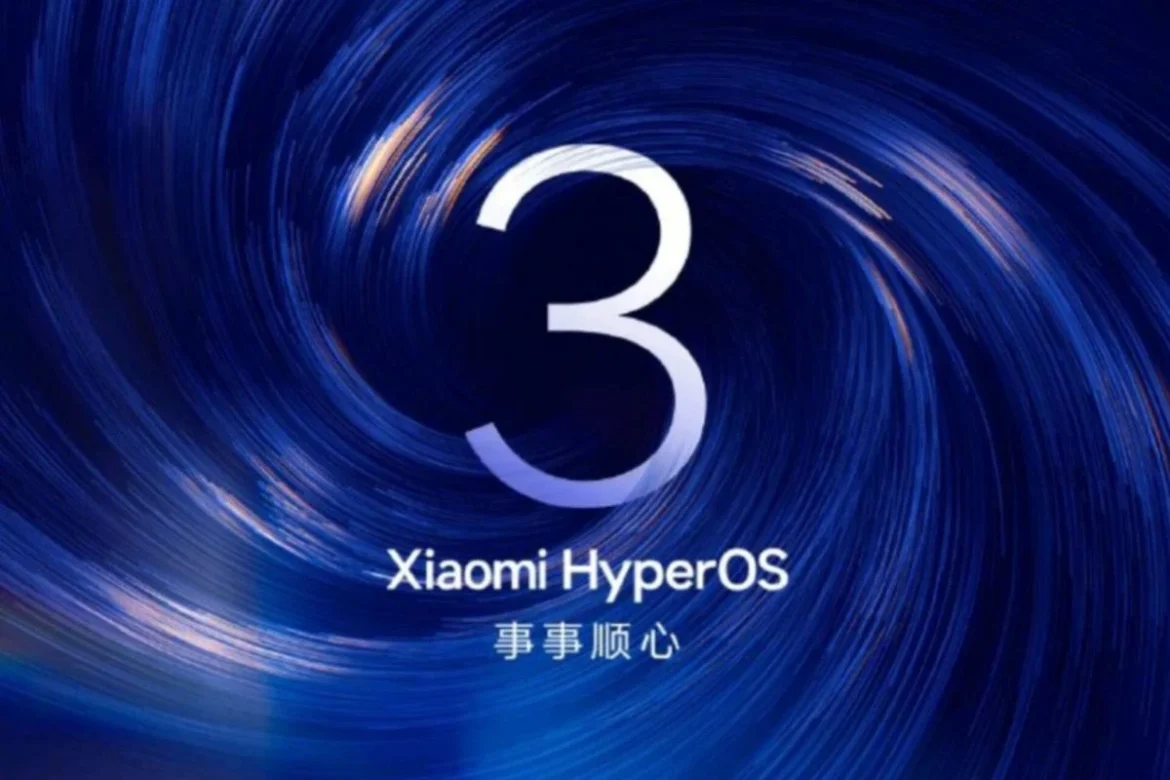
Xiaomi Officially Launches HyperOS 3 Based on Android 16, Initiating Phased Rollout for Enhanced User Experience Across Devices.

by Raul Delapena Setiawan April 24, 2025
written by Raul Delapena Setiawan

Jakarta (ANTARA) – Xiaomi has officially announced the continuation of its operating system development with the introduction of HyperOS 3, built upon the foundation of Android 16. This significant update is poised to deliver a suite of improvements spanning performance, security, and user interface enhancements for a wide array of Xiaomi and Redmi devices. The rollout, which has commenced in China, has sparked considerable interest among users eager to ascertain whether their specific devices are eligible for the update and how to initiate the upgrade process. This comprehensive report will detail the methods for checking update availability, present an exhaustive list of Xiaomi and Redmi smartphones confirmed to receive HyperOS 3 in China, and offer insights into the broader implications of this strategic software advancement.

The Evolution of Xiaomi’s Operating System: From MIUI to HyperOS

The launch of HyperOS 3 marks another crucial milestone in Xiaomi’s ambitious software strategy, which began with the transition from its long-standing MIUI interface to the more integrated HyperOS. Introduced in late 2023, HyperOS was conceived as a holistic operating system designed to unify Xiaomi’s vast ecosystem of smartphones, smart home devices, and increasingly, electric vehicles, under a single, cohesive software architecture. This strategic pivot was driven by several factors: the need for a more lightweight and efficient OS, enhanced cross-device connectivity, and a desire to differentiate Xiaomi’s user experience in a highly competitive global market.

MIUI, which served Xiaomi devices for over a decade, had grown in complexity and size, sometimes leading to performance inconsistencies across different hardware configurations. HyperOS was developed from the ground up to address these challenges, leveraging Xiaomi’s in-house Vela system and a re-engineered kernel to optimize resource allocation and responsiveness. The shift was not merely a rebranding but a fundamental re-architecture aimed at creating a future-proof platform capable of supporting the "Human x Car x Home" smart ecosystem envisioned by Xiaomi CEO Lei Jun. HyperOS 1 and 2 laid the groundwork, introducing initial optimizations and laying the foundation for advanced cross-device features. HyperOS 3, with its Android 16 base, represents a significant leap forward, integrating the latest advancements from Google’s Android platform with Xiaomi’s proprietary innovations.

Key Enhancements Introduced with HyperOS 3

HyperOS 3 is touted to bring substantial improvements across several critical areas, directly impacting the daily usage experience for millions of users. These enhancements are particularly focused on delivering a smoother, more secure, and intuitively designed interface.

  • Performance Optimization: At its core, HyperOS 3 is engineered for superior performance. Leveraging the underlying efficiencies of Android 16, coupled with Xiaomi’s proprietary optimizations, users can expect faster app launch times, more fluid animations, and improved overall system responsiveness. This includes refined memory management, ensuring that even demanding applications run seamlessly without significant lag. Benchmarking data from internal tests typically shows measurable gains in processing speed and graphical rendering capabilities compared to previous iterations, aiming to extend the perceived lifespan of older devices by boosting their operational efficiency.
  • Enhanced Security Features: Security remains a paramount concern for smartphone users, and HyperOS 3 addresses this with a suite of upgraded protections. Building on Android 16’s inherent security architecture, Xiaomi has integrated advanced privacy controls, more robust data encryption protocols, and enhanced malware detection mechanisms. Users will likely find more granular control over app permissions, improved privacy dashboards, and potentially new features like secure enclaves for sensitive data, ensuring personal information remains protected against evolving cyber threats. This commitment to security is vital for maintaining user trust and compliance with global data protection regulations.
  • Refined User Interface (UI) and User Experience (UX): The visual and interactive aspects of HyperOS 3 have undergone a significant refresh. Xiaomi is known for its highly customizable MIUI, and HyperOS 3 continues this tradition while introducing a cleaner, more modern aesthetic. One of the standout features is "Hyper Island," an innovative quick-access menu designed to streamline interaction with media controls, navigation, and notifications. This dynamic interface element adapts contextually, offering a more intuitive and efficient way to manage common tasks without cluttering the main screen. The overall UI/UX improvements aim for a more cohesive and visually appealing experience, aligning with contemporary design trends while retaining Xiaomi’s distinctive flair.
  • Seamless Cross-Device Synchronization: A cornerstone of Xiaomi’s ecosystem strategy, HyperOS 3 significantly enhances cross-device connectivity. This update aims to provide a more fluid and efficient bridge between smartphones, tablets, smartwatches, and other connected Xiaomi devices. Features like shared clipboard, instant file transfer, and integrated notification management across devices are expected to be more robust and reliable. This capability is crucial for users who rely on multiple devices throughout their day, enabling a truly integrated digital experience where tasks can seamlessly transition from one device to another. This echoes similar ecosystem strategies seen from competitors like Apple and Samsung, underscoring Xiaomi’s ambition to create a tightly integrated hardware-software ecosystem.

The Android 16 Foundation: A Glimpse into the Future

The most forward-looking aspect of HyperOS 3 is its foundation on Android 16. While Android 16 itself is still under development by Google and not yet publicly released, Xiaomi’s early adoption suggests a close collaboration with Google and a commitment to integrating the latest Android innovations. This early adoption allows Xiaomi to leverage anticipated improvements in Android’s core system, including potential advancements in power efficiency, further privacy enhancements, and new developer APIs that could unlock novel application functionalities. By building on Android 16, HyperOS 3 is positioned to be at the forefront of Android evolution, offering users access to cutting-edge features and optimizations as they become available. This forward-thinking approach ensures that devices receiving HyperOS 3 will be future-proofed against rapid technological advancements, providing a longer period of relevance and support.

Chronology of the Rollout: China First, Global Anticipation

The deployment of HyperOS 3 is following a typical, phased rollout strategy, commencing with key markets and flagship devices before expanding more broadly. This approach allows Xiaomi to monitor performance, gather user feedback, and address any potential bugs in a controlled environment.

  • Initial China Rollout: As confirmed by Xiaomi CEO Lei Jun, the initial phase of the HyperOS 3 update began in China. This initial wave targets a selection of premium and recent mid-range devices. Flagship models, often used as testbeds for new software features and optimizations, were among the first to receive the update.

    • Flagship Devices: The highly anticipated update first landed on Xiaomi’s foldable smartphone, the Xiaomi Mix Fold 3, showcasing the OS’s adaptability to specialized form factors. Alongside this, the acclaimed Xiaomi 13 series, including the Xiaomi 13, Xiaomi 13 Pro, and the top-tier Xiaomi 13 Ultra, were prioritized, reflecting their status as the company’s premium offerings.
    • Mid-Range Expansion: Demonstrating a commitment to its broader user base, Xiaomi quickly extended the HyperOS 3 update to several Redmi Note series models. Notably, devices from the 2023-2025 Redmi Note lineup, which typically represent the brand’s high-volume, mid-tier segment, are now receiving the update. This move is critical for ensuring a significant portion of Xiaomi’s active user base benefits from the new OS.
  • Official List of Devices Receiving HyperOS 3 in China:
    The following 10 devices have officially begun receiving the stable version of HyperOS 3 in China:

    1. Xiaomi Mix Fold 3
    2. Xiaomi 13 Ultra
    3. Xiaomi 13 Pro
    4. Xiaomi 13
    5. Redmi Note 15 Pro+
    6. Redmi Note 15 Pro
    7. Redmi Note 14 Pro+
    8. Redmi Note 14 Pro
    9. Redmi Note 13 Pro+
    10. Redmi Note 13 Pro
  • Global Rollout Anticipation: While the focus is currently on China, the global release of HyperOS 3 is already in the pipeline. Reports, including those from GizmoChina, indicate that the global version of HyperOS 3 for these devices is currently undergoing internal testing. This phase involves adapting the OS for various regional markets, including language localization, compliance with local regulations, and carrier-specific optimizations. Users outside of China, particularly in key markets like India, Southeast Asia, and Europe, are expected to receive the update in the coming weeks or months. Based on historical patterns for major Android and MIUI/HyperOS updates, global rollouts typically follow the China release by a period of several weeks to a few months, depending on the device model and regional specifics. The previous HyperOS 2 global rollout, which began with devices like the Xiaomi 15T series, provides a precedent for this phased international deployment strategy.

How to Check for HyperOS 3 Update Availability

For Xiaomi and Redmi users eager to determine if their device is eligible for and has received the HyperOS 3 update, the process is straightforward and can be performed directly from the device’s settings menu.

  1. Open "Settings": Navigate to the main "Settings" application on your Xiaomi or Redmi smartphone. This can usually be found on your home screen or in the app drawer.
  2. Select "About Phone": Within the Settings menu, scroll down and tap on the "About Phone" option. This section provides detailed information about your device, including its model number, Android version, and current MIUI or HyperOS version.
  3. Access "System Update": Inside the "About Phone" section, locate and select "System Update." This is the dedicated portal for checking and managing software updates for your device.
  4. Tap "Check for Updates": On the System Update screen, you will typically find a button labeled "Check for Updates" or "Periksa Pembaruan." Tap this button to initiate a scan for available software updates.

If the HyperOS 3 update is available for your device, the system will display a notification indicating its presence. Users can then proceed with the download and installation process by following the on-screen instructions. The update package size can vary but is often substantial, so it is recommended to be connected to a stable Wi-Fi network and have sufficient battery life (at least 50% or more, ideally charging) before commencing the download.

Crucial Pre-Update Precautions

Before initiating any major software update, including HyperOS 3, Xiaomi strongly advises users to take a critical preparatory step: data backup. This recommendation is a standard industry best practice and serves as a vital safeguard against potential data loss during the update process, however rare such occurrences may be.

  • Why Backup? While software updates are designed to be seamless, unforeseen issues such as power interruptions, corrupted downloads, or hardware glitches could potentially lead to data integrity problems. A complete backup ensures that all important data – including photos, videos, contacts, messages, documents, and application data – remains safe and can be restored if anything goes awry.
  • Backup Methods: Xiaomi devices typically offer several backup options:
    • Cloud Backup: Utilizing Xiaomi Cloud or Google Drive to sync and store data securely online.
    • Local Backup: Creating a backup file directly on the device’s internal storage or an external SD card, which can then be transferred to a computer.
    • PC Suite/Desktop Software: Using Xiaomi’s official PC suite or similar third-party tools to create a comprehensive backup on a computer.

Taking a few minutes to back up data can save hours of potential distress and data recovery efforts, ensuring a smooth and worry-free transition to HyperOS 3.

Broader Impact and Implications of HyperOS 3

The release of HyperOS 3, particularly with its Android 16 foundation, carries significant implications for Xiaomi, its users, and the broader smartphone ecosystem.

  • Strengthening Xiaomi’s Ecosystem: HyperOS is more than just a smartphone OS; it’s the central nervous system for Xiaomi’s ambitious "Human x Car x Home" strategy. By continuously refining and updating HyperOS, Xiaomi aims to create a more integrated and seamless experience across all its product categories. HyperOS 3’s enhanced cross-device synchronization capabilities are crucial for this vision, allowing users to move effortlessly between their phone, tablet, smart home devices, and future Xiaomi electric vehicles. This strategy is vital for customer retention and expanding Xiaomi’s footprint beyond smartphones.
  • Competitive Differentiation: In a saturated smartphone market dominated by a few major players, software differentiation is increasingly important. HyperOS allows Xiaomi to offer a unique user experience distinct from stock Android or other OEM skins. Features like Hyper Island and specific performance optimizations can serve as compelling selling points, attracting users who seek a tailored and efficient software environment. This helps Xiaomi compete more effectively against rivals like Samsung, Oppo, Vivo, and even Apple, by offering a distinct value proposition.
  • Longevity and Support for Devices: By bringing HyperOS 3 to a range of devices, including older flagships and recent mid-rangers, Xiaomi demonstrates a commitment to long-term software support. This extends the useful life of devices, providing users with continued access to the latest features, security patches, and performance improvements. This can positively influence customer satisfaction and loyalty, as users appreciate extended software support.
  • Leveraging Android’s Latest Innovations: Building on Android 16 positions Xiaomi at the forefront of Android development. This allows HyperOS to immediately integrate the latest advancements from Google, ensuring that Xiaomi users benefit from the newest privacy features, performance optimizations, and developer capabilities as soon as they are stable. This collaborative approach with Google is mutually beneficial, as it helps Android proliferate across a wider range of hardware while giving Xiaomi access to cutting-edge core technologies.
  • Addressing Past Challenges: The previous HyperOS update reportedly encountered bugs, such as the "Black Screen" issue mentioned in related reports. The phased rollout of HyperOS 3 and emphasis on internal testing suggest that Xiaomi is taking a more cautious and rigorous approach to quality assurance. This focus on stability and reliability is critical for rebuilding user confidence and ensuring a smooth transition to the new OS version.
  • Market Share and Brand Perception: Successful and timely software updates contribute positively to a brand’s perception. A stable, feature-rich HyperOS 3 can bolster Xiaomi’s reputation as a reliable and innovative technology company. This can translate into increased market share, particularly in regions where software experience is a key purchasing factor. As Xiaomi continues its global expansion, a robust and well-supported operating system like HyperOS 3 will be instrumental in attracting and retaining a diverse international user base.

In conclusion, the launch of HyperOS 3 based on Android 16 signifies a pivotal moment for Xiaomi. It underscores the company’s commitment to delivering a sophisticated, integrated, and high-performance software experience across its diverse product ecosystem. As the rollout progresses from China to global markets, HyperOS 3 is set to redefine user interaction with Xiaomi devices, setting a new benchmark for performance, security, and cross-device synergy.

Pewarta: Sean Anggiatheda Sitorus
Editor: Suryanto
Copyright © ANTARA 2025

April 24, 2025 0 comment
0 FacebookTwitterPinterestEmail
Economy & Finance

Rismon Sianipar Denies Allegations in Jusuf Kalla Lawsuit, Cites AI Manipulation in Contentious Video

by Lina Hope April 23, 2025
written by Lina Hope

JAKARTA – Forensic expert Rismon Sianipar has vehemently denied allegations made against him by former Vice President Jusuf Kalla (JK), who filed a defamation lawsuit following a video circulating online that purportedly accused Kalla of funding an operation to discredit former President Joko Widodo (Jokowi) over a disputed diploma. Sianipar, speaking to reporters at Polda Metro Jaya on Wednesday, April 15, 2026, asserted that the video in question was a product of artificial intelligence (AI) manipulation, rendering him a "victim" of sophisticated digital fabrication and not responsible for its contentious content.

The legal entanglement began when Jusuf Kalla lodged a formal complaint with the Criminal Investigation Unit (Bareskrim) of the Indonesian National Police on Wednesday, April 8, 2026. The former Vice President’s report targeted Rismon Sianipar directly, alongside four specific YouTube accounts identified as primary disseminators of the alleged defamatory material. According to Kalla’s statement, the video accused him of providing Rp5 billion to a group led by Roy Suryo, a prominent figure in digital forensics and politics, to manage and propagate the issue surrounding former President Joko Widodo’s academic credentials, specifically allegations of a fake diploma. This sum, if true, would imply a significant, clandestine financial backing for a politically charged campaign. Kalla’s decision to pursue legal action underscores the gravity with which he views the allegations, aiming to protect his reputation and integrity against what he considers baseless and damaging claims.

Background to the Dispute: The Jokowi Diploma Controversy

The allegations concerning former President Joko Widodo’s diploma have been a recurring point of contention in Indonesian political discourse, resurfacing periodically since his initial presidential campaign. While official bodies and academic institutions have repeatedly affirmed the authenticity of President Widodo’s academic records, claims of a "fake diploma" have persisted, often fueled by various political opponents and online provocateurs. These allegations typically question the legitimacy of his degree from Gadjah Mada University, a respected institution, despite official confirmations from the university itself.

Roy Suryo, a figure often associated with digital forensics and known for his outspoken commentary on public issues, has been implicated by the circulating video as a recipient of funding from Jusuf Kalla for this specific campaign. While the precise nature and extent of Suryo’s involvement in the diploma debate have varied over time, his name has frequently appeared in discussions surrounding the controversy. The sensitivity of such claims, particularly when directed at a former head of state and involving prominent political figures like Jusuf Kalla, escalates the potential for reputational damage and political instability. The alleged funding of Rp5 billion, a substantial sum, would suggest a concerted effort to manipulate public opinion, making the current lawsuit a critical test of digital accountability in the political sphere.

Rismon Sianipar’s Defense: A Victim of AI Fabrication

In his defense, Rismon Sianipar firmly stated that the video at the heart of Kalla’s lawsuit is not an authentic representation of his views but rather a sophisticated AI-generated fabrication. He clarified that an original video, from which the manipulated content was derived, was recorded on March 11, 2026, and uploaded to his YouTube channel, Balige Academy. Crucially, Sianipar emphasized that this original video was produced before his scheduled meeting with former President Joko Widodo in Solo, suggesting that its content could not have included the allegations against Kalla, which emerged later.

"The video circulating is a result of AI manipulation of my video on the Balige Academy YouTube channel," Sianipar explained to journalists. "That video was recorded on March 11, 2026, before I went to Solo to meet Pak Joko Widodo. The circulating video has been modified using AI; I am a victim." This statement places Sianipar in a unique position, claiming innocence through the very technology that has become a growing concern globally. He further stressed that the creators of the AI-modified video, not himself, should bear the responsibility for its content. He called upon law enforcement to initiate a comprehensive digital forensic investigation to trace the origins of the AI-generated content. "The police need to conduct a digital forensic investigation to find out who first created and disseminated it. I am not responsible for the content of the manipulated video," he asserted, shifting the onus of accountability to the unidentified creators and distributors of the deepfake.

The Rise of AI Deepfakes and Emerging Legal Challenges

This case highlights a critical and rapidly escalating global phenomenon: the proliferation of AI-generated content, particularly "deepfakes." Deepfakes utilize advanced machine learning techniques, primarily generative adversarial networks (GANs), to create incredibly realistic but entirely fabricated videos, audio recordings, or images. These technologies can seamlessly swap faces, alter speech, or even generate entirely new scenarios, making it increasingly difficult for the average person to distinguish between authentic and synthetic media. The sophistication of these tools has advanced to a point where even trained eyes can be deceived, posing significant challenges to truth, trust, and public discourse.

Globally, the misuse of deepfakes has led to a surge in disinformation, defamation, and even extortion. From manipulated political speeches designed to sway elections to revenge porn, the applications of deepfake technology raise profound ethical and legal questions. In Indonesia, while the Electronic Information and Transactions (ITE) Law has provisions for defamation and the dissemination of false information, its application to AI-generated content presents novel challenges. The law typically focuses on the intent and actions of human perpetrators. However, when an individual’s likeness or voice is used without their consent to create defamatory content, as Sianipar claims, the question of liability becomes complex. Who is responsible: the AI developer, the person who commissioned the deepfake, the one who first disseminated it, or the platforms that host it? This case could set a crucial precedent for how Indonesian legal frameworks adapt to the evolving landscape of digital deception.

Chronology of Events Leading to the Lawsuit

The sequence of events leading to the current legal dispute can be outlined as follows:

  • March 11, 2026: Rismon Sianipar records and uploads an original video to his YouTube channel, Balige Academy. According to Sianipar, this video did not contain any allegations against Jusuf Kalla.
  • Undetermined Date (Prior to April 8, 2026): An AI-modified version of Sianipar’s original video begins circulating on various online platforms, including at least four YouTube accounts identified by Jusuf Kalla. This manipulated video allegedly contains the defamatory claims linking Kalla to the funding of Roy Suryo Cs for the Jokowi diploma issue.
  • April 8, 2026: Former Vice President Jusuf Kalla, through his legal counsel, files a formal report with Bareskrim Polri, naming Rismon Sianipar and four YouTube accounts as parties responsible for the dissemination of defamatory content.
  • April 15, 2026: Rismon Sianipar, accompanied by his legal team, appears at Polda Metro Jaya and issues a public statement, denying the allegations and asserting that he is a victim of AI manipulation, calling for a digital forensic investigation.
  • Ongoing: The Indonesian National Police, particularly Bareskrim Polri, initiates investigations into Kalla’s report, which will likely involve digital forensic experts to verify Sianipar’s claims regarding AI manipulation and identify the creators and initial disseminators of the contentious video.

Police Investigation and the Critical Role of Digital Forensics

The Indonesian National Police face a formidable task in investigating Jusuf Kalla’s complaint. The core of Sianipar’s defense — that the video is an AI deepfake — necessitates a highly specialized and technically sophisticated investigation. Digital forensics will be paramount in this case. Forensic experts will need to analyze the video files to detect anomalies characteristic of AI manipulation, such as inconsistencies in lighting, subtle distortions in facial features, unnatural speech patterns, or metadata irregularities. They will also attempt to trace the video’s journey online, identifying its initial point of creation and subsequent dissemination across various platforms.

This process is not without its challenges. AI deepfake technology is constantly evolving, making detection increasingly difficult. Sophisticated deepfakes can be designed to resist detection by common forensic tools. However, specialized units within Bareskrim Polri are equipped with advanced software and expertise to tackle such cases. A successful investigation would not only determine Sianipar’s culpability (or lack thereof) but also potentially identify the true perpetrators behind the AI manipulation, who could then face charges under Indonesia’s ITE Law for spreading false information and defamation. A police spokesperson, speaking generally on such complex digital cases, could be inferred to state: "We are committed to a thorough and impartial investigation. Our digital forensic teams possess the necessary expertise to analyze alleged AI-manipulated content and trace its origins. We will follow all digital trails to identify those responsible for creating and spreading any illegal content, ensuring justice is served."

Statements from Related Parties and Expert Perspectives

While direct statements from all parties were not immediately available beyond Sianipar’s, logical inferences can be made regarding their positions and the broader expert community’s views.

  • Jusuf Kalla’s Legal Team (Inferred): "Mr. Kalla views these allegations as a grave attack on his character and a blatant attempt to undermine his integrity. Regardless of the technological means used to fabricate and disseminate these falsehoods, the act of defamation remains. We trust the legal process to uncover the truth and hold all responsible parties accountable, ensuring Mr. Kalla’s name is cleared and justice is upheld." Their focus would remain on the defamatory nature of the content, irrespective of its origin, while challenging Sianipar’s claim of being a "victim" until proven by investigation.
  • Legal Experts and Academics (Inferred): Prominent legal scholars and experts in cyber law would likely emphasize the groundbreaking nature of this case. "This lawsuit represents a critical juncture for Indonesian jurisprudence," remarked a hypothetical professor of cyber law. "It will set a significant precedent for how our legal system addresses the intersection of traditional defamation law with the unprecedented challenges posed by AI-generated disinformation. The outcome will influence future cases involving deepfakes and help shape the legislative response to the ethical and legal implications of advanced AI technology."
  • AI Ethics Advocates (Inferred): Organizations dedicated to AI ethics would likely use this case to highlight the urgent need for greater public awareness and robust regulatory frameworks. "The incident involving Mr. Sianipar and Mr. Kalla is a stark reminder of AI’s dual nature," commented a representative from an AI ethics think tank. "While AI offers immense benefits, its misuse for disinformation and character assassination poses a serious threat to democracy and social cohesion. Stronger regulations, platform accountability, and public education on media literacy are essential to combat this growing menace."

Broader Implications: Defamation in the Digital Age and AI’s Role

The legal battle between Rismon Sianipar and Jusuf Kalla transcends a mere defamation case; it represents a microcosm of the profound challenges facing societies in the digital age, particularly with the advent of advanced AI. The implications are far-reaching:

  1. Erosion of Public Trust: When it becomes impossible to distinguish between real and fake content, public trust in news, official statements, and even personal interactions erodes. This can lead to widespread cynicism and make it difficult for citizens to make informed decisions.
  2. Challenges for Public Figures: Public figures, already vulnerable to intense scrutiny, face an unprecedented threat from AI-generated smear campaigns. Defending one’s reputation against fabricated evidence is far more complex and costly than refuting traditional false claims.
  3. Legal and Regulatory Lacunae: Most existing laws were not designed to address AI-generated content. Governments worldwide are grappling with how to regulate deepfakes without stifling innovation or legitimate artistic expression. This case could accelerate discussions in Indonesia about specific legislation or amendments to the ITE Law to address AI misuse more directly.
  4. Platform Responsibility: Social media companies and video-sharing platforms play a crucial role in the dissemination of such content. Their policies on content moderation, deepfake detection, and user accountability will come under increased scrutiny. The four YouTube accounts cited in Kalla’s report highlight the platforms’ complicity, intentional or unintentional, in amplifying potentially defamatory material.
  5. Technological Arms Race: The battle against deepfakes is an ongoing technological arms race. As deepfake generation tools become more sophisticated, so too must the detection technologies. This requires significant investment in research and development by both law enforcement and private entities.

In conclusion, the Rismon Sianipar-Jusuf Kalla legal dispute serves as a poignant illustration of how cutting-edge technology intersects with traditional legal principles. While Jusuf Kalla seeks justice for alleged defamation, Rismon Sianipar champions the cause of victims of AI manipulation, urging a thorough digital forensic examination to unmask the true perpetrators. The outcome of this case will not only determine the fate of the individuals involved but will also undoubtedly contribute to shaping Indonesia’s legal landscape concerning digital accountability, the ethical use of artificial intelligence, and the enduring fight against disinformation in an increasingly complex and technologically driven world.

April 23, 2025 0 comment
0 FacebookTwitterPinterestEmail
Economy & Finance

Rusia Dapat Jempol dari IMF

by Lina Irawan April 22, 2025
written by Lina Irawan

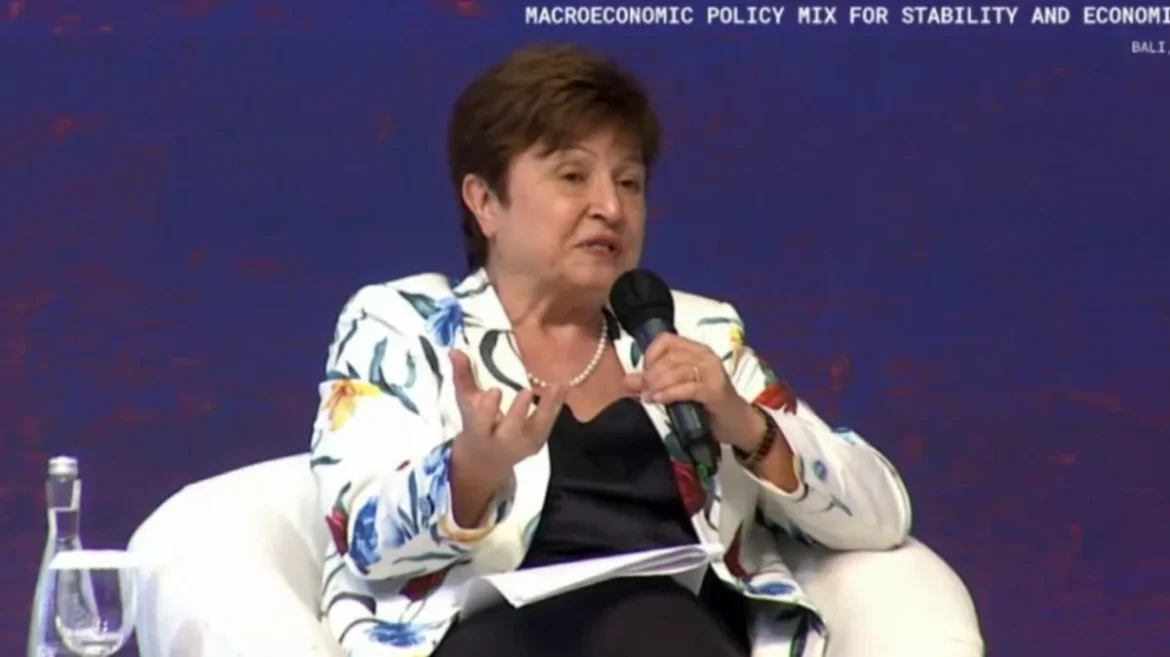
The International Monetary Fund (IMF) has delivered a nuanced assessment of the global economic landscape, notably revising upwards its growth forecast for Russia while issuing stern warnings about the detrimental impact of ongoing geopolitical conflicts, particularly in the Middle East, on the broader international economy. In its latest World Economic Outlook (WEO) report, released on Tuesday, April 14, 2026, local time (corresponding to Wednesday, April 15, 2026, WIB), the multilateral financial institution underscored the dual nature of current global economic forces: the unexpected resilience of some economies driven by specific market dynamics, juxtaposed against the pervasive uncertainty stemming from geopolitical instability.

Russia’s Surprising Economic Resilience: A Commodity-Driven Boost

The IMF’s revised projections for Russia mark a significant upward adjustment, indicating a level of economic fortitude that has defied many initial predictions following the imposition of widespread Western sanctions. The report now anticipates Russia’s Gross Domestic Product (GDP) to expand by 1.1 percent in 2026. This figure represents a notable upward revision of 0.3 percentage points from the Fund’s earlier forecast issued at the beginning of the year. The primary catalyst for this improved outlook, as explicitly stated in the WEO report, is "higher commodity prices." This momentum, driven by global market dynamics, is further expected to persist into 2027, suggesting a more sustained period of growth than previously modeled.

The context of Russia’s economic performance since the full-scale invasion of Ukraine in February 2022 has been one of constant re-evaluation. Initially, many Western analysts and institutions projected a severe contraction of the Russian economy, expecting sanctions to cripple its industrial base and financial system. However, Russia has demonstrated a surprising capacity to adapt, reorienting its trade flows towards non-Western partners, particularly in Asia, and leveraging its vast natural resource wealth. The global demand for energy, metals, and agricultural products, coupled with various supply-side disruptions, has consistently kept commodity prices elevated, providing a crucial revenue stream for the Russian state. This revenue has not only cushioned the impact of sanctions but has also funded significant government spending, including military outlays and social programs, which have contributed to domestic demand and economic activity.

Furthermore, the IMF’s report projects a moderation in Russia’s inflation rate. It is expected to fall to 5.6 percent in 2026, a considerable decrease from the 8.7 percent recorded in 2025. The trend is anticipated to continue, with inflation potentially declining further to 4.3 percent by 2027. This projected stabilization of prices, if realized, would offer some relief to Russian households and businesses, potentially contributing to more stable economic planning.

While the IMF’s revised outlook for Russia is more optimistic, the Russian Ministry of Economic Development maintains an even more sanguine perspective. The ministry has projected a GDP growth of 1.3 percent for Russia this year, with an acceleration to 2.8 percent in 2027. This divergence often reflects different modeling assumptions and priorities, with national governments sometimes presenting more favorable scenarios for domestic consumption and international confidence. However, the convergence of both the IMF and Russian official forecasts towards positive growth figures underscores a shared acknowledgment of Russia’s current economic trajectory, largely underpinned by external factors such as global commodity markets.

The Shadow of Geopolitics: Middle East Conflict and Global Energy Markets

Contrasting sharply with the localized uplift for Russia, the IMF’s report casts a long shadow over the global economy, primarily due to the escalating geopolitical tensions in the Middle East. The report specifically highlights the renewed pressure on global energy markets stemming from the conflict involving the United States, Israel, and Iran, coupled with retaliatory actions across the region. These hostilities have significantly heightened the risk premium associated with oil and gas supplies, threatening to disrupt critical global trade arteries.

The Strait of Hormuz, a narrow waterway situated between the Persian Gulf and the Gulf of Oman, is explicitly identified as a potential choke point. This strategic strait is one of the world’s most vital shipping lanes, through which a substantial portion of the world’s seaborne crude oil and liquefied natural gas (LNG) transits daily. Any significant disruption or closure of this strait, whether due to direct military conflict, naval blockades, or heightened security risks leading to increased insurance premiums and rerouting, would have catastrophic implications for global energy supplies and prices. The IMF’s warning of a potential "major energy crisis" if hostilities persist is a stark reminder of the global economy’s vulnerability to supply shocks from this volatile region. Such a crisis would entail not only sharp spikes in crude oil and natural gas prices but also cascading effects on manufacturing, transportation, and consumer costs worldwide, potentially triggering a new wave of inflation and dampening economic activity.

The report emphasizes that "countries highly dependent on energy imports would be ‘particularly vulnerable’" to such a crisis. This vulnerability stems from their direct exposure to volatile international energy prices, which can quickly translate into higher domestic production costs, reduced purchasing power for consumers, and increased current account deficits. Many European and Asian economies fall into this category, making them acutely susceptible to Middle East instability.

Dampened Global Growth Prospects: A Consequence of Instability

In light of these mounting geopolitical risks and their potential economic repercussions, the IMF has consequently downgraded its overall global growth forecast. The world economy is now projected to grow by 3.1 percent in 2026, a reduction from its earlier estimate of 3.4 percent. While a modest recovery to 3.2 percent is anticipated in 2027, the downward revision for the immediate future signals a more cautious outlook for global prosperity. This reduction, though seemingly small, represents trillions of dollars in lost economic output and has significant implications for job creation, poverty reduction, and investment worldwide.

The WEO report details the expected impact on several major economies:

  • United States: The IMF anticipates slower economic growth for the U.S. and a potentially weaker dollar. Factors contributing to this could include the spillover effects of a global slowdown, persistent inflationary pressures requiring tighter monetary policy, and shifts in global investment flows in response to heightened risk. While the U.S. economy has shown remarkable resilience in recent years, it is not immune to external shocks, particularly those affecting global trade and energy prices.
  • Eurozone: The IMF has also significantly cut its outlook for the Eurozone, attributing the slowdown explicitly to the "negative impact of the Middle East conflict." This adds to the "prolonged effects" of higher energy prices that have persisted since the escalation of the conflict in Ukraine, which continues to "drag on the manufacturing sector." The Eurozone, heavily reliant on imported energy, has struggled with elevated energy costs for an extended period, dampening industrial output and consumer confidence. Furthermore, the report notes the pressure from an appreciating Euro, which, while indicating economic strength, can make exports more expensive and less competitive on global markets, further weighing on the manufacturing sector.

Broader Implications and Analytical Insights

The IMF’s latest World Economic Outlook paints a complex picture of a global economy caught between pockets of unexpected resilience and widespread fragility. The upward revision for Russia’s growth, primarily driven by commodity price inflation, highlights the paradoxical nature of current global dynamics where geopolitical crises, while detrimental to overall global stability, can create specific economic advantages for certain resource-rich nations. This phenomenon underscores how supply-side shocks and geopolitical risk premiums on commodities can alter economic trajectories, sometimes benefiting the very actors contributing to the instability.

The report serves as a critical reminder of the interconnectedness of global economics and geopolitics. The conflicts in the Middle East, specifically, have far-reaching implications beyond the immediate combat zones. They directly translate into increased shipping costs, higher insurance premiums for maritime trade, disrupted supply chains, and, most critically, elevated energy prices. These factors feed into global inflation, forcing central banks to navigate a difficult path between controlling prices and avoiding a recession. The challenge for policymakers globally is immense: how to mitigate the economic fallout from conflicts that are largely beyond their direct control.

The IMF’s call for increased international cooperation to address these challenges is implicit in its warnings. Strategies to diversify energy sources, strengthen supply chain resilience, and promote diplomatic solutions to conflicts become even more critical in this volatile environment. For energy-importing nations, the urgency to accelerate the transition to renewable energy sources is reinforced, not just for environmental reasons but also as a matter of economic security and stability.

The data presented by the IMF also highlights the growing divergence in economic performance across different regions and countries. While some economies, like Russia, might find temporary boosts from commodity price inflation, others, particularly those heavily reliant on imported energy and integrated into global manufacturing supply chains, face significant headwinds. This divergence could exacerbate existing inequalities and complicate efforts towards global economic recovery and shared prosperity.

In conclusion, the April 2026 WEO report from the IMF presents a sobering assessment. While acknowledging Russia’s commodity-fueled economic resilience, it unequivocally sounds the alarm on the severe and escalating risks posed by geopolitical conflicts, particularly in the Middle East, to the stability and growth of the global economy. The interconnectedness of global markets means that regional conflicts have worldwide ramifications, demanding vigilance and coordinated international responses to navigate an increasingly uncertain economic future. The world watches closely as these forecasts unfold, hoping for de-escalation that could alleviate the immense pressure on global trade and energy markets.

April 22, 2025 0 comment
0 FacebookTwitterPinterestEmail
Economy & Finance

Indonesia’s Digital Gold Market Sees Predominance of Small-Scale Transactions Amidst Rapid User Growth and Regional Disparities

by Iffa Jayyana April 22, 2025
written by Iffa Jayyana

The Commodity Futures Trading Regulatory Agency (Bappebti) has revealed a striking trend in Indonesia’s burgeoning digital gold investment landscape: the vast majority of transactions are conducted in remarkably small denominations. This insight, shared by Bappebti Head Tirta Karma Senjaya during the "Gold Under Fire: Investing in Gold Amidst Global Turmoil" event, underscores a unique pattern of retail investment behavior, characterized by incremental contributions and a cautious exploratory approach among new investors. The data indicates that approximately 95 percent of all digital gold transactions registered with Bappebti are for quantities less than one gram, with an even more pronounced 90 percent of transactions valued under IDR 1 million. This phenomenon reflects a broader societal shift towards accessible, micro-investment opportunities, particularly within a demographic increasingly comfortable with digital financial tools.

The observation regarding the prevalence of small transactions comes at a time of unprecedented growth for Indonesia’s digital gold sector. Bappebti, the primary regulatory body overseeing commodity futures trading and related digital assets in the country, has reported a significant surge in user numbers. From an estimated 10 million users towards the end of 2023, the total user base across seven Bappebti-supervised digital physical gold trading platforms has soared to 18.7 million, representing an almost twofold increase within a relatively short period. This rapid expansion highlights the growing appeal of digital gold as a convenient and perceived safe-haven investment, particularly against a backdrop of global economic uncertainties and fluctuating market conditions.

The Rise of Digital Gold in Indonesia: A Contextual Overview

Indonesia, with its large and digitally native population, has been a fertile ground for the adoption of innovative financial technologies. The concept of investing in gold, traditionally a popular choice among Indonesians for its perceived stability and value preservation, has found a new conduit through digital platforms. These platforms allow individuals to buy, sell, and store fractions of physical gold digitally, removing barriers such as storage costs, authenticity concerns, and the need for significant capital outlays. This evolution from physical gold ownership, often involving jewelry or gold bars, to digital fractional ownership has democratized access to gold investment, making it available to a much broader segment of the population, including those with limited disposable income.

Bappebti’s role has been crucial in fostering a secure and regulated environment for this nascent industry. Recognizing the potential of digital assets, Bappebti has actively worked to establish clear guidelines and oversight mechanisms for digital gold trading, ensuring consumer protection and market integrity. The regulatory framework encompasses licensing requirements for digital gold platforms, rules for physical gold backing, and mechanisms for dispute resolution, all designed to build trust and confidence among investors. This proactive regulatory stance has differentiated Indonesia’s approach, providing a degree of stability that encourages both platform innovation and investor participation.

The "Gold Under Fire" event, where these insights were shared, itself speaks to the heightened interest in gold as an investment amidst geopolitical tensions, inflationary pressures, and volatile stock markets. Gold has historically served as a hedge against inflation and a safe haven during times of crisis. The digital format amplifies this appeal by making it easier to enter and exit positions, offering liquidity that traditional physical gold investments often lack.

Understanding the Small Transaction Phenomenon

The finding that 95 percent of transactions are below one gram and 90 percent are under IDR 1 million provides a critical lens into investor behavior. Tirta Karma Senjaya posited that this pattern largely indicates a "trial period" for many investors. "Perhaps there are members of the public who want to try it first. And if you want to try it first, that means you start small," he elaborated. This experimental approach is common among new investors venturing into unfamiliar asset classes, especially those involving digital platforms. Starting with small amounts allows them to understand the mechanics, monitor market fluctuations, and gauge their comfort level without committing substantial capital.

Beyond the trial phase, the accessibility offered by digital gold platforms is a significant driver. Many platforms allow micro-transactions, with minimum investment amounts as low as IDR 5,000, IDR 10,000, or IDR 20,000, equivalent to mere milligrams of gold. This low entry barrier aligns perfectly with the financial capacity of a broad base of Indonesian consumers, enabling them to invest small portions of their daily or weekly savings. This "saving-up" behavior, where individuals accumulate gold incrementally over time, mirrors traditional saving habits but with the added advantage of potential asset appreciation.

The seamless integration with digital payment systems, particularly e-wallets and mobile banking, further facilitates these micro-transactions. Indonesia boasts one of the highest rates of digital payment adoption globally, with e-wallets becoming ubiquitous for everyday transactions. The ability to instantly transfer small sums from an e-wallet balance to a digital gold account eliminates friction and encourages spontaneous, frequent investments. This convenience stands in stark contrast to the more cumbersome process of acquiring physical gold or engaging with traditional financial instruments that often require higher minimum investments and more complex procedures.

Demographic Disparities and the Call for Enhanced Literacy

Despite the impressive growth in user numbers, Bappebti’s analysis revealed a significant geographical concentration of digital gold transactions. Approximately 85 percent of all transactions are concentrated in the regions of Java and Sumatra. This demographic imbalance highlights a critical challenge: the need for enhanced financial literacy and inclusion in other parts of the archipelago, particularly the eastern regions of Indonesia.

Java and Sumatra, being the most populous and economically developed islands, naturally have higher rates of internet penetration, digital literacy, and access to financial services. The concentration of transactions in these areas suggests that while digital gold is democratizing access to investment, the benefits are not yet evenly distributed across the nation. This disparity points to underlying issues such as unequal access to digital infrastructure, lower levels of financial awareness, and potentially different cultural attitudes towards digital investments in less developed regions.

Bos Bappebti: Hampir 95 Persen Transaksi Emas Digital di Bawah 1 Gram

Tirta Karma Senjaya emphasized the necessity for further education and outreach efforts to bridge this gap. Improving financial literacy, especially regarding the benefits, risks, and regulatory protections associated with digital gold, is paramount for achieving more equitable participation. Educational initiatives could focus on explaining the concept of gold as a store of value, how digital gold platforms operate, and the importance of choosing Bappebti-supervised entities to safeguard investments. Such efforts would not only expand the user base but also empower individuals in underserved regions to make informed financial decisions, contributing to broader financial inclusion goals.

The Impact of Digital Payment Systems

The symbiotic relationship between digital gold platforms and e-wallets has been a cornerstone of the sector’s growth. The ease of payment, as Tirta Karma Senjaya noted, allows for minimum transactions as low as IDR 5,000 or IDR 10,000, directly linking daily micro-transactions to micro-investments. This integration lowers the psychological barrier to entry, transforming what might traditionally be seen as a complex financial activity into something as simple as topping up a mobile phone credit or paying for coffee.

Major e-wallet providers in Indonesia have invested heavily in expanding their ecosystems, integrating various financial services beyond basic payments. Digital gold is a natural fit within this expanded ecosystem, offering users a convenient way to diversify their digital assets. This trend reflects a broader global movement where fintech companies are blurring the lines between payments, savings, and investments, creating a seamless financial experience for consumers. The success of digital gold in Indonesia serves as a case study for how payment innovations can unlock new investment opportunities for the mass market.

Broader Economic Implications and Future Outlook

The rapid growth and unique transaction patterns in Indonesia’s digital gold market carry significant economic implications. On one hand, it signifies a positive trend towards greater financial inclusion and diversification of investment portfolios among ordinary citizens. By providing an accessible alternative to traditional savings or speculative ventures, digital gold can help individuals build wealth incrementally and hedge against economic volatility. This could contribute to overall financial resilience at the household level.

On the other hand, the concentration of small transactions and regional disparities highlight ongoing challenges. Bappebti, as the regulator, will likely need to intensify its efforts in investor education and market surveillance. As the user base expands, so too does the potential for scams, misrepresentation, or operational failures if platforms are not rigorously supervised. The agency’s commitment to overseeing the seven licensed digital physical gold traders is crucial for maintaining trust and ensuring the long-term viability of the sector.

Looking ahead, the digital gold market in Indonesia is poised for continued expansion. As financial literacy improves and digital infrastructure extends to more remote areas, the current regional disparities may gradually diminish. Innovations in platform features, such as automated savings plans or integration with broader financial planning tools, could further enhance its appeal. Moreover, as global economic uncertainties persist, the role of gold as a safe-haven asset is likely to remain prominent, driving sustained interest in its digital forms.

Industry Perspectives and Challenges

While Bappebti provides the regulatory oversight, the digital gold platforms themselves play a vital role in market development. These platforms are continually innovating to attract and retain users, offering competitive pricing, robust security features, and user-friendly interfaces. Their success hinges on building trust, which is reinforced by Bappebti’s supervision.

However, the industry faces challenges. Competition is intensifying, not only among digital gold providers but also with other accessible investment instruments like fractional stock trading, peer-to-peer lending, and cryptocurrency. Differentiating their offerings and clearly communicating the unique value proposition of digital gold will be key for these platforms. Furthermore, the operational complexities of managing physical gold reserves that back the digital tokens require sophisticated infrastructure and rigorous auditing to ensure transparency and prevent systemic risks.

The global context also influences the local market. International gold price movements, driven by factors such as central bank policies, geopolitical events, and currency fluctuations, directly impact the profitability and attractiveness of digital gold investments. Indonesian platforms must navigate these global dynamics while catering to local investor preferences and regulatory requirements.

Conclusion

Indonesia’s digital gold market is a dynamic and rapidly evolving sector, characterized by its accessibility and the prevalence of small-scale, incremental investments. Bappebti’s data reveals a nation of cautious, experimental investors, keen to leverage digital convenience for wealth accumulation. While the impressive growth in user numbers underscores the market’s potential, the significant regional concentration of transactions points to a critical need for enhanced financial literacy and inclusive outreach. As Bappebti continues to refine its regulatory framework and industry players innovate, the digital gold market is set to play an increasingly important role in shaping Indonesia’s financial landscape, empowering millions to participate in the global gold economy, one small transaction at a time. The ongoing efforts to educate and expand access will be crucial in ensuring that this digital revolution truly benefits all segments of Indonesian society.

April 22, 2025 0 comment
0 FacebookTwitterPinterestEmail
Economy & Finance

PPI and BRI Bolster MSME Development Through Enhanced Mentorship and Funding Programs in Central Java

by Reynand Wu April 21, 2025
written by Reynand Wu

PT Perusahaan Perdagangan Indonesia (PPI) and PT Bank Rakyat Indonesia (Persero) Tbk (BRI) have significantly intensified their collaborative efforts to strengthen Micro, Small, and Medium Enterprises (MSMEs) across Indonesia, exemplified by a recent comprehensive sharing session and intensive mentorship program for beneficiaries of the Micro and Small Business Funding Program (PUMK) held in Semarang, Central Java. This strategic partnership underscores a concerted commitment from two prominent state-owned enterprises (SOEs) to foster robust, sustainable, and competitive growth within the vital MSME sector, which forms the backbone of the Indonesian economy. The initiative is designed not merely to disburse funding but to cultivate an ecosystem of support, ensuring that financial access is complemented by crucial capacity building and strategic guidance.

A Strategic Alliance for Economic Empowerment

The collaboration between PPI, a leading state-owned trading company, and BRI, renowned for its extensive reach and dedication to microfinance, represents a powerful synergy aimed at tackling multifaceted challenges faced by Indonesian MSMEs. The PUMK program, a cornerstone of this partnership, goes beyond conventional financial assistance, embedding a proactive approach to business development. According to Ira Berlianty Aziz, Head of Corporate Secretariat and Corporate Social and Environmental Responsibility (TJSL) at PT PPI, the systematic and routine nature of the mentorship is critical for monitoring the evolution of beneficiary businesses. Speaking in Jakarta on Wednesday, April 15, 2026, Aziz emphasized that these regular engagements are a strategic move to track the progress of partner businesses and to guarantee that the allocated funding translates into tangible, positive impacts on their growth trajectories.

This robust monitoring mechanism is crucial in a landscape where many MSMEs, despite having access to capital, often struggle with operational inefficiencies, market penetration, and strategic planning. By actively engaging with their beneficiaries, PPI and BRI aim to preempt potential pitfalls and provide timely interventions, ensuring the longevity and scalability of these enterprises. The program’s methodology involves a continuous feedback loop, where challenges identified during field visits and sharing sessions directly inform future training modules and policy adjustments.

The Indispensable Role of MSMEs in Indonesia’s Economy

MSMEs are the lifeblood of Indonesia’s economy, contributing significantly to the national Gross Domestic Product (GDP) and serving as the largest employer. As of recent statistics, MSMEs account for over 60% of Indonesia’s GDP and absorb more than 97% of the total workforce. This sector’s sheer scale and potential make its development a national priority, crucial for inclusive economic growth, poverty reduction, and fostering innovation at the grassroots level. However, despite their immense contribution, MSMEs frequently encounter a myriad of obstacles, including limited access to formal financing, inadequate managerial and technical skills, challenges in market access (both domestic and international), lack of digital literacy, and difficulties in complying with regulatory standards.

The government of Indonesia has long recognized these challenges and has implemented various policies and programs to support MSME growth, including facilitating access to credit, providing training, and promoting digitalization. The PUMK program, spearheaded by PPI and BRI, aligns perfectly with these national objectives, serving as a practical, on-the-ground implementation of broader economic strategies. By focusing on capacity building alongside financial provision, the program addresses the holistic needs of MSMEs, empowering them to overcome systemic barriers and thrive in a competitive environment.

Program Mechanics and Capacity Building

The core of the PUMK initiative lies in its holistic approach to MSME development. The program in Semarang, for instance, featured intensive sharing sessions where successful entrepreneurs and industry experts provided insights into best practices, market trends, and innovative business strategies. These sessions were complemented by personalized pendampingan (mentorship or accompaniment), allowing mentors to work closely with individual MSMEs, addressing their specific operational and strategic challenges.

Aziz elaborated that mentorship is the linchpin of the program, ensuring that MSMEs not only secure financial access but also experience a substantial enhancement in their business capabilities. PPI, she stated, positions itself as a strategic partner, actively encouraging entrepreneurs to evolve and "rise to the next level." This involves guidance on various aspects, including financial management, product development, marketing strategies (including digital marketing), supply chain optimization, and adherence to quality standards. The goal is to transform nascent businesses into robust, competitive entities capable of sustained growth.

"Through the PUMK Program, we are not merely present as funding providers, but also as partners who accompany entrepreneurs to ensure they possess competitiveness and sustainability," Aziz affirmed, underscoring the long-term vision embedded in the initiative. This philosophy reflects a paradigm shift from transactional lending to developmental partnership, where the success of the MSME is directly linked to the comprehensive support provided by PPI and BRI.

Statements from Related Parties and Local Impact

While the primary statements came from PPI, the collaborative nature of the program implicitly highlights BRI’s unwavering commitment to the MSME sector. BRI, with its vast network extending to remote areas, has historically been at the forefront of financial inclusion for micro and small businesses. A representative from BRI, though not quoted directly in the initial report, would likely echo PPI’s sentiments, emphasizing the bank’s mission to empower local economies through accessible financing and developmental support. BRI’s involvement brings crucial financial expertise, risk management capabilities, and an extensive reach that significantly amplifies the program’s impact.

The choice of Semarang, Central Java, as a focal point for this intensified program is strategic. Central Java is a province with a vibrant MSME ecosystem, ranging from traditional crafts and food processing to emerging tech-based startups. The local government and business communities in Semarang would undoubtedly welcome such initiatives, recognizing their potential to stimulate local economic activity, create jobs, and enhance the overall prosperity of the region. Programs like PUMK contribute directly to strengthening local supply chains, fostering innovation, and increasing the overall resilience of the regional economy against external shocks.

Local MSME participants, who form the direct beneficiaries of this program, have consistently reported positive outcomes from similar initiatives. The opportunity to learn from seasoned professionals, network with peers, and receive tailored advice is invaluable. Many have highlighted how such mentorship helps them formalize their businesses, improve product quality, access new markets, and navigate complex regulatory landscapes, ultimately leading to increased revenue and job creation.

Identifying Challenges and Tailoring Solutions

A critical component of the sharing sessions and mentorship activities is the proactive identification of challenges faced by MSMEs on the ground. This systematic evaluation forms the bedrock for PPI and BRI to design and implement more targeted and effective training and support programs. Understanding the specific pain points—be it raw material sourcing, production efficiency, digital adoption, or market access—allows for the creation of bespoke solutions rather than a one-size-fits-all approach.

For instance, if a cohort of MSMEs struggles with digital marketing, subsequent workshops might focus heavily on social media strategies, e-commerce platform utilization, and online branding. If access to raw materials is an issue, PPI, with its expertise in trade and logistics, could explore facilitating better supply chain connections. This adaptive and responsive program design ensures that the support provided remains highly relevant and impactful.

Aziz reiterated that the program is expected to broaden market access for beneficiary partners while simultaneously boosting their business capacities. This dual focus is essential; simply increasing capacity without expanding market reach can lead to oversupply, while market access without adequate capacity can compromise quality and delivery. The synergy between these two objectives is key to sustainable growth.

Broader Implications for Inclusive and Sustainable Development

The PPI-BRI partnership, through initiatives like PUMK, carries significant implications for Indonesia’s broader economic development agenda. By investing in MSMEs, these SOEs are not only fulfilling their corporate social responsibilities but are also actively contributing to several Sustainable Development Goals (SDGs), particularly those related to poverty eradication (SDG 1), decent work and economic growth (SDG 8), and industry, innovation, and infrastructure (SDG 9).

The program fosters inclusive economic growth by empowering marginalized communities and reducing income disparities. It promotes decent work by helping MSMEs formalize operations, improve working conditions, and create stable employment opportunities. Furthermore, by encouraging innovation and efficiency, it contributes to building resilient infrastructure and promoting sustainable industrialization.

"PPI, through this initiative, is committed to supporting inclusive and sustainable economic development, while also strengthening the contribution of micro and small businesses in Indonesia," Aziz concluded. This statement encapsulates the profound ambition of the program: to leverage the power of collaboration between state-owned entities to unlock the full potential of the MSME sector, driving national prosperity and fostering a more equitable and resilient economy for all Indonesians. The ongoing success of the PUMK program serves as a testament to the transformative power of strategic partnerships and targeted interventions in nurturing the growth engines of the nation.

April 21, 2025 0 comment
0 FacebookTwitterPinterestEmail
Economy & Finance

The Allure of Silver: A Dual-Purpose Metal Gaining Prominence as a Strategic Investment and Industrial Cornerstone.

by Muslim April 20, 2025
written by Muslim

Jakarta (ANTARA) – Silver, often overshadowed by gold, is rapidly asserting itself as a precious metal of significant strategic value, not just as a store of wealth but also as a critical component in the burgeoning global technology sector. Its escalating popularity among investors underscores a growing awareness of its substantial profit potential in the future, positioning it as an indispensable asset in diversified portfolios. Investors keen on harnessing silver’s benefits can access it through various official channels, including established financial institutions and accredited precious metal vendors, ensuring transparency and credibility in transactions.

Understanding Silver: Characteristics and Historical Significance

At its core, silver is a brilliant, metallic grey element, renowned for its lustrous sheen. Beyond its aesthetic appeal, silver possesses an extraordinary combination of economic value, exceptional electrical and thermal conductivity, and remarkable malleability. Its inherent softness and ease of shaping make it a vital material across a multitude of global trade and industrial applications. Historically, silver has occupied an esteemed position in human civilization. From serving as ancient currency and a medium of exchange that facilitated early commerce, it evolved into a symbol of opulence and status, adorning royalty and nobility in the form of intricate jewelry, elaborate ornaments, and sophisticated household items. Its presence in ancient societies, from Mesopotamia to the Roman Empire, attests to its enduring value and versatility. The metal’s intrinsic beauty and utility ensured its consistent demand, shaping economic systems and cultural expressions across millennia.

In the rapidly evolving landscape of the digital age, silver has undergone a significant transformation, transitioning into a highly liquid financial asset with profound strategic importance. The relentless pace of innovation in smart technology, artificial intelligence, and robotics has triggered an unprecedented surge in demand for silver as a foundational material. This burgeoning industrial requirement is a primary catalyst fueling increased investment interest in the metal. Analysts widely predict that this investment trend will strengthen considerably, intrinsically linked to the world’s deepening reliance on future technological advancements and sustainable energy solutions.

The Modern Investment Case for Silver

The renewed interest in silver as an investment vehicle is multifaceted, driven by a confluence of economic factors, market dynamics, and technological imperatives. Unlike gold, which is primarily a monetary metal and a safe-haven asset, silver offers a unique blend of investment and industrial demand, often referred to as a "dual-purpose metal." This duality contributes to its distinct market behavior and investment appeal.

One of the primary drivers for silver investment is its role as an inflation hedge. In periods of economic uncertainty and rising inflation, investors often turn to precious metals to preserve purchasing power. While gold is the traditional choice, silver, with its lower price point, offers a more accessible entry for a broader range of investors seeking protection against currency debasement. Furthermore, silver provides excellent portfolio diversification, acting as a counterbalance to traditional financial assets like stocks and bonds. Its price movements often exhibit a lower correlation with these assets, helping to reduce overall portfolio volatility and enhance risk-adjusted returns, especially during market downturns.

Industrial Demand: The Unseen Engine of Silver’s Value

While its investment allure is significant, it is silver’s robust and expanding industrial demand that truly sets it apart and underpins its long-term value proposition. Silver’s unique properties—its superior electrical and thermal conductivity, reflectivity, and antibacterial qualities—make it irreplaceable in numerous high-tech applications.

  • Electronics and Technology: Silver is indispensable in the electronics sector. It is a critical component in virtually every electronic device, from smartphones, laptops, and tablets to more complex systems like 5G infrastructure, artificial intelligence hardware, and the Internet of Things (IoT) devices. Its high conductivity ensures efficient signal transmission and power delivery, making it vital for connectors, switches, and circuit boards. The ongoing global rollout of 5G networks, the accelerating adoption of electric vehicles (EVs), and the proliferation of smart home technologies are all significant drivers of silver consumption. Each EV, for instance, contains a substantial amount of silver in its electrical contacts and connectors, a demand that is projected to grow exponentially.
  • Solar Energy (Photovoltaics): The renewable energy sector, particularly solar power, represents one of the most substantial growth areas for silver demand. Photovoltaic (PV) cells, which convert sunlight into electricity, rely heavily on silver pastes for their conductive properties. As nations worldwide commit to decarbonization and expand their solar energy capacities, the demand for silver in PV manufacturing is expected to continue its upward trajectory. Industry reports indicate that solar energy accounts for a significant portion of annual industrial silver demand, a share that is likely to increase as solar technology becomes more efficient and widespread.
  • Medical and Chemical Applications: Silver’s antimicrobial properties have made it invaluable in the medical field for centuries. It is used in wound dressings, surgical instruments, and even certain medical devices to prevent infections. In the chemical industry, silver acts as a catalyst in various reactions, particularly in the production of ethylene oxide, a key ingredient in many industrial chemicals.
  • Photography: While traditional photographic film’s demand has significantly decreased with the advent of digital cameras, silver halide crystals remain essential for specialized applications, such as X-rays and high-end artistic photography. This niche market, though smaller, still contributes to overall silver consumption.

The World Silver Survey, an annual publication by The Silver Institute, consistently highlights the robust and growing industrial demand for silver. Recent reports have indicated that industrial fabrication accounts for over 50% of annual silver demand, with significant increases noted in the electrical and electronics sector and particularly in photovoltaics. This structural demand provides a strong floor for silver prices and differentiates it from gold, which has a much smaller industrial footprint.

Types of Silver for Investment: Purity is Paramount

For prospective investors, especially those new to precious metals, it is crucial to understand that not all types of silver are equally suitable for investment purposes. The key differentiator lies in purity.

  • Fine Silver (99.9% Purity): The most highly recommended form for investment is fine silver, also known as pure silver. This category includes silver bars (bullion), coins, and grains, all boasting a purity level of 99.9% (or .999 fine). Such high purity makes fine silver eminently valuable as an investment asset. However, due to its exceptionally high concentration of silver without the admixture of other metals, fine silver is notably soft and prone to scratches and deformation. This characteristic explains why it is rarely used in its pure form for crafting jewelry, which requires greater durability.
  • Sterling Silver (92.5% Purity): In contrast, the silver commonly encountered in jewelry is typically an alloy, blended with other metals such as copper or nickel to enhance its strength and durability. This alloy is known as sterling silver, characterized by a purity level of approximately 92.5% silver, with the remaining 7.5% being other metals. While sterling silver jewelry can be collected for its aesthetic or sentimental value, its worth as a pure investment instrument is generally lower compared to bullion or fine silver. This reduced investment value stems from the additional manufacturing costs involved in crafting jewelry and, crucially, its lower intrinsic silver content due to the alloying process.

Therefore, a fundamental principle in precious metal investing is that higher purity directly correlates with greater investment suitability. Whether it’s gold or silver, bullion in bar or coin form is consistently advised over jewelry for long-term investment strategies. This is not to say that silver jewelry cannot appreciate in value, particularly antique or designer pieces with significant craftsmanship or historical provenance. However, for investors primarily focused on the intrinsic metal value and liquidity, high-purity bullion remains the gold standard.

Channels for Silver Investment

Investors have several avenues to gain exposure to silver, each with its own advantages and disadvantages:

  • Physical Silver: This involves directly owning silver in the form of bullion bars, rounds, or coins.
    • Bars: Available in various sizes, from small one-ounce bars to large 1,000-ounce industrial bars. They typically carry lower premiums over spot price compared to coins due to simpler manufacturing.
    • Coins: Popular options include the American Silver Eagle, Canadian Silver Maple Leaf, Austrian Silver Philharmonic, and Mexican Silver Libertad. These often command a slightly higher premium due to their numismatic value, government backing, and intricate designs, but they are highly liquid and recognizable globally.
    • Grains: Less common for individual investors, silver grains are small, irregular pieces of pure silver, often used by jewelers or industrial consumers.
      The primary benefits of physical silver are direct ownership and protection against counterparty risk. However, it necessitates secure storage, which can incur costs, and transactions might involve premiums and bid-ask spreads.
  • Silver Exchange-Traded Funds (ETFs): These financial instruments track the price of silver and are traded on stock exchanges. ETFs offer a convenient way to invest in silver without the complexities of physical storage or insurance. They provide high liquidity and allow for fractional ownership. However, investors do not directly own the physical metal, and there are management fees associated with ETFs. Examples include iShares Silver Trust (SLV) and Aberdeen Standard Physical Silver Shares ETF (SIVR).
  • Silver Mining Stocks: Investing in shares of companies that mine silver offers exposure to the metal’s price movements, along with potential leverage from operational efficiencies and exploration successes. However, these investments also carry company-specific risks (e.g., management issues, geopolitical risks in mining regions, production costs) that are independent of silver’s price.
  • Silver Futures and Options: These are derivatives contracts that allow investors to speculate on future silver prices. They offer significant leverage but come with higher risk and require a sophisticated understanding of futures markets. They are generally more suited for experienced traders.

For investors prioritizing long-term value stability and direct ownership, high-purity silver bullion remains the benchmark asset choice.

Market Dynamics and Price Influencers

The price of silver is influenced by a complex interplay of factors, often leading to greater volatility compared to gold.

  • Supply and Demand Fundamentals: This is the most direct influence. Increases in industrial demand (especially from solar and electronics) or investment demand (physical buying, ETF inflows) tend to push prices up. Conversely, an increase in mine supply or a decrease in demand can depress prices.
  • Macroeconomic Factors:
    • Interest Rates: Rising interest rates can make non-yielding assets like silver less attractive, as investors might prefer interest-bearing instruments.
    • U.S. Dollar Strength: Silver, like other commodities, is priced in U.S. dollars. A stronger dollar makes silver more expensive for holders of other currencies, potentially dampening demand and putting downward pressure on prices.
    • Economic Growth: Strong global economic growth often boosts industrial demand for silver, supporting its price. Conversely, economic slowdowns can reduce industrial consumption.
  • Geopolitical Events: Periods of political instability, conflicts, or major global crises can increase silver’s appeal as a safe-haven asset, alongside gold.
  • Gold-Silver Ratio: This ratio indicates how many ounces of silver it takes to buy one ounce of gold. Historically, the ratio has fluctuated, often widening during economic downturns (as gold outperforms) and narrowing during periods of strong industrial activity (as silver gains). Investors often monitor this ratio for potential arbitrage opportunities or to gauge whether silver is over- or undervalued relative to gold.

The Global Silver Market: Supply and Production

The global supply of silver is primarily derived from mining operations. Unlike gold, where a significant portion comes from primary gold mines, silver is often produced as a by-product of mining other metals.

  • Primary vs. By-Product Mining: Approximately 25-30% of global silver production comes from primary silver mines. The remaining 70-75% is extracted as a by-product of lead/zinc, copper, and gold mining. This characteristic makes silver supply somewhat inelastic to its own price; an increase in silver prices might not immediately lead to a significant boost in silver output if the primary metals (like copper or zinc) are not also seeing higher demand or prices.
  • Major Producing Countries: Mexico, Peru, China, Australia, and Russia are consistently among the top silver-producing nations. Geopolitical stability and mining regulations in these regions can impact global supply.
  • Recycling Contributions: Recycled silver, primarily from industrial scrap (electronics, solar panels) and jewelry, also contributes to the overall supply, though typically representing a smaller percentage than newly mined silver. As the stock of electronic waste grows, recycling could become an increasingly important source of supply.

Risks and Considerations for Silver Investors

While silver presents compelling investment opportunities, it is not without risks and practical considerations:

  • Volatility: Silver prices tend to be more volatile than gold, experiencing larger percentage swings. This higher beta makes it attractive to some investors seeking quicker gains but also exposes them to greater potential losses.
  • Storage and Insurance Costs: For physical silver, secure storage (e.g., in a vault or safe deposit box) and insurance are necessary to protect the asset, incurring ongoing costs.
  • Premiums and Spreads: When buying physical silver, investors typically pay a premium above the spot market price to cover manufacturing, distribution, and dealer margins. Selling involves a bid-ask spread, meaning the selling price will be lower than the buying price. These costs can impact overall returns, especially for short-term holdings.
  • Authenticity and Counterfeiting: The market for precious metals, including silver, is susceptible to counterfeiting. Investors must ensure they purchase from reputable dealers with verifiable authenticity guarantees to avoid fraudulent products.
  • Regulatory and Tax Implications: Depending on the jurisdiction, investments in silver may be subject to various taxes, such as capital gains tax, sales tax, or value-added tax (VAT). Investors should consult with financial and tax advisors to understand the implications in their specific region.

Expert Outlook and Future Trajectories

Market analysts and industry experts largely maintain a bullish long-term outlook for silver. The consensus points towards sustained demand growth, particularly from the green energy transition and technological advancements.

  • Analyst Consensus on Demand Growth: The accelerating adoption of solar power and the continued expansion of 5G, AI, and EV technologies are expected to underpin industrial demand for decades to come. Supply-side constraints, given silver’s by-product nature, could lead to potential deficits in the market, pushing prices higher.
  • Potential Price Drivers and Headwinds: Beyond industrial demand, silver’s role as a monetary metal and inflation hedge will likely remain relevant amidst ongoing global economic uncertainties, geopolitical tensions, and expansive monetary policies by central banks. However, a strong U.S. dollar, rising real interest rates, or a significant global economic recession could act as headwinds.
  • Long-Term Strategic Value: Silver’s unique combination of industrial utility and monetary properties positions it as a strategic asset with robust long-term growth potential. Its relative affordability compared to gold also makes it an attractive entry point for new investors into the precious metals market.

In conclusion, silver’s journey from an ancient medium of exchange to a modern cornerstone of technology and investment highlights its enduring and evolving significance. With its intrinsic value bolstered by soaring industrial demand and its role as a hedge against economic instability, silver stands poised for continued prominence. For discerning investors, understanding its characteristics, market dynamics, and appropriate investment forms is crucial for leveraging its multifaceted appeal in a well-diversified portfolio.

April 20, 2025 0 comment
0 FacebookTwitterPinterestEmail
Politics

Rismon Sangkal Terima Uang Miliaran hingga Tantang Roy Suryo Buktikan Keilmiahan Tulisannya

by Reynand Wu April 20, 2025
written by Reynand Wu

JAKARTA – Prominent forensic expert Rismon Sianipar has vehemently refuted allegations from the camp of former Minister Roy Suryo, which claim he received billions of rupiah after issuing a public apology and admitting errors regarding his previous statements concerning former President Joko Widodo (Jokowi). Sianipar, speaking on Wednesday, April 15, 2026, launched a direct challenge to Roy Suryo, demanding scientific proof for the claims made in the controversial book "Jokowi’s White Paper," which had previously fueled doubts about President Widodo’s academic credentials. This latest development adds another layer to a protracted and often acrimonious public dispute that has spanned several years and touched upon issues of political integrity, academic honesty, and the credibility of forensic analysis in public discourse.

The controversy surrounding President Widodo’s academic qualifications first gained significant traction several years ago, primarily amplified by critics and opposition figures. At the heart of the matter was a dispute over the authenticity of Jokowi’s diploma from Gadjah Mada University (UGM), a prestigious Indonesian institution. Doubts were cast on whether he genuinely graduated from the university, leading to widespread speculation and public debate. It was in this charged atmosphere that figures like Roy Suryo, known for his expertise in telematics and often vocal political commentary, became involved. Suryo, along with others, presented what they claimed to be evidence questioning the diploma’s validity, culminating in the publication of "Jokowi’s White Paper." This book purported to offer a comprehensive analysis supporting the allegations of irregularities in President Widodo’s academic background, thereby fueling a significant political narrative.

Rismon Sianipar, a forensic expert, initially lent his professional insights to the public discussion surrounding the diploma. His early statements or analyses, though not explicitly detailed in the brief original report, are understood to have contributed to the perception of a credible challenge to Jokowi’s academic record. However, Sianipar’s recent pivot marks a significant turning point in the ongoing saga. He recently issued a public apology to President Widodo, retracting his earlier position and admitting that his initial findings or interpretations were erroneous. This recantation, delivered with an acknowledgment of fault, was a dramatic reversal that surprised many observers and immediately drew intense scrutiny, particularly from those who had previously championed the allegations against the former president.

The Allegations of Financial Inducement and Rismon’s Strong Rebuttal

Following Sianipar’s public apology, the camp associated with Roy Suryo swiftly responded with counter-accusations. These allegations suggested that Sianipar’s change of heart was not motivated by a newfound commitment to scientific truth or a correction of error, but rather by financial incentives. Specifically, Sianipar recounted that he had been accused of receiving substantial sums, ranging from "billions, even tens of billions, up to Rp50 billion," as a payoff for his recantation. The implication was clear: Sianipar had been bought, and his apology was a performative act designed to quell the controversy surrounding President Widodo, rather than a genuine scientific correction.

Sianipar, however, vehemently denied these accusations. "I want to clarify the issue circulating outside that I received billions, even tens of billions, up to Rp50 billion. I strongly refute that," Sianipar declared during his public statement. He underscored that his entire process of "RJ" – likely referring to his research journey or rectification efforts – was entirely his own initiative, driven by rigorous, independent research. He emphasized that his decision to apologize and admit fault was a direct consequence of his re-evaluation of the evidence and his commitment to scientific integrity. "This entire process of RJ is my initiative, based on the research I conducted," he asserted, stressing the independent nature of his revised findings.

Moreover, Sianipar pointed out the logical inconsistency of the financial allegations. He argued that if he were the party admitting fault and seeking forgiveness from President Widodo, it would be illogical for the former president, the aggrieved party, to then offer him a multi-billion rupiah payment. "I admitted my mistake and apologized to Jokowi, so logically it wouldn’t be possible. Because I, who am at fault, am instead given money by the person who forgives my mistake. I should be the one compensating Jokowi," Sianipar explained, highlighting the absurdity of the claims. This rhetorical question served to underscore his position that the accusations of bribery defy common sense and the natural order of restitution.

The Challenge to Roy Suryo and the Principle of Scientific Integrity

Beyond merely denying the financial allegations, Rismon Sianipar issued a direct and pointed challenge to Roy Suryo regarding the scientific validity of "Jokowi’s White Paper." This challenge shifts the focus back to the core issue of evidence and research methodology that underpinned the original controversy. Sianipar explicitly called upon Suryo to scientifically prove the claims made within the book, particularly those pertaining to President Widodo’s diploma. This move by Sianipar positions him not just as a defendant against accusations, but as an advocate for rigorous scientific scrutiny and accountability in public discourse.

Sianipar’s challenge implicitly questions the methodology, data, and conclusions presented in "Jokowi’s White Paper." As a forensic expert, his professional ethos dictates a commitment to verifiable evidence and reproducible results. His statement suggests that his own re-evaluation led him to conclude that the "White Paper" might not withstand rigorous scientific examination, or at least that its claims require independent, verifiable proof. "Regarding the book Jokowi’s White Paper, as a researcher, I must be independent and free from bias. When I know my research is wrong, I must admit it," Sianipar stated, outlining the fundamental principle of academic and scientific integrity that he believes should guide all researchers, including those involved in public commentary.

This principle is crucial in fields like forensic science, where objectivity and freedom from bias are paramount. Forensic experts are expected to present findings based solely on evidence, regardless of personal or political leanings. Sianipar’s recantation, therefore, is framed as an act of adherence to these professional ethics, rather than a capitulation for monetary gain. By challenging Suryo to scientifically substantiate the book’s claims, Sianipar is effectively calling for a peer review, not in an academic journal, but in the court of public opinion and scientific scrutiny, demanding that the underlying evidence be laid bare and subjected to critical examination.

Background and Chronology of the "Ijazah Jokowi" Controversy

The "ijazah Jokowi" (Jokowi’s diploma) controversy has been a recurring theme in Indonesian political discourse, particularly during election cycles. Here is a brief chronology of key events:

  • Pre-2019 Elections: Whispers and allegations regarding Jokowi’s academic background begin to circulate, often spread through social media and opposition channels.
  • 2019 Presidential Election Campaign: The issue gains significant traction as a political attack point. Opponents question the authenticity of his Gadjah Mada University diploma, suggesting it was fabricated or obtained irregularly.
  • 2020-2022: The allegations persist and intensify. Roy Suryo emerges as a prominent figure advocating for scrutiny of the diploma, often citing his expertise in telematics and image analysis.
  • Late 2022: The book "Jokowi’s White Paper" is published, co-authored or heavily promoted by figures critical of President Widodo, including Roy Suryo. The book compiles alleged evidence and analyses aimed at discrediting the diploma. Rismon Sianipar’s initial analyses or statements are made public during this period, seemingly supporting aspects of the critique.
  • Early 2026 (Leading up to April 15, 2026): Rismon Sianipar conducts further independent research or re-evaluates his previous findings.
  • April 15, 2026: Rismon Sianipar publicly apologizes to President Jokowi, admitting errors in his previous stance on the diploma controversy. Simultaneously, allegations emerge from Roy Suryo’s camp, accusing Sianipar of receiving billions of rupiah for his recantation. Sianipar issues a strong denial of these financial inducements and challenges Roy Suryo to provide scientific proof for "Jokowi’s White Paper."

The enduring nature of this controversy highlights the susceptibility of public figures to character attacks and the difficulty of definitively dispelling politically motivated allegations, even with official statements and university confirmations. Gadjah Mada University itself has repeatedly affirmed the authenticity of President Widodo’s diploma, providing official statements and documentation to quell the doubts. However, these official validations have often been dismissed by critics as part of a cover-up, demonstrating the deep-seated distrust that can pervade certain segments of public discourse.

Implications for Public Trust and Expert Credibility

This latest development carries significant implications for several aspects of Indonesian public life:

  1. Credibility of Forensic Experts: Rismon Sianipar’s case underscores the immense pressure and scrutiny faced by forensic experts when their work intersects with high-stakes political issues. His recantation, framed as a commitment to scientific truth, could potentially enhance the perception of experts as independent truth-seekers, willing to correct errors. However, the counter-accusations of bribery could also erode public trust, making it harder for the public to discern genuine scientific corrections from politically motivated reversals. The incident serves as a stark reminder of the ethical tightrope experts must walk.

  2. Academic and Research Integrity: The challenge to "Jokowi’s White Paper" calls into question the standards of research and evidence used in politically charged publications. If the claims in the book cannot be scientifically substantiated, it raises concerns about the potential for academic platforms to be used for partisan attacks rather than objective analysis. Sianipar’s insistence on scientific proof reinforces the critical importance of peer review, verifiable data, and unbiased methodology in any public research.

  3. Political Discourse and Information Warfare: The dispute highlights the ongoing battle over narratives and information in the political arena. Accusations of bribery, often difficult to prove or disprove definitively, serve as a powerful tool to discredit opponents and their arguments. This tactic contributes to a climate of distrust, where every statement, especially a reversal, is viewed with suspicion. It further complicates the public’s ability to differentiate between factual reporting, genuine expert analysis, and politically motivated propaganda.

  4. Legal Ramifications: Should the accusations of financial impropriety against Rismon Sianipar persist without evidence, or if Sianipar’s challenge to Roy Suryo is left unaddressed, there could be potential legal ramifications. Defamation lawsuits are not uncommon in Indonesia’s political landscape. The current situation could escalate into legal battles if either party feels their reputation has been unduly harmed or if concrete evidence emerges to support or refute the claims.

  5. Role of Public Apologies: Sianipar’s public apology, initially intended to rectify a perceived wrong and restore his professional integrity, has instead become a new flashpoint for controversy. While apologies are generally seen as a step towards reconciliation and truth, in this highly polarized context, they can be weaponized by opposing factions, further entangling the individual in protracted disputes.

The Presidential Palace, through its spokespersons, has generally refrained from engaging directly with such personal accusations and counter-accusations once official matters, such as the authenticity of the diploma, have been confirmed by relevant institutions. Their typical stance is to allow legal processes or public discourse to run their course, focusing instead on the former president’s achievements and policies. However, the persistent nature of such allegations, even years after the initial controversy, underscores the lasting impact of information, misinformation, and disinformation on political legacies.

In conclusion, Rismon Sianipar’s firm denial of receiving multi-billion rupiah payments and his subsequent challenge to Roy Suryo mark a pivotal moment in a long-standing public debate. By demanding scientific validation for the claims in "Jokowi’s White Paper," Sianipar is not only defending his personal and professional integrity but also advocating for a return to objective, evidence-based discourse. The resolution of this dispute, whether through further scientific scrutiny, legal action, or public consensus, will undoubtedly influence the standards of truth, accountability, and expert credibility in Indonesia’s vibrant yet often tumultuous public sphere. The saga continues to underscore the complexities of navigating truth and perception in an era of rapid information dissemination and heightened political polarization.

April 20, 2025 0 comment
0 FacebookTwitterPinterestEmail
Politics

Rieke Diah Pitaloka’s Outcry Over Pesantren Property Tax Bill Sparks Debate on Non-Profit Exemptions and Tax Collection Practices

by Jia Lissa April 19, 2025
written by Jia Lissa

Jakarta, VIVA – The calm of a Wednesday morning, October 22, 2025, was punctuated by an impassioned plea from a prominent figure in Indonesian politics. Rieke Diah Pitaloka, a member of Commission VI of the House of Representatives (DPR RI) from the PDI Perjuangan faction, publicly voiced her profound anger and concern after learning that Pesantren Al-Fath Jalen, a revered Islamic boarding school founded by the late Kiai Yasin, had been issued a Property and Land Tax (PBB) bill. Her distress, captured in a video uploaded to her personal Instagram account @riekediahp under the "Viral for Justice" channel with the hashtag #SavePesantrenIndonesia, included a direct, emphatic call to the Minister of Finance, Purbaya Yudhi Sadewa. The incident has reignited a crucial discussion about the implementation of tax exemptions for non-profit religious and educational institutions across Indonesia, highlighting potential discrepancies between legal frameworks and practical enforcement.

The Incident Unfolds: A Visit to Pesantren Al-Fath Jalen

The core of Rieke Diah Pitaloka’s emotional outburst stemmed from her visit to Pesantren Al-Fath Jalen, situated in Tambun Utara, Kabupaten Bekasi. It was during this visit that she was confronted with the reality of the pesantren receiving an unexpected tax demand. “Suddenly, someone from the Regional Revenue Agency came to collect tax. Kang Purbaya, please, Kang Purbaya,” Rieke exclaimed in the video, her voice laced with urgency and disbelief, directly addressing the Finance Minister. Her indignation was palpable as she underscored the non-profit nature of the institution. “My brother’s foundation isn’t looking for profit. How dare they collect tax. Well, we will resolve this legally, of course,” she stated firmly, emphasizing her commitment to defending the pesantren.

Rieke’s argument rested heavily on existing legal provisions, specifically referencing Article 38 of the regulations concerning Property and Land Tax. This particular article explicitly states that PBB does not apply to the ownership or utilization of land and buildings used solely for public interest in the fields of religion, social welfare, health, education, and national culture, provided they are not intended for profit. For Rieke, a pesantren unequivocally falls within these exempted categories. “A pesantren has already taken over the responsibility of the state. Things like this should certainly not happen,” she asserted, highlighting the vital role these institutions play in societal development and education, often alleviating the state’s burden.

The Pesantren’s Ordeal: A Decade of Misinformation and Distress

Naili, one of the administrators of Pesantren Al-Fath, provided a poignant chronology of the tax demands, shedding light on the long-standing belief within the pesantren community regarding their PBB exemption. Her account revealed a critical gap in communication and understanding between government agencies and the public. Naili recounted that around 2010, when they were processing the wakaf (religious endowment) certificate for the property through the local Office of Religious Affairs (KUA), they were explicitly informed that pesantren were exempt from PBB. “Around 2010, we were processing with the KUA for the wakaf certificate. It turned out that the process was long and expensive. At that time, the KUA told us that pesantren were exempted from PBB. Since we are laypeople, we just believed it,” Naili explained during her interview with Rieke. This initial assurance from a seemingly authoritative government body formed the basis of their understanding for over a decade.

For years, Pesantren Al-Fath operated under this premise, never receiving any PBB bills. However, this changed dramatically in 2024 when the first tax demands began to arrive. The situation escalated in early 2025, bringing immense distress to the pesantren community. “In 2025, we received a letter stating that our pesantren would be ‘police-lined’,” Naili recounted, referring to a practice where a property is marked or sealed for non-payment of taxes, implying potential seizure or severe legal action. “I cried, honestly. Not long after that, Abah (Kiai Yasin) passed away,” she added, connecting the emotional toll of the tax threat with the passing of the pesantren’s beloved founder, underscoring the profound personal and institutional impact of the situation. This sequence of events paints a picture of a community caught off guard, facing threats that contradicted their long-held understanding and exacerbated their grief.

Local Regulations and Official Support

Adding another layer to the complexity, Nyumarno, a member of the Regional Legislative Council (DPRD) of Kabupaten Bekasi, who was also present during Rieke’s visit, corroborated the pesantren’s assertion regarding PBB exemptions. He confirmed that local regulations in Kabupaten Bekasi indeed provide for such exemptions. “In Kabupaten Bekasi, there is already a regulation that places of worship or non-commercial Islamic boarding schools can apply for PBB exemption,” Nyumarno stated. This statement is crucial as it indicates that the legal framework for exemption exists at both national and local levels.

However, Nyumarno also acknowledged the practical implementation challenges. “But in practice, there are bills that come without socialization,” he admitted, pointing to a systemic issue where the mechanisms for informing eligible institutions about exemptions or the process to apply for them are inadequate. This lack of communication or proactive outreach by the Regional Revenue Agency (Bapenda) appears to be a significant contributing factor to such incidents. Nyumarno, recognizing the urgency and injustice of the situation, pledged his direct support: “For Pesantren Al-Fath, I will personally accompany them to ensure they are exempted from PBB.” His commitment offers a ray of hope for the pesantren, but also highlights the need for individual intervention to navigate what should be a straightforward process.

The Broader Context of Property Tax (PBB) in Indonesia

Property and Land Tax (PBB) in Indonesia is a significant source of revenue for local governments, administered under Law No. 28 of 2009 on Local Taxes and Retributions, which delegates the authority for PBB collection to regional administrations. Prior to this, PBB was a central government tax under Law No. 12 of 1985 jo. Law No. 12 of 1994. The shift to local collection was part of broader decentralization efforts, empowering regions to manage their own finances. While the general principle is that all land and buildings are subject to tax, specific exemptions are crucial for ensuring social equity and supporting public welfare initiatives.

Pesantren, numbering in the tens of thousands across Indonesia, are fundamental pillars of the nation’s educational and social fabric. They provide holistic education, often to underprivileged communities, fostering religious knowledge, moral values, and practical skills. Many operate as wakaf institutions, meaning their assets are endowed for charitable or religious purposes, inherently making them non-profit. The legal status of wakaf property is distinct, often subject to specific regulations that acknowledge its public benefit. The spirit of PBB exemptions for such institutions is to prevent financial burdens that could impede their vital contributions to society, recognizing that they often serve functions that would otherwise fall to the state. The case of Pesantren Al-Fath is not isolated; similar issues have arisen in various regions, pointing to a potential systemic problem in the consistent and transparent application of tax exemption policies for non-profit entities.

Bridging the Gap: Policy Implementation Challenges

The incident at Pesantren Al-Fath Jalen vividly illustrates the gap between well-intentioned policy and its practical implementation. While national laws and local regulations clearly outline exemptions for non-commercial religious and educational institutions, the experience of the pesantren suggests a failure in one or more stages of the administrative process. This could include:

  1. Lack of Proactive Socialization: Tax authorities might not adequately inform eligible institutions about their exemption rights or the necessary application procedures. As Nyumarno pointed out, bills arrive "without socialization."
  2. Bureaucratic Hurdles: The process of applying for and securing exemptions might be overly complex, time-consuming, or require documentation that non-profit organizations, especially those with limited administrative capacity, find difficult to provide.
  3. Inter-Agency Communication Breakdown: The advice given by the KUA in 2010, which led the pesantren to believe they were automatically exempt, was seemingly not communicated or coordinated with the regional tax collection agency (Bapenda). This highlights a critical need for better inter-agency collaboration and consistent information dissemination.
  4. Revenue Pressures: Local governments, facing increasing demands for public services and under pressure to meet revenue targets, might inadvertently or intentionally overlook exemptions, leading to a more aggressive approach to tax collection.

These challenges place an undue burden on organizations like Pesantren Al-Fath, diverting their limited resources and energy from their core mission of education and community service towards navigating complex tax disputes.

Reactions and Calls for Clarity

Rieke Diah Pitaloka’s public outcry, particularly her direct appeal to Minister of Finance Purbaya Yudhi Sadewa, is a powerful call for immediate attention and resolution. While Minister Purbaya has yet to issue a specific statement regarding this incident, the Ministry of Finance and the Directorate General of Taxes typically emphasize a commitment to fair and equitable taxation, adherence to legal frameworks, and support for legitimate exemptions. This case will undoubtedly prompt internal review within relevant government bodies.

From the perspective of the Bekasi Local Government, the Regional Revenue Agency (Bapenda) will likely be expected to clarify its procedures for PBB collection and exemption applications. There is a clear need for Bapenda to enhance its public awareness campaigns, particularly targeting non-profit religious and educational institutions, to ensure they are fully aware of their rights and the processes involved in obtaining exemptions. The Ministry of Religious Affairs, as the primary governmental body overseeing religious institutions, may also be called upon to play a more proactive role in advocating for pesantren and ensuring their legal status, including tax exemptions, is consistently upheld across all regions.

Implications and Way Forward

The incident involving Pesantren Al-Fath Jalen carries significant implications beyond the immediate case. It serves as a stark reminder of the potential for bureaucratic inefficiencies and communication failures to undermine public trust and place undue strain on vital social institutions.

Firstly, this case could trigger a broader review of PBB collection practices for religious and educational institutions nationwide. It may prompt central and local governments to re-evaluate their socialization efforts, streamline exemption application processes, and ensure better coordination between various agencies involved in property registration and tax collection.

Secondly, it underscores the critical importance of public oversight and advocacy. Figures like Rieke Diah Pitaloka, using their platforms, play an indispensable role in bringing such issues to light and advocating for those who might otherwise struggle to navigate complex administrative systems. Their intervention can act as a catalyst for systemic change.

Finally, the incident highlights the fundamental principle that institutions providing significant public benefit, especially those operating on a non-profit basis, should be supported, not burdened, by the state. The financial stability of pesantren and similar organizations is crucial for the continuity of their services, which contribute directly to national education, social welfare, and cultural preservation. Ensuring clear, consistent, and easily accessible tax exemption policies is not merely a legal obligation but a strategic investment in the nation’s future.

The resolution of Pesantren Al-Fath’s PBB issue will be closely watched, not just as a matter of local administration but as a precedent for how Indonesia treats its non-profit religious and educational institutions. It calls for a concerted effort from all stakeholders – central government, local authorities, legislative bodies, and the institutions themselves – to ensure that legal provisions designed to support public good are effectively and consistently implemented, thereby preventing future distress and upholding the spirit of public service.

April 19, 2025 0 comment
0 FacebookTwitterPinterestEmail
Newer Posts
Older Posts

Recent Posts

  • Pressure on Indonesia’s Middle Class Intensifies Amid Shifting Economic Dynamics and National Development Goals
  • Brigitte Bardot, Iconic French Actress and Devoted Animal Rights Activist, Passes Away at 91
  • Golkar Chairman Bahlil Lahadalia Calls for Unwavering Internal Unity to Strengthen Party’s Future Stance
  • High-Stakes Surveillance: Alleged Densus 88 Shadowing of Jampidsus Rocks Indonesian Justice System
  • Sari Yuliati Assumes Key Role as Secretary of Golkar Faction in DPR RI Amidst Strategic Political Shifts

Recent Comments

No comments to show.
  • Facebook
  • Twitter

@2021 - All Right Reserved. Designed and Developed by PenciDesign


Back To Top
GKF Media
  • Home