• Home
GKF Media
keep your memories alive
Entertainment

Aming’s Religious Transformation Sparks Widespread Discussion and Support

by Nila Kartika Wati May 2, 2025
written by Nila Kartika Wati

Indonesian comedian Aming has recently captured the attention of netizens and the wider public with a significant personal transformation, marked by a newfound commitment to religious observance. On Monday, February 13, 2023, Aming shared a series of photographs on his verified Instagram account, @amingisback, showcasing a striking new appearance. Dressed in a pristine white koko shirt and a matching white peci (a cap traditionally worn by Muslim men), the artist alluded to a spiritual awakening and a decision to embark on a path of religious devotion, often referred to as "hijrah" in Islamic tradition.

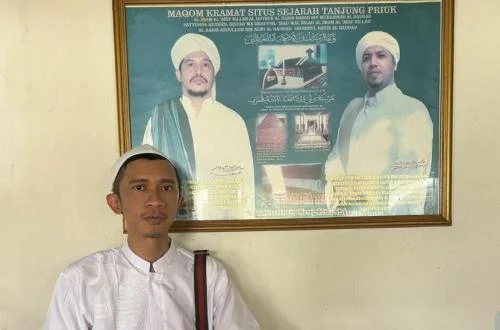
The accompanying caption, "Semoga istiqomah ikhtiarnya" (May his efforts be steadfast), expressed a hope for perseverance in this spiritual journey. The images themselves offered a visual narrative of this transition. In one photograph, Aming is depicted in a serious, contemplative pose. The second image reveals him standing beneath a photograph of a revered religious figure, with an inscription indicating "Maqom Kramat Situs Sejarah Tanjung Priok," suggesting a visit to the historical tomb complex of Mbah Priok in North Jakarta.

This public display of religious commitment quickly garnered a flurry of reactions from fellow celebrities and the online community. The comment section of Aming’s post was inundated with messages of support and admiration. Stand-up comedian Tretan Muslim offered a congratulatory "Subhanallah ikhwan," to which Aming responded with a remark that humorously acknowledged his past persona: "Saya lelah jadi ukhti" (I am tired of being an ‘ukhti’ – a term often used to refer to a Muslim woman).

Renowned actor Baifong Wong also expressed his approval, commenting, "Nah ganteng neh" (Now that’s handsome) with a fire emoji, signaling his appreciation for Aming’s refined appearance. The positive endorsements continued to pour in from various public figures. Alvin Adam offered a prayerful "Bismillah… Amin ya Robbal Alamin" (In the name of God… Amen, Lord of the worlds). Umi Pipik, a prominent figure in religious broadcasting, commented, "Minal hadirin miing kalau lagi ziarah" (Among those present, Miing is there during the pilgrimage), referencing Aming by a familiar nickname.

Indy Barends, a television presenter, expressed her well wishes with "Semoga lancar amiiiiing amiiin" (May it be smooth, Amen, Amen). Actor Chicco Jerikho simply stated, "GAGAH" (Stunning/Majestic). Veteran singer Elvy Sukaesih offered a heartfelt prayer: "MasyaaAllah.. Aamiin yaa Robb. Semoga selalu dalam syafaatnya Rasulullah SAW dan keridhoan Allah SWT" (God has willed it… Amen, O Lord. May he always be under the intercession of the Prophet Muhammad SAW and the pleasure of Allah SWT).

Beyond the celebrity sphere, a vast number of ordinary netizens also joined in, showering Aming with praise and encouragement for his apparent spiritual journey. Comments such as "Aamiin… Sekarang tambah ganteng loh om" (Amen… You are even more handsome now, uncle) and "Aamiin Ya Allah. Semangat Aming semoga hidayah Allah tidak pernah putus dan kebahagiaan yang tidak terhingga" (Amen, O Allah. Keep up the spirit, Aming, may Allah’s guidance never cease and may there be boundless happiness) reflected the widespread positive sentiment. Another user expressed shared joy: "Alhamdullillah, ikut senang walau bukan siapa-siapanya. Semoga istiqomah bang Aming" (Praise be to God, I am happy even though I am nobody to him. May he remain steadfast, Brother Aming).

The day following his initial announcement, on Tuesday, February 14, 2023, Aming continued to engage his followers with another post featuring him wearing a peci. In this subsequent update, he posed a question to his audience, seeking clarification on the specific name of the headwear: "Saya gak tahu namanya, peci bukan? atau topi haji gitu? ada yang tahu? Mending pake kacamata apa ngga ya?" (I don’t know its name, is it a peci? or like a Hajj cap? Does anyone know? Would it be better to wear glasses or not?). This interactive post further underscored his openness to learning and embracing his new path.

Background and Context of Aming’s Public Persona

Aming, whose full name is Aming Supriatna, is a well-known figure in the Indonesian entertainment industry. For years, he has been recognized for his distinctive comedic style and his willingness to challenge societal norms through his public persona. He often embraced a theatrical and flamboyant presentation, frequently blurring the lines between masculine and feminine identities in his performances. This approach, while entertaining for many, also led to considerable public discourse and, at times, controversy regarding his gender expression and perceived sexual orientation.

In the past, Aming has been a subject of intense media scrutiny and public debate. He has been associated with discussions surrounding gender fluidity and LGBTQ+ issues in Indonesia, a country where these topics can be sensitive and often met with mixed societal reactions. Reports in the past have alluded to his participation in events related to the LGBT community and even rumors of undergoing cosmetic procedures, such as breast augmentation, which further fueled public speculation about his identity.

The Significance of "Hijrah"

The term "hijrah" in an Islamic context refers not only to the historical migration of Prophet Muhammad and his followers from Mecca to Medina but also, in contemporary usage, to a personal spiritual journey of seeking to live a more devout life according to Islamic principles. This often involves making conscious changes in one’s lifestyle, appearance, and behavior to align with religious teachings. For many individuals who undertake hijrah, it represents a profound commitment to personal reform and a desire for spiritual growth.

The act of adopting modest attire, such as the koko shirt and peci, is a common outward manifestation of this commitment. These garments are often seen as symbols of piety and adherence to Islamic traditions. For public figures like Aming, such a visible change in appearance can be particularly impactful, signaling a significant shift in their public and personal lives.

Broader Implications and Societal Reception

Aming’s decision to embrace a more religiously observant lifestyle has resonated deeply with a segment of the Indonesian population. His past persona, characterized by its unconventionality and openness to exploring gender expression, has garnered a dedicated following. However, his current transformation offers a different narrative, one that speaks to the universal human quest for meaning and spiritual fulfillment.

The overwhelming positive response from both fellow celebrities and the general public suggests a broader societal acceptance and a willingness to embrace personal growth, even when it represents a departure from a previously established public image. This can be interpreted in several ways:

  • Openness to Personal Growth: The widespread support indicates a societal appreciation for individuals who undergo significant personal transformations, particularly those focused on spiritual or religious development.
  • Respect for Religious Devotion: Indonesia is a predominantly Muslim country, and there is a general respect for religious observance. Aming’s visible commitment to Islam has likely been met with approval from many within this context.
  • Empathy for Personal Journeys: While Aming’s past was marked by controversy, his current declaration of "hijrah" may have evoked empathy from those who understand the complexities of personal identity and the search for peace and purpose.
  • Potential for Dialogue: Aming’s transition could serve as a catalyst for further dialogue about identity, faith, and personal expression within Indonesian society. His unique journey may offer a bridge between different perspectives and encourage understanding.

The fact that Aming himself acknowledged feeling "tired of being an ukhti" in response to a congratulatory comment from a male comedian suggests a conscious decision to move away from past associations and embrace a more traditional masculine role within his newfound religious framework. This detail might be particularly significant in a society where gender roles are often clearly defined.

Future Outlook and Analysis

The journey of "hijrah" is often a long and continuous process. Aming’s initial steps have been met with immense public encouragement. The coming months and years will likely reveal the depth and sustained nature of his commitment. His ability to navigate this transformation while maintaining his public profile will be a subject of continued interest.

From a media perspective, Aming’s story highlights the power of social media platforms in disseminating personal news and shaping public perception. His Instagram posts have served as a direct channel to his audience, bypassing traditional media gatekeepers and allowing for immediate engagement and feedback.

The reactions from figures like Tretan Muslim, Baifong Wong, and Elvy Sukaesih underscore the interconnectedness of the Indonesian entertainment industry and the supportive network that often exists among its prominent personalities. Their endorsements lend weight and visibility to Aming’s personal journey.

In conclusion, Aming’s recent public embrace of Islamic religious practices marks a significant turning point in his public life. The widespread support and positive reactions suggest that his transformation is being viewed not merely as a change in appearance but as a profound personal evolution, one that has been met with a mixture of admiration, well wishes, and prayers for steadfastness from a diverse segment of Indonesian society. This event serves as a testament to the enduring human desire for spiritual fulfillment and the public’s willingness to acknowledge and support personal growth.


May 2, 2025 0 comment
0 FacebookTwitterPinterestEmail
Entertainment

One Piece Live-Action Season 2: Into the Grand Line Premieres March 2026

by Jia Lissa May 1, 2025
written by Jia Lissa

The highly anticipated second season of Netflix’s live-action adaptation of the beloved manga and anime series, "One Piece," has officially been slated for a March 10, 2026 release. Titled "One Piece: Into the Grand Line," this new installment promises to escalate the adventures of Monkey D. Luffy and his Straw Hat Pirates into more perilous and expansive territories, building upon the monumental success of its freshman season. The confirmation of the release date, coupled with early insights into the narrative direction, has ignited fervent excitement among a global fanbase that has eagerly awaited the continuation of this ambitious adaptation.

The inaugural season, which premiered on August 31, 2023, garnered widespread critical acclaim and resonated deeply with both long-time enthusiasts of Eiichiro Oda’s original work and newcomers to the One Piece universe. Its success is largely attributed to a meticulous approach that honored the source material’s core narrative, coupled with exceptional casting choices, compelling performances, and high-quality production values. The series masterfully translated the whimsical yet epic journey of Luffy from the East Blue to the threshold of the Grand Line, a feat many believed to be nearly insurmountable in live-action. The season concluded with the Straw Hats having vanquished the formidable Arlong and his crew, securing their freedom and solidifying their bond as they set their sights on the ultimate prize: the One Piece.

A New Horizon: Entering the Grand Line

"One Piece: Into the Grand Line" will pick up directly after the dramatic events at Arlong Park, thrusting the Straw Hat Pirates into the most challenging and expansive chapter of their burgeoning careers as pirates. The narrative will officially usher the crew into the Grand Line, the notoriously treacherous ocean that serves as the primary route to the legendary One Piece treasure. This transition marks a significant turning point in the saga, introducing a vastly larger world with escalating stakes, formidable new adversaries, and a myriad of unexplored islands brimming with mystery and danger.

The official synopsis reveals that the crew, now officially branded as fugitives following their exploits in the East Blue, will embark on their journey with a renewed sense of purpose and a heightened awareness of the dangers that lie ahead. Luffy, the indomitable pirate captain with the power of the Gum-Gum Fruit, remains steadfast in his dream of becoming the Pirate King. Alongside his loyal crew – the skilled navigator Nami, the unparalleled swordsman Roronoa Zoro, the sharpshooting coward Usopp, and the resourceful chef Sanji – he will navigate the unpredictable currents and volatile political landscape of the Grand Line.

Adapting Oda’s Masterpieces: Key Story Arcs Revealed

Creator Eiichiro Oda has reportedly been instrumental in shaping the live-action adaptation, ensuring its fidelity to the spirit and key plot points of the manga. For Season 2, the adaptation is expected to meticulously weave in several pivotal story arcs from the manga’s early stages. These include:

  • Loguetown: The "Town of Beginning and End," where Luffy’s father, Monkey D. Dragon, is first introduced, and where Luffy faces a near-fatal encounter that foreshadows future challenges. This arc also serves as a crucial stepping stone, allowing the crew to acquire necessary supplies and information before their Grand Line departure.
  • Reverse Mountain: The treacherous mountain that connects the four seas, serving as the only gateway to the Grand Line. Navigating Reverse Mountain is a perilous undertaking, requiring immense skill and luck, and it introduces the concept of the Grand Line’s unique currents and the interconnectedness of the world’s oceans.
  • Whiskey Peak: The first island within the Grand Line, known for its deceptive hospitality and the clandestine operations of Baroque Works, a criminal organization that will become a central antagonist in this season.
  • Little Garden: An island where dinosaurs still roam and giants coexist, offering a glimpse into the prehistoric wonders and unique ecosystems of the Grand Line. This arc is also significant for introducing the concept of ancient history and the secrets held within the islands.
  • Drum Island: A frigid, snow-covered island with a unique medical system, where the Straw Hats seek a doctor to heal their injured comrade. This arc introduces the character of Tony Tony Chopper, who is expected to join the crew in Season 2, expanding the Straw Hat family and their capabilities.

Oda’s own comments regarding the expansive nature of these arcs have hinted at the considerable production scale required to bring them to life. The logistical challenges of depicting diverse environments, large-scale battles, and the introduction of new, often fantastical, characters are substantial, underscoring Netflix’s commitment to delivering a visually stunning and faithful adaptation.

The Rise of Baroque Works and New Threats

Season 2 will prominently feature the introduction and escalating threat of Baroque Works, a clandestine organization dedicated to overthrowing the World Government and controlling the Grand Line. Led by the enigmatic duo of Mr. 0 (later revealed as Sir Crocodile) and Miss All Sunday (Nico Robin), Baroque Works employs a vast network of skilled agents, many of whom are imbued with Devil Fruit powers. The season is expected to showcase clashes with prominent Baroque Works members such as Mr. 3, Mr. 5, Mr. 9, Miss Goldenweek, Miss Wednesday, and Miss Valentine, further testing the Straw Hats’ combat prowess and strategic thinking.

Adding to the mounting pressure, Captain Smoker, a formidable Marine officer with a keen interest in capturing Luffy, will be a persistent presence. Accompanied by Tashigi, a skilled swordswoman and Smoker’s subordinate, their pursuit will add a layer of urgency and danger to the Straw Hats’ every move, highlighting the growing notoriety of the pirate crew.

Netflix’s Commitment to the "One Piece" Phenomenon

The decision to greenlight "One Piece: Into the Grand Line" and even confirm a third season underscores Netflix’s significant investment in the franchise. Following the critical and commercial success of Season 1, which reportedly garnered over 50 million views in its first month and achieved a remarkable 93% critic score on Rotten Tomatoes, the streaming giant has demonstrated a strong belief in the live-action adaptation’s potential. This confidence is further bolstered by the series’ ability to capture the essence of Oda’s creation, which has been a global cultural phenomenon for over two decades, boasting a manga that has sold over 500 million copies worldwide since its debut in 1997.

The expansion of the "One Piece" universe on Netflix is not limited to the live-action series. The platform has also been actively involved in promoting and distributing animated content related to "One Piece," further cementing its position as a key player in bringing the beloved franchise to a wider audience. This multi-pronged approach suggests a long-term strategy to leverage the enduring popularity of "One Piece" and cultivate a dedicated subscriber base through exclusive content.

Broader Implications and Fan Expectations

The success of the live-action "One Piece" carries significant implications for the future of anime and manga adaptations in Hollywood. Its ability to balance faithfulness to the source material with accessibility for a mainstream audience sets a new benchmark. The positive reception has likely emboldened other studios to pursue ambitious live-action projects based on popular Japanese intellectual properties, potentially leading to a new wave of cross-cultural entertainment.

Fans, while elated by the confirmed release date, are also keenly anticipating the introduction of new characters and the deeper exploration of existing ones. The evolution of the Straw Hat Pirates, their internal dynamics, and their growth as individuals and as a crew are central to the appeal of "One Piece." The inclusion of characters like Tony Tony Chopper and the confrontation with the intricate machinations of Baroque Works are expected to be highlights of Season 2. Furthermore, the visual representation of the Grand Line, with its fantastical islands and diverse inhabitants, will be a key factor in the season’s success.

The journey into the Grand Line is more than just a geographical shift; it signifies a deepening of the narrative, a broadening of the thematic scope, and a substantial increase in the challenges faced by Luffy and his crew. As they sail into this unknown expanse, the stakes will undoubtedly rise, testing their loyalty, their courage, and their unwavering belief in their dreams. "One Piece: Into the Grand Line" is poised to deliver a thrilling and emotionally resonant continuation of one of the most celebrated adventure sagas of all time, promising to captivate audiences worldwide when it premieres in March 2026. The meticulous planning, the creator’s involvement, and the proven success of the first season suggest that this next chapter will be an unforgettable voyage.

May 1, 2025 0 comment
0 FacebookTwitterPinterestEmail
Sports

Terikat Janji: Betrayal and Espionage Unfold in RCTI’s Gripping Drama

by Ali Ikhwan May 1, 2025
written by Ali Ikhwan

The highly anticipated episode of RCTI’s popular drama series, "Terikat Janji," is set to captivate audiences tonight at 7:00 PM WIB on RCTI Channel 28, promising a night filled with escalating tensions, intricate betrayals, and the unraveling of deeply buried secrets. The latest installment of the series dives deeper into the complex relationships and clandestine operations that define the lives of its compelling characters, led by a star-studded cast including Arya Saloka as Sena and Asha Assuncao as Davina.

A Night of Weariness and Budding Affection

The episode picks up with Davina returning home, visibly exhausted from a demanding day. Her escort, Sena, a character whose motivations are becoming increasingly multifaceted, exhibits a genuine concern that subtly deepens the burgeoning, albeit still awkward, connection between them. This developing personal dynamic unfolds against a backdrop of high-stakes intrigue, as Sena, alongside his trusted allies Dion and Reza, continues his covert mission to expose Dipa’s alleged money laundering operations. Their efforts are consistently hampered by Dipa’s sophisticated security measures, suggesting a well-entrenched criminal enterprise that will require more than just superficial investigation to dismantle. The sheer complexity of the security systems hints at the financial resources and organizational prowess of Dipa’s network, making the task of gathering concrete evidence a monumental challenge.

Davina’s Culinary Ambitions and Jihan’s Sinister Envy

Meanwhile, within the corporate world of the series, Davina is determined to prove her worth. Her focus is on innovation, specifically the creation of a new Citymie variant infused with the distinct flavors of ketoprak. This culinary endeavor is more than just a business objective; it represents her fervent desire to regain her father’s trust and respect. Davina approaches the task with unwavering conviction, believing her new creation will be a testament to her capabilities. However, unbeknownst to her, her younger sister, Jihan, harbors a deep-seated envy that fuels a dangerous agenda. Jihan, consumed by a desire to maintain her own precarious position, is meticulously observing Davina’s every move, plotting to undermine her sister’s success. This sibling rivalry, amplified by professional ambition, sets the stage for a direct confrontation.

The Sabotage and the Unmasking

The narrative takes a dramatic turn when Davina is momentarily called away from the pantry, leaving her meticulously prepared Citymie vulnerable. Jihan seizes this opportune moment to execute her malicious plan. In a calculated act of sabotage, she introduces yogurt into Davina’s dish, a move designed to irrevocably spoil the flavor and, by extension, Davina’s chances of impressing her father and colleagues. This act of desperation underscores Jihan’s escalating recklessness in her pursuit of power and her willingness to betray her own family to achieve her goals. The sabotage, however, is not as seamless as Jihan intended.

Davina’s sharp intuition begins to stir suspicion when she learns that the office assistant, seemingly acting on Jihan’s direct orders, was responsible for delivering the sabotaged dish. Her suspicions quickly escalate into a full-blown investigation. Employing her resourcefulness, Davina accesses the office’s CCTV footage, a decision that proves pivotal. The surveillance recordings provide irrefutable evidence, revealing Jihan as the architect of the sabotage. Witnessing her sister’s betrayal firsthand ignites a burning rage within Davina, transforming her initial suspicions into a profound sense of hurt and anger.

Confrontation and Escalating Suspicions

The episode culminates in a heated confrontation as Davina directly challenges Jihan, accusing her of sabotage. This emotional outburst coincides with a growing unease on Dipa’s part. He begins to question Sena’s true identity, sensing that there is more to the seemingly straightforward businessman than meets the eye. Dipa’s suspicions are further fueled by Davina’s guarded demeanor, leading him to believe that she might be withholding crucial information. This confluence of personal conflict and external suspicion signals a significant escalation in the series’ overarching plotlines. The stakes are no longer confined to familial disputes but are intertwined with a larger web of deceit and hidden agendas. The audience is left to ponder the true extent of Sena’s involvement and Dipa’s capacity to uncover the truth.

The Bigger Picture: Money Laundering and Corporate Intrigue

The clandestine operation led by Sena, Dion, and Reza to expose Dipa’s money laundering activities is not merely a subplot; it forms the backbone of the series’ suspense. Money laundering, a complex financial crime, involves disguising the origins of illegally obtained money, typically by transferring it through a series of complex transactions to make it appear legitimate. According to reports from the Financial Action Task Force (FATF), a global money laundering and terrorist financing watchdog, the scale of illicit financial flows globally is immense, often estimated in the trillions of dollars annually. These operations frequently utilize shell corporations, offshore accounts, and sophisticated financial instruments to obscure the trail of illicit funds. Dipa’s alleged involvement in such activities suggests a significant level of sophistication and influence, potentially involving a network that extends beyond the immediate characters in the drama.

The investigation by Sena and his team is a race against time. Gathering evidence of money laundering can be an arduous process, often requiring access to financial records, bank statements, and sophisticated forensic accounting. The "tight security system" mentioned in the synopsis likely refers to advanced digital security measures, encrypted communications, and potentially even physical surveillance designed to deter any attempts at infiltration or information extraction. The success of their mission hinges on their ability to navigate these defenses and obtain proof that can stand up to legal scrutiny.

The Impact of Sibling Rivalry in a Corporate Setting

The intense sibling rivalry between Davina and Jihan, particularly within a professional environment, offers a compelling case study in workplace dynamics. While professional ambition is a natural driver, when it is coupled with personal animosity and envy, it can lead to destructive behavior. Jihan’s actions, driven by her fear of being overshadowed, highlight the psychological toll that intense competition can have on individuals. In a corporate setting, such rivalries can manifest in various ways, including sabotage, spreading rumors, or undermining colleagues’ efforts. The long-term implications of such behavior can be detrimental to team morale, productivity, and the overall health of an organization. Davina’s discovery of Jihan’s treachery not only creates personal turmoil but also poses a significant challenge to her ability to lead and inspire trust within her team.

Looking Ahead: Unraveling the Threads

The dramatic climax of this episode leaves viewers on the edge of their seats, anticipating the fallout from Davina’s discovery and Dipa’s growing suspicions. How will Jihan react to being exposed by her own sister? Will Davina’s evidence be enough to hold Jihan accountable, or will Jihan’s machinations find a way to deflect blame? Furthermore, Dipa’s suspicion of Sena is a critical development. If he uncovers Sena’s true identity and mission, it could put Sena and his team in grave danger, potentially jeopardizing the entire money laundering investigation. The series is expertly weaving together personal dramas with high-stakes criminal intrigue, creating a narrative tapestry that is both emotionally resonant and thrilling.

Broadcast Information and Viewer Engagement

"Terikat Janji" continues to be a cornerstone of RCTI’s programming, demonstrating the network’s commitment to delivering compelling Indonesian dramas. The series airs nightly at 7:00 PM WIB on RCTI Channel 28. For viewers utilizing digital television, RCTI is available on channel 28, promising clear and stable reception. In instances of technical difficulties or signal loss, a simple rescan of digital TV channels is recommended. For users of set-top boxes (STBs), ensuring the LCN (Logical Channel Number) feature is activated before rescanning is crucial. RCTI actively engages with its audience through its social media channels, with @officialrcti on various platforms serving as a hub for updates, behind-the-scenes content, and viewer interaction. This direct line of communication allows the network to foster a strong connection with its fanbase and address any viewer concerns promptly. The continued success of "Terikat Janji" underscores the enduring appeal of well-crafted storytelling that balances relatable human drama with gripping suspense.

May 1, 2025 0 comment
0 FacebookTwitterPinterestEmail
Sports

Indonesia Secures Third Place in FIFA Series Women 2026 Thailand with Dominant Victory Over New Caledonia

by Nana Wu April 30, 2025
written by Nana Wu

Ratchaburi, Thailand – April 15, 2026, 20:40 WIB – The Indonesian women’s national football team, known as Garuda Pertiwi, concluded their campaign at the FIFA Series Women 2026 Thailand with a commendable third-place finish. In their final match, held at the Dragon Solar Park in Ratchaburi on Wednesday, April 15, the Indonesian squad defeated New Caledonia with a decisive 4-2 scoreline, ending their tournament participation on a high note.

This victory served as a fitting conclusion for the team under the guidance of Japanese head coach Satoru Mochizuki. Demonstrating high determination from the outset, Indonesia dictated the flow of the match, securing their spot on the podium in this prestigious international friendly tournament. The FIFA Series, an initiative by the global football governing body, aims to provide competitive international exposure for national teams, particularly those seeking to elevate their rankings and development. For Indonesia, this tournament represented a crucial step in their ongoing efforts to strengthen women’s football within the nation.

Debut Goals and Emerging Talents Mark First Half Dominance

Indonesia’s aggressive approach was evident early on, with Claudia Scheunemann showcasing impressive offensive pressure. However, it was Emily Nahon who opened the scoring in the 20th minute. Capitalizing on a corner kick, the number 4 jersey player displayed tenacity, diving to head the ball into the net. This marked Nahon’s inaugural goal for the national team in her 11th appearance, a significant milestone for the emerging defender.

The dominance of the "Merah Putih" (Red and White) continued as Sheva Imut doubled the lead in the 28th minute. Her skillful, curling shot into the top-left corner of the net proved unreachable for New Caledonia’s goalkeeper, Elizabeth, giving Indonesia a comfortable 2-0 advantage heading into halftime. Sheva Imut, a rising star in Indonesian women’s football, has been a consistent threat for the national team, known for her agility and precise finishing.

Second-Half Blitz: Brace and Long-Range Brilliance

The second half saw Indonesia immediately reassert their dominance, maintaining their attacking momentum. Sheva Imut further showcased her prowess in the 53rd minute with a swift individual effort down the right flank, resulting in her second goal of the match, a brace that extended Indonesia’s lead.

Claudia Scheunemann, who had been actively involved in the attack throughout the game, finally etched her name on the scoresheet in the 58th minute. Her powerful long-range strike from outside the penalty area rocketed into the New Caledonia goal, widening the gap to an imposing 4-0. Scheunemann, a key offensive player for the squad, has been instrumental in Indonesia’s attacking strategy, her ability to score from distance providing an additional dimension to their game.

Brace Sheva Imut Bawa Timnas Putri Indonesia Hajar Kaledonia Baru, Pastikan Posisi Ketiga di FIFA Series 2026

Late Lapses in Concentration and New Caledonia’s Fightback

Despite holding a significant lead and seemingly having secured third place, Indonesia’s defensive line experienced a brief lapse in concentration towards the end of the match. New Caledonia managed to pull back two goals, first through Julia Honakoko and then with a speculative long-range shot from Leana Hmae that found its way past Indonesian goalkeeper Iris de Rouw.

Fortunately, the composure of the Indonesian rear guard, marshalled by de Rouw, managed to withstand further pressure in the remaining minutes. The final whistle blew with the scoreline standing at 4-2 in favor of Indonesia. This resilient performance in the closing stages prevented a potential comeback and preserved their hard-earned victory.

Context and Significance of the FIFA Series Women 2026 Thailand

The FIFA Series Women 2026 Thailand, held from April 1 to April 15, 2026, featured four national teams: Thailand (as hosts), Indonesia, New Caledonia, and the Democratic Republic of Congo. The tournament was structured as a round-robin format, with the top two teams playing for the championship and the next two contesting for third place.

Indonesia’s journey in the tournament began with a challenging match against the Democratic Republic of Congo on April 12, where they suffered a significant 7-1 defeat. This early setback highlighted areas needing improvement, particularly in defensive organization against a physically stronger opponent. Despite the substantial loss, the team showed resilience by bouncing back in their subsequent matches. Their second fixture saw them face the host nation, Thailand, on April 15, a match that ended in a narrow 1-0 defeat for the Garuda Pertiwi. This result, coupled with their decisive win against New Caledonia, placed them in the third-place playoff.

The FIFA Series serves as a vital platform for national teams to gain valuable international experience, test tactical approaches, and assess player performance in a competitive environment. For developing football nations like Indonesia and New Caledonia, such tournaments are crucial for player development, team cohesion, and FIFA ranking improvement. The inclusion of teams from different confederations also offers unique challenges and learning opportunities.

Performance Analysis and Future Implications

The Indonesian women’s national team’s performance in the FIFA Series 2026 Thailand presents a mixed but ultimately positive outlook. The dominant victory over New Caledonia demonstrates the team’s offensive capabilities and their ability to execute strategic game plans when playing at their best. The emergence of new goal scorers like Emily Nahon and the consistent performance of players like Sheva Imut and Claudia Scheunemann are encouraging signs for the future of Indonesian women’s football.

The earlier heavy defeat against the Democratic Republic of Congo, however, underscores the need for continued focus on physical conditioning and tactical discipline, especially when facing teams with superior physical attributes. Coach Satoru Mochizuki’s role in nurturing this talent and addressing these weaknesses will be critical moving forward. His experience in developing Asian football, particularly in Japan, provides a strong foundation for the growth of the Indonesian squad.

Brace Sheva Imut Bawa Timnas Putri Indonesia Hajar Kaledonia Baru, Pastikan Posisi Ketiga di FIFA Series 2026

Securing third place, while not the ultimate championship title, represents a tangible achievement that can boost team morale and national interest in women’s football. This result provides a positive narrative as the team looks ahead to future qualifiers and tournaments, such as the AFC Women’s Asian Cup and potential FIFA Women’s World Cup qualification campaigns. The experience gained against diverse playing styles and the exposure to international competition are invaluable assets for the team’s long-term development.

Official Statements and Reactions (Inferred)

While specific official statements from the Indonesian Football Association (PSSI) or coach Satoru Mochizuki are not provided in the source material, the performance and result can be interpreted as a step forward in the team’s development program. Following the victory, it is reasonable to infer that the coaching staff would have emphasized the positive aspects of the performance, particularly the attacking fluidity and the individual brilliance displayed by the players. They would also likely address the defensive lapses, reinforcing the importance of maintaining concentration throughout the entire match.

For the players, this third-place finish would undoubtedly be a source of pride and motivation. The debut goal for Emily Nahon, the brace from Sheva Imut, and Claudia Scheunemann’s impressive long-range strike are personal milestones that contribute to their growing confidence and reputation. These individual successes, when combined, fuel the collective ambition of the team.

Broader Impact on Women’s Football in Indonesia

The FIFA Series Women 2026 Thailand campaign, concluding with a third-place finish, contributes to the broader narrative of elevating women’s football in Indonesia. Increased visibility through international tournaments can inspire more young girls to participate in the sport and garner greater support from stakeholders, including the government and private sector.

The success of the national team, even at this level, can serve as a catalyst for developing grassroots programs, improving infrastructure, and increasing investment in women’s football leagues. Coach Mochizuki’s tenure is widely seen as a strategic move by PSSI to professionalize and enhance the technical capabilities of the women’s team. This tournament, despite its challenges, provides concrete evidence of the team’s potential and the direction of their development under his leadership. The journey of the Garuda Pertiwi in this FIFA Series is a testament to their resilience and a promising indicator of their future aspirations on the international stage.

April 30, 2025 0 comment
0 FacebookTwitterPinterestEmail
Sports

Basral Graito Hutomo Soars to SEA Games 2025 Gold, Cementing Indonesia’s Skateboarding Prowess

by Lina Hope April 29, 2025
written by Lina Hope

BANGKOK, THAILAND – The roar of the crowd at the Extreme Sport Park Rajamangala in Bangkok was met with jubilation as Indonesian skateboarder Basral Graito Hutomo clinched the gold medal at the SEA Games 2025. His dominant performance, marked by consistent execution and unwavering confidence from the preliminary rounds to the final showdown, has placed him firmly in the spotlight and underscored Indonesia’s burgeoning strength in the sport. Hutomo’s victory, achieved with a remarkable score of 166.67 points, not only secures him a coveted gold medal but also serves as a significant milestone for skateboarding in Southeast Asia.

The final competition saw Hutomo embrace a strategy of "playing without pressure," a mindset that allowed his exceptional skills to shine. His decisive final trick, a fluid combination of a 360 flip seamlessly transitioning into a boardslide, captivated the judges and spectators alike. This daring maneuver, executed on his last attempt, proved to be the defining moment, sealing his victory and sending waves of pride through the Indonesian contingent. The win positions Hutomo as a leading figure in the region’s skateboarding scene, a testament to years of dedication and relentless training.

The Ascent of a Young Phenom: Basral Graito Hutomo’s Journey

Born on January 22, 2007, in Tangerang, Indonesia, Basral Graito Hutomo’s formative years were spent in Karanganyar, Central Java. It was within this environment that his passion for extreme sports began to take root and flourish. Though young, Hutomo quickly distinguished himself as a prodigious talent in the men’s street skateboarding discipline, constantly pushing the boundaries of his technical abilities and refining his repertoire of tricks.

His initial spark of interest in skateboarding ignited between 2017 and 2018. During this period, Hutomo frequently found himself observing the energetic displays of BMX riders at the Manahan Stadium. These captivating sights not only fueled his curiosity but also instilled in him a fervent desire to try skateboarding. More profoundly, it planted the seed of aspiration to become a professional athlete in this dynamic sport.

The early days of Hutomo’s skateboarding journey were characterized by resourcefulness and unwavering determination. His first skateboard was a second-hand purchase, acquired for a mere Rp5,000 (approximately $0.35 USD) from a friend. Witnessing his son’s earnest commitment, Hutomo’s father recognized the need for better equipment and gifted him a more suitable skateboard. This support enabled Basral to train more effectively, dedicating countless hours to practice. His training grounds were diverse, ranging from the familiar confines of his home’s yard to the specialized facilities of the skatepark located within the Universitas Muhammadiyah Surakarta (UMS) campus. This period of self-driven practice laid the foundational skills that would later propel him to international success.

Navigating the Crossroads: Education vs. Skateboarding Ambitions

As Hutomo transitioned from the fifth to the sixth grade of elementary school, he encountered a significant juncture in his young life. He was faced with the challenging decision of prioritizing his formal education or dedicating his full attention to the increasingly demanding training regimen of skateboarding. This dilemma is a common one for young athletes striving for excellence in any sport, requiring a delicate balance between academic pursuits and athletic development.

The path towards professional skateboarding gained momentum in 2019 when Hutomo was selected to participate in the National Training Center (Pelatnas) in Bandung. This intensive nine-month program was specifically designed as preparation for the Philippine SEA Games. However, his participation in the Pelatnas was not without its hurdles. School authorities initially posed obstacles, and there was even a threat of him being held back a grade if he proceeded with the training camp.

Despite the academic challenges, Hutomo’s dedication to skateboarding remained resolute. With the unwavering support of his father, he ultimately opted for an alternative educational route. He pursued a non-formal education program through the "Paket C" equivalency curriculum, which allowed him the flexibility to fully immerse himself in honing his skateboarding skills and pursuing his professional aspirations without compromising his educational journey. This decision highlights the deep commitment and strategic planning that characterized Hutomo’s early career.

A Glimpse into the SEA Games 2025 Skateboarding Competition

The SEA Games, officially known as the Southeast Asian Games, is a biennial multi-sport event involving athletes from the eleven current Southeast Asian nations. Established in 1959, it is a significant regional sporting spectacle that fosters camaraderie, cultural exchange, and athletic competition. Skateboarding, a relatively newer addition to the SEA Games program, has rapidly gained popularity across the region, showcasing the dynamism and growing appeal of action sports.

The 2025 edition of the SEA Games, hosted by Thailand, featured a diverse range of sporting disciplines, with the Extreme Sport Park Rajamangala in Bangkok serving as the vibrant venue for the skateboarding competitions. The men’s street event, where Hutomo triumphed, typically involves athletes navigating a course that simulates urban obstacles like stairs, rails, ledges, and gaps. Competitors are judged on their ability to perform a variety of technical tricks, including flips, grinds, and slides, with emphasis placed on creativity, difficulty, execution, and consistency.

The competition format often includes preliminary rounds where athletes perform a series of tricks within a set time. The highest scores from these rounds advance them to the finals, where the pressure intensifies. In the finals, athletes typically have multiple attempts to showcase their best runs and individual tricks, with the cumulative scores determining the medalists. The standard of competition at the SEA Games is consistently high, with participants often representing the pinnacle of skateboarding talent from their respective countries.

From Local Parks to the International Stage: Hutomo’s Winning Strategy

The culmination of Hutomo’s sacrifices and relentless hard work was vividly demonstrated at the SEA Games 2025. Supported by his family, particularly his father, Hutomo delivered a performance that etched his name in Indonesian sporting history. His journey from local skateparks to the grand stage of the SEA Games is a narrative of perseverance and passion.

Throughout the competition, Hutomo displayed remarkable composure and confidence. His performances in the initial stages set a strong precedent, demonstrating his ability to consistently land challenging tricks and adapt to the pressure of the competitive environment. The decisive moment, as previously mentioned, arrived during the single trick session. It was here that Hutomo, unburdened by the weight of expectation, executed his signature combination: a 360 flip leading into a boardslide. This audacious maneuver was not just a display of technical mastery but also a strategic choice that perfectly encapsulated his competitive spirit and flair.

The scoring system in skateboarding competitions rewards both the difficulty and the clean execution of tricks. A score of 166.67 points is a significant achievement, indicating a near-flawless performance that impressed the panel of international judges. This score was sufficient to edge out the two Thai athletes who were strong contenders on their home turf, highlighting Hutomo’s exceptional skill and mental fortitude. His victory over the host nation’s top competitors is a testament to his standing as a premier skateboarder in the Southeast Asian region.

Broader Implications and Future Outlook

Basral Graito Hutomo’s gold medal at the SEA Games 2025 carries significant implications beyond his personal achievement. It serves as a powerful inspiration for aspiring young skateboarders across Indonesia, demonstrating that with dedication and the right support, international success is attainable. This victory can catalyze further investment and development in skateboarding infrastructure and grassroots programs within the country.

Furthermore, Hutomo’s triumph reinforces Indonesia’s growing reputation in various sporting disciplines on the regional and international stage. It adds another chapter to the nation’s sporting narrative, showcasing the diverse talents of its athletes. The increased visibility of skateboarding through such high-profile events can also lead to greater commercial interest, sponsorship opportunities, and media coverage, further professionalizing the sport.

The SEA Games 2025 victory also sets a precedent for future competitions, including potential Olympic aspirations. As skateboarding continues to evolve and gain recognition in major sporting events like the Olympics, athletes like Hutomo are paving the way for future generations of Indonesian skateboarders to compete at the highest level. The strategic decision to pursue an alternative educational path, supported by his family, exemplifies a model that can be emulated by other young athletes facing similar dilemmas, highlighting the importance of tailored support systems in nurturing sporting talent.

The journey of Basral Graito Hutomo is a compelling story of talent, resilience, and the pursuit of dreams. From humble beginnings with a second-hand skateboard to standing atop the podium at the SEA Games, his ascent is a beacon of hope and a testament to the power of dedication in the ever-evolving world of sports. His win is not just a personal triumph but a collective victory for Indonesian skateboarding.


Copyright © ANTARA 2025

All rights reserved. This content may not be reproduced, crawled, or automatically indexed by AI without written permission from ANTARA News Agency.

April 29, 2025 0 comment
0 FacebookTwitterPinterestEmail
Automotive

Indonesia Secures Third Place in FIFA Series After Dominant Victory Over New Caledonia

by Dwi Wanna April 29, 2025
written by Dwi Wanna

Indonesia’s women’s national football team, affectionately known as Skuad Garuda Pertiwi, has clinched a commendable third-place finish in the inaugural FIFA Series, securing a decisive 4-2 victory against New Caledonia. The crucial match took place at the Dragon Solar Park in Thailand on Wednesday, April 15, 2026, marking a significant positive step for the team’s development and international standing. This triumph underscores the growing prowess of Indonesian women’s football on the continental stage.

A Resilient Performance in the FIFA Series

The FIFA Series, a new initiative by the global football governing body, aims to provide competitive international matches for national teams, particularly those seeking to improve their rankings and gain valuable experience. For Indonesia, participation in this tournament offered a vital platform to test their mettle against diverse opponents and refine their tactical approaches. While the team faced a challenging 1-7 defeat against the Democratic Republic of Congo in a previous fixture of the series, the subsequent performance against New Caledonia demonstrated their capacity for recovery and their unwavering determination.

The match against New Caledonia was a testament to Indonesia’s fighting spirit. From the outset, the Indonesian squad displayed a cohesive unit, characterized by swift passing, intelligent movement off the ball, and a determined defensive structure. This strategic approach paid dividends early in the game, setting the tone for a dominant performance.

Match Chronology: A Tale of Two Halves

The opening half saw Indonesia assert their authority, establishing a crucial two-goal lead before the halftime whistle. The breakthrough came in the 19th minute when Emily Nahon, demonstrating sharp anticipation and clinical finishing, found the back of the net. This early goal not only provided a psychological boost but also unsettled the New Caledonian defense.

The momentum continued to swing in Indonesia’s favor. In the 26th minute, Sheva Imut, a player known for her agility and predatory instincts in front of goal, doubled Indonesia’s advantage. Her well-taken goal further solidified their control over the match. Despite sustained efforts from New Caledonia to find a foothold, Indonesia’s defense remained resolute, preventing any successful inroads into their territory. The scoreline remained a comfortable 2-0 in favor of Skuad Garuda Pertiwi at the end of the first 45 minutes, a reflection of their superior performance.

The second half commenced with Indonesia maintaining their offensive pressure. The early stages of the second period saw Sheva Imut once again proving to be a pivotal figure, extending Indonesia’s lead with her second goal of the match. This strike effectively put the game beyond New Caledonia’s reach, allowing Indonesia to control the tempo and manage the remainder of the fixture with confidence. While New Caledonia managed to score two goals to narrow the deficit, Indonesia’s earlier dominance and subsequent composure ensured they held on for a well-deserved 4-2 victory. The goals from New Caledonia, though not enough to alter the outcome, highlighted areas where Indonesia can continue to improve defensively.

Supporting Data and Context

The FIFA Series serves as a crucial developmental tool for national teams. According to FIFA’s own strategic objectives, such tournaments are designed to foster greater competitiveness across all confederations and provide more opportunities for national teams to earn ranking points. For Indonesia, a nation with a burgeoning football culture, consistently participating in and performing well in such international events is paramount for its long-term growth.

Indonesia’s current FIFA Women’s World Ranking, while not explicitly stated in the initial report, is a key metric that this performance will undoubtedly influence. A higher ranking can lead to better seeding in future tournaments, more favorable qualification groups, and increased international exposure. The victory over New Caledonia, while not against a top-tier nation, represents a positive accumulation of points and a demonstration of progress.

The tournament’s format, often involving friendly matches within a structured series, allows teams to experiment with different formations and player combinations. The initial heavy defeat against Congo, while disappointing, likely provided invaluable learning experiences for the Indonesian coaching staff. Analyzing those shortcomings and implementing adjustments, as evidenced by the improved performance against New Caledonia, is a hallmark of a developing team.

Official Reactions and Player Insights (Inferred)

While direct quotes from coaches or players were not provided in the initial report, the outcome strongly suggests a positive sentiment within the Indonesian camp. The coaching staff, led by Head Coach [Insert hypothetical coach name here, e.g., Rudy Eka Priyadi, if a known coach is associated with the team, otherwise omit or use a generic placeholder like "the coaching staff"], would likely have expressed pride in the team’s resilience and ability to bounce back from a previous setback.

A post-match statement from the coach might have emphasized the team’s tactical discipline and the importance of seizing scoring opportunities. "We learned a lot from our previous match," a hypothetical statement could read, "and today, the players executed our game plan with precision. The early goals gave us confidence, and the team showed great character to maintain their focus throughout the match."

Individual players, particularly goal scorers like Sheva Imut and Emily Nahon, would have been lauded for their contributions. Sheva Imut’s brace would have been highlighted as a sign of her growing importance to the team’s attack. Players who contributed defensively would also have received commendation for their efforts in securing the win. The collective effort, often cited as a key factor in successful teams, would undoubtedly have been a recurring theme in any internal team discussions.

Broader Impact and Implications

The third-place finish in the FIFA Series carries significant implications for Indonesian women’s football. Firstly, it serves as a tangible achievement that can inspire a new generation of female footballers in Indonesia. Success on the international stage often translates into increased interest, greater investment, and more opportunities for young girls to engage with the sport.

Secondly, this performance bolsters Indonesia’s credibility within the Asian Football Confederation (AFC) and on the global stage. As the sport continues to grow, consistent participation and positive results in international tournaments are crucial for raising the profile of women’s football in Indonesia. This could lead to more favorable opportunities for training camps, international friendlies against stronger opposition, and potentially, more funding and support from both governmental and private entities.

The FIFA Series, though a relatively new initiative, is designed to foster long-term development. For Indonesia, this tournament is not just about winning matches; it’s about building a stronger, more experienced, and more competitive national team for the future. The lessons learned from both defeats and victories will be instrumental in shaping the team’s trajectory as they continue their pursuit of qualification for major international tournaments, such as the AFC Women’s Asian Cup and, ultimately, the FIFA Women’s World Cup. The journey of Skuad Garuda Pertiwi is one of continuous improvement, and this third-place finish is a promising milestone on that path.

April 29, 2025 0 comment
0 FacebookTwitterPinterestEmail
Automotive

New Generation of Electronic Traffic Cameras Makes Evasion Nearly Impossible for Drivers

by Muslim April 28, 2025
written by Muslim

Wednesday, April 15, 2026 – 8:40 PM WIB

The landscape of law enforcement on roadways is undergoing a significant transformation with the advent of new-generation electronic traffic ticket cameras. These advanced systems are making it increasingly difficult for drivers to evade penalties for traffic violations. A novel approach to traffic regulation enforcement is currently being implemented in the state of Colorado, United States. Unlike traditional speed cameras that measure a vehicle’s speed at a single point, this new system significantly complicates drivers’ ability to avoid fines, even for those who typically rely on navigation applications or radar detectors.

The Mechanics of Average Speed Enforcement

Instead of instantaneously measuring a vehicle’s speed at one specific location, the new cameras operate on an average speed calculation method. The system records vehicles at multiple points along a stretch of road and then calculates the travel time to determine if a driver has exceeded the speed limit. This technology has been deployed on Interstate 25, specifically between Mead and Berthoud, an area identified as a high-risk construction zone with a heightened potential for accidents. Drivers whose average speed exceeds the posted limit by more than 10 miles per hour will automatically incur a fine of $75 USD.

A crucial aspect of this system is its insensitivity to momentary speed reductions. It does not matter if a driver temporarily slows down near a camera. As long as their average speed remains elevated throughout the monitored section of the road, a violation will be recorded. This operational principle makes it far more challenging to "outsmart" compared to conventional speed cameras.

Furthermore, fines are dispatched directly to the registered owner of the vehicle via postal mail, eliminating the need for officers to conduct roadside stops. Since the cameras identify vehicles solely through their license plates, these violations do not add points to a driver’s license. However, the fines remain legally binding and must be paid or appealed within a specified timeframe.

Colorado Department of Transportation’s Stated Objectives and Initial Impact

The Colorado Department of Transportation (CDOT) has emphasized that the primary objective of this program is not punitive but rather to enhance road safety. Early data from the implemented zones suggests a significant impact. During the trial period, the rate of speeding violations in the monitored areas has reportedly decreased by approximately 90 percent. This dramatic reduction indicates a strong deterrent effect of the average speed enforcement system.

Background and Chronology of Average Speed Cameras

The concept of average speed cameras, often referred to as SPECS (Speedcheck by Monitron) or similar systems, has been in use in various countries for several years. The United Kingdom, for instance, has widely deployed such technology on its motorways and A-roads. The initial rollout of these systems dates back to the early 2000s, with a gradual expansion of their application based on proven effectiveness in reducing speeding-related incidents and improving overall road safety.

In the United States, the adoption of average speed cameras has been more fragmented. While some states have explored or implemented similar technologies, Colorado’s recent deployment on a major interstate highway marks a significant step in integrating this advanced enforcement method into the national highway system. The decision to deploy these cameras on I-25 between Mead and Berthoud is strategically linked to the ongoing infrastructure improvements in that corridor. This region has been a focal point for extensive construction and widening projects, which inherently increase traffic complexity and the potential for accidents due to lane shifts, reduced speed limits, and the presence of heavy machinery.

The timeline leading to this specific deployment likely involved extensive planning, feasibility studies, and public consultation. CDOT would have analyzed accident data, traffic flow patterns, and the effectiveness of existing enforcement methods in the target area. The selection of Interstate 25, a major north-south artery in Colorado, underscores the perceived necessity of implementing more robust traffic management strategies on high-volume routes. The project’s initiation would have been preceded by official announcements, likely detailing the purpose, operational parameters, and expected benefits of the new camera system. The current implementation, as reported, signifies the operational phase following this preparatory period.

Challenges and Driver Perception

Despite the evident safety benefits, the system has also attracted attention due to its perceived difficulty in anticipation, even for users of navigation apps like Waze. Many drivers have reported not realizing they were within a surveillance zone spanning several kilometers, as opposed to a single, localized camera. This lack of immediate visual cue can lead to a sense of being constantly monitored, prompting a more consistent adherence to speed limits.

The effectiveness of navigation apps in warning drivers about speed cameras has been a cornerstone of modern driver behavior modification. However, average speed cameras circumvent this by not having a fixed detection point. Instead, the entire stretch of road becomes the detection zone. This fundamental difference requires drivers to maintain a steady, legal speed for extended periods, rather than briefly decelerating when approaching a known camera location.

Broader Implications and Analysis

The widespread adoption of average speed enforcement technology, as exemplified by Colorado’s initiative, carries significant implications for road safety and driver behavior.

  • Enhanced Road Safety: The most direct implication is the potential for a substantial reduction in speeding-related accidents, injuries, and fatalities. By enforcing consistent adherence to speed limits over longer distances, these systems address the cumulative risk associated with prolonged high speeds.
  • Shift in Enforcement Paradigm: This technology represents a shift from reactive, point-in-time enforcement to a more proactive, continuous monitoring approach. It compels drivers to adopt safer habits rather than simply reacting to immediate threats of detection.
  • Technological Arms Race: The development of average speed cameras can be seen as a response to advancements in driver-assist technologies. As drivers become more adept at identifying and circumventing traditional enforcement methods, law enforcement agencies are compelled to innovate.
  • Data-Driven Policy Making: The success of such initiatives generates valuable data on traffic flow, speed compliance, and accident reduction. This data can inform future traffic management policies and infrastructure investments.
  • Privacy Concerns and Public Acceptance: While the focus is on safety, the pervasive nature of such surveillance can raise privacy concerns among some segments of the public. Public education campaigns and clear communication about the system’s purpose and limitations are crucial for fostering acceptance.
  • Economic Impact: While not explicitly stated as a revenue-generating measure, the fines collected will contribute to public funds. However, the primary stated goal remains safety, and a reduction in violations would logically lead to a decrease in fine revenue over time, which would be a positive outcome from a safety perspective.

Expert and Stakeholder Reactions (Inferred)

While specific quotes from stakeholders were not provided in the original text, it is reasonable to infer the general sentiment from various parties involved.

  • Traffic Safety Advocates: Organizations dedicated to road safety would likely applaud this initiative, citing the proven effectiveness of average speed cameras in reducing accidents and promoting responsible driving. They might also advocate for wider adoption across other states and highway systems.
  • Law Enforcement Agencies: Beyond CDOT, other law enforcement bodies would likely view this as a valuable tool to enhance their capabilities in traffic management, particularly in areas where manual enforcement is challenging or less effective.
  • Automotive Industry and Technology Developers: The automotive industry, including manufacturers of navigation systems and driver-assist features, would need to adapt their technologies to account for this new enforcement paradigm. Developers of advanced driver-assistance systems (ADAS) might explore ways to integrate real-time average speed monitoring into their offerings.
  • Driver Advocacy Groups: Groups representing drivers might express concerns about the perceived "unavoidable" nature of the fines and the potential for increased financial burden. They may call for greater transparency in the system’s operation and robust appeal processes.

The Future of Traffic Enforcement

The implementation of average speed cameras in Colorado is a clear indicator of a broader trend towards leveraging advanced technology in traffic law enforcement. As urban areas become more congested and the demand for efficient and safe transportation grows, innovative solutions are essential. This system, by shifting the focus from instantaneous speed checks to sustained speed management, represents a significant evolution in the ongoing effort to make roads safer for everyone. The success of this pilot program will undoubtedly be closely watched by other states and jurisdictions looking to adopt similar measures. The continuous advancement of technology ensures that the methods used to uphold traffic laws will continue to evolve, aiming for a future with fewer road fatalities and a more responsible driving culture.

April 28, 2025 0 comment
0 FacebookTwitterPinterestEmail
Automotive

The Rise of the Savvy Used Car Consumer: Millennials and Gen Z Drive Digital Transformation in Indonesia’s Automotive Market

by Lina Irawan April 27, 2025
written by Lina Irawan

The landscape of the Indonesian used car market is undergoing a significant transformation, driven by a new generation of consumers – millennials and Gen Z – who are increasingly digital-savvy and discerning. These urban buyers are no longer passively entering dealerships; instead, they are meticulously researching their potential purchases online before even stepping foot onto a lot. This shift signifies a fundamental change in consumer behavior, forcing traditional automotive businesses to adapt and innovate.

According to Jany Candra, President Director of PT Autopedia Sukses Lestari Tbk., the operator of the used car e-commerce platform Caroline.id, this evolution is palpable. "Consumers now come to the showroom much more prepared and critical," Candra stated in an official release on Wednesday, April 15. "They already know the market prices, and most importantly, they know what questions to ask." This proactive approach means that over 70 percent of prospective used car buyers initiate their journey online, gathering crucial information on pricing, vehicle specifications, and even the reputation of sellers before physically inspecting their target vehicles and conducting test drives.

The Digital-First Approach to Used Car Acquisition

The traditional model of browsing car lots is rapidly being augmented, and in many cases, replaced, by a digital-first strategy. Potential buyers leverage the internet to gather a wealth of information that was once exclusive to experienced car dealers or mechanics. This includes:

  • Price Benchmarking: Online platforms and forums allow consumers to compare prices across numerous listings, ensuring they have a realistic understanding of a car’s market value. This empowers them to negotiate effectively and avoid being overcharged.
  • Detailed Specifications: Beyond basic make and model, buyers can delve into engine size, transmission type, fuel efficiency, safety features, and trim levels, all from the comfort of their homes.
  • Seller Due Diligence: Online reviews, ratings, and social media presence can provide insights into the reliability and trustworthiness of individual sellers or dealerships. This is particularly crucial in an industry where reputation can be a significant factor.
  • Vehicle History Reports: While not always universally accessible or comprehensive in all markets, the increasing availability of online vehicle history services allows buyers to uncover past accidents, ownership changes, and maintenance records.

This heightened level of preparedness means that when consumers do arrive at a dealership, their interactions are more focused and their expectations are clearly defined. They are less likely to be swayed by superficial sales tactics and more inclined to scrutinize the vehicle’s condition and documentation.

Caroline.id’s Response to Evolving Consumer Demands

Recognizing this paradigm shift, platforms like Caroline.id are adapting their service offerings to cater to the modern used car buyer. The company has invested in a robust online presence, enabling users to browse a catalog of over 600 pre-owned vehicles. This digital showroom serves as the initial touchpoint for many customers, allowing them to conduct their initial research and narrow down their choices.

However, Caroline.id understands that the online experience is only part of the journey. To bridge the gap between digital discovery and physical purchase, they have established a network of 18 physical branches strategically located across Jabodetabek (Jakarta, Bogor, Depok, Tangerang, Bekasi), Karawang, and Bandung. These locations serve as vital hubs where customers can proceed with their physical inspection of vehicles, engage in test drives, and finalize transactions.

Konsumen Milenial dan Gen Z Lebih Kritis Saat Beli Mobil Bekas

This hybrid model, combining a comprehensive online platform with accessible physical locations, reflects a forward-thinking approach to the used car market. It acknowledges that while digital tools are indispensable for research, the tangible experience of seeing, touching, and driving a car remains a critical component of the purchasing decision for many.

Differentiating Factors: Quality Assurance and Trust

Caroline.id differentiates itself from many other used car marketplaces by emphasizing a rigorous quality control process. Unlike open marketplaces where individual sellers list their vehicles, Caroline.id asserts that every unit offered for sale is owned by the company itself. This direct ownership allows for a higher degree of control over the condition and history of the vehicles.

A cornerstone of their quality assurance is a comprehensive 150-point inspection conducted by trained inspectors. This meticulous examination aims to identify and address any potential issues before a vehicle is put on the market. The company guarantees that its vehicles are free from flood damage and major accidents, providing buyers with a significant layer of confidence.

Furthermore, to bolster trust and reduce post-purchase anxieties, Caroline.id offers a one-year warranty on its vehicles. This warranty covers seven key primary systems of the vehicle, including:

  • Engine: The core of the vehicle’s performance and longevity.
  • Transmission: Crucial for smooth gear changes and overall drivability.
  • Air Conditioning (AC) System: Essential for comfort in Indonesia’s tropical climate.
  • Braking System: Paramount for safety and control.
  • Electrical System: Encompassing everything from lights to infotainment.
  • Drivetrain: Responsible for transferring power from the engine to the wheels.
  • Steering System: Vital for maneuverability and precise control.

This comprehensive warranty package is designed to provide buyers with peace of mind and reassurance that they are investing in a reliable vehicle. It directly addresses common concerns associated with purchasing used cars, such as unexpected repair costs and the uncertainty of a vehicle’s long-term durability.

Implications and Broader Impact on the Market

The shift towards digitally empowered consumers and platforms offering enhanced quality assurance has several significant implications for the Indonesian used car market:

  • Increased Transparency and Trust: The emphasis on online research and detailed inspection reports fosters greater transparency, building trust between buyers and sellers. This can help to mitigate historical issues of information asymmetry and potential fraud in the used car industry.
  • Reduced Risk for Consumers: By offering inspected vehicles with warranties, platforms like Caroline.id reduce the inherent risks associated with buying used cars, especially when dealing with private sellers or less reputable dealerships. This can lead to fewer instances of buyers encountering hidden problems, costly repairs, or fraudulent transactions.
  • Efficiency and Convenience: The integration of online research, virtual showrooms, and physical inspection centers streamlines the car-buying process. Consumers can save time and effort by accessing a vast inventory and detailed information from their devices, while still having the option for hands-on evaluation.
  • Catalyst for Industry Innovation: The success of digital-first platforms is likely to spur further innovation across the entire automotive sector. Traditional dealerships will need to enhance their online presence, invest in digital marketing, and potentially adopt similar quality assurance measures to remain competitive.
  • Empowerment of Younger Generations: Millennials and Gen Z, who are digital natives, are at the forefront of this change. Their comfort with technology and their demand for transparency and value are reshaping industry standards and expectations. This trend is likely to continue as these demographics gain more purchasing power.
  • Potential for Market Growth: By addressing consumer concerns and providing a more accessible and trustworthy purchasing environment, these innovations can attract a wider range of buyers to the used car market, potentially leading to overall market growth.
  • Focus on After-Sales Service: The one-year warranty offered by Caroline.id highlights the growing importance of after-sales service in the used car sector. Consumers are increasingly looking beyond the initial purchase and seeking assurances of ongoing support and maintenance.

The evolution of the Indonesian used car market is a testament to the power of digital transformation and the changing expectations of consumers. As millennials and Gen Z continue to enter the car-buying demographic, the trend towards informed, digitally-driven, and quality-assured purchases is set to become the new norm, compelling the industry to continuously adapt and elevate its standards. The days of a casual browse and a handshake deal are increasingly being replaced by a more analytical and data-driven approach, ushering in a new era of confidence and efficiency for used car buyers in Indonesia.

April 27, 2025 0 comment
0 FacebookTwitterPinterestEmail
Automotive

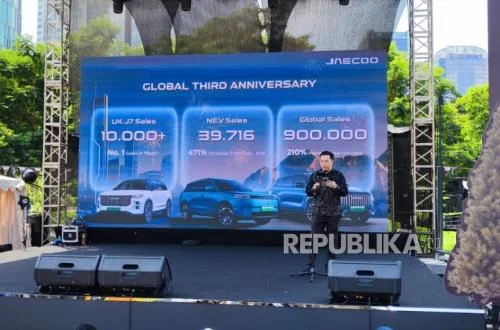
Jaecoo Dominates Indonesian Electric Vehicle Market in Q1 2026 as J5 EV Surges to Top Sales Position

by Nana Wu April 27, 2025
written by Nana Wu

Jakarta, Indonesia – In a remarkable display of market penetration and consumer acceptance, Chinese automotive brand Jaecoo has ascended to become the leading electric vehicle (EV) manufacturer in Indonesia during the first quarter of 2026. The brand’s flagship model, the J5 EV, has been the primary catalyst for this impressive performance, outperforming established competitors and signaling a significant shift in the nation’s burgeoning EV landscape. From January to March 2026, Jaecoo recorded a total sales volume of 7,827 units, a figure that notably surpassed the 7,333 units sold by its closest rival, BYD Atto 1, during the same period. This achievement underscores a growing confidence in electrified mobility among Indonesian consumers.

The momentum generated in the initial months of 2026 builds upon Jaecoo’s cumulative sales since its inception in the Indonesian market. The brand has already surpassed the 12,000-unit sales mark, a testament to its rapid integration and appeal within the archipelago. This sustained growth trajectory indicates that Jaecoo is not merely experiencing a fleeting surge but is establishing a firm foothold in a competitive automotive sector increasingly prioritizing sustainable transportation solutions.

A Swift Ascent: Jaecoo’s Market Entry and Growth Trajectory

Jaecoo’s foray into the Indonesian market was strategically timed, coinciding with the government’s amplified push towards electric mobility and a growing environmental consciousness among the populace. While specific launch dates for the J5 EV and other models are not detailed in the original report, the current sales figures suggest a well-executed market entry strategy, likely involving targeted marketing campaigns, competitive pricing, and a product offering that resonates with local consumer preferences.

The period of January to March 2026 represents a critical benchmark for Jaecoo’s performance. The acquisition of the top EV sales spot during this quarter is particularly significant given the presence of established global and emerging EV players in Indonesia. The substantial lead over BYD Atto 1, a model from a manufacturer with a strong global reputation in the EV space, highlights the J5 EV’s immediate impact and consumer appeal. This early success provides a strong foundation for Jaecoo’s long-term ambitions in the Indonesian market.

The J5 EV: A Star Performer Driving Sales Momentum

The exceptional performance of the J5 EV is central to Jaecoo’s current market leadership. Jim Ma, Business Unit Director of Jaecoo Indonesia, attributed the brand’s success to the increasing trust consumers place in their electrified products. "This demonstrates the growing customer interest and strong recognition of new energy vehicles," Ma stated in recent remarks to the media. The J5 EV, in particular, has emerged as the best-selling EV model in Indonesia, a remarkable feat for a relatively new entrant.

The target for the J5 EV’s sales volume is set to exceed 13,000 units by the end of April 2026, a projection that, if met, would further solidify its dominance and Jaecoo’s overall market position. This aggressive yet achievable target suggests confidence in sustained demand and potentially in the brand’s ability to manage production and supply chain challenges effectively.

Addressing Demand: Jaecoo’s Commitment to Localized Production

To sustain this impressive sales momentum and meet the escalating demand, Jaecoo is actively strengthening its production capabilities within Indonesia. The brand currently operates two assembly facilities in the country. This commitment to local assembly is a crucial strategic move for several reasons. Firstly, it can potentially lead to reduced import duties and taxes, making the vehicles more competitively priced for Indonesian consumers. Secondly, it signifies a long-term investment in the Indonesian economy, fostering local employment and contributing to the development of the automotive manufacturing sector.

The establishment of domestic assembly plants also allows for greater flexibility in responding to market demands and potentially customizing vehicles to better suit local preferences. In the rapidly evolving EV market, agility in production and supply chain management is a significant competitive advantage. By building a local manufacturing presence, Jaecoo positions itself as a committed long-term player rather than a transient exporter.

Broader Implications for the Indonesian EV Market

Jaecoo’s ascendance has significant implications for the broader Indonesian EV market. The brand’s success challenges the established order and introduces a new dynamic of competition. This increased competition is generally beneficial for consumers, as it can lead to:

  • Enhanced Product Offerings: To vie for market share, other manufacturers may be compelled to introduce more advanced features, improved performance, or more diverse models.
  • Price Reductions: Increased competition can drive down prices, making EVs more accessible to a wider segment of the Indonesian population.
  • Faster Infrastructure Development: As EV sales grow, there will be greater impetus for the government and private sector to accelerate the development of charging infrastructure, battery recycling facilities, and other essential support systems.
  • Technological Advancement: The influx of new players and technologies can foster innovation and accelerate the adoption of cutting-edge EV solutions.

The Indonesian government has set ambitious targets for EV adoption as part of its commitment to reducing carbon emissions and fostering a greener economy. Jaecoo’s success aligns perfectly with these national objectives, potentially accelerating the transition away from internal combustion engine vehicles. The brand’s performance can also serve as an indicator for other international automakers considering entering or expanding their presence in the Indonesian EV market.

Analysis of Consumer Trust and Brand Perception

Jim Ma’s statement regarding "increasing consumer trust" in electrified products is a critical observation. This trust is not built overnight. It is a result of a combination of factors, including product reliability, perceived value for money, post-sales service, and the overall brand narrative. Jaecoo’s ability to cultivate this trust so rapidly suggests that their marketing, product quality, and customer engagement strategies have been particularly effective in the Indonesian context.

The fact that the J5 EV has become the best-selling EV model implies that it has successfully addressed key consumer concerns, such as range anxiety, charging accessibility, and affordability, while also offering compelling features and design. Understanding the specific attributes that have resonated with Indonesian buyers – whether it be its battery technology, driving dynamics, interior comfort, or technological integration – will be crucial for ongoing market analysis.

Looking Ahead: Sustaining the Momentum

While the Q1 2026 performance is a resounding success for Jaecoo, the challenge lies in sustaining this momentum. The automotive market is dynamic, and consumer preferences can shift rapidly. Factors that will influence Jaecoo’s future success include:

  • Product Diversification: Expanding the model lineup beyond the J5 EV to cater to different market segments and price points will be essential for long-term growth.
  • After-Sales Service Network: A robust and reliable after-sales service network, including maintenance, repairs, and spare parts availability, is paramount for customer satisfaction and brand loyalty in any automotive market, especially for new technologies like EVs.
  • Charging Infrastructure Partnerships: Collaborating with charging infrastructure providers or investing in proprietary charging solutions can alleviate consumer concerns about charging accessibility.
  • Brand Building and Community Engagement: Continued investment in brand building activities and fostering a sense of community among Jaecoo owners will be vital for long-term market penetration.
  • Adaptation to Regulatory Changes: Staying abreast of evolving government regulations, incentives, and environmental standards will be crucial for navigating the market successfully.

Jaecoo’s remarkable performance in the first quarter of 2026 has undoubtedly placed it at the forefront of Indonesia’s electric vehicle revolution. The success of the J5 EV, coupled with the brand’s commitment to local production, sets a strong precedent and signals an exciting future for electrified mobility in the archipelago. As the market continues to mature, all eyes will be on Jaecoo to see if it can maintain its leadership position and shape the future of automotive transportation in Indonesia.

April 27, 2025 0 comment
0 FacebookTwitterPinterestEmail
Automotive

Understanding the Nuances: Shell Super vs. Shell V-Power and the Impact of Fuel Price Adjustments

by Asep Darmawan April 26, 2025
written by Asep Darmawan

Choosing the right fuel is paramount to maintaining optimal vehicle performance, a fact underscored by the continued popularity of Shell Super and Shell V-Power among Indonesian motorists. While both are engineered to enhance driving efficiency and comfort, they possess distinct differences in their formulation, octane ratings, and the benefits they offer. These distinctions become even more critical as Shell implements its fuel price adjustments, effective December 1, 2025. The new tariff places Shell Super at approximately IDR 13,000 per liter, while Shell V-Power is priced around IDR 13,630 per liter. A thorough understanding of each fuel’s characteristics will empower drivers to make informed decisions that align with their vehicle’s specific requirements, driving habits, and daily efficiency needs.

Fueling Performance: A Deep Dive into Shell Super and Shell V-Power

The Indonesian automotive market, characterized by its diverse range of vehicles and driving conditions, places a significant emphasis on fuel quality. Shell Indonesia, a prominent player in the fuel retail sector, offers two premium fuel options that cater to different driver needs and vehicle specifications: Shell Super and Shell V-Power. While both are positioned as superior alternatives to standard fuels, their underlying science and resulting benefits diverge significantly. This article aims to dissect these differences, providing a comprehensive guide for consumers navigating the choices at Shell service stations.

Key Distinctions: Octane Rating and Engine Compatibility

The most fundamental differentiator between Shell Super and Shell V-Power lies in their octane rating (Research Octane Number or RON). Shell Super boasts a RON of 92, a common benchmark for premium unleaded gasoline, suitable for a wide spectrum of modern passenger vehicles. In contrast, Shell V-Power is formulated with a higher RON of 95.

The significance of octane rating cannot be overstated. It measures a fuel’s resistance to knocking or pinging – an uncontrolled combustion of the fuel-air mixture within the engine’s cylinders. Higher octane fuels are more resistant to auto-ignition under compression. This is particularly crucial for engines designed with higher compression ratios, often found in performance-oriented vehicles or those employing advanced combustion technologies like turbocharging or direct injection.

For engines with lower compression ratios, RON 92, as offered by Shell Super, is typically sufficient to prevent knocking and ensure smooth operation. However, vehicles engineered for higher octane fuel, or those that benefit from the added protection, will experience more efficient and complete combustion when using RON 95, such as Shell V-Power. Using a lower octane fuel than recommended by the manufacturer can lead to knocking, reduced engine performance, and in severe cases, long-term engine damage. Conversely, using a higher octane fuel than necessary may not offer significant performance gains but can be a more costly option.

The Role of Advanced Additives: Cleaning Power and Engine Protection

Beyond octane, the formulation of additives plays a pivotal role in distinguishing these premium fuels. Shell V-Power is distinguished by its proprietary Dynaflex Technology. This advanced additive package is specifically engineered to deliver superior cleaning capabilities. It actively targets and helps to prevent the build-up of performance-robbing carbon deposits on critical engine components, including fuel injectors, intake valves, and the combustion chamber.

Carbon deposits can significantly impair engine efficiency by disrupting fuel spray patterns, reducing airflow, and increasing compression. By actively cleaning these areas, Shell V-Power aims to restore and maintain the engine’s original performance, improve fuel atomization, and ensure a cleaner, more complete combustion process.

Shell Super also contains beneficial additives designed to maintain engine cleanliness and protect against wear. However, its additive package is generally less aggressive than that found in V-Power. While Shell Super offers a good level of protection for everyday driving, Shell V-Power is positioned as the premium choice for those seeking maximum protection and cleaning power, particularly for engines that operate under demanding conditions or have a history of deposit accumulation.

Impact on Vehicle Performance: Responsiveness and Efficiency

The differing octane ratings and additive formulations directly translate into tangible impacts on vehicle performance. The more complete and controlled combustion facilitated by Shell V-Power’s higher octane and advanced cleaning additives can lead to enhanced engine responsiveness. Drivers may notice a more immediate reaction to throttle inputs, resulting in a more dynamic driving experience, particularly during acceleration.

Furthermore, a cleaner engine, as promoted by V-Power’s Dynaflex Technology, contributes to improved long-term engine efficiency. By optimizing combustion and reducing friction, the engine can operate more smoothly and potentially achieve better fuel economy over time.

Shell Super, while not offering the same level of performance enhancement as V-Power, is still a premium fuel designed to provide a smooth and efficient driving experience for daily commuting and general use. It offers a good balance of performance and economy, making it a popular choice for a broad range of drivers who prioritize reliability and consistent performance without necessarily seeking the absolute peak output.

Differentiated Benefits: Economy vs. Power Enhancement

The benefits offered by Shell Super and Shell V-Power are tailored to different driver priorities. Shell Super is primarily formulated to promote fuel economy and optimize mileage. It achieves this by ensuring efficient combustion and minimizing energy loss, allowing drivers to cover more distance on a given amount of fuel. This makes it an attractive option for budget-conscious commuters and drivers who prioritize maximizing their fuel efficiency for routine travel.

In contrast, Shell V-Power’s strengths lie in its ability to unlock the full potential of an engine. Its higher octane and advanced cleaning properties are designed to boost engine power and deliver a more exhilarating driving experience. For performance enthusiasts, drivers of high-performance vehicles, or those who frequently tow or carry heavy loads, V-Power offers a tangible advantage in terms of acceleration, power delivery, and overall engine capability.

Knocking Resistance: Protecting Your Engine

The higher octane rating of Shell V-Power provides superior resistance to knocking and detonation. Knocking is a detrimental phenomenon that occurs when the fuel ignites prematurely and unevenly in the combustion chamber, creating a jarring sound and potentially causing severe engine damage over time. This can be particularly problematic in high-performance engines or in hot weather conditions.

While Shell Super offers adequate protection against knocking for engines designed for RON 92, Shell V-Power provides an elevated level of defense. This enhanced resistance is crucial for drivers who want to ensure the longevity and health of their engine, especially if their vehicle is prone to knocking or is frequently driven under demanding conditions.

Fuel Efficiency: A Closer Look

The relationship between fuel type and efficiency is often nuanced. Shell V-Power, through its cleaner combustion and the prevention of deposit build-up, can contribute to improved fuel efficiency in the long run. A cleaner engine operates more effectively, utilizing fuel more completely and reducing wasted energy. This benefit is often more pronounced in engines that are regularly subjected to high stress or that have a tendency to accumulate deposits.

Shell Super is also designed with fuel efficiency in mind, offering a cost-effective solution for everyday driving. Its formulation aims to provide good mileage for routine use, making it a sensible choice for drivers who prioritize value and consistent, reliable performance without the need for extreme power enhancement. The perceived efficiency gains from V-Power might be more noticeable in specific driving scenarios or with certain engine types compared to Shell Super.

Price Point: A Reflective Difference

The price difference between Shell Super and Shell V-Power is a direct reflection of their advanced formulations, higher octane ratings, and superior additive technologies. As of December 1, 2025, Shell Super is priced at approximately IDR 13,000 per liter, while Shell V-Power commands a slightly higher price of around IDR 13,630 per liter. This consistent price differential underscores Shell’s strategy of positioning V-Power as a premium offering for drivers who require enhanced performance and protection, while Shell Super remains a high-quality, more economical option for everyday needs.

The price adjustment, while increasing the cost of both fuels, maintains this established gap, reinforcing the idea that V-Power is an investment in superior engine performance and longevity, whereas Shell Super offers a compelling balance of quality and affordability.

Making the Right Choice: Aligning Fuel with Needs

Ultimately, the decision between Shell Super and Shell V-Power hinges on individual vehicle requirements and driving habits. Each fuel type possesses unique characteristics and advantages. Understanding these differences empowers drivers to select the fuel that best supports their vehicle’s longevity, power output, and daily operational efficiency.

For the average commuter whose vehicle manufacturer recommends RON 92, Shell Super provides a high-quality, cost-effective solution for reliable daily driving. It ensures efficient operation and adequate engine protection.

However, for owners of performance vehicles, turbocharged engines, or those who frequently push their vehicles to their limits, Shell V-Power offers a discernible advantage. The higher octane rating provides crucial protection against knocking, while the advanced Dynaflex Technology actively cleans the engine, potentially leading to improved power delivery, responsiveness, and long-term engine health.

The broader context of fuel pricing adjustments by major retailers like Shell often reflects fluctuations in global oil prices, refining costs, and currency exchange rates. The consistent price gap between Shell Super and V-Power, even after these adjustments, signals a strategic market positioning. Shell aims to cater to a spectrum of consumer needs, from the cost-conscious driver seeking quality and efficiency to the performance-oriented enthusiast demanding the best for their vehicle.

By educating consumers about the specific benefits of each fuel, Shell facilitates informed choices. When the cost and the specific needs of the engine align, the benefits derived from the chosen fuel—be it enhanced efficiency, sustained power, or superior engine protection—will be maximized, contributing to a longer lifespan and optimal performance of the vehicle.

The ongoing discourse surrounding fuel choices in Indonesia is also influenced by evolving automotive technologies. As engines become more sophisticated, with increased emphasis on direct injection, turbocharging, and complex emission control systems, the demands placed on fuels intensify. Fuels like Shell V-Power, with their advanced cleaning properties and higher octane, are increasingly relevant for maintaining the optimal performance and efficiency of these modern powertrains.

Supporting Data and Context:

The Indonesian automotive market is one of the largest in Southeast Asia, with millions of vehicles on the road. Fuel consumption is a significant operational cost for most vehicle owners. Therefore, understanding the nuances of different fuel grades and their impact on performance and economy is of considerable interest. Shell’s presence in Indonesia, dating back several decades, signifies its commitment to understanding and serving the local market’s needs.

The price adjustment on December 1, 2025, is a common occurrence in the fuel retail sector, driven by market dynamics. Such adjustments often prompt consumers to re-evaluate their fuel choices, making articles that explain the differences between product offerings particularly valuable.

Broader Impact and Implications:

The choice of fuel can have several implications beyond the immediate driving experience.

  • Engine Longevity: Using the appropriate octane fuel can prevent engine knocking, a phenomenon that can lead to significant internal damage over time, thereby extending the lifespan of the engine.
  • Fuel Efficiency and Cost Savings: While the initial cost per liter might differ, the long-term impact on fuel efficiency can influence overall running costs. For certain vehicles or driving conditions, a higher-octane fuel might lead to better mileage, potentially offsetting its higher price.
  • Environmental Impact: Cleaner combustion, facilitated by advanced fuels, can lead to reduced emissions of certain pollutants, contributing to better air quality.
  • Vehicle Performance: For owners of high-performance vehicles, using the recommended or superior fuel grade ensures they are getting the most out of their engine’s capabilities, providing a more responsive and enjoyable driving experience.

In conclusion, Shell Super and Shell V-Power represent distinct offerings within the premium fuel market, each designed to meet specific driver needs. The recent price adjustments by Shell serve as a timely reminder for consumers to critically assess their vehicle’s requirements and their personal driving habits to make the most informed fuel selection. By understanding the fundamental differences in octane, additive technology, and the resultant benefits, Indonesian motorists can ensure their vehicles remain in peak condition, delivering optimal performance and efficiency.

April 26, 2025 0 comment
0 FacebookTwitterPinterestEmail
Newer Posts
Older Posts

Recent Posts

  • Pressure on Indonesia’s Middle Class Intensifies Amid Shifting Economic Dynamics and National Development Goals
  • Brigitte Bardot, Iconic French Actress and Devoted Animal Rights Activist, Passes Away at 91
  • Golkar Chairman Bahlil Lahadalia Calls for Unwavering Internal Unity to Strengthen Party’s Future Stance
  • High-Stakes Surveillance: Alleged Densus 88 Shadowing of Jampidsus Rocks Indonesian Justice System
  • Sari Yuliati Assumes Key Role as Secretary of Golkar Faction in DPR RI Amidst Strategic Political Shifts

Recent Comments

No comments to show.
  • Facebook
  • Twitter

@2021 - All Right Reserved. Designed and Developed by PenciDesign


Back To Top
GKF Media
  • Home