
• Home
GKF Media
keep your memories alive
Politics

PKB Akui Anies Masih Tertinggi di Survei

by Jia Lissa April 18, 2025
written by Jia Lissa

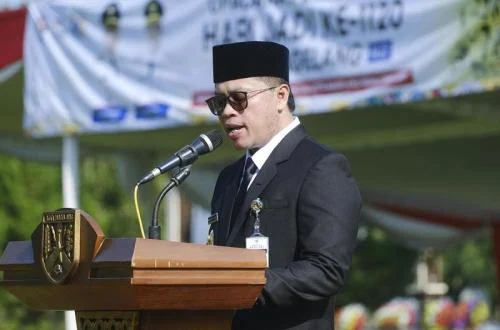
The Partai Kebangkitan Bangsa (PKB) is set to hold a crucial meeting next week with former Jakarta Governor Anies Baswedan to discuss his potential candidacy in the upcoming Jakarta Regional Head Election (Pilkada) 2024. This move by PKB underscores a strategic effort to leverage Anies Baswedan’s perceived high electability, a factor the party believes positions him strongly for a return to the gubernatorial office. The announcement, made by PKB’s Pilkada Desk Treasurer Ahmad Iman Sukri during a press conference at the DPP PKB Office in Central Jakarta on Wednesday, May 29, 2024, highlights the burgeoning political dynamics shaping the capital’s electoral landscape.

The directive for this high-stakes discussion originated directly from PKB Chairman Muhaimin Iskandar, affectionately known as Cak Imin. Iskandar and Baswedan share a significant political history, having recently partnered as presidential and vice-presidential candidates in the 2024 general election. Their alliance, though ultimately unsuccessful in the presidential race, forged a bond that now appears poised to influence regional politics, particularly in the strategically vital capital city. Abdul Halim Iskandar, Chairman of the PKB Pilkada Desk, is slated to lead the meeting with Anies Baswedan, signaling the party’s serious intent in these deliberations.

Background and Context of Jakarta’s Political Significance

Jakarta, as the nation’s capital and economic hub, holds immense political weight. The governorship of Jakarta is often seen as a significant stepping stone to national leadership, a tradition exemplified by figures like President Joko Widodo, who previously served as Governor before ascending to the presidency. The Pilkada Jakarta 2024 is thus not merely a local election but a critical indicator of national political currents and future power dynamics. The city’s diverse demographics, complex urban challenges, and highly engaged populace make its gubernatorial race one of the most closely watched political contests in Indonesia.

Anies Baswedan’s previous tenure as Governor from 2017 to 2022 was marked by several high-profile initiatives and policies, including efforts to address perennial urban issues such as flooding, public transportation, and environmental sustainability. His administration also oversaw the development of key infrastructure projects and cultural programs. These experiences, coupled with his strong public profile cultivated during his presidential campaign, contribute significantly to the "high electability" cited by PKB. Even after his presidential bid concluded, Anies Baswedan’s public recognition and support base, particularly within Jakarta, appear to have remained robust, making him a compelling candidate for various political factions.

The Evolution of the Anies-Muhaimin Alliance

The relationship between Anies Baswedan and Muhaimin Iskandar deepened considerably during their joint campaign for the 2024 presidential election under the banner of the Koalisi Perubahan (Change Coalition). This alliance, which also included the Partai NasDem and the Partai Keadilan Sejahtera (PKS), represented a significant bloc aiming to challenge the status quo. Despite falling short in the national contest, the partnership provided both figures with extensive national exposure and solidified their political collaboration. For PKB, supporting Anies Baswedan in Jakarta could be seen as a continuation of this political synergy, offering a tangible opportunity to secure a prominent executive position for their allied candidate and maintain their influence in a key region.

Muhaimin Iskandar’s explicit instruction for PKB to engage with Anies Baswedan underscores a strategic decision to capitalize on an established political relationship and a proven electoral asset. The party’s assessment of Anies’s sustained popularity post-presidential election is a crucial driver. Ahmad Iman Sukri emphasized this point, stating, "So far, Mr. Anies’s surveys are still high. Perhaps next week we will meet, and hopefully, Jakarta will soon be fixed." This sentiment reflects PKB’s optimism that Anies Baswedan represents a strong, viable candidate who could secure victory in the upcoming gubernatorial race, thereby enhancing PKB’s regional influence and potentially strengthening its bargaining power in future national political realignments.

Chronology of Key Events Leading to Pilkada 2024 Discussions

The path to the current discussions is rooted in a series of significant political events:

  • 2017 Jakarta Gubernatorial Election: Anies Baswedan, then supported by Gerindra and PKS, defeated incumbent Basuki Tjahaja Purnama (Ahok) and Djarot Saiful Hidayat. This victory propelled Anies into a prominent national figure.
  • 2017-2022 Gubernatorial Term: Anies Baswedan served a full five-year term, implementing various programs and policies that shaped public perception and built his political brand.
  • 2022 End of Term: Anies Baswedan’s term concluded, leaving the Jakarta governorship in the hands of an interim appointed official in preparation for the 2024 Pilkada.
  • 2023 Presidential Candidacy Announcement: Anies Baswedan declared his intention to run for president, eventually forming the Koalisi Perubahan with NasDem, PKS, and later, PKB.
  • August 2023: Muhaimin Iskandar joined Anies Baswedan as his running mate, forming the Anies-Muhaimin (AMIN) ticket for the presidential election. This marked the formalization of their political alliance.
  • February 2024 Presidential Election: The AMIN ticket competed against two other pairs, Prabowo Subianto-Gibran Rakabuming Raka and Ganjar Pranowo-Mahfud MD. The AMIN ticket ultimately placed second in the official results.
  • April 2024: The Constitutional Court rejected the election dispute petitions filed by the AMIN and Ganjar-Mahfud camps, solidifying the presidential election outcome.
  • May 29, 2024: PKB announced its intention to meet with Anies Baswedan to discuss the Jakarta Pilkada 2024, signaling the transition of focus from national to regional elections.
  • November 2024: The nationwide simultaneous regional elections (Pilkada Serentak) are scheduled, including the Jakarta gubernatorial election.

This timeline illustrates the seamless transition of Anies Baswedan’s political trajectory from a popular governor to a presidential contender, and now, potentially, back to the gubernatorial race, all while maintaining a consistent political alliance with PKB.

Potential Running Mates and Internal Party Dynamics

Beyond Anies Baswedan’s candidacy, the discussion will also encompass the crucial choice of a running mate (cawagub). Ahmad Iman Sukri indicated that discussions on this front would follow, including the possibility of pairing Anies with an internal PKB cadre. "Regarding the deputy and various other matters, it just needs to be communicated," he stated, highlighting the party’s flexibility but also its strategic interest in securing the deputy governor position.

One prominent internal candidate for the deputy governor role mentioned is Ida Fauziyah. Ida Fauziyah is a seasoned politician and a key figure within PKB, currently serving as the Minister of Manpower in President Joko Widodo’s cabinet. Her extensive experience in both legislative and executive branches of government, coupled with her strong ties to NU (Nahdlatul Ulama) — the largest Islamic organization in Indonesia and a traditional base for PKB — makes her a formidable choice. A pairing of Anies Baswedan with Ida Fauziyah could offer a balanced ticket, combining Anies’s broad appeal and intellectual background with Ida’s robust party machinery, governmental experience, and appeal to a significant segment of the electorate. Such a pairing would also represent a strategic move by PKB to ensure its direct representation in the Jakarta administration.

Broader Implications and Political Landscape

The potential re-nomination of Anies Baswedan by PKB carries significant implications for the broader political landscape in Jakarta and nationally.

  • Coalition Building: PKB’s early move to engage Anies Baswedan could set the tone for coalition formation. While PKB’s five seats in the Jakarta Regional House of Representatives (DPRD) are not enough to independently nominate a candidate (a minimum of 22 seats or 20% of the total 110 seats is required), their endorsement of Anies could attract other parties. The previous Koalisi Perubahan partners, particularly PKS and NasDem, are likely to consider supporting Anies, given their past alliance and his strong base. PKS, with its substantial support in Jakarta, has historically been a strong proponent of Anies.
  • Competition from Other Parties: Other major parties are also actively preparing for the Jakarta Pilkada.
    • PDI-P: As the party with the most seats nationally and a strong presence in Jakarta, PDI-P is expected to field a strong candidate, possibly a prominent figure like former Jakarta Governor Djarot Saiful Hidayat or even a national figure. Their ideological differences with Anies could make them a direct challenger.
    • Gerindra: Having previously supported Anies, Gerindra’s current alignment as the ruling party and President-elect Prabowo Subianto’s party may lead them to field their own candidate or support an ally who aligns with the new national administration. Figures like Ridwan Kamil (former West Java Governor) or even Kaesang Pangarep (President Jokowi’s youngest son) have been floated in various speculative discussions.
    • Golkar: As a major coalition partner of Gerindra, Golkar will also be looking to place its cadres in strategic positions, potentially endorsing a candidate aligned with the incoming national government.
    • PSI: The Indonesian Solidarity Party (PSI), which has gained significant traction among younger voters in Jakarta, will also be a factor, potentially endorsing a candidate aligned with their progressive platform.
  • National Political Realignment: The outcome of the Jakarta Pilkada could be a bellwether for the effectiveness of post-presidential election political alliances. If the Koalisi Perubahan parties successfully unite behind Anies and secure a victory, it could signal the continued relevance of this opposition bloc in regional politics. Conversely, a defeat could lead to further fragmentation.
  • Policy Direction for Jakarta: Anies Baswedan’s potential return would bring back his distinctive policy approach, which often emphasizes social equity, cultural preservation, and environmental initiatives. This contrasts with more development-focused or infrastructure-heavy approaches advocated by other political factions. The election will, therefore, be a referendum on the future policy direction of Jakarta.
  • Youth and Millennial Vote: Jakarta has a significant population of young and millennial voters who are highly engaged with social media and urban issues. Candidates’ abilities to connect with this demographic will be crucial. Anies Baswedan’s strong social media presence and perceived charisma could be an advantage here.

The Jakarta gubernatorial election 2024 is shaping up to be a multifaceted political contest, with high stakes for all involved. PKB’s proactive engagement with Anies Baswedan marks an early and decisive move in what promises to be a complex and highly competitive race, ultimately determining the leadership of Indonesia’s capital for the next five years and potentially influencing the national political trajectory for years to come. The coming weeks, leading up to the formal registration period for candidates, will undoubtedly witness intense negotiations and strategic maneuvers as parties finalize their candidacies and coalition arrangements.

April 18, 2025 0 comment
0 FacebookTwitterPinterestEmail
Politics

King Abdullah II of Jordan Embarks on Significant State Visit to Indonesia, Reinforcing Bilateral Ties and Regional Cooperation

by Dwi Wanna April 18, 2025
written by Dwi Wanna

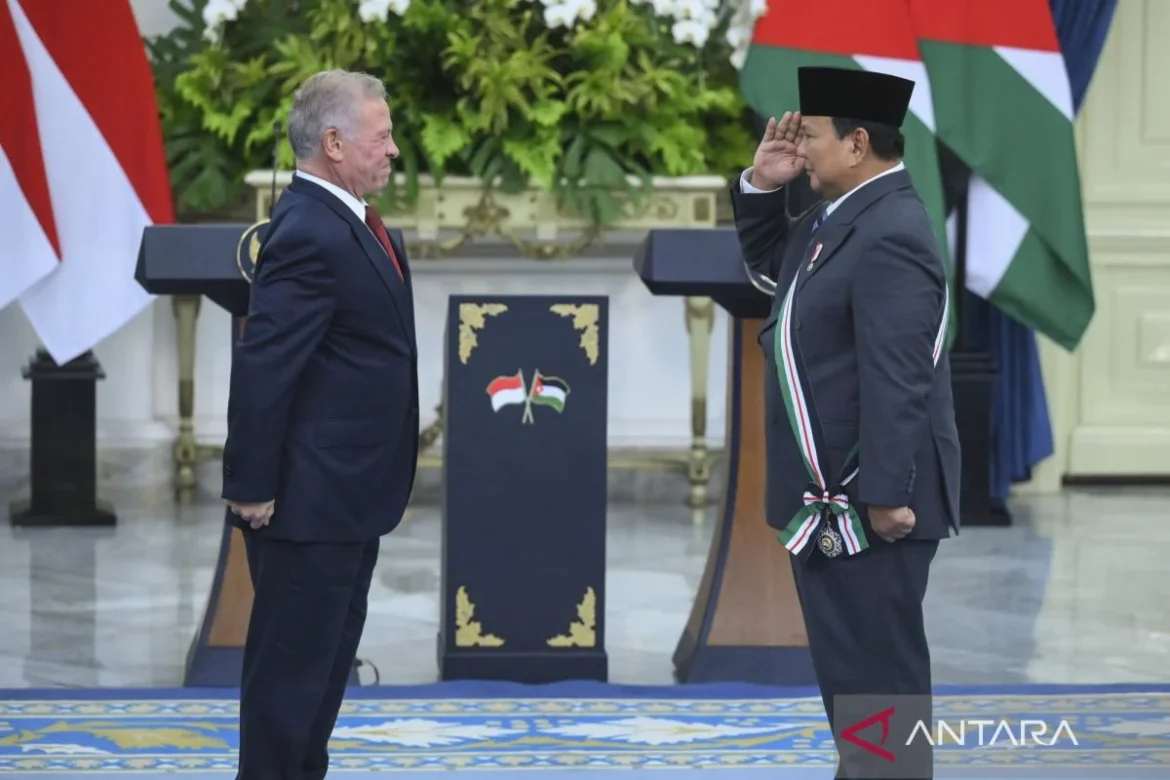
Jakarta witnessed a pivotal moment in international diplomacy on Friday afternoon as His Majesty King Abdullah II Bin Al-Hussein of Jordan arrived for a high-profile state visit to Indonesia. The visit underscores a concerted effort to strengthen bilateral relations, foster economic cooperation, and enhance strategic dialogue between the two nations. King Abdullah II is scheduled to engage in crucial discussions with Indonesian President Prabowo Subianto and representatives from Danantara Indonesia, an engagement expected to culminate in the signing of significant bilateral memoranda of understanding (MoUs). This visit is not merely a ceremonial exchange but a strategic convergence aimed at unlocking new avenues for collaboration across various sectors.

Immediate Agenda and Bilateral Focus

Upon his arrival, King Abdullah II’s itinerary is packed with high-level meetings designed to advance the shared interests of Jordan and Indonesia. The cornerstone of the visit will be his meeting with President Prabowo Subianto, where discussions are anticipated to cover a wide array of topics, including trade, investment, defense cooperation, education, and regional security challenges. Following their private discussions, both leaders will preside over the signing ceremony of several bilateral MoUs. While the specific details of these agreements are subject to official announcement, previous diplomatic engagements and the scheduled meeting with Danantara Indonesia strongly suggest a focus on strategic resources and economic partnership.

The inclusion of Danantara Indonesia in the King’s schedule highlights a particular area of mutual interest: the potential for cooperation in the phosphate industry. Jordan is a major global producer of phosphates, a critical component for fertilizers, which are vital for agricultural productivity and food security. Indonesia, with its vast agricultural sector and large population, represents a significant market for fertilizers and possesses the capacity for processing and distribution. This potential collaboration could see Jordanian phosphates exported to Indonesia for processing, or even joint ventures established to develop fertilizer production facilities, thereby creating a robust supply chain that benefits both economies and contributes to regional food security initiatives. Such an partnership would not only bolster trade figures but also address pressing global challenges related to agricultural sustainability and resource management.

A Deep-Rooted Friendship and Shared Military Background

Beyond the formal diplomatic protocols, the visit is imbued with a unique personal dimension, stemming from a long-standing friendship between King Abdullah II and President Prabowo Subianto. Their bond traces back to their youth, forged by a shared background in military training. Both leaders are alumni of the esteemed United States Army training institution at Fort Benning, a common experience that has cultivated a mutual respect and understanding over decades. This personal rapport is expected to serve as a strong foundation for their official discussions, facilitating more candid and productive exchanges. The shared discipline, strategic thinking, and leadership qualities instilled by their military careers often translate into a pragmatic approach to governance and international relations, fostering a sense of camaraderie that transcends typical diplomatic interactions. This historical personal connection adds a layer of trust and warmth to the bilateral relationship, distinguishing it from many other state-to-state engagements.

Broader Diplomatic Tour and Regional Strategy

King Abdullah II’s visit to Indonesia is part of a broader, strategically planned tour of several key Asian nations, demonstrating Jordan’s commitment to strengthening its ties with the dynamic economies and influential political actors of the Asia-Pacific region. His itinerary includes stops in Japan, Vietnam, Singapore, and Pakistan. This multi-nation tour signals Jordan’s proactive foreign policy, aiming to diversify its partnerships, enhance economic engagement, and foster greater political understanding beyond its immediate Middle Eastern neighborhood. For Indonesia, being a stop on such a significant regional tour underscores its growing importance on the global stage, not only as a major economy in Southeast Asia but also as a leading voice in the Muslim world and a proponent of multilateralism. This broader context frames the Indonesia visit as an integral part of Jordan’s strategic outreach to build a network of robust alliances and economic partnerships across Asia.

Historical Diplomatic Engagements and Preceding Visits

The groundwork for King Abdullah II’s current visit was laid by President Prabowo Subianto’s own visit to Jordan earlier in the year, specifically on April 14, 2025 (as per the source material, assuming a future-dated publication or a typo, and interpreting it as a recent past event relative to the current visit). During that trip, President Prabowo held a private, one-on-one meeting with King Abdullah II at the Al Husseiniya Palace in Amman. This prior engagement provided an invaluable opportunity for the leaders to discuss bilateral issues in depth and set the agenda for future cooperation, paving the way for the current state visit. Such high-level exchanges are crucial for maintaining momentum in diplomatic relations and ensuring that mutual interests are continuously advanced.

Diplomatic relations between Indonesia and Jordan have historically been cordial and cooperative, founded on shared principles of peace, stability, and mutual respect. Both nations are members of the Organisation of Islamic Cooperation (OIC) and often collaborate on issues pertaining to regional stability, interfaith dialogue, and humanitarian efforts. There have been numerous ministerial and parliamentary exchanges over the years, steadily building a framework for the enhanced cooperation now being sought at the highest levels. These interactions have fostered a deep understanding of each other’s geopolitical perspectives and economic priorities, creating a fertile ground for more ambitious partnerships.

Economic Synergy: A Focus on Trade and Investment

The economic dimension of the relationship holds significant potential. While current trade volumes between Indonesia and Jordan are modest compared to other major partners, there is substantial room for growth. Indonesia’s primary exports to Jordan typically include palm oil and its derivatives, textiles, rubber, and various manufactured goods. In return, Indonesia imports a range of products from Jordan, most notably potash, phosphates, and fertilizers—sectors where Jordan possesses a competitive advantage.

The discussions during King Abdullah II’s visit are expected to explore mechanisms to boost two-way trade, remove existing barriers, and encourage greater investment. Beyond phosphates, other sectors ripe for collaboration include:

  • Tourism: Both countries offer unique cultural and historical attractions. Promoting direct flights and package tours could significantly increase tourist flows. Jordan, with its rich historical sites like Petra and Wadi Rum, and its proximity to religious sites, holds great appeal, while Indonesia’s diverse natural beauty and cultural heritage are globally renowned.
  • Education: Opportunities for student and academic exchanges, as well as collaboration between universities, could foster deeper cultural understanding and skill development. Jordan’s strong educational institutions and Indonesia’s large student population present a natural fit for partnerships.
  • Defense: Given the leaders’ shared military background, discussions on defense cooperation, including training exchanges, technology transfer, and joint exercises, could be on the table. Both nations face complex security challenges, and sharing expertise could enhance their respective defense capabilities.
  • Digital Economy and Innovation: As both nations look towards future-proof economies, collaboration in technology, startups, and digital infrastructure could yield significant benefits.

Jordan’s Strategic Importance

Jordan plays a critical role in the geopolitical landscape of the Middle East. Despite being situated in a region often characterized by conflict and instability, Jordan has consistently maintained its stability and acted as a voice of moderation. Under King Abdullah II’s leadership, the Hashemite Kingdom has been a steadfast ally in the fight against extremism and a crucial partner in regional peace efforts. As the Hashemite Custodian of Christian and Muslim Holy Sites in Jerusalem, Jordan holds a unique and sensitive position, advocating for peace and religious harmony. Its efforts in hosting millions of refugees from neighboring conflicts also underscore its humanitarian commitment. For Indonesia, engaging with Jordan is an opportunity to support regional stability, enhance interfaith dialogue, and contribute to humanitarian initiatives in the Middle East. Jordan’s insights into regional dynamics are invaluable for Indonesia’s foreign policy considerations, especially as it seeks to play a more active role in global affairs.

Indonesia’s Global Stature

Indonesia, as the world’s largest Muslim-majority nation and a member of the G20, wields considerable influence on the global stage. Its robust economy, democratic governance, and active role in ASEAN (Association of Southeast Asian Nations) and other multilateral forums position it as a significant diplomatic and economic partner. Indonesia’s commitment to a non-aligned foreign policy and its advocacy for South-South cooperation resonate well with Jordan’s own diplomatic approach. The visit by King Abdullah II acknowledges Indonesia’s growing prominence and its potential to be a strong partner in addressing global challenges, from climate change to sustainable development and food security.

A Royal Profile: King Abdullah II Bin Al-Hussein

King Abdullah II Bin Al-Hussein, born in Amman, Jordan, on January 30, 1962, is a figure of profound historical and political significance. As the eldest son of the late King Hussein bin Talal and Princess Muna Al Hussein, he is the 41st direct descendant of the Prophet Muhammad (PBUH), a lineage that bestows upon him immense spiritual and cultural authority within the Islamic world.

His educational journey reflects a blend of traditional Islamic schooling and a comprehensive Western military and academic curriculum. He began his education at the Islamic Educational College in Amman before attending St. Edmund’s School in Surrey, England. He completed his secondary education at Deerfield Academy in the United States, providing him with a strong international perspective from an early age. His commitment to military service began with his attendance at the prestigious Royal Military Academy Sandhurst in England in 1980, a crucible for future leaders. Following his military training, he pursued higher education at Pembroke College, University of Oxford, England, in 1982, and later at Georgetown University in the U.S. from 1987 to 1989, where he focused on international relations. This diverse educational background has equipped him with a deep understanding of global affairs, strategic thinking, and diplomatic nuances.

King Abdullah II’s military career was marked by steady advancement and distinguished service within the Royal Jordanian Army. From 1981 to 1993, he served in various capacities, gaining hands-on experience in military operations and leadership. His expertise in special operations led to his appointment as Deputy Commander of the Jordanian Special Forces from 1993 to 1994. He then rose to the pivotal role of Commander of the Jordanian Special Forces from 1994 to 1999, where he was instrumental in modernizing and enhancing the capabilities of Jordan’s elite units. His ascension to the throne occurred in 1999, following the passing of his father, King Hussein, a transition that saw him seamlessly move from a military leader to the sovereign of a nation.

On June 10, 1993, King Abdullah II married Queen Rania Al Abdullah, and together they have four children: two sons, Crown Prince Hussein and Prince Hashem, and two daughters, Princess Iman and Princess Salma. Beyond his official duties, King Abdullah II is known for his diverse and adventurous hobbies. He is a qualified pilot and a skilled parachutist, reflecting his continued affinity for military and airborne pursuits. His other passions include car racing, diving, and collecting antique weapons, showcasing a blend of adrenaline-seeking and historical appreciation. These personal interests paint a picture of a dynamic and well-rounded leader.

The Road Ahead: Implications for Bilateral Relations

King Abdullah II’s state visit to Indonesia is poised to yield significant long-term benefits for both nations. The anticipated MoUs and discussions are expected to strengthen not only economic and trade ties but also enhance cooperation in areas vital for regional and global stability. The emphasis on phosphates and agricultural cooperation could serve as a model for South-South collaboration, addressing critical issues like food security and sustainable resource management.

Furthermore, the visit will likely foster greater political dialogue on international issues. Both Jordan and Indonesia share a common interest in promoting peace, religious tolerance, and multilateralism. Discussions could extend to coordinating efforts on global challenges such as climate change, poverty alleviation, and counter-terrorism. The shared commitment to interfaith harmony, particularly given Jordan’s role as custodian of holy sites and Indonesia’s status as a beacon of moderate Islam, could lead to joint initiatives promoting understanding and dialogue between different faiths and cultures.

In essence, this visit is more than a diplomatic formality; it is a strategic investment in a partnership between two nations committed to progress, stability, and mutual prosperity. The personal bond between King Abdullah II and President Prabowo Subianto provides a strong undercurrent, ensuring that the official engagements are underpinned by trust and a shared vision for a more cooperative future. As Indonesia continues to assert its influence in global affairs and Jordan maintains its crucial role in the Middle East, their strengthened relationship will undoubtedly contribute to a more stable and prosperous international order.

April 18, 2025 0 comment
0 FacebookTwitterPinterestEmail
National News

Indonesia’s Booming Crypto Futures Market: Navigating Security, Legality, and Innovation with Local Platforms

by Basiran April 17, 2025
written by Basiran

The landscape of cryptocurrency futures trading in Indonesia is experiencing rapid expansion, presenting investors with significant opportunities to generate profits regardless of market direction, whether prices are ascending or declining. However, this burgeoning sector underscores a critical imperative: the selection of a trading platform must prioritize robust security measures and unwavering legal compliance. In this dynamic environment, platforms like Pintu, with its dedicated Pintu Futures feature, are emerging as key players, providing regulated access to derivative markets for a broad spectrum of Indonesian investors.

The Accelerating Growth of Crypto Futures in Indonesia

The appeal of crypto futures lies in its ability to offer leveraged trading, allowing investors to control larger positions with a relatively smaller capital outlay, and the flexibility to profit from both bullish (long positions) and bearish (short positions) market movements. This versatility makes futures an attractive instrument for experienced traders seeking to amplify returns or hedge existing spot market portfolios. Indonesia, with its rapidly digitizing economy and a population increasingly engaged with digital assets, has witnessed an exponential surge in interest in these sophisticated financial products. This trend mirrors a broader global shift where derivatives now constitute a substantial portion of the overall cryptocurrency market volume, often dwarfing spot trading volumes on major international exchanges.

Data from various market intelligence firms indicates that Southeast Asia, including Indonesia, is a hotbed for crypto adoption, driven by a young, tech-savvy demographic and relatively high mobile internet penetration. As domestic financial literacy regarding digital assets improves, so too does the demand for more advanced trading tools like futures. This growth is not merely anecdotal; it is reflected in the increasing trading volumes reported by regulated domestic exchanges and the expanding user bases of platforms offering these services. The promise of generating returns in volatile markets, coupled with the speculative thrill, continues to draw new participants, from retail investors to more seasoned traders looking for sophisticated strategies.

A Robust Regulatory Framework: Bappebti and OJK’s Oversight

Central to the sustainable development of Indonesia’s crypto market is the meticulous regulatory framework established by the government. Unlike many jurisdictions that have lagged in providing clear guidelines for digital assets, Indonesia has taken proactive steps to regulate the sector, primarily through the Commodity Futures Trading Regulatory Agency (Bappebti), an institution under the Ministry of Trade. Bappebti is responsible for overseeing and licensing crypto exchanges and platforms, ensuring they adhere to stringent operational, financial, and security standards. This includes requirements for capital adequacy, segregation of client funds, anti-money laundering (AML) and counter-terrorism financing (CFT) protocols, and robust cybersecurity infrastructure.

More recently, the Financial Services Authority (OJK) has also begun to assert its influence, particularly in broader aspects of financial stability and consumer protection related to digital assets, although Bappebti remains the primary licensing body for crypto exchanges themselves. This multi-layered oversight aims to instill confidence among investors and foster a transparent, fair, and secure trading environment. The requirement for platforms to be officially registered and supervised by these regulatory bodies is not merely a bureaucratic hurdle; it is a fundamental safeguard designed to protect investor funds and ensure the integrity of transactions. Without such oversight, the market would be vulnerable to scams, market manipulation, and operational failures, jeopardizing the hard-earned capital of millions of Indonesians.

Chronology of Crypto Regulation in Indonesia:

  • 2018: Bappebti officially recognizes cryptocurrency as a commodity, paving the way for its legal trading. Initial regulations are introduced, requiring crypto exchanges to register and comply with specific operational standards.
  • 2019: Bappebti issues Regulation No. 5/2019 (and subsequent amendments), detailing the legal framework for physical crypto asset trading, including requirements for custodianship, capital, and technology. This regulation explicitly allows for derivatives trading on crypto assets, setting the stage for futures platforms.
  • 2020-2022: Ongoing refinements and updates to Bappebti regulations, focusing on improving market transparency, consumer protection, and combating illicit activities. The agency emphasizes the importance of secure and compliant platforms.
  • 2023-Present: The Indonesian government continues to explore broader regulatory frameworks, with OJK increasingly involved in monitoring financial stability implications of digital assets, signaling a maturing regulatory ecosystem aiming for comprehensive oversight. The focus shifts towards ensuring robust investor education alongside market growth.

Pintu Futures: A Paradigm of Localized Innovation and Security

Among the regulated platforms, Pintu stands out as a prominent local player, exemplifying how domestic entities are innovating within the established regulatory framework. Launched with the express purpose of democratizing access to crypto investing, Pintu has rapidly grown to become one of Indonesia’s most downloaded crypto applications, boasting over 10 million downloads and a diverse selection of more than 320 crypto tokens. The introduction of Pintu Futures marks a significant expansion of its offerings, allowing users to engage in derivative trading without the complexities often associated with international exchanges.

A key differentiator for Pintu Futures is its emphasis on user-friendliness and investor education. While futures trading inherently involves higher risks due to leverage, Pintu has designed its platform to be intuitive, making it accessible even for beginners. This commitment is further underscored by the Pintu Academy, an extensive educational resource offering materials from basic crypto concepts to advanced trading strategies, including those specific to futures. This educational component is crucial, as a well-informed investor is better equipped to manage risks and make sound trading decisions.

Key Features and Security Protocols:

  • Regulated Status: Pintu is officially registered and supervised by Bappebti and, by extension, operates within the broader financial oversight context of OJK, ensuring adherence to national legal standards.
  • User-Friendly Interface: The platform’s design prioritizes ease of use, appealing to both novice investors and experienced traders. This user-centric approach reduces the barrier to entry for complex instruments like futures.
  • Comprehensive Features: Beyond futures, Pintu offers a suite of services, including Pintu Earn for passive income, Auto DCA (Dollar-Cost Averaging) for automated investing, and Pintu Pro for advanced trading features accessible via desktop and mobile.
  • Leverage and Risk Management: Pintu Futures provides leverage up to approximately 25x, depending on the asset. While leverage magnifies potential gains, Pintu’s approach focuses on responsible risk management, particularly beneficial for those new to derivatives. The platform’s design implicitly encourages users to understand the associated risks.
  • Robust Security Infrastructure: Pintu has implemented a multi-layered security architecture. This includes industry-standard features like two-factor authentication (2FA), biometric verification, and advanced encryption protocols. Critically, Pintu holds the international security certification ISO 27001:2022, signifying adherence to global best practices in information security management.
  • World-Class Custodianship: To safeguard user assets, Pintu partners with PT Kustodian Koin Indonesia (ICC) and Fireblocks, two globally recognized institutional-grade custodians. These partnerships ensure that user assets are stored securely in segregated accounts, employing cutting-edge cold storage and multi-party computation (MPC) technologies, minimizing the risk of theft or loss.

A spokesperson for Pintu, addressing the platform’s role in the market, emphasized, "Our core mission is to empower Indonesian investors with secure, legal, and educational access to the full spectrum of digital asset opportunities. With Pintu Futures, we are not just offering a trading product; we are providing a gateway to financial sophistication, backed by robust security and comprehensive learning resources. We believe that by simplifying access and prioritizing education, we can foster responsible participation in the exciting world of crypto derivatives."

Reku: A Modern Contributor to Indonesia’s Crypto Ecosystem

Another significant player in the Indonesian crypto market is Reku, formerly known as Rekeningku. Reku has carved out a niche by offering a modern, clean, and intuitive user experience combined with competitive trading fees. While the provided information focuses primarily on Pintu, Reku’s inclusion highlights the growing diversity and sophistication of local platforms. Reku’s commitment to a streamlined user interface and cost-effective trading options appeals to a segment of the market that values efficiency and affordability. Its evolution and sustained growth underscore the healthy competition within the Indonesian crypto sector, which ultimately benefits users through improved services and innovation. Like Pintu, Reku also operates under Bappebti’s regulatory oversight, affirming its commitment to legal and secure operations.

Navigating the Landscape: Criteria for Platform Selection

As the Indonesian crypto futures market continues its ascent towards 2026 and beyond, investors must remain vigilant and discerning when selecting a trading platform. While Pintu and Reku exemplify platforms that meet high standards, the broader market includes various options. Investors should consider the following critical criteria:

  1. Regulatory Compliance: Foremost, ensure the platform is officially registered and supervised by Bappebti. This is non-negotiable for legal and secure trading in Indonesia.
  2. Security Measures: Look for features like 2FA, biometric login, cold storage for assets, multi-signature wallets, and ideally, international security certifications like ISO 27001. Information on custodial partners is also vital.
  3. Leverage Options and Risk Management Tools: Understand the maximum leverage offered and whether the platform provides tools like stop-loss orders, take-profit orders, and margin call notifications to help manage risk.
  4. Asset Diversity: A broader selection of crypto assets for futures trading can offer more opportunities, but ensure these assets are liquid and well-understood.
  5. Fees and Spreads: Compare trading fees (maker/taker), funding rates for futures, and withdrawal fees across platforms. Transparent fee structures are essential.
  6. User Interface and Mobile Accessibility: An intuitive platform, whether on desktop or mobile, can significantly enhance the trading experience, especially for active traders.
  7. Customer Support: Responsive and knowledgeable customer service is crucial, particularly when dealing with complex financial products like futures.
  8. Educational Resources: Platforms offering comprehensive educational materials empower users to make informed decisions and understand the intricacies and risks of futures trading.

Implications for Indonesian Investors and the Economy

The robust growth of crypto futures trading, supported by regulated platforms like Pintu, carries significant implications for Indonesian investors and the broader national economy. For investors, it opens avenues for portfolio diversification, capital efficiency, and sophisticated hedging strategies against volatility in the spot market. However, it also underscores the heightened risks associated with leverage, necessitating a strong emphasis on risk management and financial literacy.

Economically, the development of a regulated and innovative crypto derivatives market positions Indonesia as a progressive player in the global digital finance arena. It fosters financial innovation, potentially attracting foreign investment, and contributes to job creation within the fintech sector. Furthermore, the push for investor education by platforms and regulators alike contributes to raising overall financial literacy levels across the population, which has long-term benefits for economic stability and growth.

However, challenges remain. Regulators face the continuous task of keeping pace with the rapid technological advancements in the crypto space while ensuring consumer protection. The potential for market volatility and the inherent risks of leveraged products demand ongoing vigilance and adaptive regulatory frameworks.

Future Outlook

Looking ahead to 2026 and beyond, the trajectory for Indonesia’s crypto futures market appears set for sustained growth. The increasing sophistication of platforms, coupled with a maturing regulatory environment, is likely to attract an even wider array of participants. The emphasis on security, legality, and investor education, championed by leading platforms, will be paramount in ensuring this growth is sustainable and beneficial for all stakeholders. As digital assets become more integrated into the global financial system, Indonesia’s proactive approach to regulating and fostering its crypto derivatives market positions it as a significant emerging force in the future of finance.

April 17, 2025 0 comment
0 FacebookTwitterPinterestEmail
National News

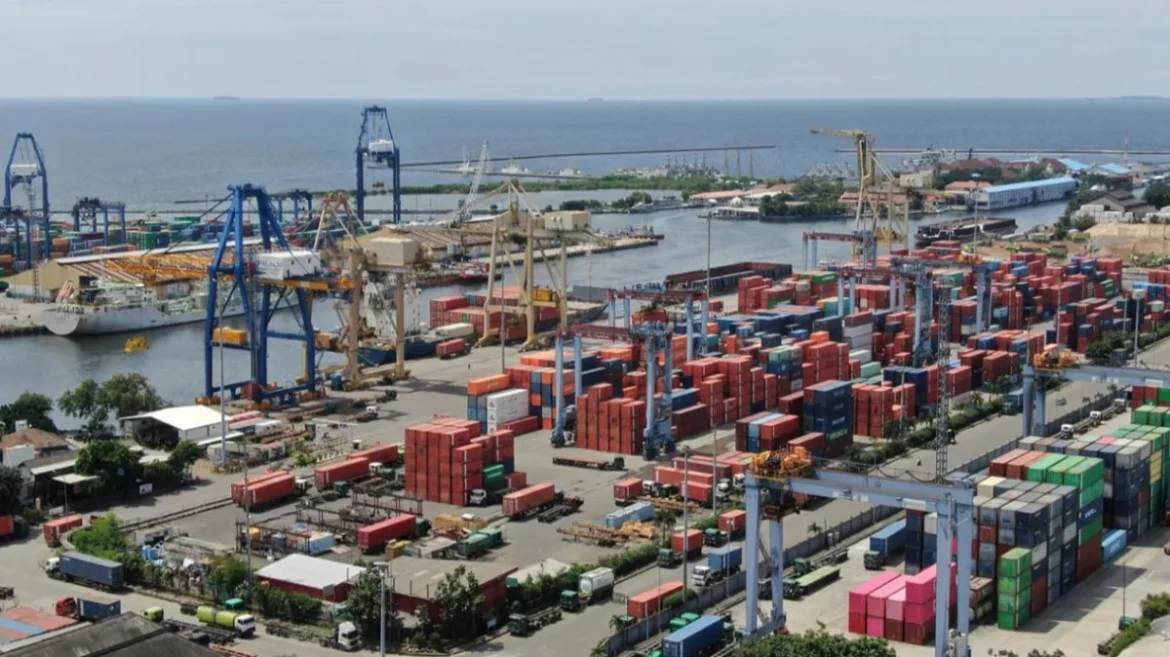
IPC TPK Navigates Idul Fitri Dynamics, Achieves Solid 0.9% Throughput Growth in Q1 2026 Amidst Logistical Hurdles

by Nana Muazin April 16, 2025
written by Nana Muazin

PT IPC Terminal Petikemas (IPC TPK), a prominent subsidiary of the state-owned port operator Pelindo, has demonstrated remarkable operational resilience and strategic acumen, recording a robust total throughput of 850,768 Twenty-foot Equivalent Units (TEUs) in the first quarter of 2026. This figure represents a commendable 0.9 percent increase compared to the 843,187 TEUs registered in the corresponding period of the previous year (Year-on-Year/YoY). The achievement is particularly significant as it occurred amidst the challenging logistical landscape shaped by the Idul Fitri national holiday, which necessitated temporary restrictions on goods transportation to facilitate the annual mass exodus.

Understanding the Operational Landscape: Idul Fitri’s Impact on Logistics

Indonesia’s logistics sector faces predictable yet complex challenges annually during major national holidays, particularly Idul Fitri. This festive period, marking the end of the fasting month of Ramadan, triggers a massive movement of people across the archipelago, known as "mudik." To ensure road safety and manage severe traffic congestion, the Ministry of Transportation typically implements stringent restrictions on the movement of certain types of cargo vehicles on key arteries, usually for several days before and after the peak of the holiday. For 2026, these restrictions were primarily in effect from late March through early April, directly impacting the tail end of the first quarter and the beginning of the second.

Such governmental mandates, while crucial for public safety and convenience, inevitably create bottlenecks in the supply chain. Businesses must contend with compressed delivery windows, increased demand for pre-holiday stock, and a subsequent slowdown during the actual holiday period. For a major container terminal operator like IPC TPK, which manages the flow of goods crucial for both domestic consumption and international trade, navigating these periods requires meticulous planning, agile execution, and robust infrastructure. The ability to maintain, and even grow, throughput during such a period underscores the company’s strategic foresight and operational adaptability.

Strategic Maneuvers: IPC TPK’s Proactive Approach to Volatility

Pramestie Wulandary, Corporate Secretary of IPC TPK, highlighted that the company’s sustained performance was a direct result of its proactive and precisely measured operational optimization strategies. These measures were meticulously implemented both in the lead-up to and following the cargo restriction period. "IPC TPK had meticulously optimized loading and unloading activities in anticipation of the restriction period, while simultaneously ensuring the accelerated flow of goods once these restrictions were lifted," Wulandary stated on Wednesday, April 15, 2026. "This dual-pronged strategy allowed us to maintain distribution fluidity and significantly minimize potential accumulation at our terminals, thereby mitigating the broader impact on the national supply chain."

The core of this strategy involved several key components. Firstly, pre-emptive capacity maximization: Recognizing the impending restrictions, IPC TPK worked closely with shipping lines, consignees, and freight forwarders to accelerate the processing of cargo destined for regions that would be affected by the bans. This included extending operational hours, deploying additional equipment, and streamlining administrative processes to push as much cargo through as possible before the cut-off dates. Secondly, intelligent resource allocation: During the restriction period, when overall traffic volume naturally dipped, IPC TPK utilized this window for scheduled maintenance, staff training, and system upgrades, ensuring that its infrastructure remained in peak condition for the post-holiday surge. Thirdly, rapid recovery protocols: Immediately following the lifting of restrictions, the company activated pre-planned protocols for rapid clearance. This involved prioritizing critical shipments, efficient yard management to prevent congestion, and leveraging advanced terminal operating systems (TOS) to optimize container placement and retrieval. These integrated efforts were instrumental in cushioning the impact of the holiday-induced slowdown and ensuring a swift return to normal operations.

Detailed Performance Metrics: A Closer Look at Q1 2026 Figures

While the overall Q1 2026 performance demonstrated growth, a granular look at the monthly data reveals the immediate effects of the Idul Fitri period. Specifically, in March 2026, the month leading up to the holiday and potentially encompassing the initial phase of transport restrictions, IPC TPK recorded a throughput of 250,352 TEUs. This figure represented a decrease of approximately 14 percent when compared to the 290,923 TEUs recorded in March 2025. This monthly dip underscores the direct impact of the holiday season’s logistical constraints, as businesses scaled back shipments or expedited them in earlier weeks.

Di Tengah Pembatasan Angkutan Barang Enggak bikin Kinerja Mengendur

However, a deeper analysis reveals contrasting trends within different cargo segments. The domestic segment exhibited robust growth, with volume expanding by 3.5 percent, from 623,532 TEUs in March 2025 to 645,084 TEUs in March 2026. This positive trajectory in domestic container traffic highlights the underlying strength of Indonesia’s internal economy and the effectiveness of IPC TPK’s strategies in supporting inter-island trade, even during challenging times. It suggests a sustained demand for consumer goods, raw materials, and agricultural products moving between the nation’s islands, a critical component of national economic stability.

Conversely, the international container flow experienced a decline, falling by 6.4 percent from 219,655 TEUs in March 2025 to 205,684 TEUs in March 2026. This reduction in international throughput was primarily influenced by a confluence of factors, including adjustments to global shipping schedules and broader dynamics in cross-country goods distribution during the period. Global supply chain disruptions, such as lingering effects from geopolitical tensions, changes in major trade routes (e.g., Red Sea reroutes), and shifts in manufacturing hubs, often lead to fluctuating vessel arrival times and altered cargo volumes at various ports worldwide. IPC TPK’s international segment performance reflects these external macro-environmental pressures, which are largely beyond the direct control of a single port operator.

Regional Growth Drivers: A Geographically Diverse Success

The overall growth in throughput was not concentrated in a single operational area but was rather evenly distributed across IPC TPK’s various operational hubs, demonstrating a widespread effectiveness of its strategies and the underlying economic activity in diverse regions. Notable growth figures were observed in:

  • Tanjung Priok Area: Registered a 1 percent growth. As Indonesia’s largest and busiest port, Tanjung Priok serves as the primary gateway for international trade and a crucial hub for domestic distribution. Even a modest growth here represents a significant volume increase and indicates the continued vitality of Jakarta’s economic hinterland.
  • Pontianak Area: Saw a 1.6 percent increase. Located in West Kalimantan, Pontianak is a key port for the region’s burgeoning agricultural and resource-based industries, playing a vital role in connecting Kalimantan’s economy to the rest of Indonesia and international markets.
  • Panjang Area: Recorded a 2 percent growth. Situated in Lampung, Sumatra, Panjang is strategically important for inter-island logistics, particularly for goods moving between Sumatra and Java, as well as serving the agricultural and industrial sectors of southern Sumatra.
  • Teluk Bayur Area: Achieved the highest growth, an impressive 5.3 percent. This port in West Sumatra is crucial for regional trade and resource exports, and its strong performance indicates robust economic activity and increased logistical efficiency in its catchment area.

This widespread growth underscores IPC TPK’s extensive network and its ability to cater to the diverse logistical needs of different Indonesian regions. It also reflects localized economic expansions that contribute to the national throughput figures. "The Idul Fitri momentum, despite its challenges, served as an invaluable opportunity for us to reinforce and refine our adaptive and integrated operational systems," Pramestie further elaborated, emphasizing the continuous learning and improvement ethos embedded within the company.

Industry Perspective and Official Commentary

The steady performance of IPC TPK during a period fraught with logistical complexities has drawn positive attention from various stakeholders. Industry analysts from the Indonesian Logistics and Forwarders Association (ALFI) commended IPC TPK’s proactive measures. "IPC TPK’s ability to navigate the Idul Fitri restrictions with minimal disruption to overall Q1 throughput sets a benchmark for port operators," stated a representative from ALFI, who requested anonymity due to ongoing collaborations. "Their strategic optimization before and after the ban significantly cushioned the impact on shippers and contributed to the overall stability of the national supply chain during a critical period of high consumption."

From a governmental perspective, the Ministry of Transportation, responsible for implementing the cargo restrictions, implicitly acknowledged the efficacy of such port-level adaptations. A statement from the Directorate General of Land Transportation highlighted the importance of synergy between government policy and private sector responsiveness. "The successful management of logistics during Idul Fitri requires a concerted effort from all parties. The proactive engagement of port operators like IPC TPK in accelerating cargo movements and ensuring rapid recovery post-restrictions is vital in supporting our national objectives of safe and efficient public movement, alongside maintaining economic stability," a ministry official commented.

Pelindo, as the parent company, also expressed satisfaction with IPC TPK’s robust performance. "IPC TPK continues to be a cornerstone of Pelindo’s strategic vision for national port efficiency," said a Pelindo spokesperson. "Their Q1 2026 results, especially considering the unique challenges of Idul Fitri, exemplify the commitment to operational excellence and customer-centricity that we strive for across all our subsidiaries. This performance reinforces our confidence in IPC TPK’s role in driving Indonesia’s maritime logistics forward."

Broader Economic and Logistical Implications

Di Tengah Pembatasan Angkutan Barang Enggak bikin Kinerja Mengendur

IPC TPK’s sustained performance carries significant broader implications for Indonesia’s economy and its logistics sector. Firstly, it underscores the critical role of efficient port operations in maintaining national economic stability. By ensuring the smooth flow of goods, IPC TPK contributes directly to preventing supply shortages, managing inflationary pressures, and supporting both domestic production and consumption. The growth in the domestic segment is particularly crucial, reflecting a resilient internal market that relies heavily on inter-island shipping.

Secondly, the company’s ability to mitigate the impact of external shocks, such as government-imposed restrictions or global shipping adjustments, highlights its robust supply chain integrity. This resilience provides confidence to both local and international businesses that rely on Indonesian ports for their trade activities. It positions Indonesia as a reliable partner in the global supply chain, even when faced with seasonal domestic complexities.

Thirdly, IPC TPK’s strategies in Q1 2026 set a benchmark for operational excellence within the port industry. Its approach to anticipatory planning, resource optimization, and rapid recovery can serve as a model for other logistics players facing similar seasonal or unexpected disruptions. The emphasis on adaptive and integrated systems suggests ongoing investments in technology and process improvements, crucial for long-term competitiveness.

Looking Ahead: Sustaining Momentum and Addressing Future Challenges

As IPC TPK moves beyond the first quarter of 2026, the focus remains on sustaining this positive momentum while proactively addressing future challenges. The company is expected to continue its investments in advanced port technology, including automation, real-time data analytics, and enhanced terminal operating systems, to further boost efficiency and throughput capacity. Digital transformation initiatives are also paramount, aimed at streamlining documentation, improving transparency, and facilitating seamless communication across the logistics ecosystem.

Anticipating continued volatility in global trade and potential shifts in domestic consumption patterns, IPC TPK plans to further strengthen its collaboration with shipping lines, cargo owners, and government agencies. This collaborative approach is vital for informed decision-making and developing agile responses to unforeseen circumstances. Furthermore, the company is committed to enhancing its sustainability efforts, exploring greener port operations, and optimizing energy consumption, aligning with global environmental standards.

The lessons learned from navigating the Idul Fitri period will undoubtedly inform future operational planning. IPC TPK aims to leverage this experience to refine its emergency response protocols and develop even more robust contingency plans for various scenarios, from natural disasters to economic downturns. By fostering an adaptive and integrated operational framework, IPC TPK is poised to reinforce its position as a pivotal player in Indonesia’s maritime logistics, ensuring the nation’s trade arteries remain robust and efficient.

In conclusion, IPC TPK’s Q1 2026 performance, marked by a solid 0.9 percent throughput growth despite the significant logistical hurdles posed by Idul Fitri, stands as a testament to its strategic planning, operational resilience, and commitment to supporting Indonesia’s economic vitality. The detailed breakdown reveals a nuanced picture of challenges met with innovative solutions, particularly in sustaining domestic trade while adapting to global shipping dynamics. As the company continues to invest in technology and collaboration, it solidifies its role as a critical enabler of trade and a pillar of the national supply chain.

April 16, 2025 0 comment
0 FacebookTwitterPinterestEmail
National News

Magelang City Government Fully Supports National DPRD Chairpersons’ Retreat at Military Academy in 2026

by Asro April 15, 2025
written by Asro

The City Government of Magelang has declared its unwavering commitment to ensuring the seamless execution of the nationwide retreat for Chairpersons of Regional Legislative Councils (DPRD) from April 15 to 19, 2026. This significant national gathering, set to take place at the prestigious Indonesian Military Academy (Akademi Militer), underscores Magelang’s readiness to host high-profile events with comprehensive support encompassing infrastructure, public health services, and robust security measures. The proactive stance taken by the local administration reflects a strategic vision to not only facilitate a crucial legislative assembly but also to elevate Magelang’s profile as a capable and hospitable host city on the national stage.

Comprehensive Preparations Underway

Magelang Mayor Damar Prasetyono emphasized that all relevant city departments have been instructed to engage actively in the success of the event. His directives outline a multi-sectoral approach, meticulously designed to cater to the diverse needs of the esteemed delegates and ensure operational efficiency throughout the retreat. The Mayor’s office has established a dedicated task force, comprising representatives from various key agencies, to coordinate efforts and monitor progress in real-time. This integrated approach aims to preemptively address potential challenges and guarantee a comfortable, secure, and productive environment for all participants.

"Full support across all essential sectors has been meticulously prepared," Mayor Prasetyono stated. "This includes the health sector, ensuring ample provision of clean water, comprehensive fire safety services, and dedicated towing fleets from the Transportation Agency. Furthermore, maintaining the pristine cleanliness of our city is a top priority, with daily monitoring and rapid response teams deployed around the clock." This commitment extends beyond mere logistics, reflecting a deeper understanding of the meticulous planning required for an event of this magnitude. Preparations have already begun with preliminary site assessments and inter-agency meetings to synchronize efforts well in advance of the 2026 date.

Enhancing Urban Infrastructure and Public Services

To accommodate the influx of delegates and supporting personnel, the Magelang City Government is undertaking several strategic infrastructure enhancements. Road networks leading to and surrounding the Akademi Militer are slated for upgrades, including resurfacing, improved lighting, and enhanced signage to facilitate smoother traffic flow and navigation. Public transportation routes will be optimized, with dedicated shuttle services potentially arranged to minimize congestion and maximize convenience for participants moving between accommodations, the venue, and designated cultural sites. The local Public Works Agency (Dinas Pekerjaan Umum) is overseeing these projects, ensuring that all works meet national standards and are completed well ahead of the event.

The provision of essential public services is also a cornerstone of Magelang’s preparatory strategy. The regional drinking water company (PDAM) is guaranteeing an uninterrupted and high-quality supply of clean water to the Akademi Militer and surrounding areas, implementing additional capacity checks and maintenance schedules. Waste management, under the purview of the Environmental Agency (Dinas Lingkungan Hidup), is being intensified, with increased collection frequency and the deployment of additional waste bins, particularly in high-traffic areas and around delegate accommodations. This focus on urban hygiene is critical not only for aesthetics but also for public health, projecting an image of a well-managed and responsible host city.

Furthermore, the Fire and Rescue Department (Dinas Pemadam Kebakaran dan Penyelamatan) is conducting comprehensive safety audits of all venues and accommodation facilities. Firefighting equipment is being inspected and upgraded, and personnel are undergoing refresher training on emergency response protocols specific to large-scale events. The Transportation Agency (Dinas Perhubungan) is not only preparing a fleet of towing vehicles for emergency roadside assistance but also developing detailed traffic management plans. These plans include designated parking zones, temporary road closures if necessary, and alternative routes to minimize disruption to daily city life while ensuring smooth transit for the delegates.

Robust Health and Medical Support System

Recognizing the paramount importance of participant well-being, the Magelang City Health Office, under the leadership of Istikomah, is orchestrating a comprehensive medical support system. This involves extensive cross-regional collaboration to uphold the highest standards of healthcare. "We are providing full support to the health team by preparing three dedicated health posts and two Mini ICU units," Istikomah explained. "This coordination involves teams from the city, the surrounding regency, and even the Central Java Provincial Health Office, ensuring a seamless medical response network."

The three health posts will be strategically located: one within the Akademi Militer complex, another at a central point accessible to delegate accommodations, and a third as a mobile unit capable of rapid deployment. Each post will be staffed by a multidisciplinary team including doctors, nurses, paramedics, and support personnel, equipped to handle general medical consultations, minor injuries, and provide initial stabilization for more serious conditions. The two Mini ICU units, essentially mobile critical care facilities, will be on standby to provide advanced life support and facilitate rapid transfer to referral hospitals if required. This tiered approach ensures that medical attention, from basic first aid to intensive care, is readily available.

Beyond immediate response, the Health Office is also focusing on preventive measures. This includes ensuring food safety standards at all catering facilities, monitoring potential health risks, and providing health information to delegates. Collaboration with local hospitals, such as RSUD Tidar and other private facilities, has been established to ensure priority access and seamless referral pathways for delegates requiring specialized medical care or hospitalization. This holistic medical strategy underscores Magelang’s commitment to safeguarding the health of all attendees.

Ensuring Impeccable Security

Given the high-profile nature of the retreat and the distinguished delegates, security is a top priority. The collaboration between the Indonesian National Armed Forces (TNI), the Indonesian National Police (Polri), and the local government’s Satpol PP (Public Order Agency) forms a robust security apparatus. The Akademi Militer, as a military installation, inherently offers a high level of security, which will be further augmented by external forces.

Security protocols will involve multiple layers:

  1. Venue Security: Internal security forces of the Akademi Militer will be responsible for access control, perimeter security, and monitoring within the facility.
  2. Delegate Escorts: Dedicated security details will be assigned to VIP delegates and groups, ensuring their safe transit and presence at all event locations.
  3. Traffic Control: The Magelang City Police Traffic Unit (Satlantas) will implement comprehensive traffic management, including route sterilization and escort services, to ensure smooth movement of delegate convoys and minimize public disruption.
  4. Area Security: Uniformed and plainclothes police personnel will patrol the areas surrounding the Akademi Militer, delegate accommodations, and other frequented locations to maintain public order and deter potential threats.
  5. Intelligence Gathering: Continuous intelligence monitoring will be conducted to identify and neutralize any potential security risks before they materialize.
  6. Rapid Response Teams: Specialized units from both TNI and Polri will be on standby for any emergency situations, ensuring a swift and coordinated response.

A joint security command center will be established to facilitate real-time communication, coordination, and decision-making among all security agencies involved. This integrated approach leverages the strengths of each institution, creating an impregnable security umbrella for the entire duration of the retreat.

Context and Significance of the DPRD Retreat

The retreat of Regional Legislative Council Chairpersons is a pivotal event in Indonesia’s decentralized governance structure. The DPRD, at both provincial and regency/city levels, serves as the legislative arm of local government, playing a crucial role in regional policy-making, budgeting, and oversight of the executive branch. This national gathering provides a unique platform for these leaders to:

  • Coordinate Legislative Agendas: Harmonize regional regulations with national laws and priorities.
  • Share Best Practices: Exchange experiences and successful policy implementations across different regions.
  • Discuss National Development: Align regional development plans with national strategic goals.
  • Strengthen Inter-Regional Cooperation: Foster collaboration on issues transcending administrative boundaries.
  • Address Common Challenges: Strategize collective responses to issues like economic recovery, environmental sustainability, and public service delivery.

Hosting such an event at the Akademi Militer in Magelang carries symbolic weight. The Akademi Militer is a revered institution, a crucible for future national leaders in defense. Its secure and disciplined environment provides an ideal setting for serious deliberations away from the usual political pressures. Furthermore, the choice of Magelang, a city rich in history and culture, offers a serene yet inspiring backdrop for reflection and strategic planning. The retreat is expected to draw approximately 560 DPRD chairpersons from 34 provinces and 514 regencies/cities across Indonesia, along with their accompanying staff and national government representatives, making it a truly national-scale event.

Economic and Social Implications for Magelang

The hosting of the national DPRD Chairpersons’ retreat is anticipated to bring significant economic and social benefits to Magelang City.

  • Economic Boost: The influx of hundreds of delegates, support staff, and media personnel will directly stimulate the local economy. Hotels, guesthouses, and other accommodation providers will experience high occupancy rates. Restaurants, cafes, and catering services will see increased demand. Local transportation providers, including taxis and rental services, will also benefit.
  • Boost to Local Businesses: Businesses specializing in souvenirs, local handicrafts, and traditional products are expected to see a surge in sales as delegates and visitors seek mementos of their time in Magelang.
  • Job Creation: The event will create temporary employment opportunities in hospitality, logistics, security, and event management sectors.
  • Tourism Promotion: The national exposure generated by the retreat will serve as invaluable promotion for Magelang as a tourist destination. Delegates and their entourages may extend their stay to explore local attractions such as Borobudur Temple, Mendut Temple, and Mount Tidar, potentially attracting future tourists. The city’s scenic beauty and cultural heritage will be showcased to a national audience.
  • Community Engagement: Local communities are expected to play a role in welcoming the guests, fostering a sense of pride and collective ownership in the event’s success. Awareness campaigns will be conducted to inform residents about the event and encourage their cooperation.

Statements from Other Stakeholders

While specific quotes from all inferred parties are beyond the scope of the original article, it is logical to anticipate statements of support and anticipation from various stakeholders:

A representative from the Association of Regional Legislative Councils (ADKASI) or a similar national organization would likely express gratitude to the Magelang City Government for their extensive preparations. They would emphasize the critical importance of the retreat for strengthening legislative functions nationwide and fostering inter-regional collaboration. "This retreat is more than just a meeting; it’s a vital forum for our regional legislative leaders to converge, strategize, and forge a united path towards national progress," a hypothetical ADKASI official might state. "We are confident that Magelang, with its exceptional preparations and the prestigious setting of the Akademi Militer, will provide an environment conducive to productive discussions and impactful outcomes."

From the TNI/Polri joint command, a spokesperson would likely reassure the public and delegates about the multi-layered security measures in place. "Our collaborative security framework, integrating military precision with police intelligence and community engagement, is designed to ensure the absolute safety and smooth conduct of this national event," a representative from the Magelang City Police or local Kodim (District Military Command) could affirm. "Every contingency has been planned for, and our personnel are fully prepared to uphold order and protect all participants."

The Magelang Chamber of Commerce and Industry (KADIN Magelang) would likely express optimism about the economic uplift. "This retreat represents a golden opportunity for Magelang’s economy," a KADIN representative might comment. "From hotels to local eateries, and from souvenir shops to transport services, our businesses are eagerly preparing to welcome the delegates and provide them with the best of Magelang’s hospitality and products. We anticipate a significant boost to local revenue and employment."

Broader Implications and Future Prospects

The successful hosting of the National DPRD Chairpersons’ Retreat in 2026 will have far-reaching implications beyond the immediate event.

  • Enhanced National Policy Coordination: The discussions held at the retreat are expected to influence legislative priorities at both regional and national levels, fostering greater coherence in policy implementation across Indonesia.
  • Magelang’s Enhanced Profile: The city will gain national recognition as a capable host for major governmental and political events. This could pave the way for Magelang to bid for and host other significant national or even international gatherings in the future, further boosting its reputation and economic development.
  • Strengthened Inter-governmental Relations: The direct engagement between regional legislative leaders and representatives from the national government (if present) can strengthen vertical coordination and cooperation, crucial for effective governance in a large archipelago nation.
  • Precedent for Event Management: The meticulous planning and execution by the Magelang City Government could set a benchmark for other cities contemplating hosting similar large-scale national events, demonstrating a model of integrated urban management and multi-agency collaboration.

In conclusion, the Magelang City Government’s commitment to the success of the 2026 National DPRD Chairpersons’ Retreat is comprehensive and unwavering. Through a meticulously planned approach encompassing infrastructure upgrades, robust health services, stringent security protocols, and active community engagement, Magelang is poised to deliver an event that will not only meet but exceed expectations. This proactive stance reflects a deep understanding of the event’s national significance and a clear vision for showcasing Magelang as a city of excellence, ready to contribute meaningfully to Indonesia’s ongoing journey of democratic governance and regional development. With synergy between all stakeholders, Magelang stands ready to be an exemplary host for the nation’s regional legislative leaders.

April 15, 2025 0 comment
0 FacebookTwitterPinterestEmail
Newer Posts
Older Posts

Recent Posts

  • Pressure on Indonesia’s Middle Class Intensifies Amid Shifting Economic Dynamics and National Development Goals
  • Brigitte Bardot, Iconic French Actress and Devoted Animal Rights Activist, Passes Away at 91
  • Golkar Chairman Bahlil Lahadalia Calls for Unwavering Internal Unity to Strengthen Party’s Future Stance
  • High-Stakes Surveillance: Alleged Densus 88 Shadowing of Jampidsus Rocks Indonesian Justice System
  • Sari Yuliati Assumes Key Role as Secretary of Golkar Faction in DPR RI Amidst Strategic Political Shifts

Recent Comments

No comments to show.
  • Facebook
  • Twitter

@2021 - All Right Reserved. Designed and Developed by PenciDesign


Back To Top
GKF Media
  • Home