
• Home
GKF Media
keep your memories alive
Health

Ministry of Health Officially Implements Nutri-Level Labeling to Combat Excessive Sugar Consumption

by Pevita Pearce August 11, 2025
written by Pevita Pearce

The Ministry of Health (Kemenkes) has officially begun implementing a new policy requiring the placement of "nutri-level" nutrition labels on ready-to-eat food products, with a primary focus on sweetened beverages. This initiative aims to curb excessive sugar consumption among the public and promote healthier dietary choices. The policy, outlined in Ministerial Decree (KMK) Number HK.01.07/MENKES/301/2026, was issued on Tuesday, April 14, 2026, and is designed to provide consumers with clearer information to make informed decisions about their food and beverage intake.

Public Health Imperative: Addressing the Rise of Non-Communicable Diseases

Minister of Health, Budi Gunadi Sadikin, articulated that this measure is a critical step in public education to prevent a range of non-communicable diseases (NCDs) that are increasingly linked to unhealthy dietary patterns. "Therefore, efforts must be made through the provision of information and education so that the public can more easily choose appropriate and healthy ready-to-eat food products according to their needs," stated Budi through the official Kemenkes website on Tuesday, April 14.

The connection between excessive consumption of sugar, salt, and fat (GGL) and the escalating risk of diseases such as obesity, hypertension, cardiovascular diseases, stroke, and type 2 diabetes is well-documented. This policy is a direct response to the growing burden these diseases place on the national healthcare system.

Alarming Healthcare Costs: The Economic Impact of NCDs

The financial strain of NCDs is substantial and growing. For instance, the cost of treating kidney failure in Indonesia has seen a dramatic surge. In 2025, the financing burden for kidney failure escalated by over 400 percent, reaching Rp 13.38 trillion, a stark contrast to the Rp 2.32 trillion recorded in 2019. This significant increase underscores the urgent need for proactive public health interventions aimed at disease prevention. The implementation of the Nutri-Level labeling is a key component of this preventative strategy, empowering consumers to make choices that can mitigate their long-term health risks and, consequently, reduce the economic burden on the healthcare sector.

The Nutri-Level System: A Visual Guide to Nutritional Content

Under the new regulation, large-scale businesses are mandated to affix Nutri-Level labels to their ready-to-eat food products, with an initial emphasis on beverages. These include popular items such as boba drinks, teh tarik, palm sugar coffee, and various juices. The Nutri-Level system is designed for immediate consumer comprehension, utilizing a four-tier categorization system:
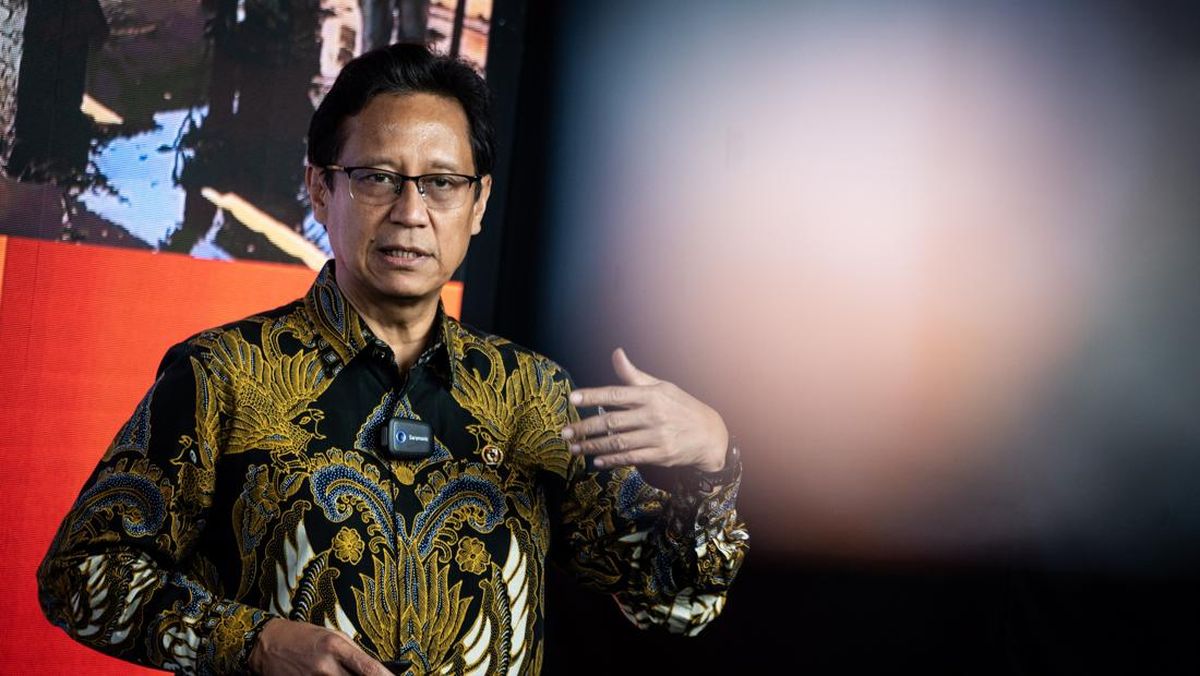
Kemenkes Resmi Terapkan Aturan Nutri-Level, Cegah Gula Berlebih
  • Level A: Represented by the letter ‘A’ in a dark green color. This signifies the lowest content of sugar, salt, and fat.
  • Level B: Represented by the letter ‘B’ in a light green color. This indicates a moderate-to-low content.
  • Level C: Represented by the letter ‘C’ in a yellow color. This denotes a moderate content.
  • Level D: Represented by the letter ‘D’ in a red color. This signifies the highest content of sugar, salt, and fat, alerting consumers to potential health concerns.

This color-coded system aims to provide an intuitive and easily digestible visual cue, allowing consumers to quickly assess the nutritional profile of a product at a glance. The information is not confined to product packaging; it must also be prominently displayed on menus, brochures, and digital food ordering platforms, ensuring accessibility across various consumer touchpoints.

Legislative Mandate and Inter-Sectoral Collaboration

Minister of Health Sadikin emphasized that this policy is not an isolated initiative but rather a fulfillment of the mandate outlined in the Law on Health. This law underscores the critical importance of synergistic, cross-sectoral collaboration in disease prevention efforts. "The Health Law mandates that cross-sectoral policies are aligned. Kemenkes is responsible for regulating ready-to-eat food, while processed food or factory products fall under the purview of the Food and Drug Supervisory Agency (BPOM)," he explained. This division of responsibility ensures a comprehensive regulatory approach to food safety and nutritional labeling across different product categories.

Phased Implementation: Supporting Small Businesses

In its initial phase, the Nutri-Level regulation will not apply to micro, small, and medium-sized enterprises (MSMEs), such as traditional eateries (warteg), street food vendors with carts, or small local restaurants. This phased approach acknowledges the potential challenges faced by smaller businesses in adapting to new labeling requirements and allows them time to integrate the system as it becomes more widespread. The focus is on enabling large-scale producers to lead the way, setting a precedent and facilitating a smoother transition for smaller enterprises in the future.

Broader Implications and Future Outlook

The introduction of the Nutri-Level labeling system is a significant stride towards fostering a health-conscious society. By providing transparent and easily understood nutritional information, the Ministry of Health aims to empower individuals to make more informed dietary choices. The ultimate goal is to reduce the prevalence of chronic diseases, thereby improving the overall health and well-being of the Indonesian population.

This policy is expected to have several ripple effects:

  • Increased Consumer Awareness: The visual cues provided by the Nutri-Level system are anticipated to significantly boost public awareness regarding the sugar, salt, and fat content in everyday food and beverages. This heightened awareness can lead to a gradual shift in consumer preferences towards healthier options.
  • Industry Innovation: The mandate may incentivize food and beverage manufacturers to reformulate their products to achieve lower Nutri-Level ratings, driving innovation in the development of healthier alternatives. Companies will likely compete to offer products that meet higher nutritional standards to appeal to health-conscious consumers.
  • Support for Public Health Campaigns: The Nutri-Level system can serve as a powerful tool to support broader public health campaigns aimed at reducing sugar intake and promoting balanced diets. It provides a tangible reference point for consumers engaging with these campaigns.
  • Potential for Policy Expansion: While currently focused on ready-to-eat foods, the success of this initiative could pave the way for the expansion of similar labeling requirements to other food categories, including pre-packaged processed foods, in the future. This would create a more comprehensive nutritional labeling landscape.

The Ministry of Health anticipates that the Nutri-Level labeling will be instrumental in encouraging a cultural shift towards healthier eating habits. By making nutritional information more accessible and understandable, the government is investing in the long-term health of its citizens and striving to build a more resilient and healthier future for Indonesia. The consistent application and promotion of this policy will be crucial in realizing its full potential in combating the rising tide of diet-related diseases.

August 11, 2025 0 comment
0 FacebookTwitterPinterestEmail
Entertainment

Iran Dismisses US Blockade Claims, Cites Extensive Coastline Amidst Regional Tensions

by Pevita Pearce August 10, 2025
written by Pevita Pearce

Tehran, Iran – Iran’s Minister of Interior, Eskandar Momeni, has vehemently refuted claims of an effective maritime blockade by the United States, characterizing such notions as mere "illusions." He underscored the nation’s extensive 8,000-kilometer-plus coastline, both on its northern and southern frontiers, as a bulwark against any potential naval encirclement. Momeni further directed provincial authorities in border regions to prioritize and facilitate the import of essential goods, aiming to preemptively counter any disruptions and ensure the uninterrupted flow of critical supplies into the country.

This assertive stance from Tehran emerges against a backdrop of escalating regional tensions and recent developments concerning ceasefires, highlighting a complex geopolitical landscape where economic and security concerns are deeply intertwined. The Minister’s statement appears to be a direct response to ongoing rhetoric and potential strategic maneuvers by adversaries, emphasizing Iran’s resilience and its commitment to maintaining economic stability.

Iran’s Strategic Geography: A Defense Against Naval Blockade

The sheer scale of Iran’s maritime borders, stretching along the Persian Gulf, the Gulf of Oman, and the Caspian Sea, is a critical factor in the nation’s defense strategy. The Persian Gulf and the Gulf of Oman provide access to vital international shipping lanes, including the Strait of Hormuz, a chokepoint through which a significant portion of the world’s oil supply passes. Control or influence over these waterways has historically been a key element of regional power dynamics.

Iran’s coastline on the Persian Gulf is approximately 1,700 kilometers long, while its southern coast along the Gulf of Oman extends for roughly 300 kilometers. To the north, its border with the Caspian Sea spans approximately 600 kilometers. While the Caspian Sea is an inland waterway, it remains crucial for regional trade and transportation. The combined length of these coastlines, exceeding 8,000 kilometers as stated by Minister Momeni, underscores the logistical challenges any attempt at a comprehensive maritime blockade would face. This extensive coastline necessitates a substantial naval presence and surveillance capabilities to effectively monitor and control, making a complete interdiction by a foreign power a formidable undertaking.

Background Context: A History of Sanctions and Regional Rivalries

Iran has been subject to extensive international sanctions for decades, primarily related to its nuclear program and its regional policies. The United States, in particular, has employed a strategy of "maximum pressure," utilizing economic sanctions to curb Iran’s influence and compel it to alter its behavior. These sanctions have significantly impacted Iran’s economy, affecting its oil exports, access to international finance, and the import of various goods.

The recent escalations in regional tensions have further amplified these pressures. The ongoing conflict in the Middle East, particularly involving Israel and its adversaries, has created a volatile environment. Iran’s alleged support for proxy groups in the region has been a constant source of friction with the United States and its allies. The possibility of the US utilizing its naval power to enforce stricter sanctions or interdict Iranian trade has been a recurring concern.

Intelligence Assessments and Counter-Narratives

Minister Momeni’s assertion comes in the wake of a statement attributed to the Head of Israel’s Mossad, David Barnea. Barnea reportedly indicated that the Israeli intelligence apparatus does not anticipate the imminent fall of the Iranian regime following the cessation of active combat. He further suggested that efforts to destabilize and ultimately overthrow the Iranian government would persist beyond any immediate military engagements. This intelligence assessment, if accurate, suggests a long-term strategy by Israel and potentially its allies to exert sustained pressure on Iran.

The Iranian government, by dismissing the blockade claims, is likely aiming to project an image of strength and self-sufficiency. It seeks to reassure its population and international partners that it can withstand external pressures. By emphasizing its vast coastline, Iran is signaling that it possesses the geographical advantages to circumvent or resist such measures.

Ensuring Supply Chain Continuity: A Strategic Imperative

Minister Momeni’s directive to provincial authorities to facilitate the import of essential goods is a critical component of Iran’s economic resilience strategy. In an environment of potential sanctions and import restrictions, ensuring the availability of food, medicine, and other vital commodities is paramount for maintaining domestic stability and preventing public discontent.

This focus on supply chain continuity suggests that Iran is actively preparing for scenarios where its access to international markets could be further curtailed. By empowering border provinces, Tehran is decentralizing its efforts to secure necessary imports, potentially utilizing land routes and less conventional shipping channels to bypass heavily monitored maritime chokepoints.

Broader Implications for Regional Stability

The exchange of statements between Iranian officials and Israeli intelligence highlights the deepening strategic rivalry in the Middle East. Iran’s defiance of perceived US pressure and its emphasis on its defensive capabilities could embolden its allies and partners in the region, while potentially escalating tensions with the US and its regional allies.

The effectiveness of any US-led blockade would depend on a multitude of factors, including the willingness of other nations to cooperate, the extent of US naval deployment, and Iran’s ability to adapt its trade routes and economic activities. The vastness of Iran’s coastline and its strategic location present significant challenges to any comprehensive interdiction effort.

A Chronology of Regional Developments:

  • Past Decades: Iran has faced various rounds of international sanctions, impacting its economy and international relations.
  • Recent Years: Escalating regional conflicts and Iran’s alleged support for proxy groups have intensified geopolitical tensions.
  • Early 2026 (Implied): Reports emerge of statements from Israeli intelligence suggesting ongoing efforts to destabilize the Iranian regime.
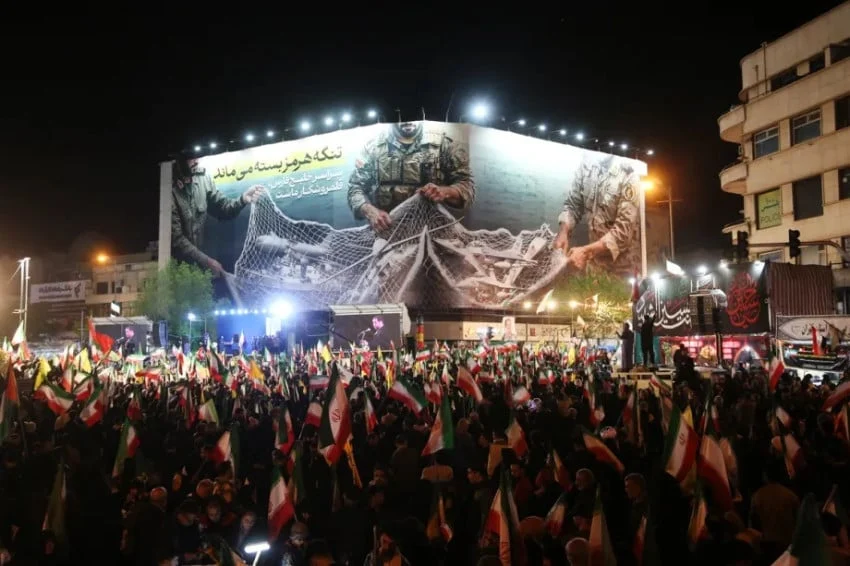
  • April 12, 2026: Protests against the United States and Israel are reported in Tehran, indicating public sentiment and nationalistic fervor.
  • April 15, 2026: Iran’s Minister of Interior, Eskandar Momeni, publicly dismisses US blockade claims, emphasizing the nation’s extensive coastline and directing provincial authorities to facilitate essential imports.

Supporting Data and Analysis:

  • Iran’s Maritime Borders: Over 8,000 kilometers of coastline along the Persian Gulf, Gulf of Oman, and Caspian Sea. This vastness makes complete naval blockade extremely challenging.
  • Strait of Hormuz: A critical chokepoint for global oil trade, which Iran borders and has historically leveraged its influence over.
  • Sanctions Impact: While difficult to quantify precisely in real-time, historical data indicates that sanctions have had a significant, albeit not crippling, impact on Iran’s GDP, currency, and trade volumes. The IMF and World Bank regularly publish reports on Iran’s economic performance.
  • Regional Trade Routes: Iran has historically utilized land-based trade routes with neighboring countries like Turkey, Iraq, and Central Asian nations, which could become even more crucial in a tightened maritime blockade scenario.

Official Responses and Related Parties:

While the primary focus of the article is Iran’s response, it’s important to consider the broader context of statements from other involved parties.

  • United States: The US Navy maintains a significant presence in the Persian Gulf and the wider region, primarily to ensure freedom of navigation and counter regional threats. Official statements regarding specific blockade operations are rare, but the US has historically employed naval assets to enforce sanctions and deter hostile actions.
  • Israel: As indicated by the Mossad chief’s alleged statement, Israel views Iran as a significant security threat and actively seeks to counter its influence. Its intelligence assessments often inform its strategic decisions and public pronouncements.
  • Regional Neighbors: Countries bordering the Persian Gulf, such as Saudi Arabia, the UAE, and Kuwait, are deeply invested in regional stability and maritime security. Their responses to any significant escalation of tensions or blockade efforts would be crucial. Their economic ties to Iran, while strained, are also a factor.

Fact-Based Analysis of Implications:

Minister Momeni’s statement is a clear indication that Iran views the current geopolitical climate as one requiring robust defiance and proactive measures to ensure economic continuity. By framing US actions as "illusions" and highlighting its geographical advantages, Iran is attempting to:

  1. Deter further aggressive actions: Projecting strength and resilience can serve as a deterrent against more extreme measures.
  2. Maintain domestic morale: Reassuring the population that the government is capable of navigating external pressures is vital for social stability.
  3. Signal to international actors: Iran is communicating its ability to adapt and its resolve to resist what it perceives as unjust external pressure.

The directive to facilitate essential imports underscores a strategic focus on self-sufficiency and the diversification of supply chains. This could involve increased reliance on land-based trade, barter systems, or trade with nations not fully aligned with US sanctions regimes.

However, the effectiveness of Iran’s strategy will ultimately depend on several factors:

  • The scale and nature of US actions: Whether any "blockade" is a comprehensive naval interdiction or a more targeted enforcement of existing sanctions will determine the level of impact.
  • International cooperation: The extent to which other nations adhere to or circumvent US sanctions will significantly influence Iran’s economic well-being.
  • Iran’s internal economic resilience: The ability of Iran’s economy to adapt to reduced imports and potential export limitations will be crucial.
  • Regional stability: Any further escalation of conflict in the region could have cascading economic and security consequences for Iran and its neighbors.

In conclusion, Iran’s dismissal of US blockade claims is a strategic communication aimed at projecting strength and resilience amidst a complex and volatile regional environment. While the nation possesses significant geographical advantages, its ability to fully withstand external pressures will be a testament to its economic adaptability, its diplomatic maneuvering, and the broader geopolitical dynamics at play in the Middle East. The ongoing regional tensions suggest that such statements and counter-statements are likely to continue as various actors vie for influence and security in the strategic waterways of the Persian Gulf and beyond.

August 10, 2025 0 comment
0 FacebookTwitterPinterestEmail
Entertainment

Clara Shinta’s Marital Dispute Escalates, Legal Ramifications Loom for All Parties Involved

by Lina Irawan August 9, 2025
written by Lina Irawan

Jakarta, Indonesia – April 15, 2026 – The increasingly complex marital discord involving prominent Indonesian selebgram Clara Shinta has entered a critical new phase, with potential legal ramifications now extending beyond her ongoing divorce proceedings with husband Muhammad Alexander Assad and potentially implicating a third party. Legal counsel for Clara Shinta has issued a stern warning that should the matter progress to formal legal channels, all individuals involved in the conflict could face similar legal consequences.

The controversy, which has captivated public attention, initially centered on Clara Shinta’s separation from her husband. However, the situation has taken a sharp turn with the emergence of a formal legal demand from a woman identified as Tri Indah Ramadhani. Ms. Ramadhani has reportedly claimed a close relationship with Muhammad Alexander Assad and has issued a significant somasi, or legal warning, to Clara Shinta.

The Escalating Legal Threat

In a press conference held in South Jakarta on Tuesday, April 14, 2026, Sunan Kalijaga, the legal representative for Clara Shinta, articulated the gravity of the situation. "If this truly escalates into a legal matter, then I can assure you that all three individuals – Clara, Indah, and the husband – will be entangled. The law is not made for one person; the law is made for all citizens of Indonesia," Sunan Kalijaga stated, emphasizing that legal accountability would not be selectively applied.

This pointed declaration underscores Clara Shinta’s camp’s determination to address the escalating demands. The conflict’s trajectory has been significantly altered by the somasi received by Clara Shinta, which demands a substantial financial settlement.

The Hefty Demand: Rp 10.7 Billion

The core of the current legal tension stems from the somasi issued by Tri Indah Ramadhani. In this legal notice, Clara Shinta is reportedly asked to pay a staggering sum of Rp 10.7 billion. This amount is allegedly compensation for psychological distress and professional damages purportedly suffered by Ms. Ramadhani due to Clara Shinta’s alleged involvement or actions related to her marital situation.

Clara Shinta, visibly surprised and indignant, expressed her dismay at the demand. "I received a somasi from Ms. Indah requesting compensation for her disturbed psyche and disrupted work, with a rather fantastic value of Rp 10.7 billion," Clara Shinta disclosed during the press conference. She further articulated her perceived injustice: "Here, I am being demanded to pay compensation. Isn’t that unfair? It is extremely unfair."

The selebgram conveyed that she feels she is the party most significantly disadvantaged by the ongoing marital issues. Her statement suggests a narrative where she is not the instigator of the alleged damages but rather a victim of the circumstances.

Counter-Legal Actions Planned

In response to the substantial somasi, Clara Shinta and her legal team are not adopting a passive stance. They have announced their intention to not only formally respond to the existing somasi but also to initiate a counter-somasi against Tri Indah Ramadhani.

"First, we will officially respond to the somasi. Then, we will also take legal action by issuing a somasi to Ms. Indah. Why? Because our client is the one who has suffered the most significant losses," Sunan Kalijaga elaborated. This strategic move indicates Clara Shinta’s camp’s intent to challenge the claims made against her and potentially assert their own legal standing.

Background and Context

The public prominence of Clara Shinta has amplified the attention surrounding her personal life. As a well-known figure on social media platforms, her marital issues have become a subject of widespread discussion and speculation. While the specifics of the marital breakdown between Clara Shinta and Muhammad Alexander Assad have not been fully disclosed to the public, the involvement of a third party, as alleged by the somasi, introduces a new layer of complexity.

The concept of a somasi in Indonesian law is a formal legal warning or demand that precedes potential legal action. It serves as an official notification that one party intends to pursue legal remedies if their demands are not met. The substantial amount demanded in this instance suggests a serious claim of damages.

Potential Legal Implications and Precedents

Sunan Kalijaga’s assertion that "all three individuals" could be entangled in legal proceedings if the case escalates carries significant weight. This statement implies that the legal framework might consider aspects such as adultery, defamation, or other related offenses, depending on the evidence presented and the specific laws invoked.

In Indonesian legal jurisprudence, while divorce proceedings are civil matters, accusations of infidelity or actions that cause significant harm to another party’s reputation or livelihood can sometimes lead to criminal charges or civil counterclaims. The mention of "psychological distress" and "impact on work" in the somasi hints at potential claims under civil law for damages.

The legal precedent in Indonesia regarding marital disputes involving third parties can be varied. Cases often hinge on the specific evidence of wrongdoing, the legal standing of the parties involved, and the interpretation of relevant laws, such as those concerning marriage, family law, and potentially even criminal codes if defamation or other offenses are alleged.

Societal Impact and Public Scrutiny

The involvement of a public figure like Clara Shinta inevitably brings heightened scrutiny from both the media and the public. The narrative surrounding such high-profile disputes often becomes a topic of social commentary, with varying opinions and judgments being voiced.

The financial demand of Rp 10.7 billion is exceptionally high, even by international standards, and is likely to be a focal point of legal debate. Expert analysis of such claims would typically involve substantiating the alleged damages, which can be challenging, particularly for intangible losses like psychological distress and reputational harm to one’s profession.

Looking Ahead: A Complex Legal Battle

The coming weeks and months are likely to be crucial in determining the future course of this dispute. Clara Shinta’s camp’s proactive approach, including the planned counter-somasi, suggests a robust defense and a willingness to challenge the allegations head-on.

The legal strategy employed by both sides will be closely watched. The outcome could set a precedent or at least provide a significant case study in how Indonesian courts handle complex marital disputes involving alleged third-party interference and substantial financial claims.

As the situation evolves, further developments regarding the formal legal filings, the evidence presented, and the court’s decisions will be critical in understanding the full scope of the legal ramifications for Clara Shinta, Muhammad Alexander Assad, and Tri Indah Ramadhani. The public will undoubtedly remain engaged, observing how this high-profile legal battle unfolds.

August 9, 2025 0 comment
0 FacebookTwitterPinterestEmail
Entertainment

Memory: Liam Neeson Stars in Trans TV’s Thriller Amidst Evolving Crime Landscape

by Azzam Bilal Chamdy August 9, 2025
written by Azzam Bilal Chamdy

Jakarta, CNN Indonesia – Bioskop Trans TV tonight, Wednesday, April 15, 2026, will air the 2022 action thriller Memory, starring Liam Neeson and Monica Bellucci, at 9:00 PM WIB. The film, based on Jef Geeraerts’ novel De Zaak Alzheimer and a remake of the 2003 Belgian adaptation of the same name, delves into the shadowy world of contract killers and the devastating impact of neurodegenerative diseases. This screening arrives at a time when global attention is increasingly focused on the complexities of organized crime and the ethical dilemmas faced by law enforcement agencies, particularly in combating child exploitation.

The Premise: A Killer’s Conscience and a Detective’s Pursuit

Memory centers on Alex Lewis, portrayed by Liam Neeson, a highly skilled assassin operating in Mexico. Lewis is grappling with early-onset Alzheimer’s disease, a condition that is beginning to erode his sharp cognitive abilities and memory. His employer is the enigmatic Davana Sealman, played by Monica Bellucci, a powerful figure in the criminal underworld.

Lewis is assigned a critical mission: to eliminate Ellis Van Camp, a construction worker at a Texas processing facility. This assignment holds a particular resonance for Lewis, as El Paso, Texas, is his childhood stomping ground, and it’s also where his own brother resides in a nursing home, succumbing to the ravages of Alzheimer’s. This personal connection adds a layer of poignant urgency to his mission, potentially blurring the lines between professional duty and personal anguish.

Meanwhile, the narrative introduces Vincent Serra, a dedicated agent from the FBI’s Child Exploitation Task Force, portrayed by Guy Pearce. Serra is operating undercover in El Paso, relentlessly pursuing a notorious sex trafficker known as "Papa Leon." His investigation takes a perilous turn when, during a botched arrest attempt, Serra is forced to kill Papa Leon after the trafficker takes his own daughter, Beatriz (played by Mia Sanchez), hostage. The tragic incident leaves Beatriz in the custody of the processing facility where her father was a target and ultimately leads to her placement in an orphanage. Serra’s frustration is palpable, stemming from the often-insurmountable obstacles and systemic failures he encounters in his domestic human trafficking investigations.

A Collision of Worlds: From Assassination to Child Protection

The plot thickens as Lewis successfully assassinates Ellis Van Camp and retrieves a crucial flash drive from his safe. However, his next target is revealed to be Beatriz. Upon infiltrating the orphanage, Lewis finds himself confronted with an unexpected moral quandary. The sight of the vulnerable child triggers a deep-seated revulsion, leading him to refuse the kill. He declares that "children should not be touched," a profound departure from his hardened professional persona.

This moral awakening sets Lewis on a collision course with his employers and other criminal elements. He confronts William Borden (Daniel de Bourg), Davana’s lawyer, demanding the cancellation of his contract on Beatriz. However, before Lewis can fully extricate himself or protect Beatriz, she is tragically murdered by another assassin, Mauricio.

Sinopsis Memory, Bioskop Trans TV 15 April 2026

The following morning, Lewis awakens in a hotel room after a one-night stand, only to be met with news reports detailing Beatriz’s murder. The realization dawns that he is now in grave danger. He instructs the woman he was with to remain in the room before heading to the parking lot, where he is ambushed by Mauricio. A violent shootout ensues, during which the woman, who had followed Lewis in an attempt to return his dropped Alzheimer’s medication, is tragically killed. Lewis manages to eliminate Mauricio and disposes of both bodies by setting fire to Mauricio’s car. He then sets out to confront Borden, hinting at a larger conspiracy and a quest for answers or retribution.

Contextualizing Memory: Alzheimer’s, Crime, and Cinematic Remakes

The film’s thematic exploration of Alzheimer’s disease is particularly relevant. According to the World Health Organization (WHO), Alzheimer’s disease is the most common cause of dementia, affecting tens of millions of people worldwide. The progressive nature of the disease, characterized by memory loss, cognitive decline, and behavioral changes, presents immense challenges for individuals, families, and healthcare systems. By portraying a protagonist battling this debilitating condition, Memory injects a layer of human vulnerability into a genre often characterized by stoic, invulnerable heroes. This juxtaposition of physical and mental deterioration with the demands of a high-stakes profession offers a compelling dramatic arc.

The film’s origin as a remake of a Belgian film also speaks to the globalized nature of storytelling and the enduring appeal of certain narrative structures. The original De Zaak Alzheimer (2003) was critically acclaimed and garnered significant international attention, paving the way for this American adaptation. Remakes often aim to reintroduce compelling stories to new audiences or to offer fresh perspectives through updated cultural contexts and cinematic techniques. In this instance, the American setting and the involvement of Hollywood star Liam Neeson likely aimed to broaden the film’s commercial appeal.

The Broader Implications: Crime Fighting and Ethical Crossroads

The subplot involving the FBI’s Child Exploitation Task Force underscores the persistent and disturbing reality of human trafficking and child exploitation. This is a global issue that transcends borders and requires multifaceted approaches from law enforcement, international organizations, and civil society. The FBI’s efforts, as depicted in the film, highlight the dedication and risks involved in combating these heinous crimes. However, the narrative also subtly touches upon the inherent difficulties and the emotional toll these investigations can take on agents, particularly when justice remains elusive or when innocent lives are tragically lost.

The film’s depiction of a contract killer grappling with a debilitating disease also raises questions about the nature of morality and redemption within the criminal underworld. Lewis’s refusal to kill Beatriz signifies a potential turning point, suggesting that even hardened criminals can be swayed by innate humanity or by the stark realities of their own mortality and the suffering of others. This element adds a philosophical dimension to the action-packed narrative, prompting audiences to consider the complexities of good and evil.

Conclusion: A Night of Suspense and Intrigue

As Memory airs tonight on Bioskop Trans TV, viewers can expect a gripping narrative that blends elements of a classic assassin thriller with the poignant drama of a personal struggle against a devastating illness. The film’s exploration of crime, morality, and the human condition, set against the backdrop of a relentless pursuit and a race against time, promises to be a compelling watch. Following Memory, Bioskop Trans TV will present Desperate Hour at 11:00 PM WIB, offering another dose of cinematic suspense.

August 9, 2025 0 comment
0 FacebookTwitterPinterestEmail
Entertainment

Giraffes’ Unusual Mating Rituals Unveiled: A Urine-Fueled Courtship Revealed by Groundbreaking Study

by Rifan Muazin August 8, 2025
written by Rifan Muazin

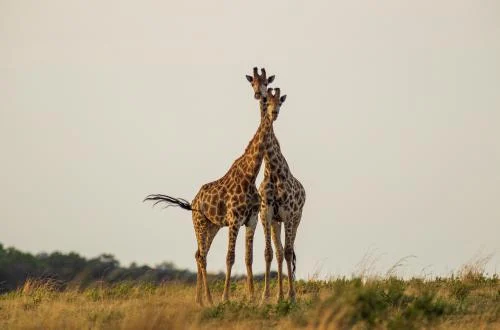
A groundbreaking study has shed light on the surprisingly unconventional mating practices of giraffes, revealing a complex courtship ritual that hinges on the detection of female urine by the male. Unlike many species that rely on vocalizations or elaborate displays, giraffes employ a sensory approach involving direct contact and chemical analysis to determine reproductive readiness. This discovery, stemming from extensive observations in Namibia’s Etosha National Park, challenges long-held assumptions about giraffe social behavior and reproductive strategies.

The research, led by Professor Lynette Hart and her husband, Emeritus Professor Benjamin Hart, from the University of California, Davis School of Veterinary Medicine, meticulously documented the intricate steps involved in a male giraffe’s pursuit of a mate. Their findings indicate that the seemingly passive giants possess a sophisticated, albeit peculiar, method for assessing a female’s fertility and willingness to breed. This detailed examination provides a rare glimpse into the secretive world of giraffe reproduction, a topic that has historically been less understood compared to other large mammals.

The Courtship Unfolds: A Sensory Dialogue

The typical initiation of a mating encounter begins with a male giraffe nudging a female he has identified as a potential partner. This physical contact is not merely an attempt to solicit attention but serves as the prelude to a crucial olfactory examination. The male then proceeds to sniff the female’s genital area, a critical step in gathering vital chemical information. This act of sniffing is more than just a casual gesture; it is the male’s primary tool for assessing the female’s reproductive status.

Following the male’s olfactory investigation, the female giraffe often responds by urinating. This is where the courtship takes a unique turn, as the female’s urine is then collected by the male directly into his mouth. This collected urine is held there for approximately five seconds, a period crucial for the subsequent analysis. The urine, laden with pheromones and other chemical signals, becomes the key to the male’s decision-making process.

The Flehmen Response: Decoding the Scent

Upon receiving the urine sample, the male giraffe engages in a behavior known as the "flehmen response." This distinctive facial contortion involves the male curling his upper lip upwards, exposing his teeth and gums. Simultaneously, he closes his nostrils and inhales deeply. This action is not exclusive to giraffes; it is a behavior observed in various ungulates, including horses, cattle, and goats, all of which utilize it to enhance their olfactory capabilities.

The scientific explanation behind the flehmen response lies in its ability to facilitate the transfer of scent molecules to a specialized sensory organ called the vomeronasal organ, or Jacobson’s organ. This organ, located in the roof of the mouth, is highly adept at detecting and processing pheromones and other chemical cues that are imperceptible to the regular olfactory system. By drawing the urine into his mouth and engaging the flehmen response, the male giraffe is effectively "tasting" the chemical signature of the female, gaining access to information about her hormonal state.

Assessing Fertility and Readiness

The primary objective of this elaborate ritual is for the male giraffe to determine the female’s fertility and her readiness to mate. The urine contains a complex array of hormones and other biochemical markers that signal the stage of her estrous cycle. If the chemical signals detected through the urine do not indicate ovulation or receptivity, the male will typically disengage and move on to seek another potential mate. This ensures that his energy and resources are not expended on a female who is not fertile or not prepared to conceive.

This selective process highlights the evolutionary advantage of such a refined courtship strategy. It minimizes wasted effort and increases the probability of successful reproduction. For a species with a relatively low reproductive rate, optimizing each mating opportunity is paramount to population sustainability.

A Time-Consuming Pursuit

The entire process of courtship and mate selection for giraffes can be remarkably time-consuming and energy-intensive. The study revealed that a male giraffe might approach a female up to 150 times before a successful mating occurs. This high number of attempts underscores the challenges involved in finding a receptive mate and the dedication required by the males. Each approach involves a series of nudges, sniffs, and urine assessments, interspersed with periods of observation and potential rejection.

This protracted courtship period also suggests that mating opportunities may not be uniformly distributed throughout the year, or that female receptivity is carefully timed. Unlike species with defined breeding seasons, giraffes appear to have a more continuous mating system, but the success of any given encounter depends heavily on the female’s hormonal status.

The Reproductive Act and Subsequent Gestation

Once a receptive female has been identified and the courtship culminates in successful mating, the reproductive act itself is relatively brief, as is common among many mammal species. The gestation period for giraffes is exceptionally long, lasting approximately 400 days, or about 13 months. This extended period of development is characteristic of large mammals and allows for the significant growth of the fetus within the womb.

A particularly striking aspect of giraffe reproduction is the birth process. Female giraffes give birth while standing. This means that the newborn calf, upon entering the world, experiences a dramatic drop from a height of several feet. This seemingly precarious introduction to life is, in fact, an evolutionary advantage. The fall helps to break the amniotic sac, stimulating the calf to breathe and encouraging it to stand and walk shortly after birth. This rapid mobility is crucial for the calf’s survival, enabling it to keep pace with the herd and evade predators.

The Significance of the Study and its Researchers

The detailed insights into giraffe mating rituals are largely attributable to the dedication and keen observation skills of Professor Lynette Hart and Professor Benjamin Hart. Their decision to conduct this research in Etosha National Park in Namibia provided an ideal environment for prolonged and close-range observation of giraffe behavior. The park’s relatively dense giraffe population and the researchers’ access allowed for the monitoring of numerous individuals and their interactions.

Professor Hart described the experience of being so close to the animals as "very unique," highlighting the privileged position they were in to gather such intimate data. The study, published and reported by LiveScience on Tuesday, February 14, 2023, represents a significant contribution to our understanding of animal behavior and reproductive biology. It underscores the importance of field research in uncovering the intricate and often surprising adaptations that species develop for survival and propagation.

Broader Implications and Future Research

The findings of this study have several broader implications. Firstly, they emphasize the diversity of reproductive strategies employed by mammals, demonstrating that evolutionary pressures can lead to highly specialized and unexpected adaptations. The reliance on chemical cues, particularly urine, for mate assessment in giraffes challenges the common perception of these animals as simply majestic grazers.

Secondly, this research contributes to a deeper appreciation of the complex social dynamics within giraffe populations. Understanding how individuals find mates and the challenges they face provides valuable information for conservation efforts. Knowledge of reproductive cycles and mating behaviors can inform strategies for captive breeding programs and for protecting wild populations from threats such as habitat loss and poaching.

The study also opens avenues for future research. For instance, further investigation could explore the specific chemical compounds within giraffe urine that are most indicative of fertility. Analyzing these compounds could lead to a more precise understanding of the signals being exchanged. Additionally, comparative studies with other giraffe subspecies could reveal variations in their mating rituals and reproductive strategies, offering further insights into the evolutionary pressures shaping these magnificent creatures.

The successful identification of a potential mate and the subsequent reproductive success are not guaranteed. The study’s statistics suggest a low success rate per approach, meaning that a male giraffe’s reproductive life may involve a considerable amount of effort and a degree of luck. This highlights the challenges of reproduction in the wild and the sophisticated adaptations that have evolved to overcome them. The long gestation period, while demanding, ensures that the calf is born at a stage of development where it has a higher chance of survival in its challenging environment. The standing birth, though seemingly harsh, is a critical adaptation that promotes immediate mobility and self-sufficiency for the newborn.

The work of the Harts in Etosha National Park is a testament to the power of dedicated scientific inquiry. By patiently observing and meticulously documenting the behaviors of giraffes, they have unveiled a fascinating aspect of their biology that was previously unknown. This research serves as a reminder that even the most familiar animals can hold profound secrets, waiting to be discovered through careful study and a commitment to understanding the natural world. The implications of their findings extend beyond the academic realm, fostering a greater appreciation for the intricate web of life and the remarkable adaptations that enable species to thrive.

August 8, 2025 0 comment
0 FacebookTwitterPinterestEmail
Entertainment

BTS Announces Monumental 2026-2027 World Tour, Confirming Highly Anticipated Return to Global Stages with Jakarta Date

by Lina Hope August 7, 2025
written by Lina Hope

Jakarta, Indonesia – The global phenomenon that is BTS has officially ignited the excitement of millions worldwide with the unveiling of their comprehensive 2026-2027 World Tour schedule. This highly anticipated global trek, set to commence in April 2026, will see RM, Jin, SUGA, j-hope, Jimin, V, and Jungkook traverse continents, bringing their electrifying performances back to a global audience after a period of dedicated solo endeavors and military service preparations. The announcement, made on January 14, 2026, with the release of a striking red and white poster, immediately sent waves of jubilation through the dedicated ARMY fandom, marking a significant milestone in the group’s illustrious career.

For their Indonesian fans, the news carries an exceptional weight, as Indonesia has been confirmed as a key stop on the tour. The K-pop titans are slated to grace Jakarta with their presence in December 2026, a date that has instantly become the focal point of fervent anticipation for fans across the archipelago. This confirmation fulfills a long-held dream for many Indonesian ARMY members who have eagerly awaited the opportunity to witness BTS perform live in their home country.

A Grand Return to the Global Stage

The forthcoming world tour represents more than just a series of concerts; it signifies a powerful reunion between BTS and their devoted global fanbase. Following a period where individual members have embarked on successful solo careers and undertaken mandatory military service, this tour marks their collective return to the international concert circuit. The strategic timing of the announcement, strategically placed to build anticipation, underscores the group’s enduring appeal and their commitment to reconnecting with fans on a massive scale. Industry analysts anticipate that this tour will not only be a commercial success but also a significant cultural event, drawing record-breaking attendance and reaffirming BTS’s position as a dominant force in the global music industry.

The Extensive Global Itinerary: A Journey Across Continents

The detailed itinerary, revealed through the official world tour poster, paints a picture of an ambitious and far-reaching expedition. The tour kicks off in Goyang, South Korea, with a series of three performances scheduled for April 9, 11, and 12, 2026. This opening leg will serve as a powerful homecoming, allowing the group to reconnect with their foundational fanbase in their native land before embarking on their international journey.

From South Korea, BTS will immediately transition to their Asian leg, with two highly anticipated concerts scheduled in Tokyo, Japan, on April 17 and 18, 2026. This early engagement in Japan highlights the significant market and dedicated fanbase BTS commands in the region.

As May dawns, the group will set their sights on the Americas. The North American segment of the tour is set to be extensive, with multiple dates planned across various cities. Fans in Tampa, El Paso, Mexico City, Stanford, and Las Vegas can anticipate the arrival of BTS during this period, promising a series of unforgettable performances across diverse cultural landscapes. The inclusion of Mexico City underscores the growing influence of K-pop in Latin America, reflecting BTS’s global reach.

The tour then makes a significant return to South Korea in June, with two special performances scheduled in Busan on June 12 and 13. This homecoming leg is expected to be particularly emotional for fans, offering a more intimate experience with the group in a familiar setting.

Following their Busan dates, BTS will take their show to Europe, gracing stages in major cultural hubs. Fans in Madrid, Brussels, London, Munich, and Paris will have the opportunity to experience the group’s unparalleled stage presence. The European leg is a testament to BTS’s widespread popularity across the continent, where they have cultivated a substantial and passionate following.

The North American journey will be revisited in the latter half of the tour, with planned stops in Toronto, Chicago, and Los Angeles. These dates are likely to be highly sought after, given the immense demand for BTS concerts in the United States and Canada.

Jadwal lengkap BTS World Tour 2026-2027, Indonesia kebagian Desember

Venturing further south, the tour will encompass South America, with performances slated for Lima, Santiago, and Buenos Aires, among other cities. This expansion into South America signifies BTS’s commitment to engaging with their diverse global fanbase and acknowledges the significant growth of K-pop in the region.

Asia Pacific Leg and Indonesia’s Pivotal Role

The tour’s trajectory then shifts towards the Asia Pacific region, a crucial segment for the group. Before arriving in Indonesia, BTS is scheduled to captivate audiences in Kaohsiung, Taiwan, followed by stops in Bangkok, Thailand; Kuala Lumpur, Malaysia; and Singapore. This careful curation of stops in Southeast Asia demonstrates BTS’s understanding of their key markets and their efforts to connect with fans across the region.

The confirmation of Jakarta as a tour destination on December 26 and 27, 2026, has generated immense excitement within Indonesia. These dates are strategically placed towards the end of the tour, suggesting a grand finale for the Asian leg, with Indonesia playing a significant role in concluding this segment. The choice of December also allows for potential holiday-season festivities, adding an extra layer of excitement for fans.

Following their performances in Jakarta, the world tour is set to conclude with a series of shows in Australia, specifically Melbourne and Sydney. The tour will then move to Hong Kong and finally culminate in Manila, Philippines. This comprehensive route ensures that BTS touches upon a vast geographical expanse, solidifying their status as a truly global act.

Further adding to the anticipation, BTS’s management has indicated that there remains a possibility of additional concert dates being added to the schedule, particularly in Japan and the Middle East. This potential expansion has sparked further interest and speculation among fans in these regions, who are eagerly awaiting their own confirmed dates.

Promotional Efforts and Fan Engagement

The official announcement was accompanied by a visually striking poster, a common practice for major global tours that serves to build immediate recognition and excitement. The poster, featuring the distinctive red and white motif, has become an instant icon for the 2026-2027 World Tour, widely shared and discussed across social media platforms.

The news was further amplified by iMe Indonesia, who have officially confirmed their role as the promoter for the BTS World Tour in Jakarta. In an announcement made via their official X (formerly Twitter) account, iMe Indonesia urged fans to mark their calendars for the December 2026 dates. While the specific venue and ticketing details are yet to be disclosed, the promoter assured fans that all information regarding concert locations and ticket sales would be released in due course. They encouraged fans to stay closely tuned to their official channels for the latest updates, a strategy designed to maintain sustained engagement and anticipation leading up to the ticket sales.

Industry Analysis and Implications

The announcement of BTS’s 2026-2027 World Tour comes at a pivotal moment for the global music industry. After a period of disruption and adaptation due to the pandemic and subsequent solo activities, the return of a group with BTS’s magnitude signals a strong resurgence in live music events. The tour is expected to generate significant economic activity in each city it visits, from hospitality and transportation to merchandise sales.

Furthermore, the tour’s extensive reach into diverse markets, including previously less-tapped regions for K-pop, demonstrates BTS’s continued commitment to global inclusivity. This expansive approach not only benefits their existing fanbase but also serves to introduce K-pop to new audiences, potentially fostering further growth and diversification within the global music landscape. The success of this tour will undoubtedly set a benchmark for future global concert productions, influencing strategies for artist promotion and fan engagement in the years to come. The long-term implications for the music industry, particularly concerning international touring and fan connectivity, are substantial and will be closely watched by artists, promoters, and cultural observers alike.

The comprehensive nature of the tour, spanning over a year and covering a vast geographical spread, also reflects the enduring power of fandom in the digital age. BTS’s ability to mobilize millions of fans across different time zones and cultures is a testament to their unique connection with their audience, a bond forged through authentic storytelling, powerful performances, and consistent engagement. As the world eagerly awaits the commencement of the BTS World Tour 2026-2027, the anticipation is palpable, promising a series of unforgettable moments for fans around the globe.

August 7, 2025 0 comment
0 FacebookTwitterPinterestEmail
Sports

Zaskia Adya Mecca’s Son Testifies in Assault Case Against Employee in Military Court

by Reynand Wu August 7, 2025
written by Reynand Wu

JAKARTA – A significant development unfolded on Wednesday, April 15, 2026, as Kalla Madani, the son of prominent Indonesian public figure Zaskia Adya Mecca, appeared as a witness in a resumed court hearing at the Military Court II-08 Jakarta. The case centers on an alleged assault involving an employee of Zaskia Adya Mecca, identified as Faisal Handri, and an individual from the Indonesian National Armed Forces (TNI). The court session, which focused on Kalla Madani’s testimony, was conducted behind closed doors due to the witness’s status as a minor.

Following the closed-door proceedings, Kalla Madani, accompanied by his mother, Zaskia Adya Mecca, briefly addressed members of the media. When questioned about his experience during the testimony, Kalla admitted to feeling "a little nervous" during the questioning. However, he reassured his mother and the press that he ultimately felt "comfortable" providing his account. Zaskia Adya Mecca’s presence alongside her son underscores the personal impact of the legal proceedings on the family.

Background of the Assault Allegation

The case stems from an alleged incident of assault that occurred prior to the court hearings. While specific details regarding the exact date and circumstances of the alleged assault have not been fully disclosed by the court or involved parties, it is understood to have involved an employee of Zaskia Adya Mecca and an alleged perpetrator from the TNI. The involvement of a military personnel in an alleged assault case necessitates proceedings within the military justice system.

Zaskia Adya Mecca, a well-known actress and businesswoman, has been a public figure in Indonesia for many years. Her involvement in the case, primarily through her employee’s alleged victimization and her son’s witness testimony, has drawn considerable public and media attention. The nature of her business operations, which presumably led to the employment of Faisal Handri, remains a background element to the legal proceedings.

Chronology of Legal Proceedings

The court hearing on April 15, 2026, marks a continuation of the legal process. While the initial filing of the case and preliminary hearings are not detailed in the provided information, this specific session was dedicated to obtaining testimony from Kalla Madani. The decision to hold the session in camera, or closed to the public, is a standard legal practice when minors are involved as witnesses to protect their well-being and privacy.

The testimony of Kalla Madani is expected to be crucial in establishing the facts surrounding the alleged assault. As a witness, his account could corroborate or contradict other evidence presented in the case, influencing the court’s eventual verdict. The duration of the legal proceedings, from the alleged incident to this point, highlights the complexities inherent in cases involving civilian-military interactions and the justice system.

Supporting Data and Legal Framework

The Military Court II-08 Jakarta operates under the jurisdiction of the Indonesian military justice system, which handles cases involving military personnel. The legal framework governing such cases is derived from Indonesian military law and relevant criminal statutes. The specifics of the charges against the alleged perpetrator, as well as the nature of the alleged assault, will determine the applicable legal provisions and potential penalties.

In cases involving minors as witnesses, provisions are typically in place to ensure their testimony is provided in a safe and supportive environment. This often includes the presence of a guardian or a legal representative and the limitation of public access to the proceedings. The age of Kalla Madani, identified as a minor, necessitates these protective measures.

Reactions and Statements

The brief interaction with the media after the hearing provided a glimpse into the immediate aftermath of Kalla Madani’s testimony. Zaskia Adya Mecca’s supportive demeanor towards her son, evident in her questioning and presence, suggests a family united in facing this legal challenge. Kalla’s candid admission of nervousness followed by a sense of comfort indicates his resilience in participating in the judicial process.

While no official statements from the TNI or the prosecution have been detailed regarding this specific hearing, it can be inferred that the military legal apparatus is actively involved in the investigation and prosecution of the case if an active-duty member is implicated. Similarly, the legal team representing Faisal Handri, the alleged victim, would be working to ensure his rights are protected throughout the proceedings.

Broader Impact and Implications

The involvement of a public figure’s child as a witness in a military court case carries broader implications. It brings heightened public scrutiny to the legal process and underscores the potential impact of such incidents on families, regardless of their public profile.

The case also highlights the ongoing need for clear mechanisms and protocols for addressing alleged misconduct involving military personnel and civilians. Ensuring accountability and justice for all parties involved is paramount for maintaining public trust in both the military and the judicial system. The outcome of this case could serve as a precedent or contribute to discussions on refining procedures for handling similar situations in the future.

Furthermore, the protection of minors in legal proceedings remains a critical consideration. The adherence to closed-door sessions for Kalla Madani’s testimony demonstrates the legal system’s commitment to safeguarding the welfare of young witnesses. The experience of Kalla Madani, though personally challenging, contributes to the broader narrative of how legal systems adapt to incorporate the voices of young individuals in matters that affect them or their families.

The continued proceedings at the Military Court II-08 Jakarta will be closely watched, as the court seeks to establish the facts and deliver a just resolution to the alleged assault case involving Zaskia Adya Mecca’s employee and an alleged member of the TNI. The testimony provided by Kalla Madani is a significant step in this ongoing judicial process.

August 7, 2025 0 comment
0 FacebookTwitterPinterestEmail
Sports

Hugo Ekitike’s World Cup Dreams Shattered by Serious Achilles Injury During Liverpool’s Champions League Clash

by Lina Irawan August 6, 2025
written by Lina Irawan

The jubilant atmosphere at Anfield on Wednesday, April 15, 2026, was abruptly overshadowed by a devastating blow to Liverpool’s young French striker, Hugo Ekitike. In a harrowing turn of events during the second leg of the UEFA Champions League quarter-final against Paris Saint-Germain, Ekitike suffered a serious ankle injury that has cast a dark cloud over his immediate future, with reports suggesting he is now highly unlikely to participate in the FIFA World Cup 2026.

The incident occurred in the 30th minute of the highly anticipated European tie. As Ekitike was involved in a challenge, his ankle buckled awkwardly, forcing him to be stretchered off the pitch. The sight of the promising forward being carried away immediately sparked concern among the Liverpool faithful and his teammates, and the worst fears have now seemingly been realized.

A Promising Season Cut Short

Prior to this unfortunate incident, Ekitike had been enjoying a stellar season with Liverpool. The 23-year-old French international had become a vital attacking cog for the Merseyside club, showcasing his electrifying pace, clinical finishing, and intelligent movement. His impressive form this season saw him rack up a remarkable 16 goals across all competitions for Liverpool, cementing his status as a key player and a fan favorite.

Furthermore, Ekitike had successfully integrated himself into the French national team setup. Since making his debut in September 2025, he had earned several caps for Les Bleus, demonstrating his potential to be a significant contributor on the international stage. His burgeoning partnership with established stars and his ability to consistently find the back of the net had made him a strong contender for a starting role in France’s World Cup squad.

The Injury and Its Devastating Implications

Reports emerging from French media outlets, notably L’Equipe and Le Parisien, and subsequently cited by Reuters, paint a grim picture of Ekitike’s injury. These respected sources indicate that Ekitike has suffered a torn Achilles tendon. This is a severe injury in professional football, often requiring extensive rehabilitation and a lengthy layoff.

Timnas Prancis Dihantam Kabar Buruk Usai PSG Hancurkan Liverpool

The severity of a torn Achilles tendon cannot be overstated. Recovery typically involves surgery, followed by months of physiotherapy and gradual return to training. The timeline for a full recovery can range from six to twelve months, or even longer, depending on the individual’s healing process and the demands placed upon the tendon.

Given that the FIFA World Cup 2026 is scheduled to commence in June and conclude in July of the same year, a torn Achilles tendon would almost certainly rule Ekitike out of contention. The window for recovery and regaining match fitness would be impossibly tight, if not entirely non-existent. This represents a crushing blow to the player’s aspirations and a significant loss for the French national team.

Chronology of the Event

  • Date: Wednesday, April 15, 2026
  • Match: Liverpool vs. Paris Saint-Germain, UEFA Champions League Quarter-Final, Second Leg
  • Venue: Anfield, Liverpool
  • Time of Injury: Approximately 30 minutes into the match.
  • Player Involved: Hugo Ekitike (Liverpool)
  • Nature of Injury: Serious ankle injury, later reported as a torn Achilles tendon.
  • Immediate Consequence: Ekitike stretchered off the pitch and unable to continue.
  • Subsequent Reports: French media (L’Equipe, Le Parisien) report torn Achilles tendon, raising concerns about World Cup participation.

The Champions League Context

The match itself was a high-stakes encounter for Liverpool, who were looking to overturn a deficit from the first leg against a formidable Paris Saint-Germain side. The Champions League represents the pinnacle of European club football, and quarter-final ties are notoriously tense affairs. Ekitike’s early departure would have undoubtedly impacted Liverpool’s tactical approach and their ability to maintain offensive pressure against PSG.

While the focus has now shifted to Ekitike’s injury, the result of the match and Liverpool’s subsequent progression in the tournament would have been crucial for the club’s morale and their pursuit of silverware. The news of Ekitike’s injury, however, casts a shadow over any potential successes.

Analysis of Broader Implications

For Liverpool Football Club:

The absence of Ekitike for the remainder of the season, and potentially into the early stages of the next, is a significant setback for Liverpool. His goal-scoring prowess and dynamism have been instrumental this season. Manager Jurgen Klopp will now face the challenge of finding alternative attacking solutions, potentially relying more heavily on other forwards or adapting his tactical formations. The club’s depth in the attacking department will be tested severely.

For the French National Team:

Didier Deschamps, the French national team manager, is known for his reliance on a blend of experience and emerging talent. Ekitike had emerged as one of the brightest young prospects in French football, and his potential inclusion in the World Cup squad was widely anticipated. His injury deprives France of a potent attacking option, forcing Deschamps to reconsider his attacking strategy and potentially hand opportunities to other players who might have been on the fringes of the squad. The French attacking lineup, which often features established stars, would have benefited from Ekitike’s youthful energy and goal-scoring threat.

Timnas Prancis Dihantam Kabar Buruk Usai PSG Hancurkan Liverpool

The FIFA World Cup 2026:

The tournament, set to be co-hosted by the United States, Mexico, and Canada, is the most prestigious event in international football. The potential loss of a player like Ekitike, who was poised to make a significant impact, diminishes the spectacle for fans and represents a missed opportunity for the player to showcase his talent on the global stage. It also highlights the inherent risks and uncertainties that come with professional football, where careers can be dramatically altered by unforeseen injuries.

Official Statements and Reactions

As of the latest reports, the French Football Federation (FFF) has not yet issued an official statement regarding Ekitike’s condition or its impact on his World Cup prospects. This is not uncommon in the immediate aftermath of such a serious injury, as medical assessments are ongoing, and the full extent of the recovery timeline needs to be thoroughly evaluated.

Liverpool Football Club is also expected to release an official update on Ekitike’s condition and prognosis in due course. Such statements typically provide more precise details about the injury and the anticipated recovery period, offering clarity to fans and the wider football community.

However, based on the severity of a torn Achilles tendon and the timing of the World Cup, it is highly probable that Ekitike’s participation is indeed over. This situation underscores the brutal nature of professional sports, where dreams can be extinguished in an instant.

The Path Forward for Ekitike

The immediate future for Hugo Ekitike will involve a period of rest, followed by surgery to repair the torn Achilles tendon. Post-operative care and a rigorous rehabilitation program will be paramount. The mental fortitude required to overcome such a setback will be as crucial as the physical recovery.

Fans will be hoping for Ekitike’s swift and complete recovery, with the hope that he can return to the pitch stronger than ever and resume his promising career. The football world will be watching his progress closely, wishing him well during this challenging period. The incident serves as a stark reminder of the fragility of athletic careers and the immense dedication required to compete at the highest levels of the sport. The World Cup will proceed, but for one talented young Frenchman, the dream of participating in it has been tragically deferred.

August 6, 2025 0 comment
0 FacebookTwitterPinterestEmail
Sports

Sepak Takraw: A Southeast Asian Spectacle of Acrobatics and Athleticism

by Ali Ikhwan August 5, 2025
written by Ali Ikhwan

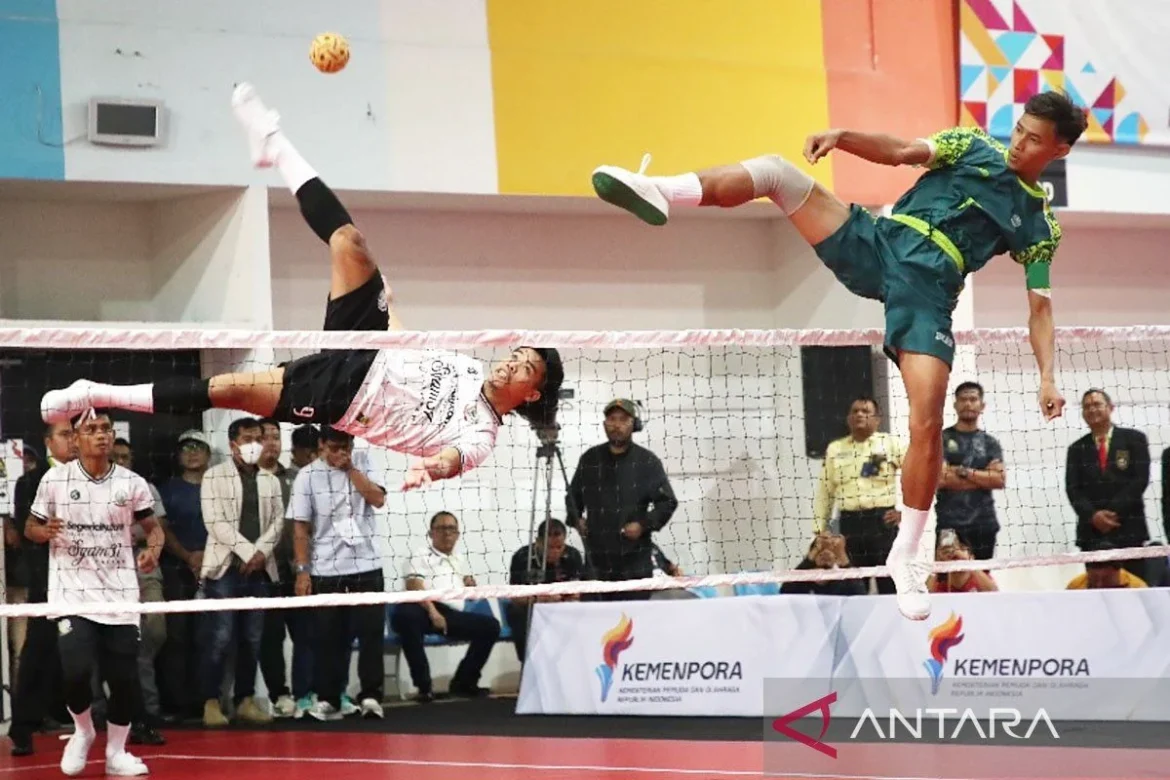
Jakarta (ANTARA) – Imagine a sport that marries the aerial agility of volleyball with the acrobatic kicking prowess of football, all played without a single touch of the hand. This is Sepak Takraw, a traditional Southeast Asian sport that continues to captivate audiences and participants across a wide swath of the region, including Indonesia, Thailand, Malaysia, and the Philippines. Its unique blend of athleticism, skill, and cultural heritage makes it a compelling spectacle, one that is gaining increasing international recognition.

The very name "Sepak Takraw" offers a glimpse into its origins and essence. Derived from a fusion of two languages, "Sepak" from Malay signifies "to kick," while "Takraw" from Thai refers to a "woven rattan ball." Thus, Sepak Takraw literally translates to "kicking the rattan ball." This unique nomenclature was officially recognized following a match between Malaysia and Thailand in Kuala Lumpur in 1960, a pivotal moment that helped standardize and promote the sport on a broader stage.

Before this official codification, the sport bore different names and variations. In Malaysia, it was known as Sepak Raga Jaring. The addition of "Jaring," meaning "net," is attributed to Hamid Mydin, widely regarded as a foundational figure in the development of Sepak Takraw. In Penang around 1945, Mydin’s innovation distinguished the game from its predecessor, Sepak Raga, which was played without a net, underscoring a significant evolution in its gameplay and strategic depth.

Often described as "kick volleyball," Sepak Takraw is a team sport typically played by two to four players per side on a court resembling that of badminton. It ingeniously integrates elements of volleyball and footvolley, but with a crucial distinction: players are strictly forbidden from using their hands. Instead, they must utilize specific parts of their body – feet, knees, shoulders, chest, and head – to propel the ball over the net and into the opponent’s court, demanding an extraordinary level of dexterity and control.

Internationally, the sport’s governance falls under the purview of the International Sepaktakraw Federation (ISTAF), established in 1988. ISTAF plays a crucial role in organizing global competitions, standardizing rules, and promoting the sport’s growth worldwide. The organization’s commitment is evident in its efforts to foster fair play and a high standard of competition among its member nations.

Sepak Takraw boasts a rich tapestry of local names across different countries, reflecting its deep roots in regional cultures. It is known as Sepak Raga in Indonesia, Brunei, Malaysia, and Singapore; Sipa in the Philippines; Chinlone in Myanmar; and Takraw in Thailand, among other variations in various Asian nations. This linguistic diversity highlights the sport’s widespread adoption and adaptation within different cultural contexts.

The Genesis of Sepak Takraw: A Historical Journey

The origins of Sepak Takraw are believed to trace back to Malaysia, with evidence suggesting its existence approximately 500 years ago. It gained significant popularity among royal courts during the 15th century, a testament to its intricate play and aesthetic appeal. By the 16th century, the game had traversed borders, reaching Indonesia under the name Sepak Raga. Its widespread popularity across Southeast Asia truly blossomed in the 1940s with the formalization of its rules and the establishment of structured competitions.

A landmark event in the sport’s history was the first official competition held in Penang in 1945, then known as "Sepak Raga Jaring." This marked a significant step towards standardization. The establishment of the Malaysian Sepak Raga Federation in Penang in 1960 further solidified its organizational structure. A pivotal moment arrived in 1965 when the sport was included in the Southeast Asian Peninsular Games. It was during this prestigious event that the sport was officially christened "Sepak Takraw," a name that would come to represent its unique identity on the international sporting landscape.

Interestingly, some historical accounts suggest that Sepak Takraw may have been introduced to Southeast Asia by the Chinese and shares a common ancestry with football. The sport is thought to have evolved from Cuju, an ancient Chinese traditional game recognized by FIFA as one of the earliest forms of modern football. Cuju, primarily an ancient military exercise, involved groups of soldiers kicking a leather ball, with the objective of keeping it airborne for as long as possible. This historical connection to ball-kicking games underscores the deep-seated human fascination with such athletic endeavors.

Understanding the Mechanics: Rules and Gameplay of Sepak Takraw

The fundamental rules of Sepak Takraw are designed to emphasize skill, strategy, and physical prowess while strictly prohibiting the use of hands. The game is played on a court similar in size to a badminton court, divided by a net. Each team consists of three players: two inside players (known as "Tekong" and "Feeder") and one outside player (the "Killer").

Player Positions and Court Dynamics:

The court is divided into two sides, with specific zones for each player. The "Tekong" is typically positioned at the back, responsible for serving. The "Feeder" operates in the middle, setting up plays and assisting the "Killer." The "Killer" is the offensive powerhouse, positioned at the front to execute powerful spikes and scoring shots. This strategic positioning ensures a dynamic interplay of offense and defense, requiring each player to understand their role and cooperate effectively.

The Flow of Play:

The game commences with a serve initiated by the "Tekong." The server must toss the ball and kick it over the net into the opponent’s court. The choice to serve or receive is typically determined by a coin toss, granting strategic advantage to the winning team.

Following the serve, a rally ensues where players from both teams engage in a rapid exchange of the ball. The objective is to score by making the ball land within the opponent’s court boundaries or by forcing the opponent into committing a fault. Players can use their feet, knees, chest, shoulders, and head to control and propel the ball. The intricate passing sequences and acrobatic maneuvers employed to keep the ball in play are what make Sepak Takraw so visually spectacular.

A crucial aspect of the gameplay is the synergy between the "Feeder" and the "Killer." The "Feeder" skillfully sets up the ball, often with precise aerial passes, enabling the "Killer" to unleash powerful, acrobatic kicks or spikes aimed at finding gaps in the opponent’s defense. The "Tekong," beyond their initial service role, also contributes to the defensive and offensive strategy, demonstrating the all-around athleticism required for success in this sport.

Scoring System:

Points are awarded when the ball lands in the opponent’s court, or when the opposing team commits a fault, such as hitting the ball out of bounds, touching the net with their body or the ball, or making an illegal contact. A standard set is played to 21 points, with a team needing to win by a margin of at least two points. A match is typically won by the team that secures victory in two out of three sets. This scoring system ensures that matches are often tightly contested, demanding sustained focus and performance from the players.

Global Reach and the ISTAF’s Role

The International Sepaktakraw Federation (ISTAF) plays a pivotal role in the sport’s global development. Since its inception in 1988, ISTAF has been instrumental in organizing international tournaments, including the prestigious King’s Cup in Thailand, which attracts top talent from around the world. ISTAF’s efforts extend to promoting the sport in non-traditional regions, developing coaching programs, and ensuring a standardized set of rules that are applied consistently across all major competitions.

The federation has also been actively involved in resolving administrative issues within national federations. For instance, recent reports indicate successful efforts in resolving dualism within the Indonesian Sepak Takraw association, a move that has been warmly welcomed by ISTAF. Such resolutions are crucial for fostering a stable and unified environment for athletes and governing bodies, paving the way for smoother development and increased participation.

Sepak Takraw’s Cultural Significance and Broader Implications

Sepak Takraw is more than just a sport; it is a cultural ambassador for Southeast Asia. Its roots are deeply embedded in the region’s history and traditions, and its continued popularity speaks to its enduring appeal. The sport’s unique characteristics, demanding exceptional physical attributes and strategic thinking, make it a compelling spectacle that can attract a diverse audience.

As Sepak Takraw gains more international traction, there are significant implications for the participating nations. Increased global recognition can lead to greater investment in sports infrastructure, athlete development programs, and enhanced tourism opportunities. The sport’s ability to showcase the agility, discipline, and cultural richness of Southeast Asia positions it as a valuable asset in the global sporting arena.

The continuous efforts by ISTAF and national federations to refine rules, promote fair play, and expand competitive opportunities are vital for the sport’s sustained growth. As more athletes hone their skills and more audiences discover the thrill of Sepak Takraw, its journey from a traditional pastime to a globally recognized sport is set to continue, promising an exciting future for this captivating display of human athleticism.

Pewarta: Putri Atika Chairulia
Editor: Suryanto
Copyright © ANTARA 2025

All rights reserved. No part of this publication may be reproduced, distributed, or transmitted in any form or by any means, including photocopying, recording, or other electronic or mechanical methods, without the prior written permission of ANTARA News Agency. Unauthorized use of content, crawling, or automated indexing for AI purposes is strictly prohibited without written consent.

August 5, 2025 0 comment
0 FacebookTwitterPinterestEmail
Automotive

Pertamina EP Recognized for Sustainability Integration in Upstream Oil and Gas Operations at The Green World Awards 2026

by Nana Wu August 5, 2025
written by Nana Wu

JAKARTA – PT Pertamina EP has been honored at the prestigious international Green World Awards 2026, held at the historic Cardiff Castle in Wales, United Kingdom, for its exemplary integration of sustainability into its upstream oil and gas operations. The award underscores the company’s robust commitment to environmental stewardship and community engagement, solidifying its position as a leader in responsible resource management.

The accolade, presented in a ceremony on April 15, 2026, acknowledges Pertamina EP’s multifaceted approach to embedding sustainability principles across its operational spectrum. This includes the development and implementation of innovative, community-driven social and environmental responsibility programs in various operational regions. These initiatives are not merely ancillary activities but are deeply integrated into the company’s core business strategies for its upstream oil and gas sector.

"This achievement reflects Pertamina EP’s unwavering commitment to integrating sustainability aspects into every facet of our operational activities," stated Pinto Budi Bowo Laksono, Manager of Communication, Relations & CID for Pertamina EP Regional Jawa, in a press release issued on Wednesday, April 15, 2026. This statement highlights the strategic importance the company places on sustainability, moving beyond mere compliance to proactive integration.

A Deep Dive into Pertamina EP’s Sustainability Initiatives

Pertamina EP’s award-winning efforts are exemplified by several flagship programs implemented in key operational areas, including Tambun Field, Subang Field, and Jatibarang Field. These programs are meticulously designed to enhance social impact, optimize operational efficiency, and bolster environmental protection. Crucially, these initiatives actively involve local communities, recognizing them as vital partners in the company’s sustainable development framework.

Subang Field: Pioneering Circular Energy and Efficient Drilling

At Subang Field, a standout initiative is the "Purnama Subang" program. This program champions a community-based circular energy concept, aiming to create a closed-loop system where resources are maximized and waste is minimized. While specific details of the circular energy model are not elaborated in the initial report, such programs typically involve the utilization of by-products or waste streams from oil and gas operations to generate renewable energy or valuable materials, thereby reducing environmental footprints and fostering local economic opportunities.

Furthermore, Subang Field has pioneered the application of "Hydrodrilling" technology. This innovation is geared towards enhancing drilling efficiency through a more sustainable water management approach. In the context of oil and gas exploration and production, water management is a critical environmental concern. Hydrodrilling likely involves optimizing the use of water in drilling fluids, promoting water recycling and reuse, and minimizing the discharge of wastewater. Such practices are essential for conserving water resources, reducing the potential for groundwater contamination, and lowering the overall environmental impact of drilling operations. The implementation of such advanced technologies signifies Pertamina EP’s dedication to leveraging innovation for environmental benefit.

Tambun and Jatibarang Fields: Strengthening Social Impact and Environmental Protection

While specific program details for Tambun and Jatibarang Fields are not as extensively outlined in the provided text, the mention of their focus on "strengthening social impact, operational efficiency, and environmental protection" indicates a consistent application of the company’s sustainability ethos across its operational footprint. These fields likely host community development programs that address local needs, such as education, health, or economic empowerment, alongside initiatives aimed at improving operational performance while minimizing environmental risks.

The overarching theme across all these fields is the active engagement of local communities. This participatory approach is a cornerstone of effective corporate social responsibility and sustainable development. By involving communities in the design and implementation of programs, Pertamina EP ensures that its initiatives are relevant, impactful, and contribute to the long-term well-being of the regions in which it operates. This collaborative model fosters trust, builds local capacity, and creates shared value.

The Green World Awards: A Global Recognition of Excellence

The Green World Awards are an internationally recognized platform that celebrates outstanding environmental achievements from organizations worldwide. Organized by the Green Organization, an independent, international, not-for-profit body founded in 1990, these awards aim to promote best practices in environmental management and sustainability. The awards ceremony in Cardiff Castle brought together leading environmental advocates, industry professionals, and policymakers to acknowledge and disseminate successful sustainability strategies.

The selection process for the Green World Awards typically involves a rigorous evaluation by an international panel of judges, who assess projects based on their innovation, impact, scalability, and adherence to the principles of sustainability. Winning an award from this esteemed body signifies that Pertamina EP’s sustainability programs have met a high global standard and are recognized for their tangible contributions to environmental protection and social progress.

The choice of Cardiff Castle as the venue for the 2026 awards adds a layer of historical significance and underscores the global importance of environmental stewardship. Holding the event in a prominent historical landmark can serve as a potent symbol of the need to preserve our planet for future generations, drawing parallels between the protection of heritage and the protection of the natural world.

Broader Implications and Context

Pertamina EP’s recognition at the Green World Awards 2026 arrives at a critical juncture for the global energy sector. As the world grapples with the challenges of climate change and the transition to a low-carbon economy, companies in the oil and gas industry face increasing pressure to demonstrate their commitment to sustainability. Awards like these not only validate the efforts of individual companies but also serve as benchmarks for the broader industry, encouraging the adoption of best practices.

The integration of sustainability into upstream operations is particularly significant. This sector, often associated with substantial environmental risks, has a crucial role to play in mitigating its impact. Pertamina EP’s approach, which prioritizes community involvement and innovative technological solutions like Hydrodrilling and circular energy concepts, suggests a forward-thinking strategy that balances energy production with environmental responsibility.

The emphasis on "social impact" also highlights the growing recognition that sustainability is not solely an environmental concern but encompasses social equity and economic development. By investing in community programs, Pertamina EP is likely contributing to the social license to operate, fostering goodwill, and ensuring that the benefits of its operations are shared with local populations.

A Timeline of Commitment

While the specific timeline for the development and implementation of these programs is not detailed, the award itself suggests a sustained effort over a significant period. The Green World Awards typically recognize projects that have demonstrated measurable results and long-term impact. It is reasonable to infer that Pertamina EP has been systematically investing in and refining its sustainability strategies for several years leading up to this recognition.

The press release dated April 15, 2026, indicates that the announcement and the award ceremony took place around this time. This suggests that the evaluation and selection process for the Green World Awards 2026 would have been completed in the preceding months. The company’s proactive communication about its achievements further signals a commitment to transparency and accountability in its sustainability reporting.

Supporting Data and Future Outlook

While the provided text does not include specific quantitative data on the environmental or social impact of Pertamina EP’s programs, such as metrics on emissions reduction, water conservation, or community benefits generated, the award itself serves as a qualitative endorsement of their effectiveness. Future reports from Pertamina EP would likely provide such data to further substantiate their sustainability claims.

For instance, a detailed sustainability report would ideally include figures on:

  • Environmental Metrics: Reduction in greenhouse gas emissions (e.g., CO2 equivalent), water usage efficiency, waste generation and recycling rates, biodiversity protection initiatives.
  • Social Metrics: Number of community members benefiting from programs, job creation, investment in local infrastructure, educational attainment improvements, health outcome statistics.
  • Economic Metrics: Local procurement spend, contributions to local economies, energy efficiency gains leading to cost savings.

The recognition from the Green World Awards is likely to have several positive implications for Pertamina EP. It enhances the company’s reputation, both domestically and internationally, potentially attracting new investment and partnerships. It also serves as a morale booster for employees, reinforcing the value of their contributions to sustainable practices.

Looking ahead, this award could spur further innovation and investment in sustainability initiatives. Pertamina EP may be motivated to expand its successful programs to other operational areas, set more ambitious sustainability targets, and continue to pioneer new approaches in the upstream oil and gas sector. The global shift towards renewable energy and decarbonization presents both challenges and opportunities for traditional energy companies. By demonstrating a strong commitment to sustainability, Pertamina EP is positioning itself to navigate this transition effectively and contribute to a more sustainable energy future.

The ongoing commitment to integrating sustainability into all levels of operation, from the drilling rig to community engagement, is a strategic imperative for any company in the resource sector. Pertamina EP’s success at the Green World Awards 2026 is a testament to their dedication and a positive indicator for the future of responsible resource development in Indonesia and beyond. The company’s continued efforts in this domain will be closely watched as the global energy landscape evolves.

August 5, 2025 0 comment
0 FacebookTwitterPinterestEmail
Newer Posts
Older Posts

Recent Posts

  • Pressure on Indonesia’s Middle Class Intensifies Amid Shifting Economic Dynamics and National Development Goals
  • Brigitte Bardot, Iconic French Actress and Devoted Animal Rights Activist, Passes Away at 91
  • Golkar Chairman Bahlil Lahadalia Calls for Unwavering Internal Unity to Strengthen Party’s Future Stance
  • High-Stakes Surveillance: Alleged Densus 88 Shadowing of Jampidsus Rocks Indonesian Justice System
  • Sari Yuliati Assumes Key Role as Secretary of Golkar Faction in DPR RI Amidst Strategic Political Shifts

Recent Comments

No comments to show.
  • Facebook
  • Twitter

@2021 - All Right Reserved. Designed and Developed by PenciDesign


Back To Top
GKF Media
  • Home