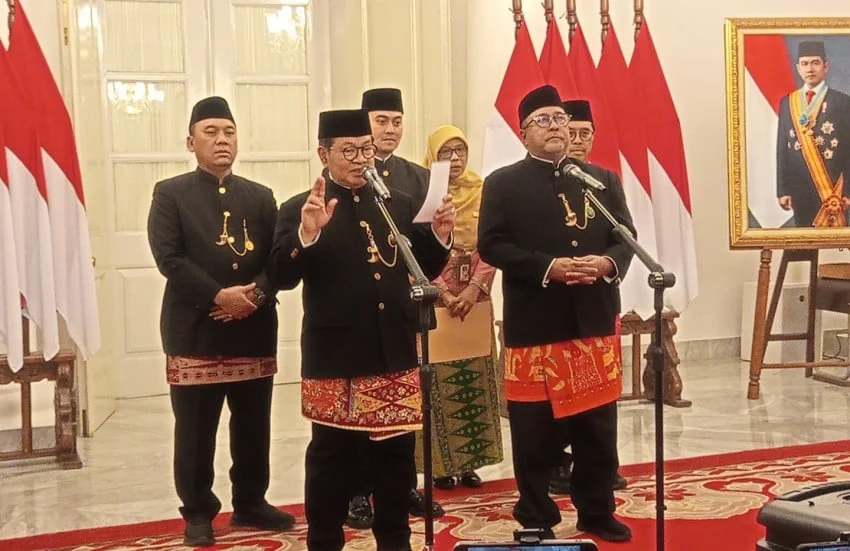
Jakarta, Indonesia – April 15, 2026 – In a strategic move to bolster administrative efficiency and ensure continuity of governance, Governor of DKI Jakarta, Pramono Anung, today presided over the inauguration of eleven newly appointed officials to high-ranking positions within the provincial government. This significant reshuffle, encompassing a rotation of "pimpinan tinggi pratama" (high-ranking primary officials), signals a proactive approach to leadership transitions and aims to eliminate the interim status of key roles, thereby enhancing operational effectiveness.
The ceremony, held at the DKI Jakarta City Hall, marked the official commencement of duties for these eleven individuals, whose tenures will commence at staggered intervals, reflecting a carefully considered transition plan. Governor Anung emphasized the strategic rationale behind the staggered implementation, stating, "The reason for conducting these appointments earlier is to ensure that no officials are left in an acting capacity. This way, there will be no further inauguration ceremonies, even if the newly appointed officials will only begin their substantive work at a later date."
Among the most notable appointments is the former Head of the DKI Jakarta Transportation Agency (Kadishub DKI Jakarta), who has been designated as the new Mayor of South Jakarta. This move highlights the administration’s focus on placing experienced leadership in critical urban management roles, leveraging their understanding of complex logistical and operational challenges to address the specific needs of a densely populated administrative city.
Governor Anung detailed the phased commencement of responsibilities for the newly appointed officials: "In this inauguration, eleven individuals have been appointed. Three officials will commence their duties effective from today’s inauguration. Subsequently, four officials will begin on June 1st. Three others will start on August 1st. One individual is awaiting the issuance of a decree for their appointment as a Principal Functional Officer." This structured approach underscores a commitment to orderly transitions and minimizes potential disruptions in public service delivery.
Strategic Rationale Behind the Mass Appointment
The decision to conduct the mass appointment, with staggered effective dates, is rooted in a desire to create a more robust and stable leadership framework. By formalizing these positions, the provincial government aims to eliminate the administrative complexities and potential uncertainties associated with "Pelaksana Tugas" (Plt) or Acting Officials. This move is expected to empower the appointed officials with the full authority and responsibility required to implement their mandates effectively.
"The inauguration is held today, but subsequently, there will be no further inauguration ceremonies," Governor Anung reiterated. "They will assume their positions according to the dates specified in their respective decrees." This clear directive ensures that the transition is managed with precision, allowing for a smooth handover of responsibilities and a focused approach to governance from the outset.
The appointment of a former Kadishub to a mayoral position is particularly significant. The Head of the Transportation Agency typically oversees a vast and complex network of infrastructure, public transport, traffic management, and regulatory functions. Their experience in navigating these multifaceted challenges in a city as dynamic as Jakarta is considered invaluable for leading an administrative city, which requires a comprehensive understanding of urban planning, public services, and community engagement. This appointment suggests a recognition of the transferable skills and strategic foresight required for effective city management.
A Closer Look at the Appointments and Their Implications
While the article does not provide a full list of all eleven appointed officials and their specific new roles, the focus on the former Kadishub’s appointment to Mayor of South Jakarta provides a key insight into the administration’s priorities. South Jakarta, one of the largest and most populous administrative cities in the capital, faces ongoing challenges related to urban development, traffic congestion, disaster preparedness, and social welfare. The appointment of an individual with a proven track record in managing complex city-wide operations is likely intended to bring a results-oriented approach to these issues.

The staggered implementation of the appointments also suggests a strategic approach to managing workloads and ensuring adequate support during the transition. By having officials begin their terms at different times, the Governor’s office and the relevant departments can provide tailored onboarding and support, ensuring that each appointee is well-equipped to succeed in their new role. This contrasts with a sudden, simultaneous handover, which could potentially overwhelm both the incoming officials and the supporting administrative structures.
Background and Context: The Importance of Stable Leadership in Jakarta
The Government of DKI Jakarta, as the administrative heart of Indonesia and a megacity facing rapid urbanization, requires consistent and effective leadership at all levels. Frequent changes in high-ranking positions, especially those held by acting officials, can lead to policy discontinuities, delays in project implementation, and a general sense of administrative uncertainty. The current reshuffle can be viewed as a measure to counter these potential issues and foster a more stable and predictable governance environment.
The role of "pimpinan tinggi pratama" is crucial as these officials are responsible for the day-to-day management and implementation of policies within their respective agencies and administrative cities. Their expertise, leadership, and strategic vision directly impact the quality of public services, the efficiency of government operations, and the overall development trajectory of the capital.
The decision by Governor Anung to address the issue of acting officials proactively aligns with principles of good governance, which emphasize accountability, transparency, and continuity. By filling these positions with permanent appointees, the administration signals a commitment to long-term planning and sustained effort in addressing the myriad challenges facing Jakarta.
Potential Broader Impact and Future Outlook
The successful integration of these eleven new leaders into their respective roles is expected to have several positive implications for Jakarta. Firstly, it should lead to more decisive policy implementation and project execution, as officials will have the full mandate and security of tenure to pursue their objectives. Secondly, it is likely to improve inter-agency coordination and collaboration, as established leaders can foster stronger working relationships.
Furthermore, the appointment of individuals with relevant experience, such as the former Kadishub to a mayoral position, suggests a focus on leveraging specialized knowledge to address specific urban challenges. This can lead to more targeted and effective solutions in areas like transportation, urban planning, and public service delivery.
The staggered implementation also provides an opportunity for the administration to monitor the initial performance of the newly appointed officials and offer support where needed. This iterative approach to leadership transition can help ensure that the new appointments are not just symbolic but translate into tangible improvements in governance and public service.
As Jakarta continues to navigate the complexities of a growing metropolis, including infrastructure development, environmental sustainability, and social equity, the stability and effectiveness of its leadership cadre are paramount. This recent wave of appointments by Governor Pramono Anung appears to be a deliberate step towards strengthening that leadership foundation, aiming to foster a more efficient, accountable, and responsive government for the citizens of Indonesia’s capital. The coming months will be critical in observing how these new leaders translate their mandates into concrete actions and contribute to the ongoing evolution of Jakarta.