Tehran, Iran – In a dramatic escalation of tensions, Iran’s Khatam al-Anbiya Central Headquarters (KCHQ) on Wednesday threatened to disrupt global maritime trade by blocking all exports and imports through the strategically vital Persian Gulf, Gulf of Oman, and Red Sea. This severe warning comes in direct response to a naval blockade imposed by the United States on Iranian ports earlier this week, following the collapse of crucial direct talks between the two adversaries. The declaration by a senior Iranian military commander underscores the increasingly volatile geopolitical landscape in the Middle East, signaling a potential crisis with far-reaching economic and security implications worldwide.
A Dire Warning from Tehran
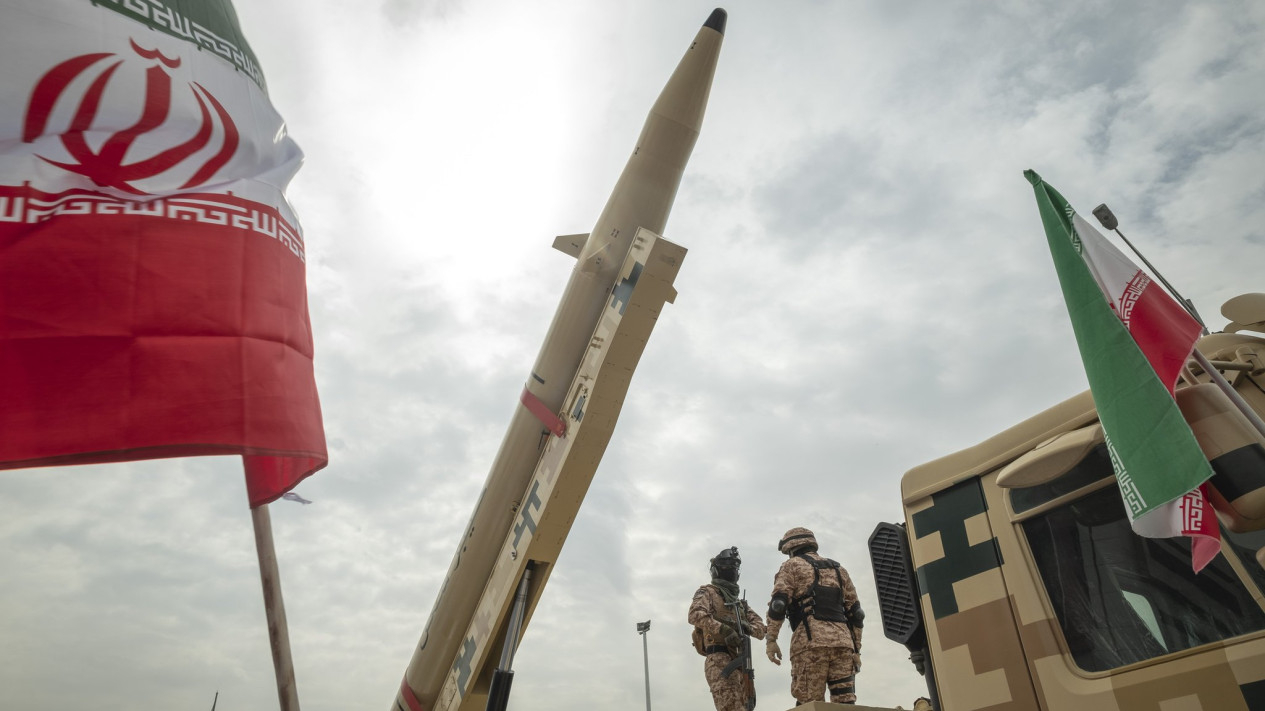
Major General Ali Abdollahi, Commander of the KCHQ, issued the stark ultimatum in a statement broadcast by the semi-official Fars News Agency on April 15, 2026. General Abdollahi asserted that if the United States, which he characterized as "aggressive and terrorist," continued its "illegal maritime blockade" and created "insecurity for Iranian merchant vessels and oil tankers," these actions would be considered a breach of the standing ceasefire agreement. He explicitly warned that should the blockade persist, the Iranian armed forces "will not allow any exports or imports to continue" across the critical waterways of the Persian Gulf, the Gulf of Oman, and the Red Sea.
This threat represents a significant and dangerous escalation from Tehran. The KCHQ, an operational headquarters often associated with the Islamic Revolutionary Guard Corps (IRGC), plays a pivotal role in Iran’s military doctrine and strategic planning. Its commander’s statement carries considerable weight, indicating that the Iranian leadership views the US naval blockade as an act of war that warrants a proportional, albeit highly disruptive, response. The mention of a "ceasefire agreement" suggests that the recent military actions and diplomatic failures have occurred within a framework of attempts to de-escalate, now seemingly on the verge of complete collapse.
Unraveling Diplomacy: The Road to Blockade
The current crisis is the culmination of a rapidly deteriorating security situation and failed diplomatic overtures. The timeline of recent events paints a grim picture of escalating hostilities:
A Flare-Up in February: US-Israel Strikes and Iranian Retaliation
The most recent cycle of direct military engagement began on February 28, 2026, when the United States and Israel launched a coordinated series of attacks against multiple targets across Iran. These strikes reportedly targeted key infrastructure, military installations, and government facilities, including locations within the capital, Tehran. The joint operation resulted in widespread damage and, critically, caused significant civilian casualties. Iranian authorities have reported that over 3,300 people have been killed in these combined US-Israeli air raids since the military operation commenced, a figure that, if accurate, represents a devastating human toll.
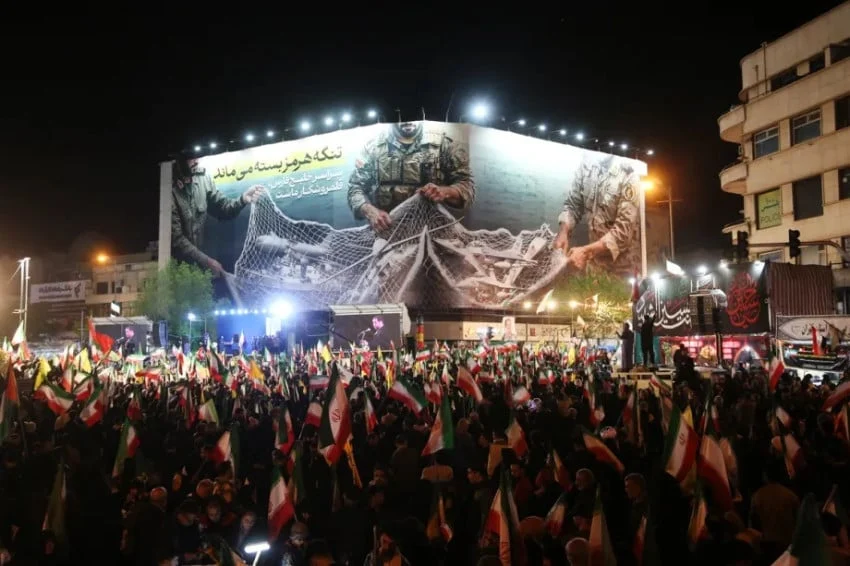
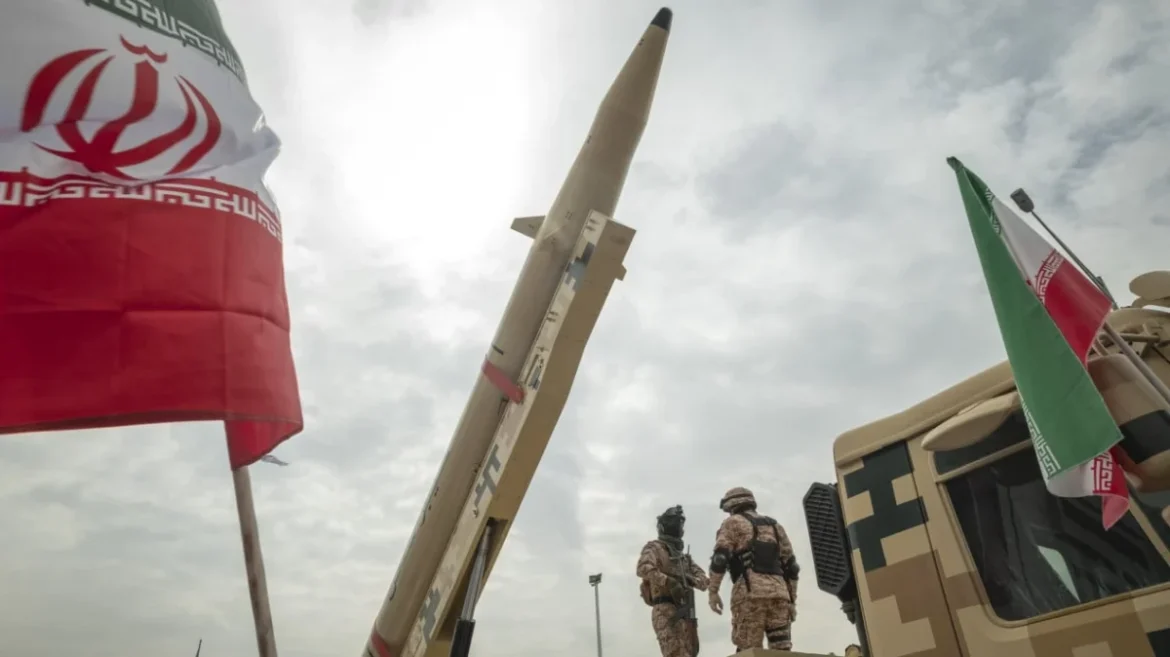
Iran swiftly condemned these attacks as acts of aggression and immediately vowed retaliation. True to its word, Tehran responded by launching its own strikes against Israeli territory and targeting various US military facilities located throughout the wider Middle East. These retaliatory actions, which Iran framed as legitimate self-defense, further exacerbated regional tensions and solidified the perception of an active, if undeclared, state of conflict. The precise nature and targets of Iran’s counter-attacks remain subject to various claims and counter-claims, but they undeniably underscored Iran’s capability and willingness to project power beyond its borders.
Failed Negotiations and the US Blockade
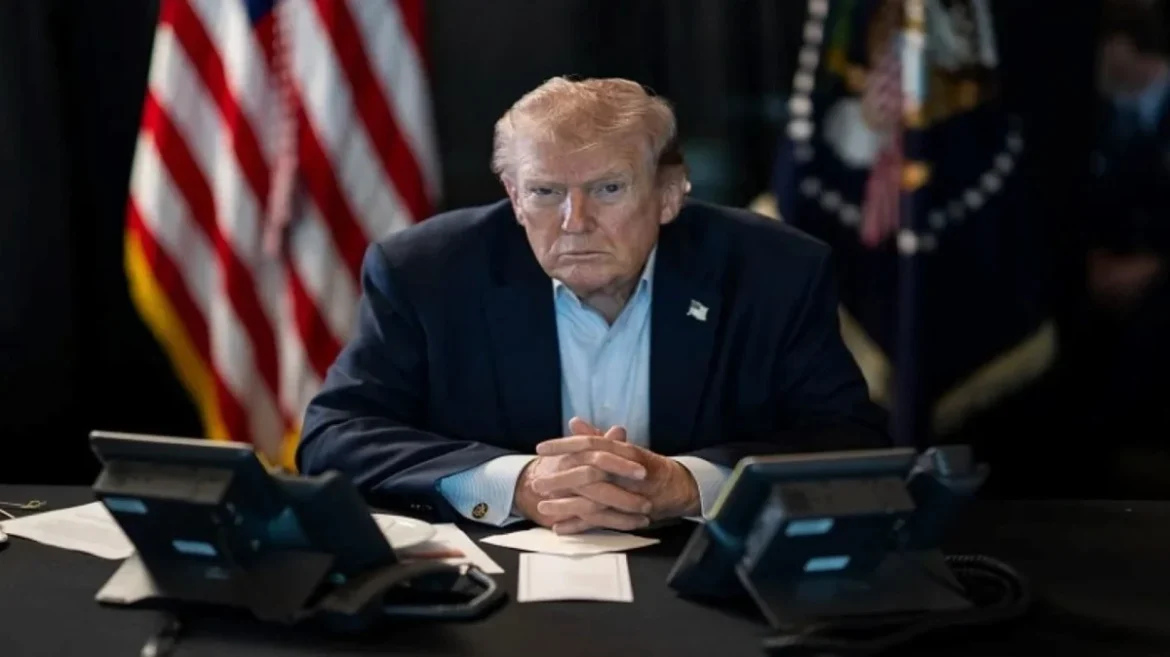
In an apparent attempt to de-escalate the burgeoning conflict, rare direct talks between US and Iranian delegations took place in Pakistan over the weekend preceding the current events. The details of these negotiations remain largely undisclosed, but their failure to yield any substantive agreement or breakthrough proved to be a critical turning point. With diplomatic avenues seemingly exhausted, the US administration evidently opted for a more coercive strategy.
On Monday, April 13, 2026, just two days before Iran’s threat, the United States imposed a naval blockade around Iranian ports. While the specifics of this blockade—its exact scope, duration, and the naval assets involved—were not fully detailed in the original report, such an action typically involves deploying warships to interdict maritime traffic, preventing vessels from entering or leaving designated ports. The objective of such a blockade would likely be to exert severe economic pressure on Iran, choke off its trade, and potentially compel Tehran to alter its strategic behavior or return to negotiations on more favorable terms for Washington. Given Iran’s heavy reliance on maritime trade, particularly oil exports, a sustained blockade poses an existential threat to its economy.
The Strategic Choke Points: A Global Lifeline Under Threat
Iran’s threat to block the Persian Gulf, Gulf of Oman, and the Red Sea is not merely a symbolic gesture; it targets some of the world’s most critical maritime arteries. These waterways are indispensable for global energy supplies and international trade, making any disruption a potential catastrophe for the world economy.
The Persian Gulf and Strait of Hormuz
The Persian Gulf is perhaps the most significant body of water mentioned in Iran’s threat. It is bordered by Iran, Iraq, Kuwait, Saudi Arabia, Bahrain, Qatar, the UAE, and Oman. Its strategic importance is primarily due to the vast oil and natural gas reserves of the surrounding nations. Approximately one-fifth of the world’s total petroleum consumption, and roughly one-third of all seaborne traded oil, passes through the Strait of Hormuz, the narrow chokepoint connecting the Persian Gulf to the Gulf of Oman and the wider ocean.
The Strait of Hormuz, at its narrowest point, is only about 33 kilometers (21 miles) wide, with shipping lanes just 10 kilometers (6 miles) wide in each direction. This geographical reality makes it exceptionally vulnerable to interdiction. Iran has repeatedly threatened to close the Strait of Hormuz in the past in response to sanctions or military threats, leveraging its strategic position on the northern side of the strait. A blockade here would immediately send shockwaves through global energy markets, as major oil producers like Saudi Arabia, Iraq, UAE, and Kuwait rely heavily on this route for their exports.
Gulf of Oman and Red Sea
The Gulf of Oman serves as a crucial link between the Persian Gulf and the Arabian Sea, providing access to the Indian Ocean. Blocking this gulf would effectively extend the disruption beyond the Strait of Hormuz, catching vessels that might try to bypass the immediate choke point.
Further west, the Red Sea is another vital conduit for global commerce, connecting the Indian Ocean to the Mediterranean Sea via the Suez Canal. The Bab el-Mandeb Strait, at the southern end of the Red Sea, is another critical chokepoint through which much of Europe’s and North America’s trade with Asia and the Middle East passes. Disrupting traffic in the Red Sea would severely impact shipping routes, forcing vessels to undertake the significantly longer and more costly journey around the Cape of Good Hope at the southern tip of Africa. This would not only increase transit times and fuel costs but also put immense strain on global supply chains for a vast array of goods, not just energy.
International Repercussions and Potential Responses
The implementation of Iran’s threat would trigger an unprecedented international crisis, with profound economic, military, and geopolitical ramifications.
Global Economic Fallout
The immediate and most direct impact would be on global energy markets. A full blockade of these waterways would drastically curtail the supply of crude oil and liquefied natural gas (LNG) to international markets. Analysts predict an immediate and dramatic surge in oil prices, potentially reaching historic highs, and a corresponding spike in gasoline prices globally. This would fuel inflation, disrupt manufacturing, and potentially trigger a global recession. The ripple effects would extend far beyond energy, impacting the cost of transportation for all goods and services. Supply chains, already fragile from previous global disruptions, would face immense pressure, leading to shortages and further price increases for consumers worldwide. Insurance premiums for maritime shipping in the region would skyrocket, making trade prohibitively expensive even for routes not directly blocked.

Military Posturing and Escalation Risks
Such a blockade would be seen as an act of war by many nations, particularly those reliant on free navigation through these international waters. The United States, with its Fifth Fleet based in Bahrain, maintains a significant naval presence in the Persian Gulf. Allied nations also deploy naval assets to ensure maritime security. Any attempt by Iran to physically block these waterways would almost certainly lead to a direct military confrontation with US and allied naval forces.
International maritime law upholds the principle of freedom of navigation through international straits and waters. Any Iranian action to impede this would be a clear violation, inviting a forceful response aimed at restoring unimpeded passage. The risk of miscalculation, accidental engagements, or intentional provocations escalating into a full-scale regional conflict would be extraordinarily high. The possibility of broader military intervention by regional and international powers to secure these vital routes cannot be discounted.
Calls for De-escalation
In the face of such a severe threat, the international community would undoubtedly issue urgent and widespread condemnations, calling for immediate de-escalation. The United Nations Security Council would likely convene emergency sessions, and major powers such as the European Union, China, and Russia would exert diplomatic pressure on both Washington and Tehran to pull back from the brink. However, given the deep-seated animosity and the current trajectory of military actions, diplomatic solutions might prove elusive in the short term. Regional powers, particularly Saudi Arabia and the UAE, whose economies are inextricably linked to the free flow of oil through these straits, would be profoundly concerned and might seek to bolster their own security postures or appeal for international protection.
Iran’s Calculus: A Risky Gambit
Iran’s threat to block these strategic waterways represents a high-stakes gamble. While it provides Tehran with significant leverage and demonstrates its capacity to inflict economic pain on its adversaries and the global economy, it also carries immense risks for the Islamic Republic itself.
One primary motivation for this threat is likely deterrence. By raising the specter of global economic chaos, Iran aims to pressure the United States into lifting its naval blockade and ceasing its perceived aggressive actions. It is a classic tactic of asymmetrical warfare, where a weaker power leverages its geographical advantage to threaten disproportionate costs on a stronger adversary. The KCHQ’s statement, framed as a response to US "illegal maritime blockade" and a violation of a ceasefire, suggests an attempt to justify its potential actions under international law, even if widely contested.
Furthermore, the threat could be aimed at domestic audiences, demonstrating strong leadership and an unwavering stance against foreign aggression, especially in the wake of significant casualties from the US-Israeli strikes. It projects an image of resilience and defiance, which can be crucial for maintaining internal support during times of crisis.
However, the costs for Iran of actually implementing such a blockade would be immense. Even if its own oil exports are already heavily sanctioned, a complete closure of these waterways would further cripple its economy, hindering any remaining legitimate trade and exacerbating hardships for its population. It would also almost certainly invite a forceful military response from the United States and its allies, potentially leading to widespread damage to Iranian naval assets and coastal infrastructure. The international condemnation would isolate Iran further on the global stage, making any future diplomatic engagement even more challenging.
As the world watches anxiously, the coming days will be critical. The US naval blockade and Iran’s retaliatory threat have pushed the region to the precipice of a broader conflict. The immediate priority for international diplomacy will be to prevent the situation from spiraling out of control and to find a pathway, however narrow, towards de-escalation before the strategic waterways of the Middle East become the focal point of a catastrophic confrontation.