Jakarta, Indonesia – The Indonesian food and beverage (F&B) industry continues its robust performance, reaffirming its position as the largest contributor to the non-oil and gas manufacturing sector, accounting for an impressive 42.01 percent of its total contribution in the first quarter of 2026. This sustained growth trajectory underscores an escalating imperative for the industry to embrace advanced technologies, not merely as an option but as a strategic necessity to enhance productivity, elevate product quality, and fortify its competitive standing in both domestic and international markets. In response to this critical demand, Pamerindo Indonesia is set to host ProPak Indonesia 2026, a premier exhibition dedicated to processing, packaging, and automation technologies, scheduled from July 21 to 24, 2026, at the Jakarta International Expo (JIEXPO) Kemayoran.
Driving Innovation and Collaboration: The Core of ProPak Indonesia 2026
ProPak Indonesia 2026 is meticulously designed as a pivotal platform, bringing together industry stakeholders, technology providers, policymakers, and academics to foster collaboration and accelerate the adoption of cutting-edge solutions. Under the theme "The Integration of Food & Packaging," the exhibition will run concurrently with Food & Hospitality Indonesia (FHI) 2026, creating a comprehensive ecosystem that bridges innovations in production process technology and packaging with the broader food, beverage, and hospitality sectors. This co-location is strategic, recognizing the inherent synergy between these industries and the shared need for efficiency, quality, and sustainability across their value chains.
Meysia Stephannie, Portfolio Director of PT Pamerindo Indonesia, highlighted the dynamic nature of the industry and the evolving demands placed upon businesses. "The rapid pace of industrial change necessitates not only investment in technology but also a profound strengthening of collaboration and knowledge exchange," Stephannie stated on Tuesday, July 21, 2026. "Through ProPak Indonesia 2026, alongside Food & Hospitality Indonesia, our objective is to cultivate an environment where industry players, technology innovators, government representatives, academic institutions, and associations can converge to share invaluable insights, forge strategic partnerships, and collectively address the ever-evolving needs of the industry." Her remarks underscore Pamerindo’s commitment to facilitating a holistic approach to industrial advancement, moving beyond mere product showcasing to fostering genuine intellectual and commercial exchange.
The Economic Engine: Indonesia’s F&B Sector at a Glance
The significance of the F&B industry to Indonesia’s national economy cannot be overstated. According to projections from the Ministry of Industry, the sector is anticipated to achieve a robust growth rate of 6 percent in 2026, contributing approximately 7.41 percent to the national Gross Domestic Product (GDP). This consistent growth is fueled by a combination of factors, including a large and growing domestic consumer base, rising disposable incomes, urbanization trends, and evolving consumer preferences towards processed and packaged foods. Furthermore, the F&B industry is a major employer, providing livelihoods for millions across its extensive value chain, from agriculture and processing to logistics and retail. Its strong performance acts as a critical anchor for the broader manufacturing sector, demonstrating resilience even amidst global economic fluctuations. The substantial contribution of 42.01 percent to the non-oil and gas manufacturing sector in Q1 2026 firmly establishes its role as a primary driver of industrial expansion and diversification away from traditional resource-based economies.
Governmental Vision and Support for Industrial Competitiveness
The Indonesian government, particularly through the Ministry of Industry, has consistently emphasized the strategic importance of the F&B sector and its commitment to fostering an environment conducive to its growth and modernization. Yulia Astuti, Secretary Director General of Agro Industry at the Ministry of Industry, articulated the government’s perspective on enhancing industrial competitiveness. "The food and beverage industry plays a pivotal role in the national economy and continues to expand in line with increasing market demands," Astuti remarked. She stressed that achieving higher levels of competitiveness is intrinsically linked to several key pillars: "The adoption of advanced technology, the continuous enhancement of product quality, and strict adherence to food safety standards are increasingly critical determinants of industrial competitiveness."
Astuti further underscored the indispensable role of multi-stakeholder collaboration in achieving sustainable growth. "For this reason, collaboration among the government, businesses, technology providers, industry associations, and educational institutions must be continuously strengthened to enable the industry to generate higher added value and achieve sustainable growth." This statement reflects the Ministry’s strategic framework, which aligns with national initiatives such as "Making Indonesia 4.0," a roadmap designed to revitalize the manufacturing sector through digitalization and technological transformation. The government actively supports the industry through various policies, including investment incentives, infrastructure development, and programs aimed at enhancing human capital and skill development, all critical components for a sector poised for significant technological upgrade.
A Hub for Advanced Technologies and Knowledge Exchange
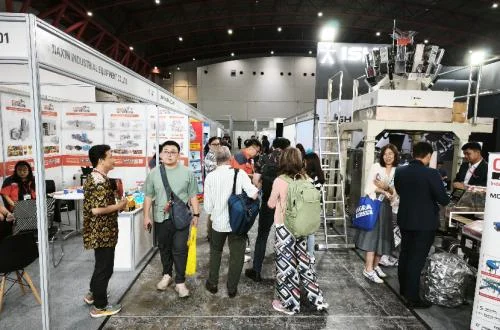
ProPak Indonesia 2026 is poised to be an unparalleled showcase of innovation, featuring 70 companies from seven different countries. The exhibition anticipates attracting approximately 6,300 professional visitors, including manufacturers, producers, engineers, R&D specialists, quality control managers, and business owners seeking the latest solutions to optimize their operations. The breadth of technologies on display will be extensive, encompassing a wide array of solutions vital for the modern F&B and packaging industries. This includes state-of-the-art processing machinery, intelligent packaging solutions (such as smart packaging, active packaging, and sustainable materials), advanced automation systems (robotics, AI-driven sorting, IoT-enabled production lines), sophisticated laboratory equipment for quality assurance, robust food safety technologies (traceability systems, hygiene solutions), and a host of other supporting innovations designed to enhance efficiency and compliance.
Beyond the expansive exhibition floor, ProPak Indonesia 2026 is curated to be a dynamic center for learning and networking. A comprehensive agenda of ancillary activities has been meticulously planned to maximize value for attendees. These include:
- Seminars and Industry Forums: Expert-led sessions delving into critical topics such as sustainable manufacturing, digitalization in F&B, supply chain resilience, and emerging market trends. These forums provide platforms for deep dives into industry challenges and opportunities.
- Business Matching Sessions: Facilitated meetings designed to connect buyers and sellers, fostering direct commercial engagements and partnership opportunities between technology providers and F&B companies.
- Global Technology Tour: Guided tours of the exhibition floor, highlighting specific innovative technologies and solutions, often with expert commentary to provide context and insight.
- Product Demonstrations: Live demonstrations of machinery and equipment, allowing visitors to witness the capabilities and operational efficiencies of new technologies firsthand.
- Packaging Design Clinic: A dedicated area offering consultations and workshops on innovative and sustainable packaging design, addressing aesthetic appeal, functionality, and environmental considerations.
These diverse activities are strategically designed not only to facilitate business collaboration but also to significantly accelerate the adoption of advanced technologies across the food and beverage sector, ensuring that Indonesian businesses remain at the forefront of global industry standards.
Strategic Partnerships and Broader Implications
The successful execution and impact of ProPak Indonesia 2026 are further bolstered by the strong support from key industry organizations and government bodies. The Ministry of Industry’s endorsement signifies the exhibition’s alignment with national industrial development goals. Furthermore, the collaboration with influential industry associations underscores the collective commitment to advancing the sector. These partners include:
- Gabungan Pengusaha Makanan dan Minuman Indonesia (GAPMMI – Indonesian Food and Beverage Association): Representing a vast network of F&B producers, GAPMMI’s involvement ensures that the exhibition addresses the practical needs and challenges faced by its members, from raw material sourcing to market access. Their insights are crucial for tailoring content and exhibits to real-world demands.
- Indonesian Packaging Federation (IPF): As the voice of the packaging industry, IPF plays a critical role in promoting innovation, sustainability, and best practices in packaging. Their collaboration highlights the intrinsic link between advanced packaging and product quality, safety, and market appeal.
- Asosiasi Sistem Rantai Pendingin Indonesia (ASRIM – Indonesian Cold Chain System Association): ASRIM’s participation emphasizes the vital importance of cold chain logistics for perishable food products, ensuring quality, reducing waste, and facilitating wider distribution both domestically and for export. This partnership reflects a holistic approach to the F&B value chain.
The implications of an event like ProPak Indonesia 2026 extend far beyond the exhibition halls. For the Indonesian economy, heightened technology adoption in the F&B sector promises several transformative benefits:
- Enhanced Competitiveness: By integrating advanced processing and packaging technologies, Indonesian F&B products can meet stringent international quality and safety standards, thereby increasing their export potential and reducing reliance on imports. This positions Indonesia as a formidable player in the global F&B market.
- Increased Productivity and Efficiency: Automation and smart manufacturing solutions lead to optimized production processes, reduced operational costs, and higher output, contributing directly to economic growth.
- Job Creation and Skill Development: While automation might initially raise concerns about job displacement, it simultaneously creates demand for new skill sets in areas like robotics programming, data analytics, and advanced maintenance, fostering a more skilled workforce. This necessitates investment in vocational training and education to prepare the future labor force.
- Sustainability and Waste Reduction: Modern packaging solutions and efficient processing technologies often incorporate sustainable practices, such as reduced material usage, recyclability, and energy efficiency, aligning with global efforts towards a circular economy and mitigating environmental impact.
- Improved Food Safety and Quality: Advanced laboratory and food safety technologies ensure stricter quality control and traceability throughout the supply chain, building consumer trust and preventing foodborne illnesses.
In conclusion, ProPak Indonesia 2026 stands as a testament to the dynamic and forward-looking nature of Indonesia’s food and beverage industry. By providing a comprehensive platform for technological exchange, strategic collaboration, and knowledge sharing, the exhibition is poised to play a crucial role in empowering the sector to achieve its ambitious growth targets, elevate its global competitiveness, and contribute significantly to the nation’s sustainable economic development in the years to come. The synergy between government vision, industry needs, and technological innovation converged at this event underscores a collective commitment to shaping a more productive, efficient, and resilient F&B landscape for Indonesia.