
Jakarta, July 21, 2024 – The National Nutrition Agency (BGN) today announced a significant restructuring of its management board responsible for overseeing the ambitious Free Nutritious Meal Program (MBG). This strategic overhaul, revealed on Tuesday, July 21, aims to enhance the program’s efficiency, transparency, and reach, reinforcing the government’s commitment to improving national health and human capital development. Deputy Head of BGN, Agustina Arumsari, confirmed that President Prabowo Subianto personally appointed five new Echelon I officials to spearhead these improvements, a move underscored by the critical importance of the MBG as a flagship initiative of the current administration. The appointments, made through a Presidential Decree, signify a robust effort to streamline the program’s operations and ensure its effective implementation across the archipelago.
Revitalizing the Flagship Program
The Free Nutritious Meal Program (MBG) stands as a cornerstone of President Prabowo Subianto’s development agenda, a key promise articulated during his presidential campaign. Designed to combat stunting, improve the nutritional status of vulnerable populations, and enhance educational outcomes, the MBG targets schoolchildren, pregnant women, and other at-risk groups with balanced, nutritious meals. The program’s success is seen as pivotal for fostering a healthier, more productive future generation in Indonesia. However, the sheer scale and complexity of such a nationwide initiative necessitate a robust and agile administrative structure. The presidential appointments reflect a proactive measure to preempt potential logistical and governance challenges, ensuring the program’s integrity and efficacy from its nascent stages.
Agustina Arumsari elaborated on the legal framework underpinning these appointments, citing Article 59 of Presidential Regulation (Perpres) No. 83 of 2024 concerning the National Nutrition Agency. This regulation grants the President the authority for direct appointments of high-ranking madya officials within the BGN, underscoring the executive’s direct involvement and priority accorded to the agency’s mission. "Yesterday afternoon, we received the Presidential Decree signed by Mr. President, appointing these individuals as high-ranking madya officials within the BGN," Agustina stated during a press conference held at the agency’s Jakarta office. The swift action to install new leadership highlights a sense of urgency to operationalize and optimize the MBG program, ensuring that its benefits reach the intended beneficiaries without delay. The ceremony to officially induct the five new officials took place this afternoon at the BGN Office, marking a new chapter in the agency’s operational capacity.
Strategic Appointments for Enhanced Governance
The newly appointed officials bring a diverse array of expertise from various government sectors, a deliberate choice aimed at creating a multi-faceted and highly competent leadership team for the BGN. This inter-agency talent infusion is expected to imbue the agency with a comprehensive understanding of public health, financial management, regulatory compliance, and public engagement – all critical components for a program of MBG’s magnitude.
The first significant appointment is Dr. Prima Yosephine Berliana Tumiur Hutapea, M.K.M., who assumes the role of Deputy for System and Governance, succeeding Tigor Pangaribuan. Dr. Prima Yosephine’s background as the former Director of Infectious Diseases at the Ministry of Health is particularly relevant. Her extensive experience in public health policy, disease prevention, and health system management positions her to develop robust, scalable, and resilient operational frameworks for the MBG. Her mandate will likely include establishing standardized procedures for meal planning, procurement, distribution, and data collection, ensuring that the program operates on a foundation of best practices and regulatory compliance. The focus on "system and governance" suggests an emphasis on creating an organized, accountable, and transparent operational backbone for the program.
Following her is Zainuri, Ak., appointed as the Deputy for Provision and Distribution, replacing Suardi Samiran. Zainuri’s previous role as the Head of the Finance Bureau at the Financial and Development Supervisory Agency (BPKP) is invaluable for this portfolio. The BPKP is renowned for its expertise in government financial oversight and auditing. His appointment signals a strong intent to ensure fiscal prudence, prevent corruption, and optimize the procurement and logistical processes involved in delivering millions of meals daily. The challenges of food supply chains, quality control, and timely delivery across Indonesia’s vast geography will demand meticulous financial planning and efficient resource allocation, areas where Zainuri’s expertise will be crucial.
The third appointee, Dr. Mariman Darto, S.E., M.Si., takes on the position of Deputy for Promotion and Cooperation. Dr. Darto previously served as an Expert Staff for Talent Management. While his prior role might seem less directly related to nutrition, the "Promotion and Cooperation" portfolio is vital for public awareness, stakeholder engagement, and partnership building. Effective communication campaigns are essential to educate communities about the benefits of nutritious meals and to encourage participation. Furthermore, fostering cooperation with local governments, non-governmental organizations, and private sector entities will be key to expanding the program’s reach and sustainability. Dr. Darto’s experience in talent management could also be leveraged to build and manage the human resources required for the program’s outreach and collaborative initiatives.
Dr. Ketut Sumedana, S.H., M.H., has been appointed as the Deputy for Monitoring and Supervision, replacing Dadang Hendrayudha. Dr. Ketut’s most recent position as the Head of the High Prosecutor’s Office for South Sumatra provides him with a strong background in legal enforcement, investigation, and oversight. This appointment underscores the government’s commitment to strict accountability and transparency within the MBG program. His role will be critical in detecting and preventing irregularities, ensuring adherence to quality standards, and safeguarding the program’s resources from misuse. The monitoring and supervision function is paramount for maintaining public trust and demonstrating the program’s effectiveness to both beneficiaries and taxpayers.
Finally, Dr. Lili Khamiliyah, S.E., M.Si., has been promoted to Principal Secretary, succeeding Sarwono. Dr. Lili Khamiliyah previously served as the Head of the General and Finance Bureau within the BGN itself. Her internal knowledge of the agency’s operations, financial procedures, and administrative mechanisms makes her an ideal choice for this central coordinating role. The Principal Secretary is responsible for the overall administrative functioning of the BGN, ensuring seamless coordination among the deputies and supporting the Head of the Agency. Her appointment represents a blend of continuity and enhanced efficiency from within the BGN’s existing talent pool.
These five new officials will work alongside the Head of BGN, Nanik Sudaryati Deyang, and the two incumbent Deputy Heads, Agustina Arumsari and Trenggono, to collectively steer the implementation of the MBG. The complete list of newly appointed officials includes:
- Dr. Lili Khamiliyah, S.E., M.Si: Principal Secretary
- dr. Prima Yosephine Berliana Tumiur Hutapea, M.K.M.: Deputy for System and Governance
- Zainuri, Ak.: Deputy for Provision and Distribution
- Dr. Mariman Darto, S.E., M.Si.: Deputy for Promotion and Cooperation
- Dr. Ketut Sumedana, S.H., M.H.: Deputy for Monitoring and Supervision
The Mandate of the National Nutrition Agency (BGN)
The National Nutrition Agency (BGN) was established under Presidential Regulation No. 83 of 2024, signaling a concentrated effort by the Indonesian government to address pervasive nutritional issues. Prior to BGN’s establishment, nutrition programs were often fragmented across various ministries and agencies, leading to coordination challenges and inefficiencies. The BGN’s creation is a strategic move to centralize and synchronize national nutrition policies and interventions, placing it at the forefront of the country’s public health strategy.
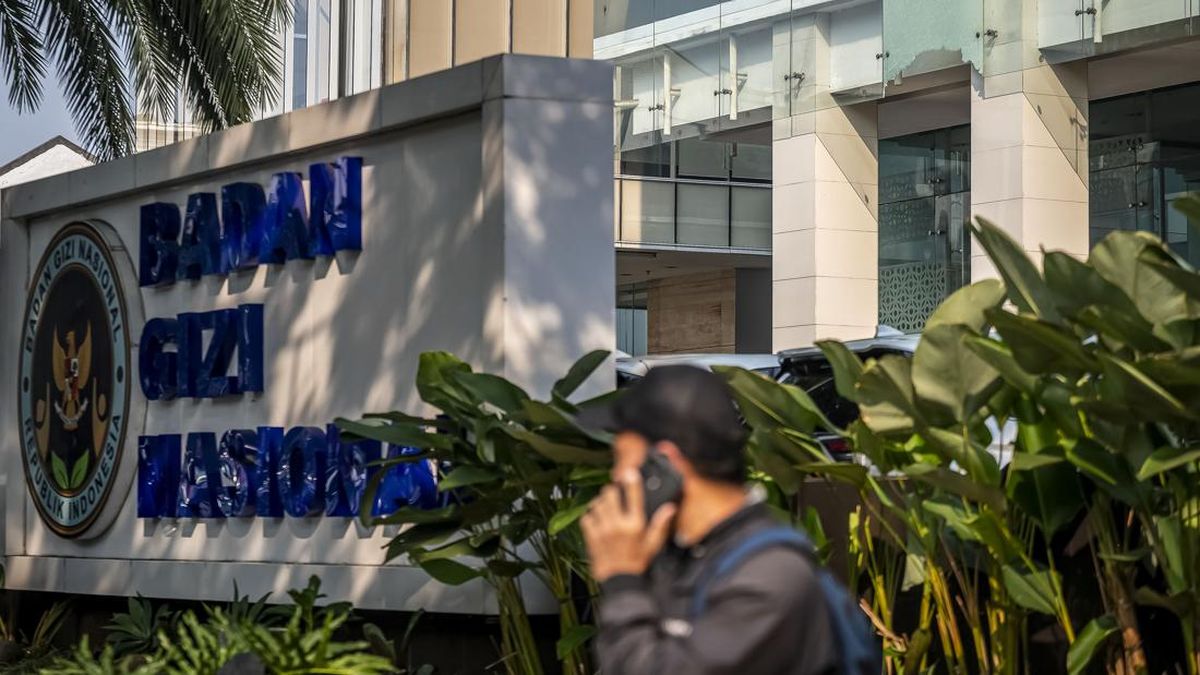
Its overarching mandate includes formulating, coordinating, and implementing policies related to nutrition, food security, and healthy lifestyles. Specifically, the BGN is tasked with designing programs like the MBG, ensuring their effective execution, and monitoring their impact. The agency plays a crucial role in data collection, research, and setting national nutritional standards. The restructuring of its leadership, particularly for a program as prominent as the MBG, underscores the government’s intention to empower BGN with top-tier talent and robust operational capabilities to fulfill this critical mandate. By consolidating expertise and authority, the BGN is expected to serve as a more effective nexus for all national efforts aimed at improving nutritional outcomes.
Addressing Indonesia’s Nutritional Challenges
Indonesia faces significant nutritional challenges, with stunting being one of the most pressing public health concerns. Stunting, defined as low height-for-age, is a chronic condition caused by prolonged undernutrition, recurrent infections, and inadequate psychosocial stimulation, primarily affecting children under five. According to the Indonesian Ministry of Health, the national stunting prevalence was around 21.6% in 2022, down from 37.2% in 2013. While progress has been made, the government has set an ambitious target to further reduce stunting to 14% by 2024, aligning with global health goals.
The implications of stunting extend far beyond physical growth. It impairs cognitive development, reduces educational attainment, lowers productivity in adulthood, and increases the risk of non-communicable diseases later in life, trapping individuals and communities in a cycle of poverty and poor health. The economic cost of stunting is also substantial, impacting national development through reduced human capital.
The Free Nutritious Meal Program (MBG) is designed as a direct intervention to tackle these issues. By providing regular, balanced meals, especially to vulnerable groups like pregnant women (to prevent stunting from conception) and schoolchildren (to improve learning capacity), the program aims to break the intergenerational cycle of malnutrition. Its success is not just measured in reduced stunting rates but also in improved school attendance, better academic performance, and overall enhanced well-being for millions of Indonesians. The strategic leadership appointments within BGN are therefore critical to ensuring that this ambitious program translates into tangible and sustainable improvements in public health.
Operationalizing the Free Nutritious Meal Program (MBG)
The operationalization of the MBG is a monumental undertaking, requiring meticulous planning and execution. The program envisions providing meals to millions of students across various educational levels, from early childhood education (PAUD) to senior high school, as well as to pregnant and lactating mothers. The types of meals will be carefully designed to meet specific nutritional requirements for different age groups, focusing on micronutrients crucial for growth and cognitive development. This could involve daily cooked meals, supplementary feeding, or the distribution of fortified food products.
Key operational challenges include:
- Logistics and Supply Chain: Ensuring the timely and safe delivery of fresh, quality ingredients and cooked meals to remote areas across thousands of islands.
- Quality Control and Food Safety: Implementing stringent standards for food preparation, storage, and distribution to prevent foodborne illnesses.
- Local Sourcing: Encouraging the use of local produce to support regional economies and ensure freshness, while also considering diverse dietary preferences.
- Community Engagement: Mobilizing local communities, parents, and school staff to support the program’s implementation and sustainability.
- Funding and Financial Management: Allocating and managing the substantial budget required for a nationwide program, ensuring transparency and accountability.
The new leadership structure, with dedicated deputies for "Provision and Distribution," "System and Governance," and "Monitoring and Supervision," directly addresses these challenges. Zainuri’s expertise in finance and auditing will be crucial for managing the program’s vast budget and procurement. Dr. Prima Yosephine’s background in public health will be essential for developing robust systems and quality control. Dr. Ketut Sumedana’s oversight capabilities will ensure adherence to regulations and prevent corruption. Together, they form a formidable team capable of navigating the complexities of large-scale public health interventions.
Expert Perspectives and Future Outlook
Observers and government officials alike view these leadership changes as a decisive step towards making the Free Nutritious Meal Program a resounding success. The appointments, particularly the inclusion of individuals with strong backgrounds in finance, law, and public health, signal a commitment to a holistic approach. Analysts suggest that the diversified expertise within the BGN’s top ranks will significantly bolster the program’s capacity to deliver, monitor, and adapt. The focus on robust governance and stringent monitoring is particularly welcomed, as large-scale public programs are often susceptible to inefficiencies and mismanagement.
"The President’s direct involvement in selecting these officials underscores the strategic importance of the MBG program to his administration," noted a senior government source, speaking on background. "It’s not just about delivering meals; it’s about building human capital, and that requires the best minds in public service."
The new leadership is expected to prioritize immediate actions to refine the MBG’s operational guidelines, strengthen inter-agency coordination, and accelerate pilot projects. Their initial focus will likely be on establishing clear performance indicators, enhancing data collection mechanisms to track progress effectively, and fostering strong partnerships with local governments and civil society organizations. The challenge remains immense, given Indonesia’s diverse geographical and socio-economic landscape. However, the deliberate composition of the new BGN leadership team suggests a well-thought-out strategy to overcome these hurdles.
The successful implementation of the Free Nutritious Meal Program has the potential to transform Indonesia’s human development trajectory. Beyond reducing stunting, it can lead to improved public health outcomes, enhanced educational attainment, and ultimately, a more productive workforce. The BGN’s revitalized leadership structure is a critical component in realizing this ambitious vision, setting the stage for a period of intense activity and hopeful progress in the nation’s fight against malnutrition. The eyes of the nation will now be on these new leaders as they embark on their mission to nourish Indonesia’s future.