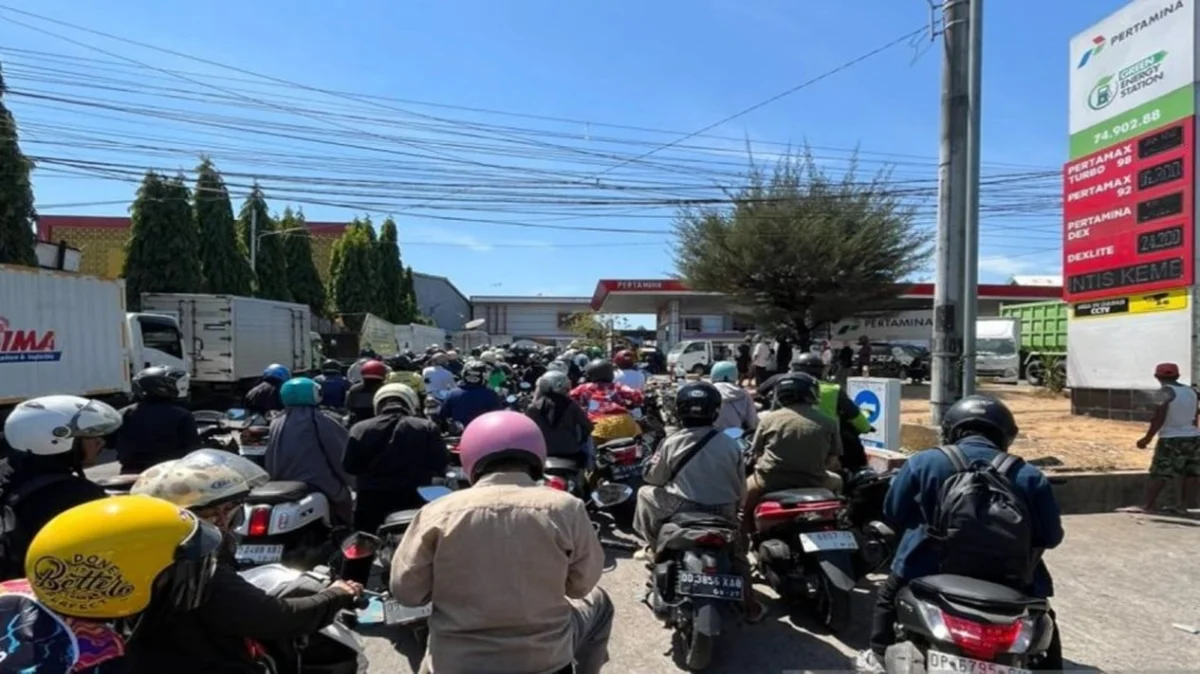
The recent surge in fuel queues across Makassar, South Sulawesi, has prompted a swift and stern response from the Indonesian government. Minister of Energy and Mineral Resources (ESDM), Bahlil Lahadalia, identified a dual-pronged crisis: a significant shift in consumer behavior from non-subsidized to subsidized fuel, and the rampant illegal modification of vehicles designed to hoard subsidized gasoline and diesel. These factors, occurring simultaneously, have strained local supply chains and disrupted the daily lives of residents, leading to traffic congestion and fuel scarcity that persisted for three days.
The Anatomy of the Fuel Crisis
The disruption, which reached its peak in mid-September 2026, saw vehicle queues at gas stations (SPBU) swell by more than 50 percent. The situation was particularly acute along major arteries such as Jalan AP Pettarani in Makassar, where long lines of motorists created significant traffic gridlock.
Minister Bahlil explained that the root of the problem lies in the economic pressure facing consumers. As global energy prices fluctuate, a segment of the population that previously utilized non-subsidized fuel has migrated toward subsidized variants to mitigate personal costs. This "shifting" effect has placed an unexpected burden on the distribution quotas allocated for subsidized fuel in the region.
Furthermore, Bahlil expressed deep frustration regarding the illicit activities of fuel hoarders. During inspections, authorities discovered that numerous trucks and private vehicles had been retrofitted with massive, unauthorized fuel tanks. Some of these modified tanks were capable of holding between 700 liters and 1,000 liters (1 ton) of fuel. By filling these tanks at subsidized prices and potentially reselling them on the black market or using them for industrial purposes, these individuals have significantly exacerbated the shortages for the general public.
"If the system is undermined by such extreme modifications, even a minister descending from the heavens could not fix the distribution issues," Bahlil remarked during the Innovation Technology for Social and Environmental Awards (InTechSEA) in Jakarta.

Chronology of Events and Government Intervention
The fuel crisis in Makassar began to escalate around September 12, 2026, as motorists reported increasing difficulties in accessing fuel at various stations. By September 14, the situation had reached a breaking point, prompting direct intervention from the central government and local authorities.
To stabilize the supply chain, the following measures were implemented:
- Supply Augmentation: Pertamina, the state-owned oil and gas company, increased the volume of fuel distribution to the region and extended the operational hours of critical SPBU locations to accommodate the surge in demand.
- Regulatory Enforcement: The South Sulawesi provincial government introduced an odd-even license plate policy for fuel purchases to manage the flow of vehicles at stations.
- Logistical Reorganization: Large commercial vehicles, such as trucks and buses, were prohibited from refueling during peak hours, mandated instead to purchase fuel during late-night or early-morning windows to prevent traffic bottlenecks.
- Law Enforcement Action: Police forces in Makassar conducted raids on vehicles suspected of having illegal tank modifications, signaling a crackdown on hoarding practices.
By the morning of September 15, these coordinated efforts began to show results. Observations at major stations in Makassar indicated that the lines had significantly receded, with only a dozen vehicles waiting at any given time, signaling a return to relative normalcy.
Broader Implications and Economic Analysis
The incident in Makassar serves as a microcosm of the systemic challenges Indonesia faces in managing energy subsidies. Subsidies are intended to be a social safety net for the vulnerable, yet they frequently fall victim to leakages caused by illegal hoarding and improper usage by non-entitled sectors.
From an economic perspective, the reliance on subsidized fuel creates a fiscal burden on the state budget (APBN). When the price gap between subsidized and non-subsidized fuel widens, the incentive for illegal arbitrage—hoarding subsidized fuel to sell at higher market prices—increases dramatically. This not only causes artificial shortages but also distorts the competitive landscape of the fuel retail market.
Energy analysts suggest that the Makassar incident underscores the urgent need for digital-based monitoring of fuel distribution. The implementation of the MyPertamina application, which links vehicle registration to fuel quotas, is a step in this direction, yet the existence of modified tanks indicates that physical enforcement remains a critical component of supply security.

Infrastructure Challenges: The Papua Incident
The fuel supply chain is further complicated by the nation’s unique geography. On the same day that the Makassar situation was brought under control, a separate incident in Papua highlighted the fragility of energy logistics in remote areas. An aircraft belonging to Aman Air, carrying approximately 3,700 liters of fuel, suffered a runway excursion (skidding off the tarmac) while landing at Mulia Airport in Puncak Jaya.
While there were no reports of casualties, the incident forced the temporary closure of the airport. This event underscores the logistical vulnerability of Eastern Indonesia, where fuel is often transported via air due to the lack of road infrastructure. The loss of 3,700 liters, while minor in the context of national consumption, represents a significant blow to the local energy supply in Puncak Jaya, illustrating how localized logistical failures can have immediate, tangible impacts on regional development.
The Path Forward for Energy Security
Minister Bahlil’s stance reflects a shift toward stricter governance. The Ministry of ESDM has pledged to continue working with the National Police to eradicate the illegal modification of vehicles. "We are committed to ensuring that our energy subsidies are targeted accurately," Bahlil stated.
The long-term success of these measures will depend on three key pillars:
- Enhanced Surveillance: Utilizing technology to track fuel consumption patterns and identify irregularities in real-time.
- Legislative Reform: Increasing the severity of penalties for those caught hoarding or illegally modifying vehicles, serving as a deterrent against future offenses.
- Public Education: Encouraging the public to report irregular activities at gas stations, fostering a culture of accountability.
As the government evaluates the effectiveness of the emergency regulations in Makassar, the lessons learned are likely to be integrated into a broader national strategy. Ensuring that energy remains affordable for the public while preventing the hemorrhaging of state funds due to theft remains one of the most complex balancing acts for the Ministry of ESDM.
In conclusion, while the immediate crisis in Makassar has been mitigated through increased supply and regulatory discipline, the underlying issues—namely the lack of awareness regarding the misuse of subsidies and the logistical hurdles in remote regions—remain pressing concerns. The dual events of September 15 serve as a stark reminder that Indonesia’s energy security is not merely a matter of supply volume, but a complex challenge of distribution, enforcement, and public compliance. The government’s ability to sustain this stability will be a key metric of its energy policy success in the coming years.