Jakarta, VIVA – The Indonesian Minister of Finance, Purbaya Yudhi Sadewa, has announced that his ministry is currently awaiting the detailed budget proposals from the National Nutrition Agency (BGN) for the ambitious Free Nutritious Meals (MBG) program. These critical financial specifications are essential for their inclusion in the Financial Note for the 2027 State Budget Draft (RAPBN), a foundational document that outlines the government’s fiscal plans for the upcoming year. The Minister underscored the urgency and importance of receiving these details promptly, as the nation prepares for the extensive implementation of a program designed to address critical nutritional deficiencies among its most vulnerable populations.
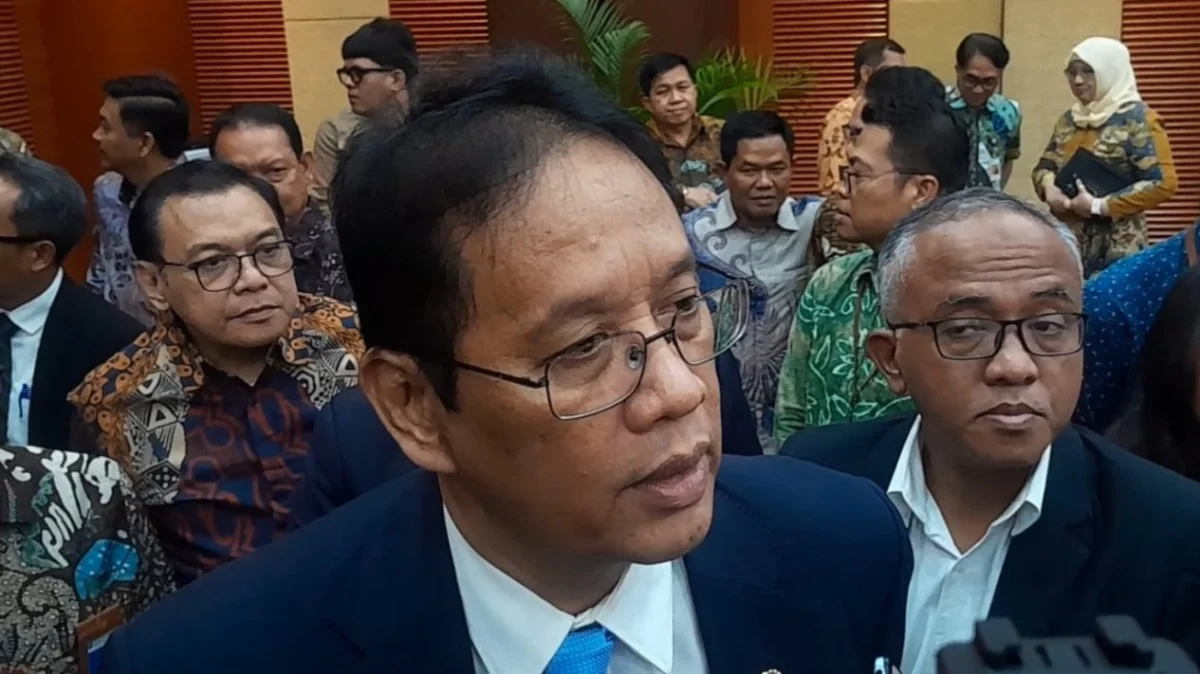
"We are still awaiting information from the Head of BGN," Minister Purbaya stated during the "APBN KITA" (Our State Budget) press conference held at the Ministry of Finance in Jakarta on Tuesday, July 21, 2026. This statement highlights the ongoing coordination between the Ministry of Finance, the nation’s chief fiscal steward, and the newly established or mandated agency responsible for executing one of the incoming administration’s flagship social programs. The interaction between these two bodies is pivotal, as it will shape not only the financial viability of the MBG program but also its operational efficiency and long-term sustainability.
Key Meeting Scheduled to Resolve Budgetary Particulars
In a move to expedite the process and gain a comprehensive understanding of the BGN’s financial requirements and operational plans, Minister Purbaya revealed that he is scheduled to hold a crucial meeting with the Head of BGN, Nanik S. Deyang, later this week. This high-level discussion, expected to take place on Thursday or Friday, will serve as a critical juncture for both entities to align their perspectives and iron out any discrepancies regarding the program’s fiscal architecture.
"If I’m not mistaken, I will meet her on Thursday or Friday to see what this year’s budget and next year’s budget look like," Purbaya elaborated. This meeting is anticipated to cover not only the proposed allocations for 2027 but also a review of any preliminary or transitional budget utilization in the current year, providing a holistic view of the program’s financial trajectory. Such discussions are fundamental in the complex process of state budget formulation, where every proposed expenditure undergoes rigorous scrutiny to ensure fiscal prudence and alignment with national development priorities.
The Free Nutritious Meals Program: A Pillar of National Development
The Free Nutritious Meals (MBG) program represents a cornerstone policy of the new presidential administration, frequently highlighted during the recent electoral campaign as a direct response to the persistent challenges of stunting and malnutrition across Indonesia. The program’s primary objective is to provide regular, balanced, and nutritious meals to school children, pregnant women, and vulnerable populations, thereby improving their health outcomes, enhancing cognitive development, and ultimately strengthening the nation’s human capital. The ambitious scale of the program, potentially targeting millions of beneficiaries across the archipelago, necessitates an unprecedented level of logistical coordination and financial oversight.
Stunting, defined as impaired growth and development that children experience from poor nutrition, repeated infection, and inadequate psychosocial stimulation, remains a significant public health issue in Indonesia. Despite progress, national stunting rates, though declining, still pose a substantial threat to the long-term productivity and well-being of future generations. The MBG program aims to dramatically accelerate the reduction of stunting by directly addressing dietary deficiencies at critical stages of child development and maternal health. This initiative aligns closely with national development goals and global Sustainable Development Goals (SDG 2: Zero Hunger and SDG 3: Good Health and Well-being), underscoring Indonesia’s commitment to improving the welfare of its citizens.
Addressing Governance and Data Integrity for Program Efficiency

Crucially, the BGN is currently engaged in a significant undertaking to refine its "tata kelola" or governance framework. This comprehensive effort focuses on improving the accuracy of data related to the number of beneficiaries, the precise distribution points, and the incentives for its Satuan Pelaksana Program Gizi (SPPG), or Nutrition Program Implementing Units/Personnel. The meticulous attention to these details is not merely an administrative exercise but a fundamental step towards ensuring the program’s effectiveness and preventing potential leakage or mismanagement of funds.
Accurate beneficiary data is paramount to ensuring that meals reach the intended recipients, thereby maximizing the program’s impact and minimizing waste. Similarly, clearly defined and strategically located distribution points are essential for efficient logistics, especially in a geographically diverse nation like Indonesia, which comprises thousands of islands. Furthermore, appropriate incentives and robust oversight for the SPPG – who are often on the front lines of meal distribution in schools, health centers, and community hubs – are vital to maintaining motivation, ensuring adherence to quality standards, and upholding accountability.
This improvement in governance is framed as a preliminary, yet indispensable, step towards achieving potential budget trimming or efficiency gains for the MBG program. The rationale is clear: by establishing a robust and transparent operational framework, the BGN can more accurately assess its needs, identify areas for optimization, and present a budget that is not only comprehensive but also fiscally responsible. Minister Purbaya affirmed this approach, stating, "So regarding the numbers, 170 and so on, we are still waiting." This indicates that the specific metrics and scale of the program, such as the exact number of meals or beneficiaries targeted, are contingent upon the refinement of BGN’s internal governance and data systems. The "170 and so on" likely refers to initial, perhaps aspirational, figures that now require validation through improved data integrity.
Ministry of Finance’s Robust Oversight Mechanism
Recognizing the immense scale and potential fiscal implications of the MBG program, Minister Purbaya had previously taken proactive measures by establishing a special task force. This dedicated team is specifically charged with overseeing the utilization of the MBG budget, leveraging the extensive networks of the Directorate General of Treasury (DJPb) and the Directorate General of State Assets (DJKN). The reach of this oversight extends across the entire nation, penetrating down to the kabupaten/kota (regency/city) levels, ensuring granular scrutiny of expenditures and operations.
The Ministry of Finance’s commitment to accountability is further demonstrated by its plan for regular evaluations. The implementation of the program and the absorption of its allocated budget will be assessed bi-monthly, providing a continuous feedback loop that allows for timely adjustments and interventions. This rigorous monitoring framework is designed to detect and address any irregularities or inefficiencies promptly. Minister Purbaya explicitly stated that the government would adopt a zero-tolerance policy towards any SPPG found to be problematic or engaging in misconduct during the program’s execution. This firm stance underscores the government’s resolve to safeguard public funds and ensure the program’s integrity.
Beyond mere oversight, the Ministry of Finance has also expressed its readiness to provide direct support to the BGN. Should the National Nutrition Agency require assistance in financial management, the Ministry is prepared to offer human resources expertise in the field of finance. This collaborative approach aims to strengthen BGN’s institutional capacity, ensuring that it is equipped with the necessary financial acumen to manage a program of this magnitude effectively and transparently. This offer of support highlights the MoF’s dual role: not just as a watchdog, but also as a strategic partner in capacity building for other government agencies.
The Broader Fiscal Landscape and Budget Cycle
The submission of BGN’s budget details for the MBG program is an integral part of Indonesia’s comprehensive annual budget cycle. The process begins with the preparation of the Draft State Budget (RAPBN) and its accompanying Financial Note (Nota Keuangan) by the government, which is then submitted to the House of Representatives (DPR) for deliberation and approval. This intricate process typically unfolds over several months, involving extensive consultations, negotiations, and revisions between various ministries, government agencies, and parliamentary commissions.
The Ministry of Finance plays a central role in this cycle as the primary custodian of the nation’s fiscal health. Its mandate includes ensuring that proposed expenditures are realistic, sustainable, and aligned with macroeconomic stability objectives, such as maintaining a healthy budget deficit-to-GDP ratio and managing public debt responsibly. The sheer size and novelty of the MBG program mean that its financial demands will be closely scrutinized against other competing priorities, including infrastructure development, education, healthcare, and existing social safety nets. The ongoing discussions about potential budget reallocations or cuts in other sectors, such as those alluded to regarding the TNI-Polri budget, underscore the tight fiscal environment and the need for judicious resource allocation across all government programs.

Stakeholder Perspectives and Expectations
The MBG program carries immense public expectations and is under close observation from various stakeholders. From the perspective of the National Nutrition Agency, the challenge lies in translating a broad policy vision into a concrete, implementable, and fiscally responsible plan. Head of BGN, Nanik S. Deyang, is expected to articulate a clear strategy that demonstrates efficient use of resources, robust monitoring mechanisms, and a commitment to achieving the program’s ambitious nutritional targets. Her upcoming meeting with Minister Purbaya will be a crucial opportunity to present a compelling case for the proposed budget and demonstrate BGN’s readiness to manage the program effectively.
Within the House of Representatives (DPR), members are anticipated to demand full transparency and accountability for the MBG budget. Parliamentary commissions responsible for finance, health, and social affairs will likely conduct thorough hearings, questioning the program’s design, cost-effectiveness, and anticipated impact. They will seek assurances that the funds are allocated judiciously and that there are adequate safeguards against corruption and inefficiency. The public, too, holds high hopes for the MBG program, viewing it as a tangible commitment from the new administration to improve the lives of ordinary citizens. Civil society organizations and nutrition experts will be keen to monitor the program’s implementation, assess its impact on stunting rates, and advocate for evidence-based adjustments.
Implications for National Development and Public Trust
The successful implementation of the Free Nutritious Meals program has profound implications for Indonesia’s national development trajectory. By investing in early childhood nutrition, the government aims to create a healthier, more productive future workforce, thereby boosting long-term economic growth and reducing health disparities. Conversely, any significant missteps in the program’s execution – whether due to budgetary mismanagement, logistical failures, or issues of governance – could not only squander valuable public resources but also erode public trust in government institutions and the new administration’s capacity to deliver on its promises.
From a fiscal sustainability perspective, the MBG program, given its potentially massive scale, necessitates careful integration into the national budget without jeopardizing macroeconomic stability. The Ministry of Finance’s insistence on detailed budgetary submissions and robust oversight is a reflection of this commitment to fiscal prudence. The negotiations between the MoF and BGN are therefore not just about numbers; they are about defining a responsible and effective path forward for a program that could redefine social welfare in Indonesia.
Looking Ahead: Critical Juncture for MBG
The upcoming meeting between Minister Purbaya Yudhi Sadewa and Head of BGN Nanik S. Deyang marks a critical juncture for the Free Nutritious Meals program. The outcome of these discussions will largely determine the clarity and comprehensiveness of the MBG budget proposal to be incorporated into the 2027 State Budget Financial Note. It will also set the tone for future inter-agency collaboration and the overarching approach to managing large-scale social programs under the new administration. As Indonesia navigates its development agenda, ensuring that flagship initiatives like MBG are underpinned by sound financial planning, transparent governance, and rigorous oversight will be paramount to achieving their intended transformative impact on the nation’s health and prosperity. The eyes of the nation, and indeed international observers, will be closely watching how this ambitious program takes shape from paper to plate.