The landscape of modern higher education and early career development is undergoing a profound transformation, driven by the rapid democratization of digital technology and the borderless nature of the internet economy. No longer do ambitious undergraduates wait for the traditional cap-and-gown ceremony to step into the professional arena. Instead, a burgeoning demographic of digitally native students is leveraging their acquired technical proficiencies to launch scalable business ventures directly from their dorm rooms or campus libraries. This contemporary shift is redefining the transition from academia to the workforce, allowing young entrepreneurs to accumulate invaluable commercial experience years before receiving their diplomas.
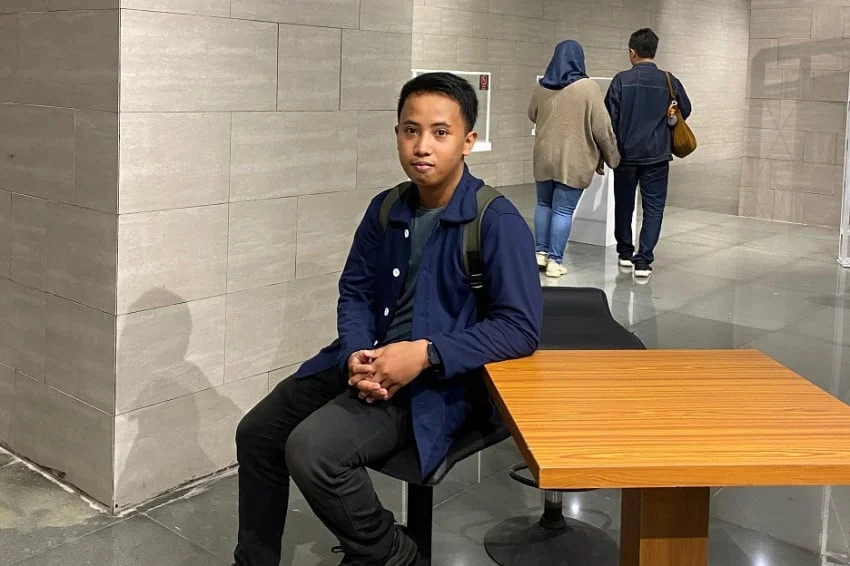
Among this new wave of student-entrepreneurs is Moch Dzikry Nur Alam, an undergraduate student majoring in Communication Science at the 17 August 1945 University (Untag) in Surabaya, Indonesia. Balancing the rigorous academic demands of a social science degree with the fast-paced, high-stakes environment of enterprise-level digital marketing, Dzikry has successfully established and scaled masdzikry.com, a specialized digital agency offering website optimization and professional content writing services. His journey from a solitary hobbyist blogger to a recognized micro-agency founder servicing small and medium-sized enterprises (SMEs) serves as a compelling case study of modern youth entrepreneurship, digital self-education, and the perennial struggle of time management in the gig economy.
The Genesis of a Digital Entrepreneur: From Passion to Profession
The foundation of Dzikry’s professional venture was not laid in a business incubator or a corporate board meeting, but rather in the quiet dedication of personal blogging. Long before he enrolled at Untag Surabaya, Dzikry immersed himself in the intricacies of the digital publishing ecosystem. In 2019, while still navigating his secondary education years, he launched his personal blog. Rather than treating the platform merely as an online diary, he utilized it as a live laboratory to test and refine various digital strategies.
During this formative period, Dzikry became deeply fascinated by search engine optimization (SEO) and content architecture. Without formal instruction or expensive institutional training, he adopted an entirely otodidak—or self-taught—approach. He spent countless hours analyzing search engine algorithms, studying keyword density, experimenting with meta tags, and understanding user intent. This hands-on experimentation allowed him to grasp the core mechanics of how digital content gains visibility in an increasingly saturated online marketplace.
As his technical proficiency grew, so did the quality and reach of his digital output. By the time he successfully matriculated into the Communication Science program at the 17 August 1945 University Surabaya, his informal hobby had begun to attract external attention. Local businesses, particularly micro, and small enterprises struggling to establish a meaningful footprint in the digital domain, began reaching out for guidance. Recognizing an untapped market demand and possessing the practical skills required to fulfill it, Dzikry transitioned his passion project into a formal, revenue-generating service, officially birthing masdzikry.com.
The Complex Realities of Dual Obligations: Academics Versus Entrepreneurship
While the external narrative of running a successful enterprise while studying presents a glamorous picture of modern independence, the day-to-day reality is fraught with immense logistical challenges. For Dzikry, navigating the parallel worlds of higher education and client service delivery requires a delicate and often exhausting balancing act.
University life demands strict adherence to attendance policies, exhaustive reading assignments, group projects, and examination preparations. Simultaneously, running a digital agency means responding promptly to client inquiries, managing tight content publication deadlines, auditing website performance metrics, and resolving technical search engine penalties. Inevitably, these two demanding spheres frequently collide.
Rather than maintaining a pristine schedule, Dzikry has had to adopt a pragmatic, crisis-management approach to his workflow. When academic deadlines and client deliverables overlap, the immediate casualty is frequently his own personal downtime. Sleep deprivation has become an occasional tactical tool rather than an exception, a reality shared by many young entrepreneurs who attempt to bootstrap their ventures without external funding or dedicated administrative support.
Reflecting on his operational strategy, Dzikry candidly addresses the imperfections of his time management framework. “I do not yet have a neat time management system in place,” Dzikry noted. “The only thing I maintain is a strict rule: ensure that no single responsibility is completely neglected over the course of a week.” This minimalist approach to life-work integration underscores the sheer resilience required to sustain a business while fulfilling the requirements of an undergraduate degree.
The Broader Economic Context: The Rise of Student-Led Micro-Agencies in Indonesia
Dzikry’s trajectory is not an isolated anomaly, but rather a reflection of broader macroeconomic trends sweeping across Indonesia and the wider Southeast Asian region. According to recent labor market and digital economy reports, the proliferation of affordable smartphones, widespread mobile internet penetration, and accessible cloud-based software tools have drastically lowered the barriers to entry for digital service businesses.
For Indonesian university students facing a competitive national job market where formal entry-level positions often require years of prior experience, entrepreneurship has shifted from a lifestyle choice to a strategic career accelerator. By establishing agencies focused on SEO, social media management, graphic design, and copywriting, students can build verifiable portfolios that often carry significantly more weight with prospective employers than a standard academic transcript alone.
Furthermore, the target clientele of these student-led agencies—specifically micro, small, and medium-sized enterprises (MSMEs)—forms the backbone of the Indonesian economy. MSMEs account for more than 60 percent of Indonesia’s Gross Domestic Product (GDP) and absorb the vast majority of the national workforce. However, a significant percentage of these traditional businesses struggle with digital transformation, lacking the internal capital required to hire expensive, established corporate advertising agencies. Student practitioners like Dzikry bridge this critical market gap, offering agile, cost-effective digital optimization services that empower local merchants to compete in an increasingly digitalized economy.
Industry Implications and Future Outlook
The rise of undergraduate entrepreneurs operating professional digital agencies carries profound implications for both higher education institutions and the corporate landscape.
From an academic perspective, universities are increasingly recognizing the necessity of blending theoretical classroom instruction with practical, experiential learning opportunities. Traditional curricula in fields such as communication, marketing, and business management are evolving to accommodate the realities of the digital gig economy. Institutions are beginning to offer flexible scheduling, entrepreneurship credits, and incubator spaces to support students who are actively building commercial enterprises before graduation.
From an industry perspective, employers are placing a premium on candidates who demonstrate self-starter qualities, project management capabilities, and tangible proof of execution. Running an agency requires multifaceted competencies that traditional classroom settings rarely teach: client negotiation, financial budgeting, dispute resolution, and continuous technical adaptation in the face of shifting search engine algorithms. Dzikry’s experience with masdzikry.com provides him with a competitive edge that extends far beyond textbook theories of public relations or media studies.
As the digital economy continues to mature, the trajectory of student-led ventures like masdzikry.com highlights a fundamental shift in how young professionals approach career development. By taking early initiative, utilizing self-directed learning models, and directly addressing the digital needs of local enterprises, students are no longer waiting for the future to begin. They are actively constructing it, one optimization project and academic semester at a time.