The recent volcanic activity of Mount Anak Krakatau has blanketed surrounding regions in thick layers of abrasive volcanic ash, presenting hidden yet severe mechanical threats to automobiles and motorcycles that extend far beyond simple exterior cosmetic damage. While most vehicle owners instinctively rush to wash the exterior paintwork and windows, automotive experts and geological agencies warn that microscopic, jagged volcanic particles infiltrate critical internal systems, posing long-term risks to engine longevity, braking efficiency, and electrical reliability. Unlike common urban dust or organic pollen, volcanic ash consists of pulverized rock and glass fragments. These hard, angular particles act as an abrasive compound capable of accelerating wear on moving parts, clogging vital filtration systems, and compromising safety-critical components if left unaddressed. As transport authorities and disaster mitigation agencies manage the immediate fallout of the eruption, vehicle owners in affected zones face the imperative task of conducting thorough multi-point technical inspections. Understanding the mechanics of volcanic ash contamination helps prevent catastrophic engine failures, costly repairs, and potential safety hazards on compromised roadways.
Chronology and Background of the Eruptive Event
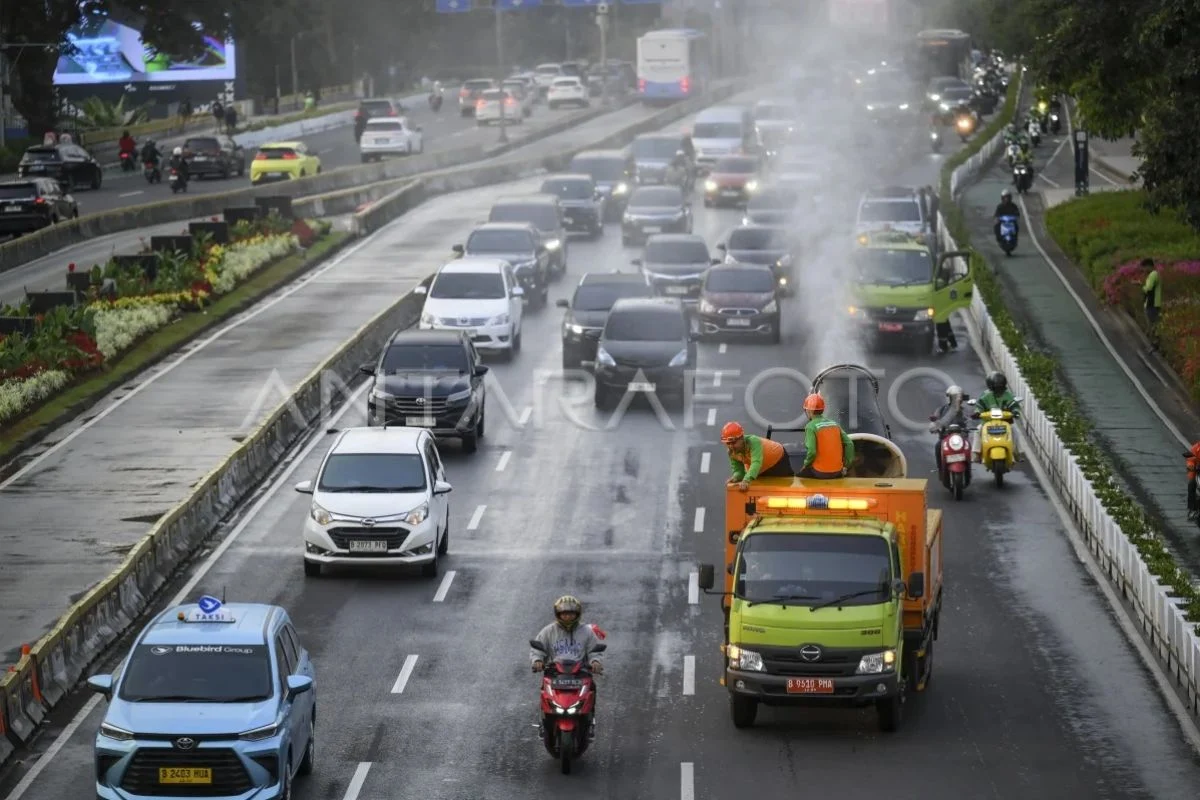
Mount Anak Krakatau, situated in the Sunda Strait between the islands of Java and Sumatra, has historically demonstrated volatile behavior since its emergence from the caldera of the legendary Krakatau in 1927. The recent eruptive phase began with intermittent strombolian explosions, eventually escalating into sustained ash emissions that propelled dark volcanic plumes thousands of meters into the atmosphere. Prevailing wind patterns carried these fine-grained mineral particulates across coastal settlements and major thoroughfares in the surrounding provinces, triggering widespread environmental precautions. Volcanologists and disaster response units closely monitored the seismic tremors preceding the eruption, issuing localized aviation alerts and public health advisories regarding respiratory protection and outdoor mobility. As the ash fallout settled over densely populated sectors, municipal governments deployed tactical units—such as the specialized Armored Water Cannon (AWC) vehicles typically utilized by security forces—to clear thick deposits from major arterial roads and prevent infrastructural gridlock. Amid these emergency measures, private and commercial vehicle operators found themselves navigating hazardous environments where airborne and settled ash continuously threatened mechanical operations. Geological surveys, including guidelines established by the United States Geological Survey (USGS), emphasize that even relatively minor exposures to volcanic ash can compromise mechanical integrity if vehicles are operated without proper post-event servicing.
The Abrasive Nature of Volcanic Particulates
The primary danger volcanic ash poses to machinery stems from its chemical composition and physical morphology. Composed primarily of silica, glass shards, and pulverized rock, volcanic ash exhibits a hardness rating that easily surpasses standard organic dust. When dry ash accumulates on a vehicle and is improperly wiped or blown away with compressed air, the friction generates microscopic abrasions across clear coats, windshield glass, and rubber seals. More critically, these abrasive particles bypass standard environmental defenses during vehicle operation, entering air intakes, brake assemblies, and ventilation ducts. Once inside enclosed mechanical spaces, the high-pressure and high-friction environment transforms the ash into a grinding compound. Bearings, piston rings, cylinder walls, and valve guides experience accelerated wear when contaminated with silica-rich particulate matter. Furthermore, when volcanic ash mixes with atmospheric moisture or rain, it can form a dense, cement-like crust that restricts airflow, traps heat, and, in certain electronic environments, exhibits conductive properties that risk short-circuiting sensitive onboard control units. Consequently, automotive engineers and maintenance specialists strongly advise against superficial cleaning methods, advocating instead for systematic inspections of seven core vehicular subsystems.
- Engine Air Intake and Filtration Systems
The engine air filter serves as the primary line of defense against airborne debris, making it exceptionally vulnerable during a heavy ash fall. Volcanic ash rapidly chokes the porous material of paper or cotton air filters, severely restricting the volumetric efficiency of the airflow required for internal combustion. If a vehicle is driven through active ash plumes, the high suction force can pull fine particulates deep into the intake tract, eventually overwhelming the filtration barrier. Once past the filter, abrasive silica particles infiltrate the combustion chambers, scoring cylinder walls and destroying piston rings—a phenomenon documented extensively in geological and automotive engineering literature. Vehicle owners residing in affected zones must immediately inspect their air filter housings. If the element is heavily caked with gray sediment or shows signs of structural degradation, a complete replacement is mandatory rather than a superficial shake-out, which often fails to remove deeply embedded micro-particles.
- Braking System Vulnerabilities
Friction materials within automotive braking systems operate under intense mechanical stress, relying on precise clearances between brake pads, rotors, drums, and calipers. When volcanic ash infiltrates these assemblies, the hard mineral particles embed themselves into the friction material of the brake pads. This contamination leads to accelerated scoring of brake rotors, diminished stopping power, audible squealing, and potential brake fade under sustained application. Vehicles operated continuously on ash-covered roads accumulate significant particulate deposits around the wheel hubs and caliper slides. Technicians recommend comprehensive disassembly, inspection, and cleaning of the braking system using specialized brake cleaner solvents to flush out abrasive residues before they compromise hydraulic seals or accelerate hardware wear.
- Radiator Fins and Engine Cooling Efficacy
Maintaining optimal operating temperatures requires unobstructed airflow through the radiator core and condenser fins. Volcanic ash possesses a high surface-area-to-volume ratio, allowing it to adhere tightly to metallic cooling fins, especially when damp. This accumulation creates an insulating thermal blanket that impedes heat dissipation from the engine coolant to the ambient atmosphere. As a result, engines operating in ash-heavy environments are at a heightened risk of overheating, which can lead to warped cylinder heads, blown head gaskets, and total engine seizure. Post-event maintenance must include a careful visual and physical inspection of the vehicle’s front grille and radiator assembly, followed by low-pressure water rinsing—directed carefully to avoid bending delicate aluminum fins—to restore proper thermal exchange.
- Cabin Air Filtration and Air Conditioning Infrastructure
The vehicular interior is far from immune to the infiltration of fine volcanic particulates. The heating, ventilation, and air conditioning (HVAC) system draws ambient air through a cabin air filter before distributing it to the passenger compartment. Volcanic ash easily penetrates these pathways, clogging cabin filters and coating evaporator and heater cores with fine dust. Operating the climate control system without inspection can circulate irritating mineral dust into the cabin, aggravating respiratory conditions among occupants and generating persistent odors. Furthermore, particulate accumulation on the HVAC blower motor bearings can cause premature motor failure. Owners should inspect and replace the cabin air filter promptly while utilizing the HVAC’s internal recirculation mode to minimize external intake during active ash conditions.
- Windshields, Glass Surfaces, and Wiper Blade Preservation
One of the most common and easily avoidable forms of vehicular damage during a volcanic event occurs on the glass surfaces. Motorists frequently commit the error of activating windshield wipers or spraying washer fluid over dry, ash-covered glass. Because volcanic ash acts as an industrial-grade abrasive, dragging rubber wiper blades across dry mineral deposits creates deep, permanent scratches across the windshield and rear glass, while simultaneously ruining the wiper blades themselves. Correct protocol mandates thoroughly flushing the glass with copious amounts of low-pressure water or specialized automotive shampoo to float the abrasive particles away before attempting any mechanical wiping or cleaning action.
- Electrical Architecture and Alternator Integrity
Modern vehicles rely extensively on complex electronic control units (ECUs), wiring harnesses, sensors, and charging systems. While sealed against normal weather conditions, engine bays are not hermetically sealed against ultra-fine volcanic dust. When heavy ash enters the engine compartment, it settles over alternators, starter motors, fuse boxes, and sensor connectors. Under dry conditions, this dust acts as a mild insulator, but when combined with humidity or rain, the mixture can become mildly conductive. Conductive ash deposits create unintended electrical pathways, leading to sensor malfunctions, battery drain, erratic dashboard warnings, and potential alternator failure. Technicians advise professional engine bay detailing and inspection using non-conductive electrical contact cleaners for vehicles exposed to dense ash accumulations.
- Lubrication Systems and Internal Engine Contamination
Perhaps the most critical mechanical concern is the potential contamination of engine oil and internal moving parts. If compromised air filters allow volcanic ash to breach the induction tract, microscopic silica particles mix directly with engine oil via blow-by gases or direct entry through worn seals. Once suspended in engine oil, these abrasive particles circulate through the oil pump, gallery passages, and bearings, effectively turning the lubricant into a liquid grinding paste. The USGS and mechanical engineers caution that even minuscule concentrations of volcanic ash within an engine oil reservoir can trigger catastrophic internal wear within a remarkably short operational window. Vehicles subjected to heavy ash storms should undergo an immediate engine oil and filter change alongside the air filter replacement to purge any ingested contaminants.
Best Practices for Post-Eruption Vehicle Remediation
Mitigating the risks posed by volcanic ash requires disciplined adherence to correct cleaning and operational protocols. Industry standards dictate that vehicle owners must avoid aggressive dry-brushing or wiping of painted surfaces, as the sliding friction of abrasive particles against clear coats creates permanent swirl marks and micro-scratches. Similarly, utilizing high-pressure air hoses to blow away dry ash is discouraged, as this practice aerosolizes the hazardous particulates, increasing inhalation risks for operators and driving the microscopic debris deeper into vulnerable mechanical crevices. Instead, the vehicle should be thoroughly soaked with a gentle, low-pressure stream of water to saturate and loosen the ash deposits, allowing them to slide safely off the body panels without mechanical friction. For vehicles subjected to heavy, prolonged ash fall, transportation authorities strongly advise restricting unnecessary travel until municipal cleaning operations restore baseline road safety. By pairing careful exterior decontamination with comprehensive internal inspections of air filters, braking systems, cooling networks, and lubrication fluids, vehicle owners can successfully safeguard their investments and ensure dependable mechanical operation in the aftermath of natural geological events.