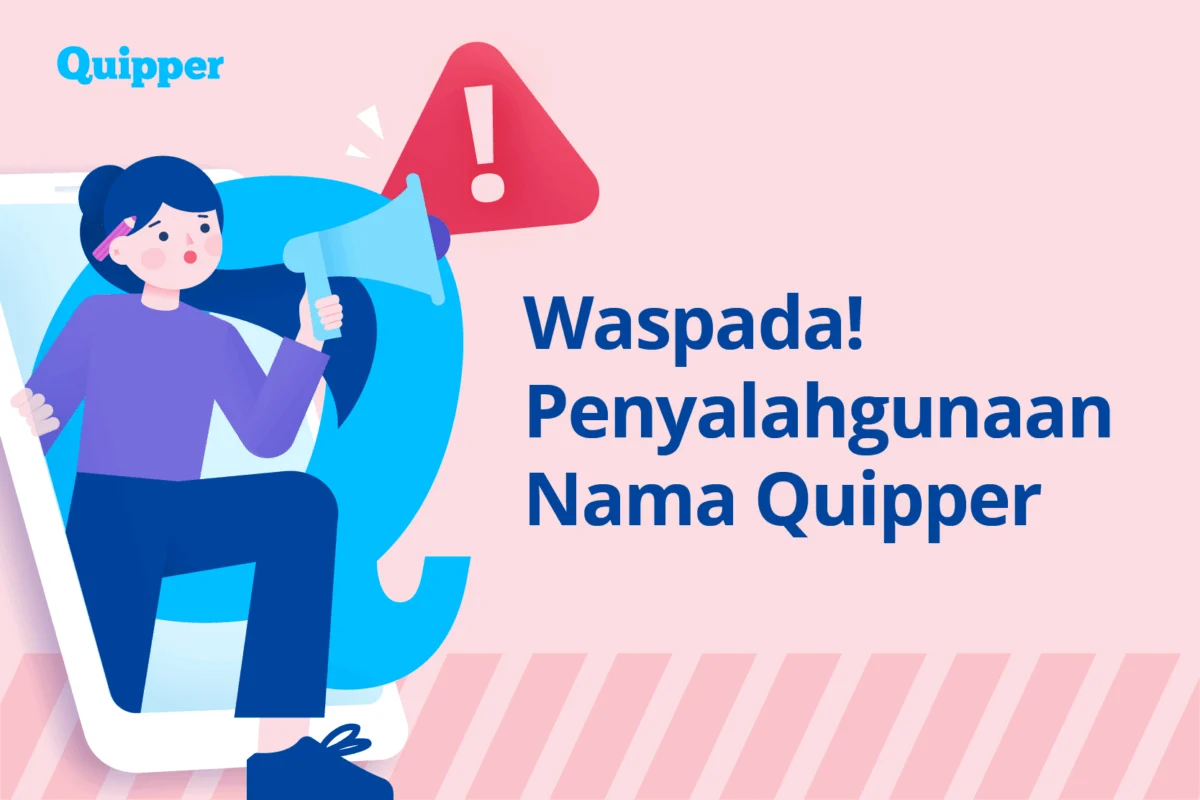
PT Quipper Edukasi Indonesia, a leading education technology provider operating under the brand name Quipper, has issued a formal public advisory warning stakeholders against the unauthorized use of its corporate identity. The warning, directed primarily at teachers, students (Quipperian), and parents, comes amid a rising trend of digital impersonation and fraudulent schemes targeting the education sector. The company emphasized that its name, logo, and various corporate attributes are being exploited by third parties without authorization, potentially leading to financial fraud and data breaches.
In an official statement released through its communication channels, the management of PT Quipper Edukasi Indonesia underscored the necessity for heightened vigilance. The advisory serves as a preemptive measure to protect the integrity of the educational ecosystem and ensure that users interact only with verified representatives of the company. As digital transformation in Indonesian education accelerates, the risk of sophisticated "brandjacking"—where scammers pose as reputable entities to harvest data or solicit funds—has become a critical concern for EdTech firms nationwide.
Context of the Surge in Digital Impersonation
The warning from Quipper does not exist in a vacuum. It reflects a broader security challenge facing the Indonesian digital economy. According to data from the National Cyber and Crypto Agency (BSSN) and the Ministry of Communication and Informatics (Kominfo), reports of identity theft and brand impersonation have seen a significant uptick over the last two years. The education sector, which handles sensitive personal data of minors and maintains high levels of trust with the public, has become a prime target for cybercriminals.
Scammers often utilize "social engineering" tactics, creating fake social media profiles, WhatsApp groups, or websites that mirror the aesthetic of legitimate companies. By leveraging the established trust of a brand like Quipper, which has a massive footprint in schools across Indonesia, bad actors can easily deceive unsuspecting users into revealing login credentials or participating in fraudulent financial schemes.
The Threat of Illegal Online Lending and Investment Scams
One of the most critical components of Quipper’s warning is its explicit denial of any involvement in online lending (locally known as "pinjol"), investment programs, or fund distribution. This clarification is particularly relevant given the current socio-economic climate in Indonesia, where illegal online lending has become a systemic issue. The Financial Services Authority (OJK) has identified and blocked thousands of illegal lending entities that often use aggressive tactics and exorbitant interest rates.
By clarifying that Quipper does not engage in any financial disbursement or credit services, the company aims to sever any perceived link between its educational services and the predatory lending market. Fraudsters have been known to contact individuals claiming that an "educational grant" or "subscription refund" is available, only to lure them into a high-interest loan trap. Quipper’s stance is clear: any financial transaction or service claiming to be from the company that involves lending or investment is fraudulent.
Verified Communication Protocols and Domain Integrity
To combat the spread of misinformation, PT Quipper Edukasi Indonesia has outlined strict protocols for its official communications. The company stated that all legitimate correspondence from its employees and management is conducted exclusively through the official domain: @quipper.com. This is a vital technical distinction, as scammers frequently use free email services (such as Gmail or Yahoo) or "look-alike" domains that might differ by a single character from the original.
Furthermore, Quipper clarified that all official contacts are managed by internal teams and are listed clearly on the official Quipper platform. Users are urged to cross-reference any incoming communication with the contact details provided on the company’s verified website and mobile application. This "verify-before-trust" approach is considered the first line of defense against phishing attacks that aim to compromise user accounts.
Personal Responsibility and Corporate Liability
The advisory also addresses a complex legal and administrative area: the distinction between corporate actions and the personal conduct of individuals. Quipper stated that any personal financial activities, including private loans or transactions conducted by any individual—even if they are employees of the company—remain the sole responsibility of the parties involved.
The company explicitly declared that it bears no liability for risks arising from such private interactions. This serves as a protective measure for the corporate entity, ensuring that the company’s assets and reputation are not held hostage by the private legal or financial disputes of its staff. By setting this boundary, Quipper reinforces the message that all official business is conducted through formal, transparent corporate channels rather than informal or personal arrangements.
Compliance with the Personal Data Protection (PDP) Law
In the wake of Indonesia’s enactment of the Personal Data Protection Law (UU PDP), Quipper has reiterated its commitment to data privacy. The company maintains that the confidentiality of user data is a top priority. According to the advisory, if any data needs to be shared with third parties for legitimate service delivery, the company will always seek explicit written consent from the data owner.
This commitment is crucial for maintaining the trust of the "Quipperian" community. In an era where data is often described as the "new oil," the unauthorized harvesting of student and teacher information can lead to long-term identity theft risks. Quipper’s adherence to PDP standards ensures that the company remains a safe environment for digital learning, distancing itself from the data-sharing scandals that have plagued other sectors of the digital economy.
Chronology of Preventive Measures and Legal Recourse
While the company did not cite a specific single incident that triggered the warning, the timing suggests a proactive response to the seasonal increase in academic activity, such as exam preparations and new school year registrations, periods when EdTech usage typically spikes.
The chronology of Quipper’s safety initiatives includes:
- Regular Security Audits: Periodic reviews of internal data handling and external communication channels.
- Public Literacy Campaigns: Continuous education for users on how to identify official vs. fraudulent content.
- Collaboration with Authorities: PT Quipper Edukasi Indonesia has signaled its readiness to take legal action. The company stated that it will handle cases of fraud or brand misuse through official legal channels to ensure that perpetrators are held accountable under the ITE (Electronic Information and Transactions) Law.
Expert Analysis: The Psychology of Brand Trust in Education
Cybersecurity analysts point out that scammers target EdTech companies because the relationship between a teacher and an educational platform is built on a high degree of professional trust. When a message appears to come from a platform used daily for classroom management, the recipient’s "threat radar" is often lower than it would be for a random financial email.
"The education sector is a ‘soft target’ because the focus is on learning, not necessarily on technical security," says one digital forensics expert. "By issuing this warning, Quipper is essentially empowering its users with ‘digital hygiene’ skills. Understanding that an EdTech company will never ask for a loan or use a non-corporate email is a simple but effective shield."
Implications for the EdTech Industry in Indonesia
The proactive stance taken by PT Quipper Edukasi Indonesia sets a benchmark for other players in the Indonesian EdTech space. As the industry matures, the responsibility of providers shifts from merely delivering content to ensuring the total safety of the digital environment.
The implications of this warning are twofold:
- For Users: It serves as a reminder that the digital world requires constant vigilance. Teachers and students are encouraged to report any suspicious activity immediately to Quipper’s official support channels.
- For the Industry: It highlights the need for a unified front against cybercrime. As more companies adopt strict verification protocols, it becomes harder for scammers to find success in the education vertical.
Conclusion and Recommendations for Stakeholders
PT Quipper Edukasi Indonesia concludes its advisory by reaffirming its commitment to the security and trust of its customers and employees. The company’s message is a call to action for the entire educational community to prioritize safety in their digital interactions.
To ensure safety, stakeholders are advised to:
- Always check the sender’s email address for the @quipper.com domain.
- Never share passwords, OTPs, or sensitive personal information via chat apps or unofficial forms.
- Disregard any offers for loans, investments, or "quick cash" that use the Quipper name.
- Report any suspicious social media accounts or websites to the official Quipper help center.
By maintaining these standards, Quipper aims to preserve its role as a secure and reliable partner in Indonesia’s journey toward digital educational excellence. The company remains dedicated to its mission of bringing world-class education to every corner of the archipelago, while simultaneously fortifying its defenses against the evolving threats of the digital age.