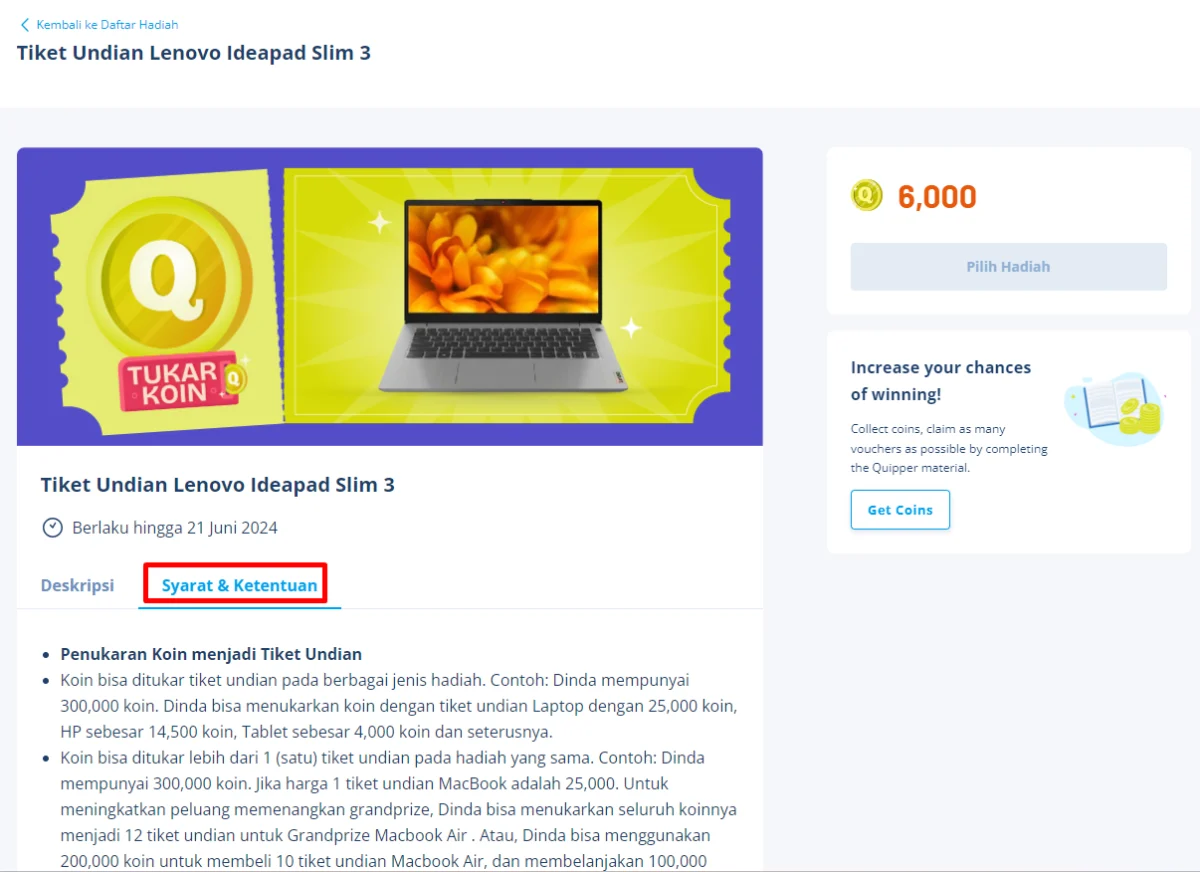
The integration of gamification into educational technology has reached a significant milestone as Quipper, a leading ed-tech platform, officially announced the launch of its annual year-end rewards initiative. Running from May 5 to June 22, 2025, the program encourages students and schools utilizing the QSP All Access platform to convert accumulated learning coins into entries for a high-stakes prize draw. This initiative represents a strategic shift in digital pedagogy, moving beyond traditional content delivery toward a model that actively rewards sustained student engagement and consistent academic performance.
The Mechanism of Gamified Learning
The program functions on a simple but effective premise: students earn coins through regular platform usage, including completing video lessons, answering practice quizzes, and participating in assessment modules. Throughout the academic year, these coins act as a barometer for student activity. By enabling students to exchange these digital assets for raffle tickets, Quipper is effectively transforming the abstract metric of "platform activity" into a tangible, competitive incentive structure.
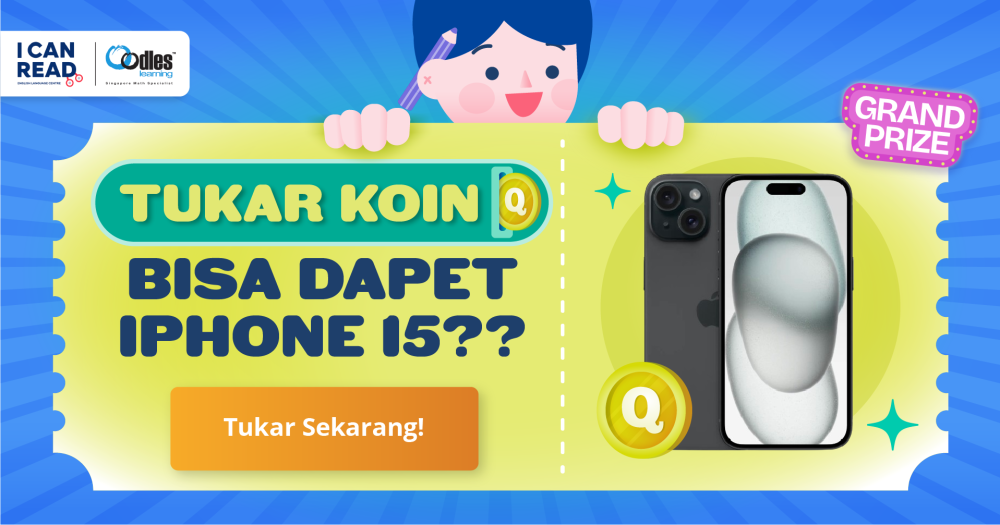
Data from the organization suggests that such gamification techniques significantly improve student retention rates. By providing a clear, goal-oriented incentive—such as the opportunity to win high-end electronics—the platform encourages students to maintain a study schedule even as they approach the end of the term. The program is specifically tailored for QSP All Access users, ensuring that those who have engaged with the platform’s comprehensive curriculum are the primary beneficiaries of the rewards system.
Chronology and Operational Timeline
The initiative is structured into three distinct phases to ensure administrative transparency and fair distribution. The first phase, the conversion period, opened on May 5, 2025, and will conclude on June 22, 2025. During this six-week window, students must navigate to the dedicated rewards section on the Quipper website to allocate their earned coins toward specific prize categories.
Following the close of the conversion window, the second phase involves a period of rigorous data validation. Quipper’s internal team will verify user activity to ensure compliance with the platform’s terms and conditions, filtering out any anomalous or ineligible entries. This step is critical to maintaining the integrity of the draw.

The culmination of the program is scheduled for June 28, 2025, at 15:00 WIB, during a live broadcast via the official Quipper Indonesia YouTube channel. This public event serves to demonstrate the transparency of the selection process. Successful winners will then enter a verification stage, with a mandatory 14-day window for confirmation. Failure to respond within this period will result in the forfeiture of the prize, ensuring that rewards are promptly reallocated to eligible candidates if necessary.
Institutional Recognition and Educational Impact
One of the most notable aspects of the 2025 program is the inclusion of institutional rewards. Recognizing that student success is often a byproduct of a supportive educational environment, Quipper has introduced a competitive category for schools. The three most active schools, determined by the average number of coins collected by their respective student bodies, will receive educational technology grants provided by ViewSonic.
This focus on collective achievement is designed to foster a culture of academic collaboration. By rewarding schools, Quipper encourages educators and administrators to promote the platform’s utility, effectively creating a peer-to-peer support system where students motivate each other to maximize their learning time. The hardware prizes—which typically include interactive displays or advanced teaching tools—serve a dual purpose: they reward the institution’s commitment to digital learning while simultaneously enhancing the infrastructure available to future cohorts.

Strategic Implications for Ed-Tech
The expansion of these rewards programs reflects a broader trend in the Indonesian ed-tech landscape. As the market becomes increasingly saturated, platforms are looking for ways to distinguish themselves by increasing "stickiness"—a metric measuring how long and how often a user interacts with a platform.
The implementation of a high-value incentive structure serves three strategic purposes:
- Long-term Engagement: It discourages the common "drop-off" phenomenon that occurs toward the end of an academic semester.
- Data-Driven Motivation: It provides quantifiable proof that students who engage more frequently with digital materials achieve better learning outcomes, which can be utilized for future curriculum development.
- Brand Loyalty: By associating academic effort with high-value rewards, Quipper reinforces its brand identity as a partner in student success rather than just a repository of academic content.
Rigorous Standards and Compliance
To maintain the professional standard of the initiative, Quipper has instituted a comprehensive set of terms and conditions. The flexibility of the system allows students to distribute their coins across multiple prize categories to increase their statistical probability of winning. For example, a student with a significant coin balance can either concentrate their entries on a single "Grand Prize" or diversify their chances across several smaller reward tiers.
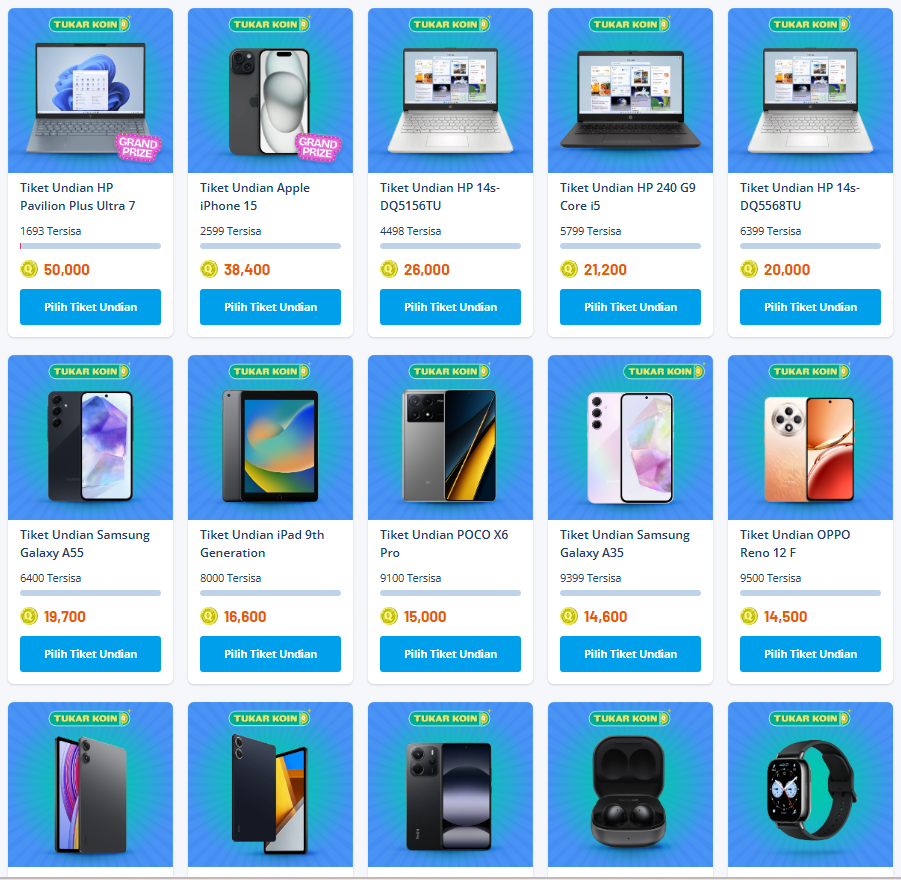
However, the program is not without strict limitations. The platform enforces a one-prize-per-category rule to ensure an equitable distribution of rewards among the student body. Furthermore, the company has explicitly stated that all tax and shipping liabilities for the prizes will be borne by Quipper, removing any financial burden from the winners. This detail is crucial for maintaining a positive brand image and ensuring that the rewards remain truly beneficial to the students.
Future Outlook
As of mid-2025, the impact of such initiatives on student performance remains a subject of study. While the short-term goal is to incentivize platform usage during the final weeks of the school year, the long-term objective is to normalize the habit of digital study. By integrating these rewards into the student experience, Quipper is positioning itself as a central pillar in the digital transformation of Indonesian secondary education.
The success of the June 28, 2025, draw will likely serve as a benchmark for future iterations of the program. If the engagement metrics meet expectations, it is highly probable that similar initiatives will be expanded, potentially involving partnerships with other technology providers to offer an even wider array of educational and lifestyle rewards.

For now, the focus remains on the students and schools currently active on the platform. The "learn-to-earn" model has transitioned from a fringe concept to a mainstream strategy, and the current Quipper rewards program is a testament to how effectively digital platforms can mobilize student populations through structured, transparent, and high-value incentives. As the deadline approaches, the platform is expected to see a surge in activity, reflecting a highly motivated student base aiming to secure both academic knowledge and the tangible rewards that accompany their dedication.