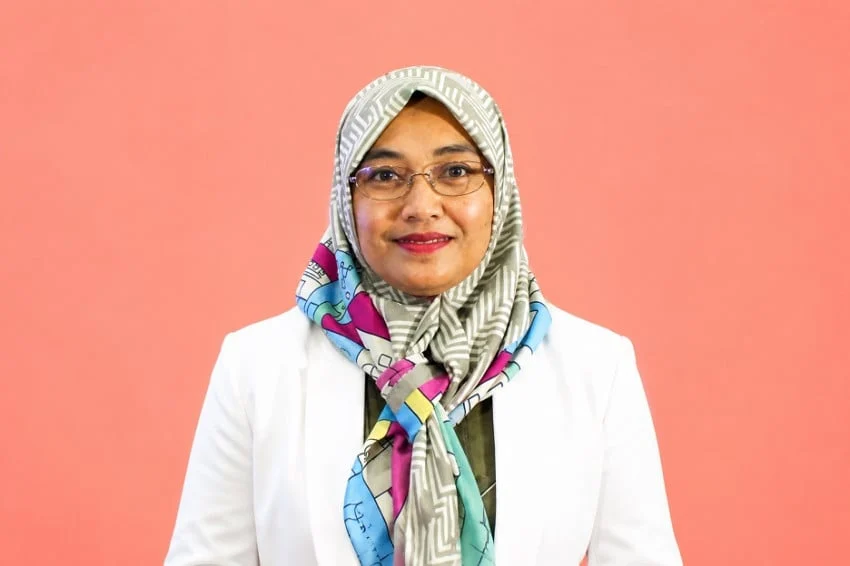
Siti Napsiyah, a distinguished lecturer at UIN Jakarta, posits that as nations advance, the complexities of social welfare inevitably deepen. This paradox is acutely felt in Indonesia, where remarkable strides in development coexist with an intricate web of social challenges that transcend mere economic growth. While poverty rates may show a downward trend, disparities in wealth and opportunity can widen. Rapid technological advancements, while fostering progress, simultaneously give rise to new societal issues such as social isolation, family vulnerabilities, the growing needs of persons with disabilities, the demands of an aging population, the profound impacts of climate change, and the complexities of internal and international migration. These multifaceted challenges demand solutions far beyond the scope of economic expansion alone, underscoring that social welfare is not merely a programmatic or administrative function of the government, but a fundamental measure of a nation’s commitment to human dignity and, indeed, the quality of its civilization.
Indonesia, a nation celebrated for its vibrant diversity and dynamic economic growth, finds itself at a critical juncture. The narrative of development is often dominated by impressive infrastructure projects, increasing foreign investment, and expanding digital connectivity. However, beneath this veneer of progress lies a persistent imperative: to ensure that no segment of society is left behind. This commitment is enshrined in the nation’s foundational document. Article 34 of the 1945 Constitution of the Republic of Indonesia explicitly mandates the state’s responsibility towards the impoverished and neglected children, a principle further solidified by Law Number 11 of 2009 concerning Social Welfare. Yet, global experience consistently demonstrates that no government, however well-intentioned or resourced, can single-handedly address the vast and evolving spectrum of social welfare issues.
The Shifting Landscape of Social Welfare in Indonesia
Indonesia’s journey since independence has been marked by significant progress in improving the living standards of its citizens. According to data from the Central Statistics Agency (BPS), the national poverty rate has seen a substantial decline over the past decades, reaching 9.36% in March 2023, the lowest level since the economic crisis of 1998. This indicates effective poverty alleviation programs and sustained economic growth. However, this positive trend in poverty reduction does not fully capture the nuanced challenges of social welfare. The Gini ratio, an indicator of income inequality, while showing some fluctuations, suggests persistent disparities across different regions and socioeconomic groups. For instance, in September 2023, Indonesia’s Gini ratio stood at 0.377, indicating a moderate level of inequality, but one that demands continuous attention, particularly in rural-urban divides and access to quality services.
Beyond Economic Growth: Emerging Social Challenges
The traditional understanding of social welfare, primarily focused on poverty alleviation and basic needs, is no longer sufficient. Indonesia, like many developing nations, is grappling with a new generation of social challenges. The country is experiencing a demographic shift, with its elderly population growing rapidly. By 2045, it is projected that over 25% of Indonesia’s population will be aged 60 and above, necessitating robust social security systems, healthcare for the aged, and specialized care facilities. Disability remains a significant area of concern, with millions of Indonesians living with various forms of disability, often facing barriers to education, employment, and social inclusion.
Furthermore, rapid urbanization, while a driver of economic activity, can exacerbate issues like urban poverty, inadequate housing, and social isolation. The digital age, while offering unprecedented opportunities, also presents challenges such as the digital divide and new forms of online vulnerability. Climate change, with its increasing frequency of extreme weather events, disproportionately affects vulnerable communities, leading to displacement and loss of livelihoods, creating new categories of "climate migrants" within the country. Mental health issues, once stigmatized and often overlooked, are now gaining recognition as a critical public health concern, requiring comprehensive support systems. These emerging issues underscore the need for a dynamic and adaptive approach to social welfare that moves beyond mere symptom treatment to address root causes and build long-term resilience.
Constitutional Mandate and Policy Framework
The constitutional foundation for social welfare in Indonesia is unequivocal. Article 34 of the 1945 Constitution states that "The poor and neglected children shall be cared for by the State." This powerful declaration places a direct obligation on the government to ensure the well-being of its most vulnerable citizens. This foundational principle was subsequently elaborated and operationalized through Law Number 11 of 2009 on Social Welfare. This law defines social welfare as a holistic effort to fulfill basic needs, improve the quality of life, and achieve human dignity, encompassing various aspects such as social rehabilitation, social protection, social empowerment, and social security. It provides a legal framework for the planning, implementation, and monitoring of social welfare programs, emphasizing the importance of integrated services and community participation. The law also recognizes the role of various stakeholders, including the private sector and civil society organizations, in contributing to national social welfare efforts.
The Imperative of Multi-Stakeholder Collaboration
While the state bears primary responsibility, the complexity and scale of modern social challenges necessitate a collaborative approach involving all segments of society. James Midgley, a prominent scholar in social development, articulates that social development can only be truly successful when the state, civil society, the business sector, and communities collectively invest in social capital. This "social investment" approach moves beyond traditional welfare models, advocating for systemic interventions that strengthen social bonds, enhance human capabilities, and build resilient communities.
Echoing this sentiment, Robert Putnam, through his seminal work on "social capital," emphasizes the critical role of trust, networks, and civic participation in enabling societies to collectively resolve their problems. In the Indonesian context, this resonates deeply with the spirit of gotong royong, the traditional communal ethic of mutual cooperation and assistance. This philosophy provides a robust cultural framework for multi-stakeholder collaboration, where shared responsibility and collective action are inherent values. Here, social welfare transcends governmental obligations; it becomes the shared outcome of a collective national endeavor, driven by a profound sense of empathy and concern for fellow citizens.
Building Social Capital: A Collective Responsibility
The practical application of social capital in Indonesia can be seen in numerous initiatives. Non-governmental organizations (NGOs) and community-based organizations (CBOs) often serve as the frontline in delivering essential services, advocating for marginalized groups, and empowering local communities. Religious organizations, deeply embedded in the social fabric, play a significant role in charitable work, humanitarian aid, and moral guidance. Philanthropic foundations and corporate social responsibility (CSR) programs from the business sector contribute substantial resources, expertise, and innovative solutions to social problems, often filling gaps that government services cannot reach. Academics and researchers provide critical insights, data, and policy recommendations, ensuring evidence-based interventions. Volunteers, from youth groups to retirees, dedicate their time and energy to countless welfare initiatives. This intricate web of actors, when effectively coordinated and empowered, forms a powerful engine for social progress, embodying the true spirit of collective responsibility envisioned by Midgley and Putnam.
DNIKS: A Legacy of Collaboration and its Present Challenge
It is within this multifaceted context that the Dewan Nasional Indonesia untuk Kesejahteraan Sosial (DNIKS), or the Indonesian National Council for Social Welfare, holds particular relevance. For nearly six decades, DNIKS has served as a pivotal platform, bringing together diverse stakeholders—social welfare institutions, professional social workers, religious organizations, philanthropic bodies, volunteers, academics, the business sector, and government agencies—under the unifying banner of gotong royong. Established in the early 1960s (around 1961-1965, considering its approaching 59th anniversary), DNIKS emerged during a period when Indonesia was consolidating its post-independence social policies. Its initial mandate likely focused on coordinating nascent social welfare efforts, promoting professional standards in social work, and advocating for policies that would uplift the vulnerable segments of society. Over the years, it has accumulated invaluable social capital, fostering networks and trust among its constituents, making it a unique institution in the nation’s social welfare landscape.
A Six-Decade Journey: DNIKS’s Historical Significance
Throughout its history, DNIKS has played a quiet yet crucial role in shaping Indonesia’s social welfare discourse. It has facilitated dialogue between the government and civil society, providing a unified voice for the social welfare sector. Its extensive network, spanning across various regions and types of organizations, has been instrumental in disseminating best practices, coordinating relief efforts during national disasters, and supporting local initiatives. The organization has also been a steadfast advocate for the professionalization of social work, recognizing the importance of skilled and ethical practitioners in delivering effective services. Its longevity is a testament to its foundational importance and the enduring need for a coordinating body in the complex field of social welfare.
The Call for Redefinition: Adapting to Modern Realities
However, longevity alone is not the ultimate measure of an organization’s success. The more pressing question, as Siti Napsiyah highlights, is whether an organization continues to find its relevance amidst rapidly changing times. As DNIKS approaches its 59th year, its greatest challenge is not merely to sustain its existence but to fundamentally redefine its role. An organization that endures for decades is not automatically guaranteed continued influence. What distinguishes truly impactful organizations from ordinary ones is their capacity to discern societal shifts, incubate novel ideas, and actively contribute to solutions for contemporary problems.
The experiences of numerous long-standing organizations globally underscore this point. Some organizations, despite maintaining their administrative structures, gradually lose their social relevance, becoming relics of a bygone era. Conversely, others manage to harness new energy by courageously reinterpreting their mandates in accordance with evolving societal needs. This, Napsiyah argues, is precisely where DNIKS stands today. Six decades of operation have endowed DNIKS with an invaluable reservoir of social capital: an expansive network comprising social welfare institutions, professional social workers, volunteers, religious organizations, philanthropic bodies, academics, the business sector, and a multitude of humanitarian communities spread across Indonesia. This rich heritage provides a strong foundation, but it must be strategically leveraged for future impact.
Navigating the Future: The Urgency of Organizational Evolution
The redefinition of DNIKS’s role must address several key areas. Firstly, it needs to move beyond a predominantly coordinating function to become a more proactive thought leader and innovation hub in social policy. This involves engaging in rigorous research, foresight analysis, and policy advocacy that anticipates future social challenges rather than merely reacting to existing ones. Secondly, DNIKS must embrace technology to enhance its reach, efficiency, and data-driven decision-making. Developing digital platforms for service delivery, volunteer management, and information sharing can significantly amplify its impact. Thirdly, it needs to strengthen its capacity-building initiatives for social welfare practitioners, equipping them with the skills to address complex issues like mental health, digital literacy for the vulnerable, and climate adaptation strategies.
Statements from key stakeholders further underscore this imperative. A representative from the Ministry of Social Affairs, speaking on the need for enhanced partnerships, remarked, "The government alone cannot tackle the multifaceted challenges of social welfare. Partnerships with established and evolving organizations like DNIKS are vital for achieving inclusive development and ensuring our policies are responsive to community needs." Similarly, a hypothetical DNIKS Chairperson, looking towards the future, might state, "As we approach our sixth decade, DNIKS is committed to a profound self-assessment and strategic re-envisioning. Our goal is not merely to exist, but to lead innovation in social welfare, leveraging our extensive network to address contemporary issues with renewed vigor and relevance." A prominent social policy expert from a leading university could add, "DNIKS’s longevity is a testament to its foundational importance. However, its future influence hinges on its ability to evolve from a coordinating body to a dynamic thought leader and innovation hub in social policy, fostering inter-sectoral collaboration and championing evidence-based solutions."
Broader Impact and Implications
The successful redefinition of DNIKS would have profound implications for Indonesia’s social welfare ecosystem. It could lead to a more robust and responsive social safety net, capable of adapting to emerging threats and vulnerabilities. By fostering greater collaboration and innovation, DNIKS could contribute to more effective resource allocation, reducing duplication of efforts and maximizing impact. Its renewed focus on advocacy and thought leadership could significantly influence policy formulation, ensuring that social welfare policies are comprehensive, equitable, and forward-looking.
Ultimately, a revitalized DNIKS could empower communities, strengthen human capital, and enhance the overall quality of life for all Indonesians, particularly the most vulnerable. This aligns directly with the constitutional mandate and the nation’s aspiration for a just and prosperous society. The journey of DNIKS, therefore, mirrors Indonesia’s own journey towards a more mature and compassionate civilization, where human dignity is not just a constitutional promise but a lived reality for every citizen. By embracing change and redefining its purpose, DNIKS has the potential to continue playing a pivotal role in shaping Indonesia’s social future for decades to come.