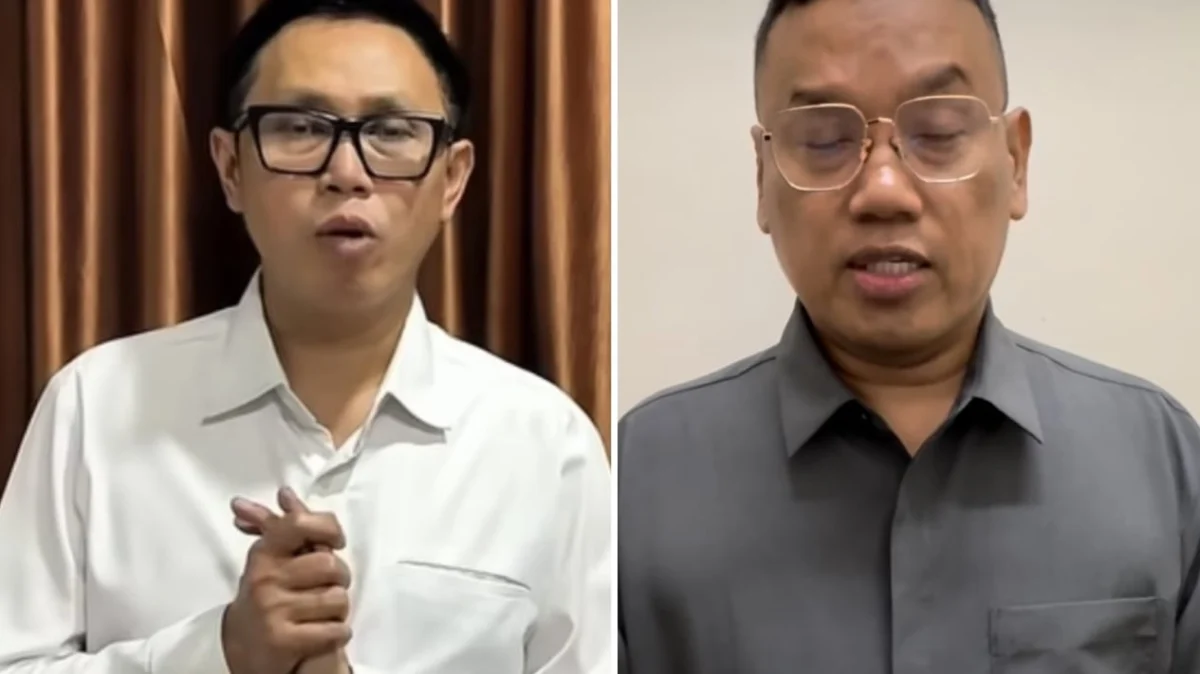
The National Mandate Party (PAN) has officially clarified that the political and legislative status of prominent high-profile members Eko Hendro Purnomo, widely known as Eko Patrio, and Surya Utama, popularly recognized as Uya Kuya, remains unchanged. Both entertainment figures-turned-politicians continue to hold non-active statuses within the House of Representatives of the Republic of Indonesia (DPR RI) following disciplinary measures enacted by the party leadership late last year.
Addressing media inquiries regarding the prolonged absence of the two public figures from legislative duties, PAN Deputy Chairman Eddy Soeparno confirmed that the Central Executive Board (DPP PAN) has not altered its earlier stance. According to Eddy, the administrative and political framework surrounding their suspension is still being reviewed, with any potential reinstatement or further disciplinary action strictly contingent upon directives from the party’s highest leadership.
Current Stance of the Party Leadership
Speaking to journalists in Jakarta, Eddy Soeparno emphasized that the internal mechanics governing the status of suspended party members reside primarily with PAN General Chairman Zulkifli Hasan. The party’s leadership echelon is coordinating closely with the head of the PAN faction in the legislature to determine the trajectory of the situation.
"As far as the DPP PAN is concerned, the status of our members remains deactivated," Eddy stated. He further explained that subsequent developments would rely heavily on formal evaluations conducted by the General Chairman. "Regarding the continuation of this matter, it is entirely in the hands of the General Chairman, and it will be communicated accordingly to the leadership of the PAN faction in the DPR."
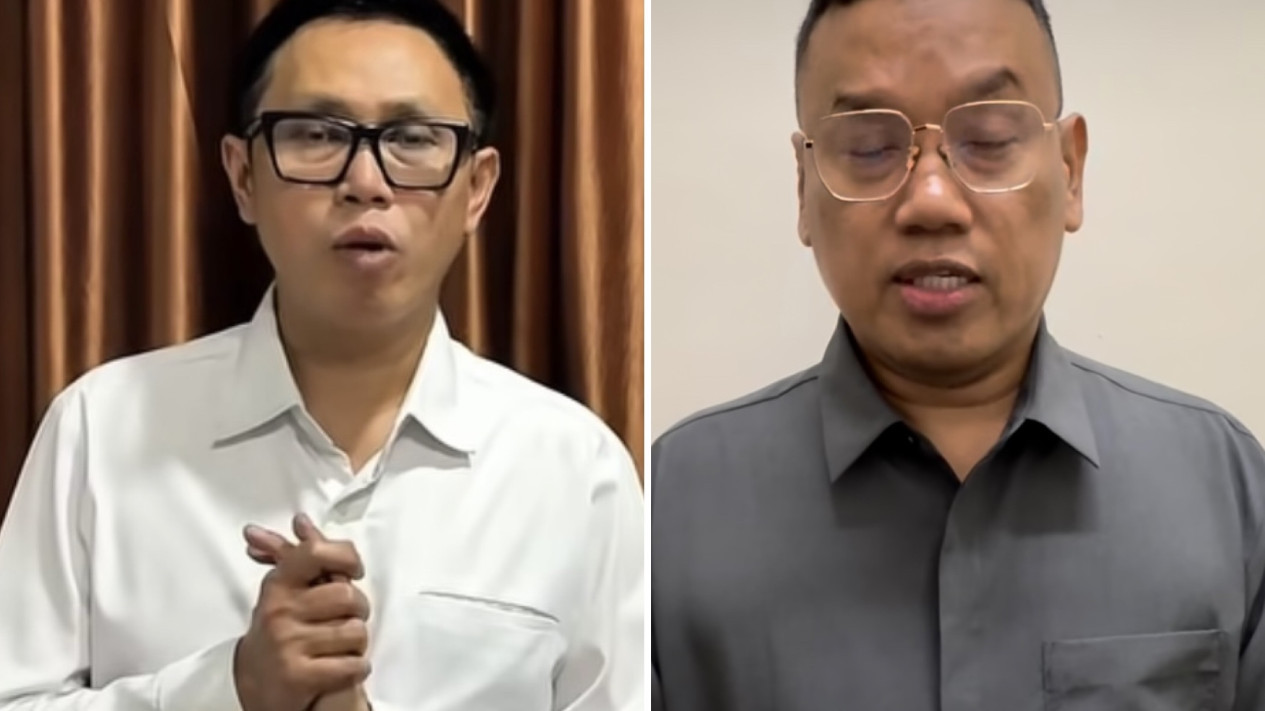
This update provides the first major institutional confirmation regarding the political futures of Eko Patrio and Uya Kuya since their sudden removal from active legislative duty several months ago. Both figures transitioned from successful careers in the Indonesian entertainment industry to mainstream politics, eventually securing seats under the PAN banner. However, shifting political dynamics and internal party assessments led to sweeping administrative changes concerning their representation in parliament.
Chronology of the Suspension
The decision to sideline Eko Patrio and Uya Kuya from parliamentary activities did not happen overnight. It followed a period of intense political adjustments and mounting public scrutiny regarding the performance and alignment of high-profile legislative figures.
The official timeline of their deactivation unfolded through several key milestones:
- Late August 2025: Internal discussions intensified within the DPP PAN regarding organizational strategy, public perception, and legislative efficiency. The leadership deliberated on the optimal alignment of its representatives in the DPR RI to better reflect the party’s broader ideological and populist commitments.
- Sunday, August 31, 2025: The DPP PAN formally issued a press release announcing the suspension of Eko Hendro Purnomo and Surya Utama from their duties as members of the DPR RI representing the PAN faction. The announcement bore the signatures of PAN General Chairman Zulkifli Hasan and Deputy Chairman Viva Yoga Mauladi.
- Monday, September 1, 2025: The suspension officially took effect. From this date onward, both Eko Patrio and Uya Kuya were barred from participating in legislative sessions, committee hearings, and parliamentary duties associated with their elected positions.
- Late October 2025: Months after the initial announcement, amidst ongoing public curiosity and media speculation, PAN leadership reiterated that the suspension remained in full effect while internal evaluations continued under the supervision of Zulkifli Hasan.
Context and Official Messaging
The sudden removal of two of its most recognizable celebrity politicians prompted considerable discussion across Indonesia’s political landscape. In its original August 2025 announcement, the DPP PAN framed the decision as a necessary step in response to evolving political dynamics and public expectations.
Alongside the disciplinary announcement, the party leadership issued a public appeal urging constituents and the wider populace to remain calm, patient, and steadfast in their confidence toward the administration of President Prabowo Subianto. PAN stressed its unwavering commitment to working alongside the executive branch to formulate policies that directly benefit the grassroots population, asserting that its primary political objective remains aligned with the economic and social welfare of ordinary citizens.

Political analysts note that high-profile parties often utilize internal restructuring and disciplinary actions to manage public relations, realign legislative priorities, or address performance metrics among lawmakers. By maintaining the suspension of high-visibility figures like Eko Patrio and Uya Kuya, PAN appears to be signaling a strict adherence to internal party discipline and strategic alignment with national governance goals.
Broader Implications for PAN and Celebrity Politics in Indonesia
The ongoing suspension of Eko Patrio and Uya Kuya highlights a broader trend and recurring challenge within Indonesian politics: the integration of celebrity figures into formal legislative structures. Over the past two decades, political parties have increasingly recruited actors, musicians, and television hosts to leverage their name recognition and draw substantial voter support during general elections.
While celebrity candidates frequently succeed in securing legislative seats due to high initial popularity, managing their legislative output, party loyalty, and public accountability presents distinct challenges for party leadership. The decision by PAN to deactivate two of its most prominent celebrity lawmakers demonstrates the complexities parties face when balancing media appeal with rigorous parliamentary performance.
Furthermore, the handling of this case under the leadership of Zulkifli Hasan illustrates the centralized decision-making structure typical of major Indonesian political parties. By keeping the ultimate authority on disciplinary matters within the office of the General Chairman and the faction leadership, PAN ensures tight control over its legislative wing’s public image and operational unity.
As political observers await further announcements from the party headquarters, the immediate future of Eko Patrio and Uya Kuya within the national legislature remains uncertain. Whether the suspension will eventually lead to formal reinstatement, resignation, or a permanent re-assignment of duties will depend entirely on the forthcoming evaluations and strategic directives issued by the central leadership of the National Mandate Party.