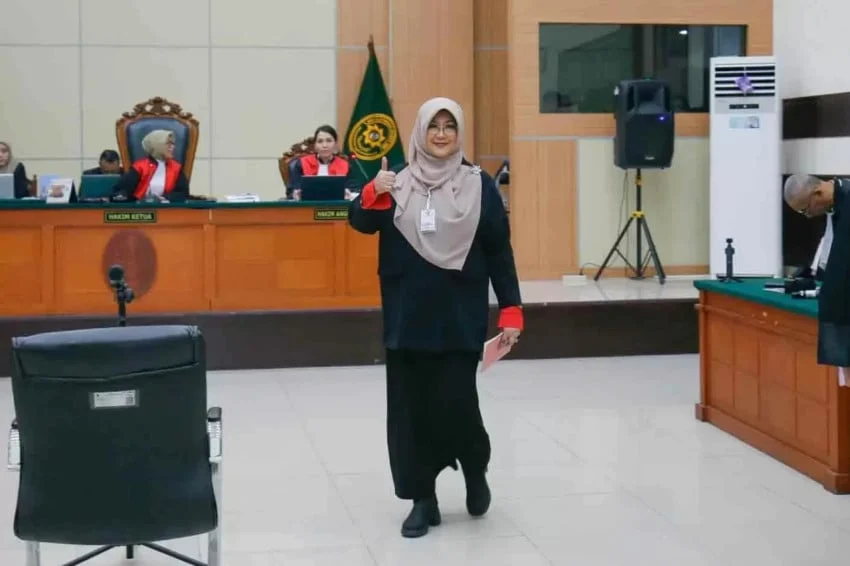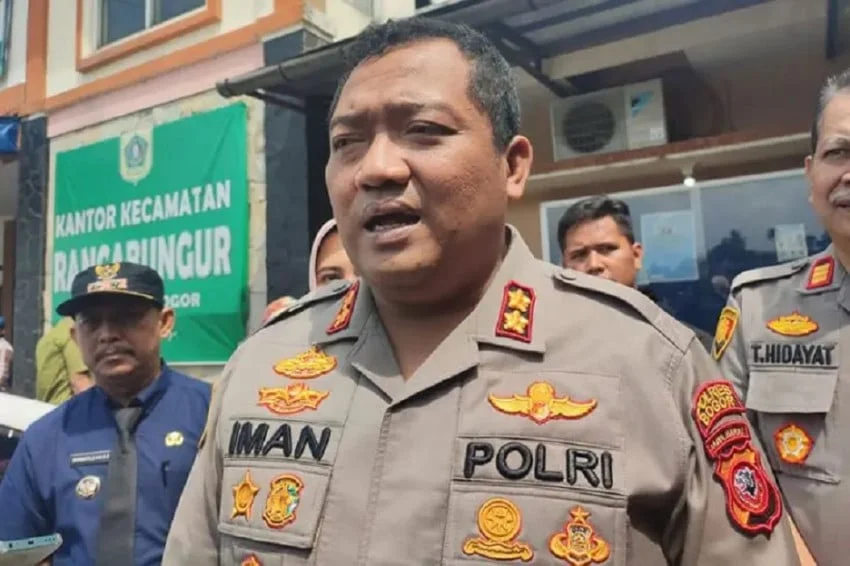
The Jakarta Metropolitan Police (Polda Metro Jaya) has formally addressed the recent interlocutory decision by the East Jakarta District Court (PN Jakarta Timur) to accept the exception (demurrer) filed by Tifauzia Tyassuma, widely known as Dokter Tifa. This decision came during the ongoing trial for alleged defamation and slander concerning accusations of a fake diploma against former President Joko Widodo (Jokowi). While respecting the court’s procedural ruling, law enforcement officials were quick to clarify that this development does not signify the conclusion of the entire legal process. The Director of General Criminal Investigation at Polda Metro Jaya, Police Commissioner Iman Imanuddin, affirmed the institution’s commitment to upholding legal principles while underscoring that the case remains open to further proceedings.
Background of the Controversial Accusations
The accusations surrounding former President Joko Widodo’s academic qualifications have been a persistent, albeit largely unsubstantiated, point of contention in Indonesian public discourse, particularly in the realm of social media. Dokter Tifa emerged as a prominent figure in propagating these claims, alleging that President Widodo’s diploma from Gadjah Mada University (UGM) was illegitimate. These allegations gained traction among certain segments of the population, fueling conspiracy theories and raising questions about the legitimacy of the highest office in the land.
The controversy dates back several years, with various individuals and groups attempting to cast doubt on President Widodo’s educational background. UGM, one of Indonesia’s most prestigious universities, has repeatedly issued official statements confirming President Widodo’s enrollment and graduation, complete with documented records and testimonials from his former lecturers and classmates. Despite these unequivocal clarifications from the academic institution itself, the claims persisted, often amplified through online platforms that serve as breeding grounds for misinformation. The persistence of these allegations led to significant public concern regarding the spread of hoaxes and their potential to undermine public trust in government and democratic institutions.
The Legal Battle: From Accusation to Courtroom
The legal proceedings against Dokter Tifa were initiated following reports filed with the Polda Metro Jaya, accusing her of defamation and the dissemination of false information, offenses punishable under Indonesia’s Criminal Code and the Electronic Information and Transactions (ITE) Law. The police conducted a thorough investigation, collecting evidence and testimonies before handing over the case to the public prosecutor, who then formally filed charges in court.
The trial commenced at the East Jakarta District Court, where Dokter Tifa, through her legal counsel, filed an eksepsi (exception or demurrer). In Indonesian legal procedure, an exception is a preliminary defense raised by the defendant or their lawyer, challenging the formal aspects of the indictment, such as its clarity, completeness, or whether it aligns with legal requirements. It is not a defense against the substance of the charges (guilt or innocence) but rather a procedural objection to the prosecution’s case presentation.
On July 24, 2026, the presiding judge issued an putusan sela (interlocutory decision), ruling to accept Dokter Tifa’s exception. This decision implies that the court found merit in the procedural arguments raised by the defense, suggesting that the prosecution’s indictment might have deficiencies or formal flaws that need to be rectified. It is crucial to distinguish this from a full acquittal, which would involve a judgment on the merits of the case, finding the defendant not guilty.
Polda Metro Jaya’s Official Stance: Respect and Persistence
Responding to the court’s interlocutory decision, Commissioner Iman Imanuddin articulated Polda Metro Jaya’s position, stating, "As citizens who respect the law, we naturally respect what has become the decision of the honorable judge. However, this is not the final or the end of everything." This statement carefully balances respect for judicial independence with a clear signal that the law enforcement agency views this as a procedural step rather than a definitive conclusion to the case.
The police’s assertion that the decision is "not the end of everything" carries several implications. It suggests that the prosecution, in consultation with the police, may revise the indictment to address the formal deficiencies highlighted by the court. After revision, the prosecution could resubmit the amended indictment, and the trial could potentially resume from that point. Alternatively, if the deficiencies are deemed insurmountable by the prosecution, they might explore other legal avenues, though a complete dismissal of the case on substantive grounds at this stage is unlikely given the nature of an interlocutory decision. The statement reinforces the police’s commitment to pursuing justice in cases of alleged defamation and the spread of misinformation, particularly when it targets public figures and impacts national stability.
Reactions from Related Parties and Legal Experts
The acceptance of Dokter Tifa’s exception naturally elicited varied reactions from involved parties and legal observers. Dokter Tifa’s legal team likely views this as an initial victory, validating their procedural arguments and potentially providing them with an opportunity to strengthen their defense as the prosecution revises its approach. While no direct statement from her legal team was provided in the immediate aftermath of the ruling, such a development typically emboldens the defense, allowing them to recalibrate their strategy.
Prominent public figures also weighed in on the decision. Former politician and technology expert Roy Suryo, who himself has faced legal issues related to alleged defamation, reportedly reacted by suggesting that similar principles should apply to his own cases. His comment, "Eksepsi Dokter Tifa Diterima PN Jaktim, Roy Suryo: Harusnya Berlaku Juga Buat Kasus Saya," highlights a common sentiment among defendants in defamation cases: the desire for consistent application of legal principles across similar judicial contexts. This underscores the broader public interest in legal fairness and the perception of equal treatment under the law.
Legal experts have emphasized that an interlocutory decision accepting an exception is a procedural milestone, not a final judgment on guilt or innocence. Professor Budi Santoso, a criminal law expert from the University of Indonesia, explained, "An accepted exception means the court found flaws in the prosecution’s administrative or formal presentation of the case. It does not mean the defendant is innocent of the charges. The prosecution will likely be given a chance to amend their indictment and resubmit it, or the case might be dismissed without prejudice, allowing for new charges to be filed if the initial procedural errors are corrected." This clarification is vital to prevent misinterpretation of the court’s ruling as a substantive exoneration.
The Broader Context: Misinformation and Public Trust
The case of Dokter Tifa and the Jokowi fake diploma allegations is emblematic of a larger societal challenge in Indonesia and globally: the proliferation of misinformation and disinformation, especially through digital platforms. The ease with which unverified claims can spread online poses a significant threat to public discourse, democratic processes, and social cohesion. Accusations against public figures, particularly presidents, have a disproportionate impact, potentially eroding public trust in institutions and even inciting unrest.
The Indonesian government has actively sought to combat the spread of hoaxes and fake news, particularly through the ITE Law, which criminalizes the dissemination of false information that causes public disturbance or defames individuals. However, the application of this law has also been a subject of debate, with concerns raised about its potential to stifle legitimate criticism and freedom of expression. The Dokter Tifa case, therefore, sits at the intersection of these complex issues: the right to free speech versus the responsibility to prevent the spread of harmful falsehoods, and the legal mechanisms available to enforce these boundaries.
The consistent denial and confirmation from Gadjah Mada University regarding President Widodo’s genuine diploma serve as a crucial counter-narrative to the persistent allegations. UGM has provided detailed information about his enrollment in the Faculty of Forestry from 1980 to 1985, his student identification number, and photographic evidence of his graduation ceremony. Such institutional backing is vital in confronting politically motivated attempts to discredit leaders through personal attacks on their credentials.
Implications and Future Outlook
The acceptance of Dokter Tifa’s exception in the interlocutory decision has several key implications. For the prosecution, it necessitates a careful review and likely revision of their indictment. This process will demand precision and meticulous attention to legal formalities to ensure that any subsequent filing is robust and withstands further procedural challenges. Failure to do so could lead to a protracted legal battle or, in the worst-case scenario for the prosecution, the ultimate dismissal of the case on technical grounds.
For Dokter Tifa and her supporters, the decision provides a temporary reprieve and a strategic advantage. It allows them to continue asserting their arguments, potentially reinforcing their perception that the initial charges were flawed. However, the police’s statement makes it clear that this is not an outright victory but merely a procedural pause. The possibility of a revised indictment means the legal challenge remains formidable.
More broadly, this case continues to highlight the critical importance of factual verification and responsible dissemination of information, especially in the digital age. Regardless of the final legal outcome, the persistent nature of the fake diploma allegations underscores the vulnerability of public figures to targeted disinformation campaigns and the challenges faced by legal systems in navigating complex cases involving online content. The public remains an important arbiter in discerning truth from falsehood, necessitating ongoing efforts in media literacy and critical thinking.
The legal journey of Dokter Tifa’s case is far from over. As Polda Metro Jaya indicated, the interlocutory decision is a step in the process, not the final destination. The eyes of legal observers, civil society, and the general public will remain on the East Jakarta District Court and the prosecution’s next steps as the Indonesian justice system continues to grapple with allegations that touch upon the integrity of national leadership and the pervasive issue of misinformation. The ultimate resolution will not only determine the fate of Dokter Tifa but also potentially set precedents for how similar cases involving defamation and digital falsehoods are handled in the future.