The modern aviation landscape has undergone a significant transformation over the last several decades, shifting from a period where air travel was a formal, high-fashion event to an era defined by efficiency, mass transit, and, increasingly, a focus on passenger wellness. As millions of travelers navigate the complexities of international and domestic terminals, the choice of attire has moved beyond mere aesthetics, becoming a critical factor in physical health, hygiene, and security efficiency. Travel experts, seasoned authors, and industry insiders are now sounding the alarm on specific wardrobe choices that, while common, can actively detract from the flight experience and even pose health risks. Through a synthesis of expert testimony and logistical analysis, five specific items have been identified as detrimental to the flying experience: denim jeans, one-piece garments, belts, open-toed footwear, and synthetic polyester fabrics.
The Physiological Impact of Denim in High-Altitude Environments
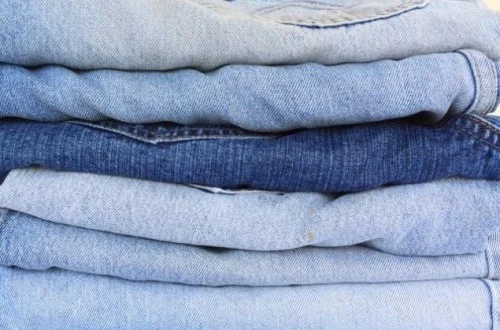
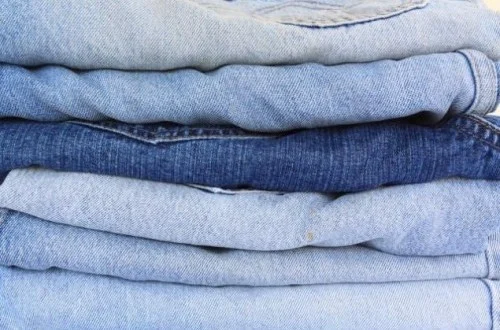
While denim remains a staple of global fashion, it is increasingly viewed by travel professionals as one of the least practical choices for air travel. Tory Jon, a noted travel writer and founder of Camper FAQs, emphasizes that for any flight exceeding three hours, jeans should be strictly avoided. The primary concern is not merely comfort, but the physiological response of the human body to pressurized cabins and prolonged periods of inactivity.
At cruising altitudes, typically between 30,000 and 40,000 feet, aircraft cabins are pressurized to simulate an altitude of approximately 6,000 to 8,000 feet. This change in pressure, combined with the relative lack of humidity, causes the human body to expand slightly; gases in the intestines expand, and lower extremities often experience swelling due to fluid retention. When a passenger wears restrictive clothing like tight jeans, this natural swelling is met with unyielding fabric. This can lead to a significant reduction in blood circulation, particularly in the legs and waist.
The medical implications of restricted circulation in-flight are well-documented. Reduced blood flow increases the risk of Deep Vein Thrombosis (DVT), a condition where blood clots form in the deep veins of the legs. If these clots dislodge and travel to the lungs, they can cause a life-threatening pulmonary embolism. Furthermore, denim is a heavy, non-breathable material. On long-haul flights, the lack of airflow against the skin can lead to increased perspiration and skin irritation, leaving the traveler feeling unhygienic by the time they reach their destination. Abby Price, CEO of the travel blog Trekking Price’s, suggests that passengers opt for "athleisure" alternatives such as stylish joggers, high-quality leggings, or loose-fitting trousers with elastic waistbands that accommodate the body’s natural fluctuations during flight.
Logistics and Hygiene: The Risks of One-Piece Garments
The rise of the "jumpsuit" and "romper" in contemporary fashion has created a new set of challenges within the confines of an aircraft. Jessica Schmit of the Uprooted Traveler blog points out that while these one-piece outfits are stylish and easy to pack, they are fundamentally incompatible with the realities of airplane lavatories. The primary issue is the necessity of nearly total undressing to use the facilities.
In the cramped, often turbulent environment of an airplane bathroom, a passenger wearing a jumpsuit must pull the entire garment down. This creates a high risk of the fabric touching the floor—a surface that is notoriously unhygienic. Studies on aircraft cleanliness have frequently identified lavatory floors as hotspots for bacteria, including E. coli and various respiratory viruses. Reneze Lopez, a lifestyle and travel author at Sincerely Reneze, adds that athletic "onesies" or tight bodysuits are equally problematic. Beyond the hygiene concerns, these garments can be overly restrictive and difficult to manage in close quarters, potentially causing discomfort for the wearer and social awkwardness in the shared space of a cabin.
Security Efficiency and the Problem with Belts
From a logistical standpoint, the airport security checkpoint remains one of the most significant bottlenecks in the travel process. Rax Suen, founder of NomadsUnveiled, identifies belts as a primary culprit in security delays. While frequent flyers with "Trusted Traveler" status, such as TSA PreCheck in the United States, may occasionally be exempt from removing belts, the vast majority of international passengers are required to remove all metal accessories.
The act of removing and re-threading a belt while managing luggage, electronics, and shoes adds unnecessary stress to the pre-flight experience. Moreover, as Suen notes, belts can become incredibly uncomfortable during a flight. As the abdomen expands due to cabin pressure, a fixed leather or metal belt can dig into the waist, causing digestive discomfort and restricting breathing. Experts recommend trousers that fit securely without the need for external fasteners, such as hiking pants with integrated webbing or high-end knit trousers.
Footwear Safety and the Hidden Germs of the Cabin
The choice of footwear is perhaps the most debated aspect of travel attire. While the prospect of wearing sandals or flip-flops may be appealing for those heading to tropical destinations, travel experts like Sarah Simon of Mukikapup’s Travels strongly advise against open-toed shoes. The rationale is twofold: hygiene and emergency preparedness.
Aircraft cabins are high-traffic environments where professional cleaning occurs rapidly between flights, often leaving behind microscopic contaminants. Simon highlights the "dirtiness" of the aircraft, particularly the floors of the aisles and bathrooms. Wearing sandals exposes the skin to these surfaces, as well as to the cold drafts common in airplane cabins. Furthermore, the security process often requires passengers to walk through scanners without shoes. Those in sandals are forced to walk barefoot on airport floors, which are breeding grounds for fungal infections and bacteria.
From a safety perspective, footwear plays a crucial role. In the unlikely event of an emergency evacuation, passengers may need to move quickly over debris or down inflatable slides. Sandals, high heels, or flip-flops can easily trip a passenger or be lost during the process, leaving the individual vulnerable. Michelle Joy of Harbors and Havens suggests slip-on sneakers worn with socks. This combination allows for quick removal at security, provides a barrier against floor germs, keeps the feet warm in the air, and ensures the passenger is prepared for any physical demands during the journey.
Material Science: Why Polyester Fails the "Sniff Test"
The final item on the expert "no-fly" list is any garment made primarily of polyester. At first glance, polyester seems ideal for travel; it is lightweight, durable, and resistant to wrinkles. However, Wesley Cunningham of WorldWideyedWes points out a significant drawback: the material’s relationship with moisture and odor.
Polyester is a synthetic fiber that is essentially a plastic. Unlike natural fibers like cotton, wool, or silk, polyester is hydrophobic, meaning it repels water but absorbs oil. Body odors are carried in skin oils; when a passenger sweats in a polyester shirt, the fabric traps those oils and the bacteria that feed on them, leading to persistent odors that are difficult to mask. In the recirculated air of an airplane cabin, this can become unpleasant for both the wearer and their neighbors.
Cunningham and other experts advocate for "breathable" fabrics. Cotton remains a solid choice, but "modal"—a semi-synthetic fabric made from beech tree pulp—is increasingly popular for its extreme softness and superior absorption. Merino wool is also highly recommended by frequent flyers; it is naturally antimicrobial, temperature-regulating, and moisture-wicking, making it perhaps the most technologically advanced natural fiber for the rigors of air travel.
The Evolution of Travel Attire: A Chronological Context
The shift toward these expert recommendations reflects a broader chronological change in the aviation industry. In the 1950s and 60s, the "Golden Age of Flight," air travel was an elite experience. Passengers frequently wore suits, ties, and formal dresses. However, several factors led to the "casualization" of the cabin:
- Deregulation (1978): The Airline Deregulation Act in the U.S. led to lower fares and the democratization of flight. As more people flew, the "event" status of flying diminished.
- The Rise of Long-Haul Routes: As aircraft technology improved, flights became longer. Sitting in a suit for 14 hours from New York to Hong Kong is fundamentally different from a two-hour regional flight.
- Post-9/11 Security: The intensification of security screenings made complex clothing a liability for time-management.
- The Health Awareness Era: Increased medical data regarding DVT and the spread of pathogens (accelerated by the COVID-19 pandemic) has made "functional" clothing a priority over "fashionable" clothing.
Broader Impact and Implications for the Travel Industry
The advice provided by these experts has implications that extend beyond individual comfort. When passengers dress appropriately for the environment, there is a measurable impact on the efficiency of the aviation system. Reduced time at security checkpoints translates to shorter queues and less stress for airport staff. Furthermore, passengers who are physically comfortable are less likely to experience "air rage" or medical emergencies mid-flight, which can lead to costly unscheduled diversions.
Airlines and travel gear manufacturers have noticed these trends. The "travel-specific" clothing market is now a multi-billion dollar industry, with brands focusing on "anti-odor," "four-way stretch," and "TSA-friendly" designs. This evolution suggests that the future of travel attire is one of "engineered comfort," where the lessons learned from expert travelers are integrated into the very fabric of the garments we choose to wear at 35,000 feet.
In conclusion, the transition from the terminal to the destination is a physical ordeal that the body must endure. By avoiding restrictive denim, impractical one-piece outfits, cumbersome belts, exposed footwear, and odor-trapping synthetics, travelers can significantly mitigate the stresses of flight. The consensus among travel professionals is clear: the most successful journey begins with a wardrobe that prioritizes circulation, hygiene, and adaptability to the unique environment of the modern aircraft cabin.