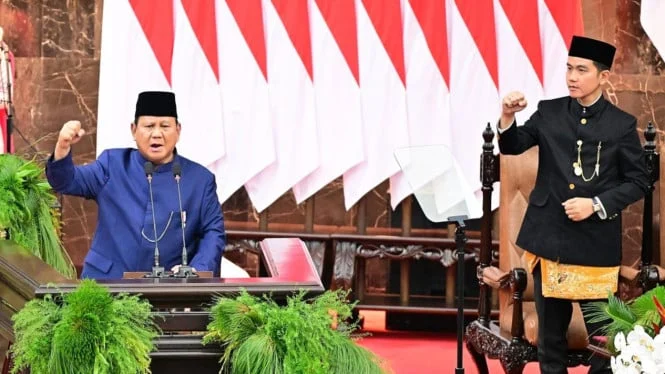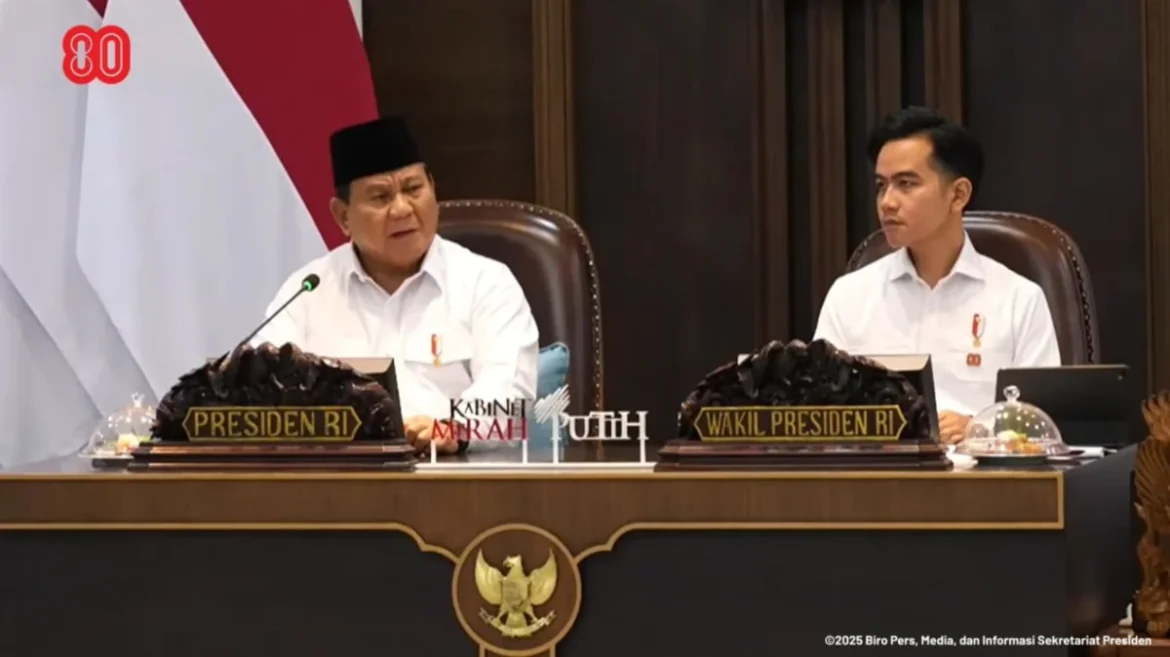
JAKARTA — Ahead of the momentous one-year milestone of the current executive leadership, the latest public opinion data released by Poltracking Indonesia indicates robust approval ratings for the administration of President Prabowo Subianto and Vice President Gibran Rakabuming Raka. As the government approaches its official anniversary on October 20, 2025, the comprehensive nationwide survey underscores strong public confidence in the trajectory of the country’s governance, policy execution, and leadership style.
According to the findings presented by Poltracking Indonesia, an overwhelming majority of Indonesian citizens express contentment with the combined stewardship of the nation’s top two leaders. The survey, which captured public sentiment during the early days of October, provides a detailed look into the socio-political climate of Indonesia as the administration solidifies its foundational policies and navigates complex domestic and international challenges.
Comprehensive Approval Ratings and Breakdown
During an online press briefing held on Sunday, October 19, 2025, Poltracking Indonesia Executive Director Hanta Yuda outlined the core metrics of the study. When evaluating the joint performance of the administration, 78.1 percent of respondents stated they were satisfied with the Prabowo-Gibran executive branch. Conversely, 19.3 percent registered dissatisfaction, while a marginal 2.6 percent chose not to answer or indicated that they did not know.
"This represents the combined satisfaction rating of the Prabowo-Gibran government," Hanta Yuda explained during the virtual conference. "Overall, 78.1 percent state they are satisfied, while 19.3 percent express dissatisfaction."
A granular analysis of the data reveals distinct approval metrics for each leader individually. President Prabowo Subianto commands a personal satisfaction rating of 78.3 percent. Breaking down this figure further, 9.7 percent of respondents declared themselves "very satisfied," while a substantial 68.6 percent reported being "quite satisfied." On the other side of the ledger, 19.2 percent registered negative sentiments, which comprise 17.5 percent who felt "less satisfied" and 1.7 percent who were completely "dissatisfied."
Vice President Gibran Rakabuming Raka also secured a formidable public mandate, with 71.4 percent of respondents expressing satisfaction with his performance. The figures indicate that the younger demographic and the broader electorate maintain a favorable view of the vice president’s contributions to the administration’s policy agenda, particularly in areas concerning youth empowerment, digital transformation, and regional development initiatives.
Methodological Rigor and Survey Parameters
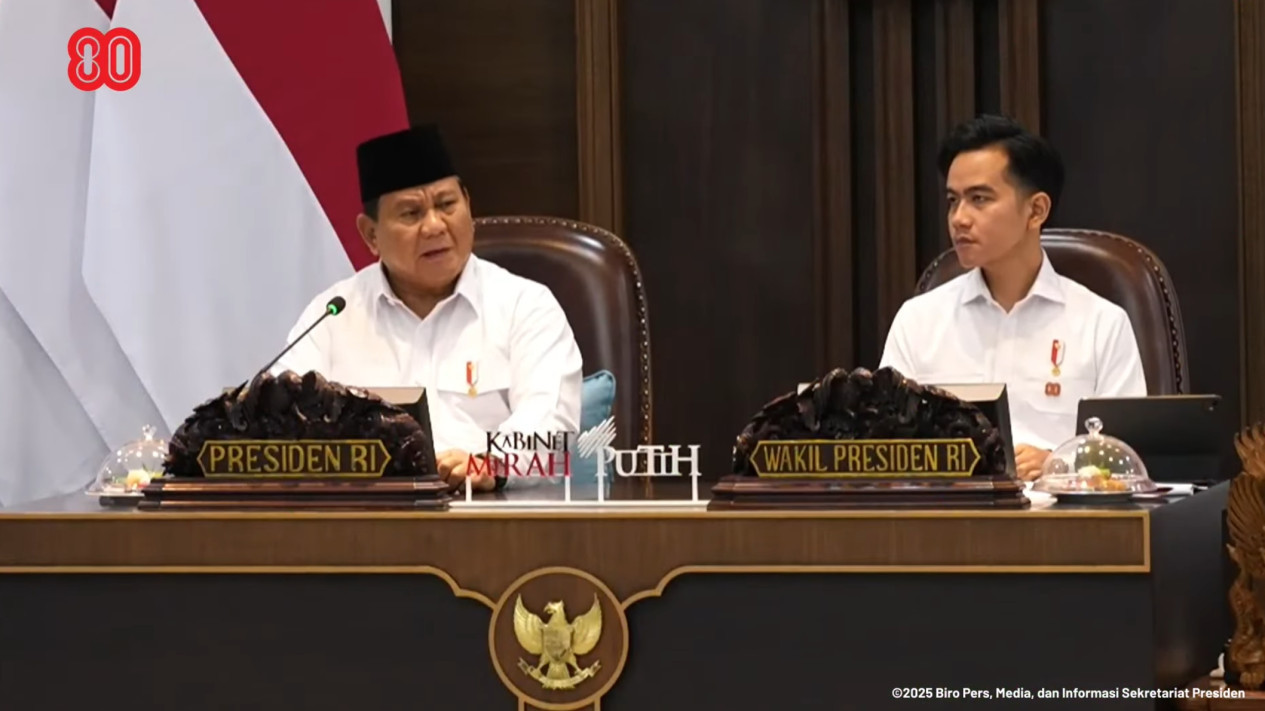
To ensure the statistical validity and reliability of the data, Poltracking Indonesia implemented rigorous polling methodologies. The nationwide survey was conducted between October 3 and October 10, 2025, engaging a total of 1,220 respondents across various provinces and demographic strata.
The study maintained a margin of error of approximately plus or minus 2.9 percentage points, paired with a confidence level of 95 percent. Field operations utilized direct face-to-face interviews executed by thoroughly trained surveyors, a method widely regarded as the gold standard for public opinion polling in regions with diverse geographic and infrastructural conditions like Indonesia. This approach helps mitigate digital divides and ensures that rural populations are adequately represented alongside urban constituents.
Key Drivers of Public Satisfaction
To understand the underlying factors propelling these high approval ratings, the survey prompted satisfied respondents to identify the primary motivations behind their positive assessments of President Prabowo Subianto’s leadership. The resulting hierarchy of public priorities offers profound insights into what matters most to the Indonesian electorate.
Leading the list at 22.9 percent was the perception of strong, decisive, and responsible leadership. A significant portion of the population values President Prabowo’s assertive communication style, military background, and willingness to tackle difficult systemic issues head-on.
The second most prominent factor, cited by 13.4 percent of respondents, was the tangible impact of government social assistance programs. Welfare distributions, targeted subsidies, and safety net interventions continue to serve as critical lifelines for low-income families grappling with economic fluctuations.
Ranking third with 11.4 percent was the populist appeal of the president, characterized by a perceived closeness to ordinary citizens and a steadfast commitment to defending the interests of the common people. This connection bridges the gap between the upper echelons of state power and the grassroots communities.
In fourth place, accounting for 9.2 percent of the responses, was progress in law enforcement and anti-corruption campaigns. The public continues to monitor institutional reforms closely, viewing anti-graft measures as a vital barometer of good governance.
Rounding out the top five reasons at 8.2 percent was the implementation of the Free Nutritious Meal (Makan Bergizi Gratis – MBG) program. As one of the flagship social policy initiatives of the Prabowo-Gibran ticket, the program has steadily gained visibility and appreciation among families, particularly for its long-term vision of addressing childhood malnutrition and supporting human capital development.

Contextualizing the First Year in Office
The release of these survey numbers arrives at a critical juncture for the Indonesian republic. As the administration marks its first full year in office on October 20, 2025, it inherits both the structural achievements of the previous Joko Widodo administration and a unique set of contemporary trials.
President Prabowo Subianto assumed office with an ambitious legislative and executive agenda aimed at accelerating national self-sufficiency, boosting economic growth toward targeted benchmarks, and restructuring public expenditure. Throughout the past twelve months, the administration has focused heavily on consolidating political stability, forging legislative coalitions, and aligning central and regional development goals.
However, governance has not been without its friction points. Observers note that while executive approval remains exceptionally high, administrative execution across different levels of government continues to face hurdles. For instance, recent executive evaluations have highlighted systemic challenges regarding local government implementation, with the administration openly noting that numerous regional administrations (Pemda) have struggled to optimize their budgetary allocations effectively for maximum public benefit.
Implications for Future Policy and Governance
The robust 78.1 percent combined approval rating provides the Prabowo-Gibran administration with significant political capital as it transitions into its second year of governance. High public trust acts as a vital cushion, enabling the executive branch to pursue potentially disruptive structural reforms without facing immediate, paralyzing political pushback.
Political analysts suggest that maintaining this momentum will hinge on the administration’s ability to translate high satisfaction into sustained economic relief and institutional integrity. While the popularity of welfare programs and decisive leadership styles currently drives positive sentiment, long-term public approval will likely depend on the successful, corruption-free scaling of complex initiatives like the Free Nutritious Meal program, alongside effective management of national inflation, job creation, and infrastructure development.
Furthermore, the strong numbers registered for both the president and the vice president indicate that the dual leadership model continues to function cohesively. By dividing focus between high-level strategic geopolitics, defense, and national security—managed primarily by President Prabowo—and targeted domestic administrative affairs, youth engagement, and regional synergy, the executive team has successfully captured a broad spectrum of the Indonesian electorate.
As the administration steps past its inaugural anniversary, policymakers in Jakarta will undoubtedly analyze these metrics to fine-tune their strategic communications, accelerate lagging regional budgets, and ensure that the foundational promises made during the 2024 electoral campaign continue to materialize into measurable improvements in the daily lives of citizens nationwide.