
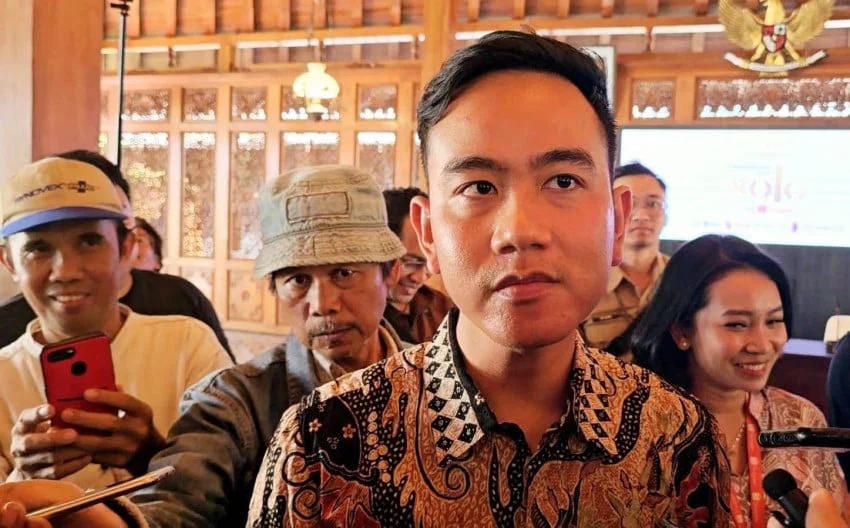
The Dewan Kehormatan Penyelenggara Pemilu (DKPP), Indonesia’s Ethics Council for Election Organizers, has officially acknowledged receipt of five separate complaints concerning the candidacy of Gibran Rakabuming Raka for the office of Vice President. This development comes in the wake of significant judicial scrutiny surrounding the eligibility of candidates following a series of controversial rulings by the Constitutional Court (MK) and subsequent legal challenges involving administrative documentation.
The confirmation was delivered by DKPP member I Dewa Kade Wiarsa Raka Sandi during a press engagement at the General Elections Commission (KPU) headquarters in Jakarta. According to Raka Sandi, the council is currently processing these complaints with a high degree of urgency, given their potential impact on the integrity and legal standing of the upcoming national electoral process.
The Status of Legal Challenges
Of the five complaints currently under review by the DKPP, the procedural status varies. Raka Sandi noted that two of the complaints have successfully met the material requirements necessary for a full investigation. This implies that the complainants have provided sufficient preliminary evidence or legal grounds for the DKPP to initiate a formal inquiry into whether the election organizers—specifically the KPU—acted in accordance with ethical standards when processing the registration of Gibran Rakabuming Raka.
The remaining three complaints are in different stages of the administrative pipeline. Two are currently undergoing a rigorous verification process to ensure they meet the formal administrative criteria required by the DKPP’s internal regulations. The final complaint has been deemed insufficient regarding its administrative requirements, though the complainant retains the right to rectify these deficiencies.
The DKPP serves as a critical body in Indonesia’s democratic infrastructure, tasked with ensuring that election organizers remain impartial, transparent, and strictly adherent to the law. The involvement of the DKPP in this matter underscores the gravity of the allegations, which typically involve claims of procedural negligence, favoritism, or the acceptance of invalid documentation during the candidate registration phase.
Contextualizing the Controversy: A Timeline of Events
The candidacy of Gibran Rakabuming Raka, the eldest son of former President Joko Widodo, has been a focal point of intense legal and political debate since it was first announced. The controversy traces back to the Constitutional Court’s Decision Number 90/PUU-XXI/2023, which altered the age and experience requirements for presidential and vice-presidential candidates.
- October 2023: The Constitutional Court issued a ruling that allowed individuals under the age of 40 to run for president or vice president, provided they had previously served in an elected regional office. This ruling effectively cleared the path for Gibran, who was serving as the Mayor of Surakarta, to join the presidential ticket.
- Late 2023 to Early 2024: Following the registration of his candidacy, various civil society groups and legal experts filed multiple challenges questioning the constitutionality of the process and the ethics of the judges involved in the MK ruling.
- Recent Developments: The discourse has intensified following reports that the Supreme Court (MA) or other judicial bodies have scrutinized the validity of supporting documents, including the "Suket" (Surat Keterangan or Certificate) provided during the registration process.
- November 2026: The current influx of complaints to the DKPP reflects a renewed effort by legal observers to hold the election organizers accountable for the administrative validity of the candidacy, particularly in light of emerging reports regarding the cancellation or invalidation of specific supporting documents.
Reaction from Political Stakeholders
The news regarding the potential invalidation or questioning of candidate documentation has sent shockwaves through the political establishment. Ahmad Doli Kurnia, a prominent figure from the Golkar Party—a key member of the coalition supporting the candidacy—expressed surprise at the developments surrounding the Supreme Court’s scrutiny of Gibran’s documents.
"We are currently studying and deepening our understanding of the situation," Doli stated in response to inquiries regarding the MA’s decision. This measured response highlights the precarious position of political parties that anchored their campaigns on the legitimacy of the Constitutional Court’s initial ruling. For these parties, any legal finding that suggests procedural errors occurred during the registration of their vice-presidential candidate could necessitate a rapid legal and political pivot.
The Role of the DKPP and Election Integrity
The DKPP’s mandate is distinct from that of the Constitutional Court. While the MK handles constitutional disputes and the legality of laws, the DKPP focuses exclusively on the ethics of the individuals serving in the KPU and the Election Supervisory Body (Bawaslu).
When the KPU accepts a candidate’s registration, it is expected to conduct a thorough verification of all documents. If the DKPP finds that the KPU knowingly accepted fraudulent, incomplete, or legally disputed documents, it has the authority to sanction KPU commissioners. In extreme cases, such findings can serve as the basis for further legal action in other courts, potentially casting doubt on the entire election outcome.
The five complaints currently before the DKPP are essentially an attempt to determine whether the "gatekeepers" of the election—the commissioners—failed their duty to the public. If the DKPP determines that ethical breaches occurred, it would provide significant ammunition for those seeking to challenge the validity of the election results on the grounds of administrative malpractice.
Broader Implications for Indonesian Democracy
The ongoing legal battles surrounding the vice-presidential candidacy represent a stress test for Indonesia’s democratic institutions. The primary concern among observers is the "judicialization of politics," where electoral outcomes are increasingly determined in courtrooms rather than at the ballot box.
1. Erosion of Public Trust: Constant legal challenges to the eligibility of candidates can lead to a decline in voter confidence. If citizens perceive that the rules of the game are being altered or selectively applied to favor specific candidates, the legitimacy of the resulting government may be questioned.
2. Institutional Strain: The KPU, the DKPP, the Supreme Court, and the Constitutional Court are all currently caught in a cycle of litigation. This puts immense pressure on these institutions to remain neutral, often leading to public perception that these bodies are being used as political tools by competing factions.
3. Future Precedents: The outcome of the DKPP’s review will set a significant precedent for future elections. It will clarify the extent to which election organizers can be held liable for the administrative errors of candidates. If the DKPP rules in favor of the complainants, it will send a strong message that procedural rigor cannot be bypassed for political expediency.
Analytical Outlook
While the DKPP’s acknowledgement of five complaints does not inherently imply that Gibran Rakabuming Raka’s candidacy is illegal, it indicates that there is enough substance in the allegations to warrant a formal process. The "material requirements" met by two of the complaints suggest that the complainants have moved beyond mere speculation and have presented arguments that require a defensive response from the election organizers.
The timing of these complaints, arriving well after the initial election cycle, suggests that new evidence or specific legal interpretations regarding the validity of administrative certificates have emerged. This is not a static legal issue; it is an evolving situation where the discovery of any single piece of invalid documentation could trigger a domino effect of legal challenges.
As the DKPP continues its verification and investigation, the Indonesian public and international observers remain focused on whether the council will maintain its independence. The integrity of the 2026 election cycle is inextricably linked to the council’s ability to adjudicate these complaints fairly, transparently, and without fear of political retribution.
In conclusion, the situation surrounding the candidacy of Gibran Rakabuming Raka remains a defining legal issue for the current political era. With the DKPP actively vetting complaints, the focus shifts to the upcoming proceedings. Whether these complaints lead to administrative sanctions against the KPU or serve as a catalyst for deeper constitutional inquiries remains to be seen. What is clear, however, is that the demand for accountability in the candidate registration process is far from resolved, and the findings of the DKPP will be critical in shaping the final narrative of this electoral period.
