
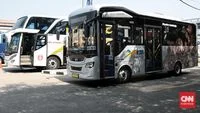
The municipal government of Depok, West Java, has officially announced a significant shift in its public transportation strategy, signaling the end of the fare-free period for the BisKita Trans Depok service. Starting in early 2027, passengers utilizing the route connecting the Depok Terminal to the Harjamukti LRT Station will be required to pay a set fare. This policy adjustment marks a pivotal moment in the city’s ongoing efforts to modernize its urban transit network and manage its fiscal responsibilities regarding public subsidies.
The announcement, delivered by Depok Mayor Supian Suri, clarifies that the transition is not merely a revenue-generation measure but a strategic reallocation of financial resources. As the city prepares to expand its transit footprint, the budget previously dedicated to subsidizing the entire operation of the first corridor will be redirected to support the introduction of a new service line.
Chronology and Operational Context
The BisKita Trans Depok program was launched as part of a broader national initiative under the "Buy the Service" (BTS) scheme, which aims to provide safe, comfortable, and reliable public transportation in major urban areas across Indonesia. Since its inception, the service has been free of charge to encourage public uptake and reduce reliance on private vehicles, thereby alleviating the notorious traffic congestion that plagues the Jakarta-Bogor-Depok-Tangerang-Bekasi (Jabodetabek) agglomeration.
For the past two years, the service has acted as a pilot program, testing the feasibility of integrated transit links—specifically connecting suburban residential hubs in Depok to the high-capacity Jabodebek LRT system. However, the fiscal burden of maintaining a fully subsidized fleet has proven to be substantial. For the fiscal year 2026, the Depok municipal government has allocated approximately IDR 19 billion to cover the operational costs of the current route.
The decision to end the free-ride policy in 2027 follows an internal evaluation by the city administration, which concluded that maintaining free access across multiple corridors is financially unsustainable given the current budgetary constraints.
Strategic Reallocation of Subsidies
The core motivation behind the transition is the upcoming expansion of the transit network. The city is preparing to launch "Corridor 2," a vital route that will connect the Depok Terminal with the Bojong Sari district. This area is a rapidly growing residential zone where public transportation accessibility remains a challenge for thousands of commuters.
"If we maintain the free-ride policy for both corridors simultaneously, the financial burden on the city budget would be excessive," explained Mayor Supian Suri. "By transitioning the first corridor to a paid service in 2027, we free up the necessary fiscal space to ensure that the new Bojong Sari-Terminal Depok route can be operational and potentially subsidized or supported during its initial rollout."
This shift underscores a common challenge faced by regional governments in Indonesia: balancing the demand for affordable public services with the long-term sustainability of municipal finances. The transition also reflects a maturation phase for the BisKita project, moving from an experimental, state-funded pilot toward a more permanent, user-supported infrastructure model.
The New Fare Structure
To ensure a smooth transition, the Depok government has unveiled a tiered fare structure designed to protect vulnerable demographics while ensuring that the broader commuter base contributes to the operational costs.
Under the new policy, the standard fare for the public, including university students, will be set at IDR 6,000 per trip. Recognizing the social role of public transport, the city has implemented a concessionary rate for specific groups. Senior citizens aged 60 and above, as well as school-aged students, will benefit from a reduced fare of IDR 4,000.
This structure is intended to maintain the social inclusivity of the service. By setting a fare that remains competitive with other modes of transport—such as private ride-hailing or conventional public minibuses (angkot)—the government hopes to retain the current user base while ensuring that the service can eventually achieve a higher degree of self-sufficiency.
Economic and Urban Implications
The introduction of fares on the Depok-Harjamukti route is expected to have several implications for the city’s urban development and transit ecosystem.
- Shift in Commuter Behavior: While free services attract high ridership, the imposition of a fare typically leads to a more discerning passenger base. Authorities will be monitoring whether the demand for the service remains stable once the cost is introduced. If ridership remains high, it will serve as a strong indicator of the service’s value proposition.
- Financial Sustainability: By moving away from a 100% subsidy model, the city is moving toward a sustainable "cost-recovery" model. This is essential for the longevity of the project, as it reduces dependency on the fluctuating municipal budget and allows for more predictable long-term maintenance and fleet upgrades.
- Connectivity Improvement: The expansion to Bojong Sari is a strategic move to integrate a previously underserved segment of the population into the greater Jabodebek transit network. The economic benefits of connecting Bojong Sari residents to the LRT system are expected to outweigh the costs, potentially increasing the mobility of the workforce and reducing the carbon footprint of daily commutes.
- Integration with Broader Networks: The Depok-Harjamukti corridor is an essential link for commuters working in the central business districts of Jakarta. The reliability of this service is crucial for the success of the Jabodebek LRT. By ensuring the long-term operational health of the bus feeder system, the municipal government is reinforcing the utility of the national LRT project.
Official Responses and Public Reaction
While the government emphasizes the necessity of the budget reallocation, the announcement has prompted discussions among transit advocacy groups and commuters. Transit observers have generally praised the expansion to Bojong Sari as a positive development, noting that the demand for public transport in that corridor is significantly higher than in some other parts of the city.
However, there is a lingering concern regarding the quality of service. Commuters have frequently pointed out that for a paid service to be successful, it must be demonstrably better than the alternatives. Reliability, frequency of buses, and the integration of digital payment systems will be the primary factors determining whether the public accepts the new fare without returning to private motorcycle or car usage.
The Depok Transportation Agency (Dishub) has indicated that they are currently working on optimizing the schedule and improving the bus stop infrastructure to ensure that by 2027, the passenger experience justifies the IDR 6,000 fare. Furthermore, the integration with digital platforms—such as QRIS or existing electronic money cards—will be prioritized to ensure a seamless boarding process, which is essential for maintaining the efficiency of the routes.
Future Outlook for Depok’s Transit System
The transition period between now and 2027 will be critical. The city government must navigate the technical, operational, and social challenges of implementing a fare system after a prolonged period of free access.
Looking ahead, the success of the BisKita Trans Depok model could serve as a blueprint for other satellite cities within the Jakarta metropolitan area. As the region faces increasing pressure to solve its mobility crisis, the ability to effectively manage subsidies and expand transit corridors will be a key performance indicator for local administrations.
The move to charge for the first corridor is not a retreat from the goal of public transit accessibility; rather, it is a pragmatic adjustment. By prioritizing the expansion of the network to reach more residents in Bojong Sari, the city is betting on the long-term benefits of a more expansive and interconnected transport grid.
As of the latest reports, the Depok administration remains committed to its timeline. The transition will likely involve a comprehensive public information campaign in late 2026 to ensure that all commuters are aware of the impending changes and the specific fare requirements. For the residents of Depok, the coming years will be defined by this transition from a subsidized experimental service to a more robust, professional, and sustainable public transportation system that aims to bridge the gap between suburban living and the metropolitan core.
