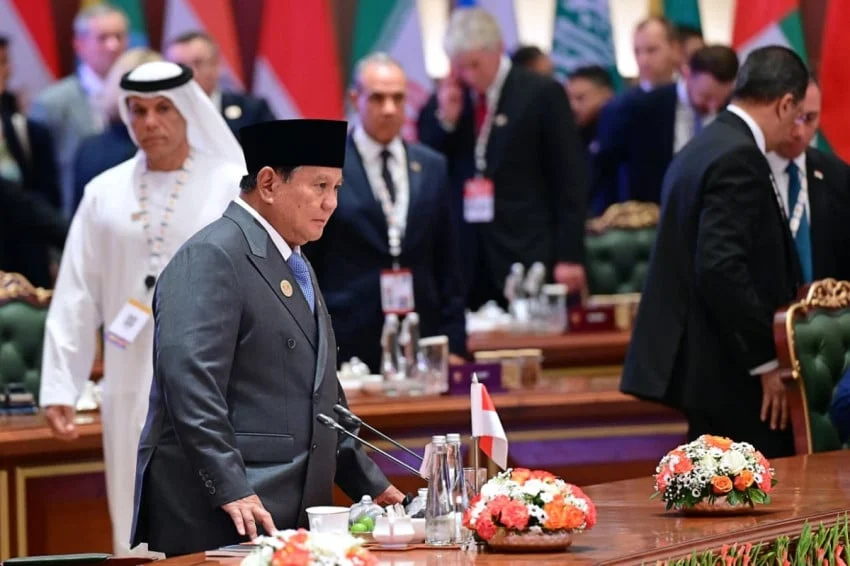
The geopolitical gravitational pull of the BRICS economic bloc continues to intensify across the Global South, remaining largely immune to mounting diplomatic pressure and economic threats from traditional Western powers, particularly the United States. Despite aggressive warnings, coercive trade policies, and threats of secondary sanctions or punitive tariffs aimed at deterring alignment with the bloc, an impressive total of 45 developing nations have officially applied or expressed formal interest in joining the intergovernmental organization.
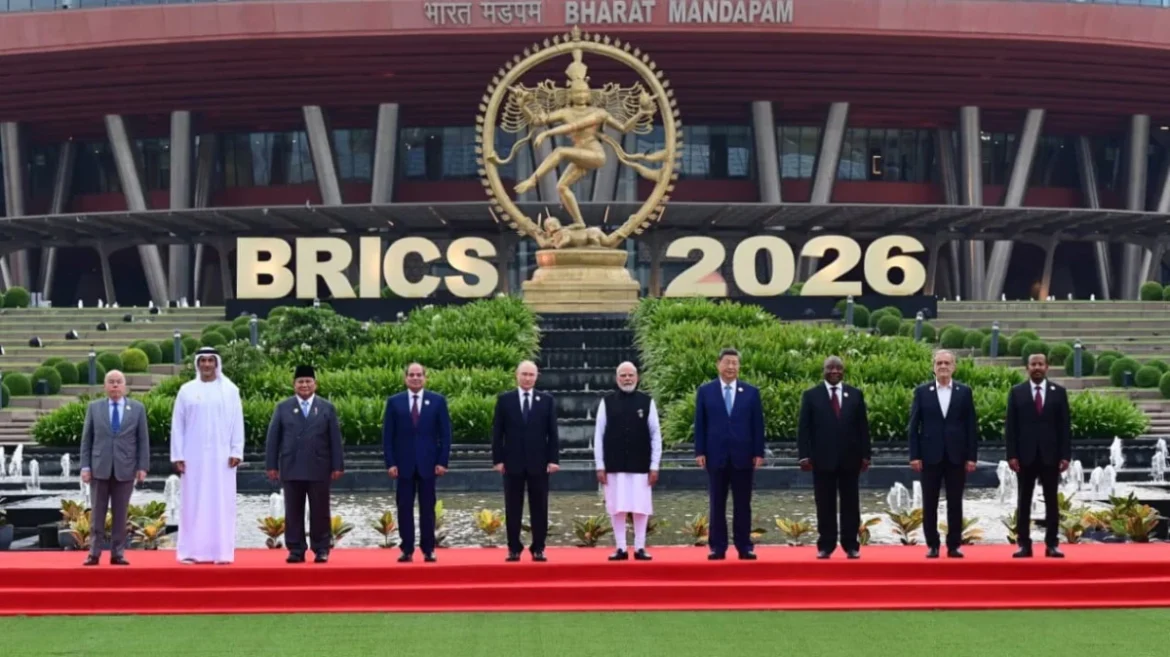
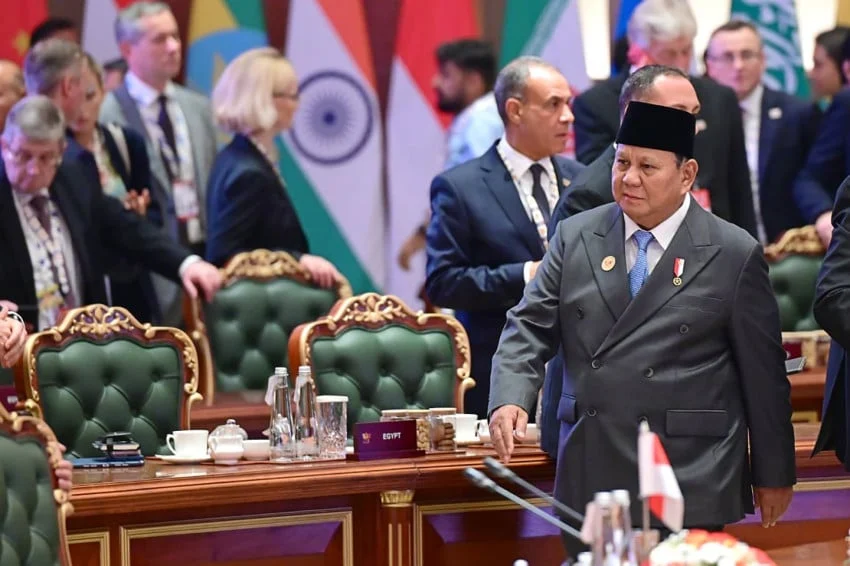
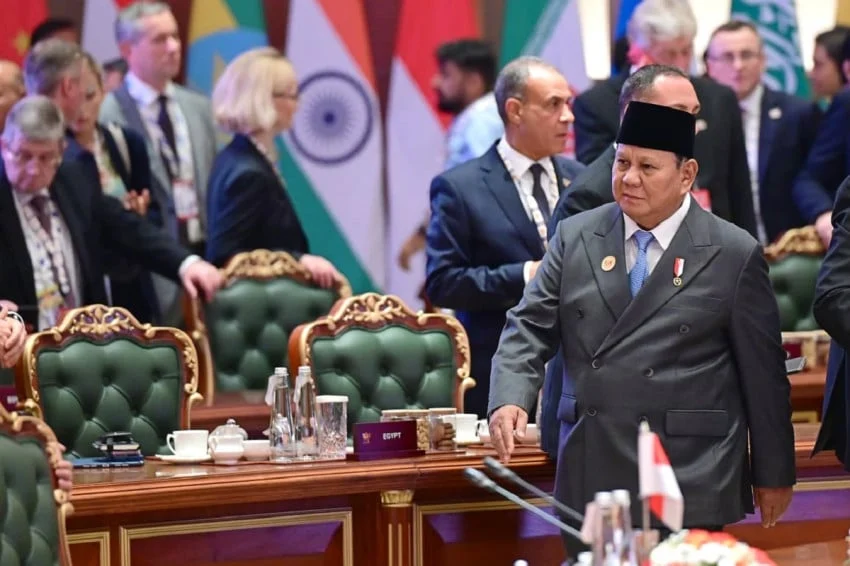
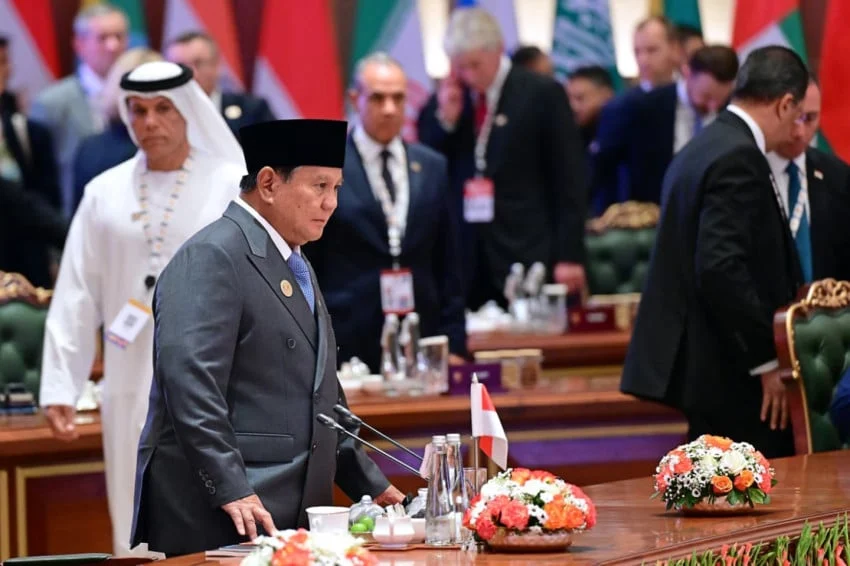
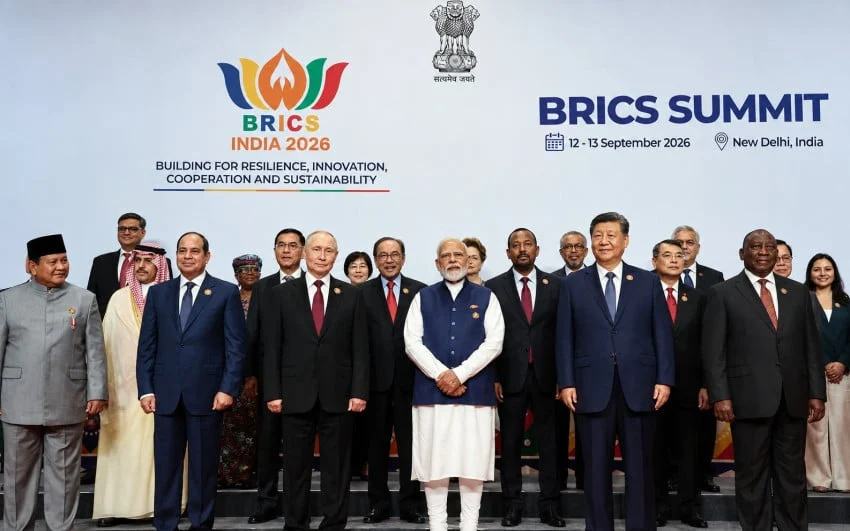
This sustained and growing momentum was highlighted recently by Russian Foreign Minister Sergey Lavrov, who underscored that the allure of BRICS lies in its capacity to serve as the foundational blueprint for a reformed, multipolar international order. Lavrov’s remarks followed the conclusion of the high-profile 18th BRICS Summit, which was hosted by India in New Delhi on September 12–13, 2026. The summit served as a critical platform for member states to deliberate on expansion criteria, governance reforms, and the de-dollarization of international trade, further solidifying the bloc’s role as a formidable counterweight to Western-led financial and political institutions.
The Evolving Landscape of BRICS Expansion
The narrative surrounding BRICS has shifted dramatically over the past several years. Originally conceived in 2009 as an acronym for Brazil, Russia, India, and China—with South Africa joining in 2010—the collective has evolved from an investment category into a cohesive geopolitical and geo-economic alliance. The historical expansion wave of January 2024 saw Egypt, Ethiopia, Iran, and the United Arab Emirates formally integrated into the fold, expanding the bloc’s demographic and economic footprint across the Middle East and Africa.
The recent summit in New Delhi underscored that this appetite for inclusion has not plateaued. According to diplomatic sources and statements from high-ranking officials, the current cohort of 45 interested countries represents a diverse array of geopolitically strategic nations spanning Latin America, Africa, Southeast Asia, and Eastern Europe. Among these applicants is Bangladesh, whose bid for membership has received formal backing from Russia, though its formal induction remains under careful review by the consensus-driven mechanisms of the existing member states.
The interest from these nations manifests in varying degrees of integration. While some governments seek full-fledged membership with voting rights and equal standing in policy formulation, others are exploring alternative tiers of partnership, such as partner-state status. This tiered approach allows developing economies to benefit from developmental financing, trade agreements, and energy security partnerships without fully committing to the deep geopolitical alignments or obligations demanded of full members.
Geopolitical Friction: Western Pressure and US Tariffs
The remarkable resilience of the BRICS expansion drive occurs against a backdrop of escalating geopolitical friction. Washington and its European allies have increasingly viewed the rapid institutionalization of BRICS—alongside parallel initiatives like the New Development Bank (NDB) and proposals for independent payment systems—as a direct challenge to the post-World War II, US-led international liberal order.
In recent months, political leaders in Washington have escalated their rhetoric, openly characterizing the bloc as an antagonistic force designed to undermine Western economic hegemony. This rhetoric has been accompanied by tangible policy threats, including warnings of prospective tariffs, trade penalties, and diplomatic isolation for developing countries that actively seek integration into the BRICS architecture.
Despite these high-stakes warnings, Foreign Minister Lavrov and other senior BRICS representatives maintain that the coercive tactics are backfiring. During a press briefing following the New Delhi summit, Lavrov asserted that the coercive measures pursued by the United States and its allies fail to recognize the fundamental grievances harbored by the Global South.
"I do not see any decline in interest toward BRICS as a result of pressure from Western countries, particularly the United States, which openly declares BRICS as a primary obstacle to its global primacy," Lavrov stated. He emphasized that the persistent pushback from Washington only serves to expose the unequal nature of traditional global governance structures, thereby driving more nations to seek alternative multilateral frameworks.
The Economic and Financial Rationale Behind BRICS Appeal
To understand why 45 nations are willing to risk Western economic displeasure to join BRICS, analysts point to a combination of structural economic factors, systemic financial vulnerabilities, and the shifting distribution of global GDP.
Historically, developing nations have voiced deep dissatisfaction with the governance structures of Bretton Woods institutions such as the International Monetary Fund (IMF) and the World Bank. Despite contributing the vast majority of global economic growth in the 21st century, emerging markets have long felt underrepresented in the voting shares and policy-making procedures of these legacy institutions. Furthermore, the weaponization of the global financial system—most notably through the extensive use of sanctions, asset freezes, and the exclusion of rival nations from the SWIFT international messaging network—has made many developing countries acutely aware of their vulnerability to unilateral Western monetary policies.
BRICS offers an appealing alternative by promoting several core economic initiatives:
- De-dollarization and Local Currency Trade: Member states have steadily increased the volume of bilateral trade conducted in their own national currencies rather than the US dollar. This reduces exchange rate volatility, lowers transaction costs, and shields participating economies from the spillover effects of US monetary policy decisions, such as aggressive Federal Reserve interest rate hikes.
- Alternative Financial Infrastructure: Through the Contingent Reserve Arrangement (CRA) and the New Development Bank, BRICS provides a liquidity backstop and infrastructure financing mechanism that does not impose the rigorous, often politically contentious structural adjustment programs historically mandated by the IMF.
- Resource Security and Supply Chain Resilience: The inclusion of major energy exporters (such as Russia, Iran, and the UAE) alongside major industrial consumers (such as China and India) creates a powerful self-contained ecosystem for energy security, critical minerals, and agricultural commodities.
Chronology of Recent Milestones
The path leading up to the 18th BRICS Summit in New Delhi is marked by rapid institutional growth and widening global engagement:
- August 2023 (Johannesburg Summit): The BRICS bloc announces its first major expansion in over a decade, inviting six new nations to join, signaling a strategic pivot toward greater representation of the Global South.
- January 2024: Egypt, Ethiopia, Iran, and the United Arab Emirates officially assume full membership status, expanding the bloc’s economic output to over a third of global GDP in purchasing power parity terms.
- October 2024 (Kazan Summit): Hosted by Russia, the summit introduces the official "Partner Country" category, establishing a formal framework to accommodate the dozens of nations expressing interest without diluting the decision-making efficiency of core members.
- September 12–13, 2026 (New Delhi Summit): India hosts the 18th BRICS Summit, where leaders review expansion applications, debate institutional reforms, and address growing Western economic pressures on prospective members.
- September 19, 2026: Russian Foreign Minister Sergey Lavrov publicly confirms that despite intense pressure and threats of US tariffs, 45 countries maintain active applications or expressions of interest to join the bloc.
Implications for the Future of Global Governance
The relentless expansion ambitions of the BRICS bloc carry profound implications for the architecture of international relations. While Western policymakers frequently dismiss BRICS as a disparate collection of nations with competing regional interests—notably the historical and ongoing border and geopolitical sensitivities between China and India—the practical cooperation on economic sovereignty suggests a high degree of pragmatic alignment.
The willingness of 45 sovereign states to weather diplomatic warnings demonstrates that the traditional center of gravity in international affairs is experiencing a permanent dispersal. As multilateralism fragments into competing regional and ideological blocs, the ability of Western capitals to enforce global economic compliance through punitive measures is visibly diminishing.
For developing nations, alignment with BRICS is increasingly viewed not as an anti-Western stance, but as a pragmatic insurance policy—a mechanism to diversify diplomatic and economic partnerships in an increasingly volatile and multipolar world. As the consensus-driven mechanisms of BRICS continue to evaluate candidates like Bangladesh and refine the criteria for partner states, the organization is steadily cementing its status as an indispensable pillar of 21st-century global economics.