The prominent Indonesian fast-food chain PT Eka Bogainti, operating under the brand name HokBen, has officially announced the expansion of its noodle-based menu with the introduction of Spicy Ramen. This strategic move, unveiled in Jakarta on February 14, 2023, aims to tap into the deep-seated preference of Indonesian consumers for spicy flavors, further diversifying the brand’s offerings beyond its traditional bento-style meals. The launch marks a significant milestone in the company’s ongoing efforts to modernize its menu and maintain its competitive edge in the rapidly evolving casual dining landscape of Southeast Asia’s largest economy.
According to Francisca Lucky, the General Manager of Marketing at PT Eka Bogainti, the decision to develop a spicy variant of their ramen line was a direct response to consumer insights and market trends. Speaking at the launch event, Lucky emphasized that the "spicy" flavor profile is almost inseparable from the daily culinary habits of the Indonesian population. By integrating this element into their Japanese-themed menu, HokBen seeks to bridge the gap between authentic Japanese culinary techniques and local taste preferences, creating a product that is both familiar and novel to its established customer base.
Technical Specifications and Pricing Strategy
The newly launched Spicy Ramen is crafted using a concentrated chicken broth (tori paitan) base, infused with a proprietary blend of spices to achieve its signature heat. The dish is served with a comprehensive array of toppings designed to provide a balance of textures and flavors. These include chicken chasiu—thinly sliced braised chicken—alongside ni tamago (a seasoned soft-boiled egg), pakcoy (bok choy), fresh scallions, and wood ear mushrooms (jamur kuping). The inclusion of wood ear mushrooms, in particular, adds a distinct crunch that is characteristic of traditional ramen preparations.
In terms of market positioning, HokBen has implemented a tiered pricing strategy to ensure accessibility while catering to different appetite levels. The Spicy Ramen is available in two sizes: the Regular portion, priced at Rp 38,000, and the Large portion, priced at Rp 48,000. This pricing puts the product in a highly competitive bracket, sitting comfortably between low-end street food ramen and high-end boutique ramen houses, which often charge upwards of Rp 70,000 to Rp 100,000 per bowl. By offering a "large" option, HokBen is also addressing the value-for-money sentiment that remains a primary driver for Indonesian fast-food consumers.
The Evolution of Hoka Ramen: A Chronological Context
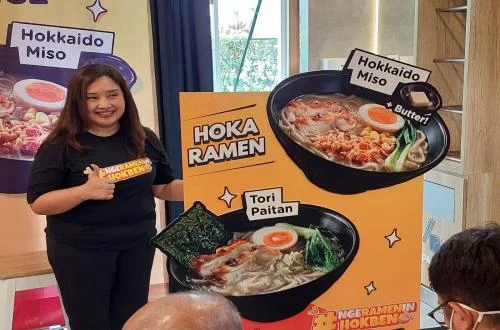
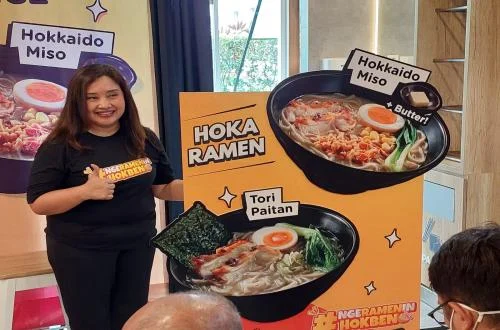
The introduction of Spicy Ramen is not an isolated event but rather the latest phase in a broader product development timeline that began in late 2022. Recognizing the surging popularity of ramen in Indonesia, HokBen initially entered the category by launching the "Hoka Ramen" series in the final quarter of the previous year. The debut featured two distinct variants: Hokkaido Miso Ramen and Tori Paitan Ramen.
The Hokkaido Miso Ramen offered a savory, fermented soybean paste base, popular in northern Japan, while the Tori Paitan Ramen focused on a creamy, collagen-rich chicken broth. The success of these initial offerings provided the necessary market validation for the brand to pursue further iterations. The timeline of these launches suggests a calculated "phased entry" strategy, where the company first established its credibility in the ramen space with classic flavors before moving into the more specialized, "localized" territory of spicy cuisine.
Market Analysis: The "Spicy" Phenomenon in Indonesia
The strategic shift toward spicy products is supported by significant demographic and cultural data. Indonesia is a country where "sambal" (chili paste) is a staple in nearly every household. Market research consistently shows that spicy snacks and meals dominate the fast-moving consumer goods (FMCG) and restaurant sectors. In recent years, the "spicy noodle challenge" trend on social media platforms has further fueled a demand for increasingly pungent noodle dishes.
By launching Spicy Ramen, HokBen is effectively entering a sub-market currently occupied by specialized ramen chains and instant noodle giants. However, HokBen’s advantage lies in its massive physical footprint—boasting hundreds of outlets across the archipelago—and its long-standing reputation for quality and hygiene. The brand’s ability to offer a "juicy" texture and deep flavor penetration in its chicken chasiu, as noted in their official communications, is a key differentiator intended to lure diners away from more traditional beef-centric or pork-centric ramen establishments.
Corporate Strategy and Brand Positioning
Founded in 1985, HokBen (formerly Hoka Hoka Bento) has undergone several transformations to remain relevant. While it started as a Japanese-style lunch box provider, it has successfully transitioned into a full-service family restaurant. The pivot toward ramen represents a deeper diversification of their revenue streams.
The company’s marketing philosophy revolves around "Japanese Soul Food with a Local Twist." This involves using high-quality ingredients while ensuring that every dish meets the stringent Halal certification requirements necessary for the Indonesian market. Unlike many authentic Japanese ramen shops that rely on pork-based broths (tonkotsu), HokBen has mastered the art of the chicken-based broth, ensuring that their Spicy Ramen is accessible to the country’s Muslim-majority population. This "Halal-First" approach is a cornerstone of their business model and a significant factor in their enduring success over four decades.
Stakeholder Reactions and Industry Implications
Industry analysts view HokBen’s move as a defensive yet aggressive maneuver. As more international ramen brands enter the Indonesian market, established local players must innovate to prevent "brand fatigue." By adding ramen to their menu, HokBen transforms from a place where people go specifically for "teriyaki and yakiniku" into a comprehensive Japanese culinary destination.
Internal stakeholders at PT Eka Bogainti have expressed optimism regarding the Spicy Ramen’s performance. Preliminary feedback from the initial launch period indicates that the spicy variant is quickly becoming a top-seller among the younger "Gen Z" and "Millennial" demographics, who are more likely to seek out adventurous and photogenic food experiences. The visual appeal of the Spicy Ramen, with its vibrant red broth and meticulously arranged toppings, is designed to be "Instagrammable," a crucial metric for modern food marketing success.
Operational Excellence and Quality Control
To maintain consistency across its hundreds of branches, HokBen utilizes a centralized kitchen system and rigorous training protocols for its kitchen staff. The preparation of ramen requires more technical precision than standard bento frying; the noodles must be cooked to a specific "al dente" texture, and the broth must be maintained at a precise temperature to preserve its aromatic qualities.
The company has invested in specialized equipment to ensure that the Spicy Ramen served in a mall in Jakarta tastes identical to the one served in a standalone outlet in Surabaya or Bandung. This commitment to standardization is what allows HokBen to scale its menu innovations rapidly. The "Hoka Ramen" line, including the new spicy version, utilizes premium flour for the noodles and a slow-simmering process for the broth to extract maximum umami, which the company claims results in a "unique and delicious" flavor profile that sets it apart from competitors.
Future Outlook: Beyond the Spicy Trend
The launch of Spicy Ramen is likely a precursor to further menu expansions. As consumer tastes continue to fragment, large chains like HokBen are expected to explore more seasonal and limited-time offerings (LTOs) to drive foot traffic. There is speculation among culinary bloggers and industry watchers that HokBen may eventually introduce dry ramen (mazesoba) or seasonal seafood-based broths to further round out their noodle category.
In the broader context of the Indonesian food and beverage industry, HokBen’s move underscores a trend of "culinary hybridization," where global food formats are re-engineered to meet local sensory expectations. For HokBen, the Spicy Ramen is more than just a new menu item; it is a testament to the brand’s agility and its ability to listen to the "voice of the customer."
As the company moves forward, the success of the Spicy Ramen will serve as a benchmark for how well legacy brands can adapt to the "spicy-obsessed" digital age. With a combination of competitive pricing, strategic localization, and a robust supply chain, HokBen appears well-positioned to maintain its status as a leader in the Indonesian casual dining sector, proving that even after nearly 40 years in operation, there is still plenty of room for heat and innovation in their kitchen.