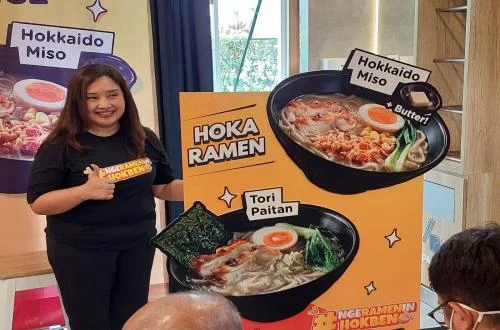
PT Eka Bogainti, the parent company of the prominent Japanese-style fast-food chain HokBen, has officially announced the expansion of its noodle-based menu with the introduction of Spicy Ramen. Launched on February 14, 2023, in Jakarta, this new offering is strategically designed to align with the deep-seated preference for spicy flavors among Indonesian consumers. This move follows the successful debut of the Hoka Ramen series in late 2022, signaling the company’s aggressive diversification strategy to capture a larger share of the burgeoning ramen market in Southeast Asia’s largest economy.
The introduction of Spicy Ramen represents a calculated effort by HokBen to remain competitive in a landscape where Japanese culinary influences continue to permeate the mainstream dining habits of Indonesians. By integrating local taste profiles—specifically the high demand for chili-based heat—with traditional Japanese noodle formats, HokBen aims to bridge the gap between authentic international cuisine and localized comfort food.
Strategic Product Development and Flavor Profile
The Spicy Ramen variant is characterized by a robust chicken-based broth infused with a specific blend of spices intended to provide a sharp yet savory heat. According to Francisca Lucky, the General Manager of Marketing at PT Eka Bogainti, the development of this menu item was directly influenced by consumer data indicating that a majority of Indonesians prioritize spicy options when selecting daily meals.
"This spicy flavor variant is inspired by the taste preferences of the majority of Indonesian people who like spicy flavors in their daily menu," Lucky stated during the product launch. She emphasized that the addition of Spicy Ramen is intended to complete the existing Hoka Ramen lineup, providing a comprehensive range of choices for the brand’s loyal customer base.
Technically, the Spicy Ramen is served with a variety of traditional and localized toppings. These include chicken chasiu—thinly sliced chicken prepared in a style reminiscent of Japanese braised meats—alongside ni tamago (a seasoned soft-boiled egg), pakcoy (bok choy), green onions, and wood ear mushrooms (jamur kuping). The combination of these ingredients is designed to offer a textural contrast, blending the softness of the noodles with the crunch of the vegetables and the richness of the protein.
To accommodate different consumer needs and price sensitivities, HokBen has introduced the Spicy Ramen in two distinct sizes. The "Regular" portion is priced at IDR 38,000, while the "Large" portion is available for IDR 48,000. This pricing strategy positions the product within the "accessible premium" segment, making it more affordable than specialized ramen boutiques while maintaining a higher quality perception than standard instant or food-court noodles.
Chronology of HokBen’s Ramen Expansion
The launch of Spicy Ramen is not an isolated event but the latest step in a phased rollout of noodle-based products by the company. Historically known for its bento boxes, fried appetizers, and teriyaki dishes, HokBen began a significant brand evolution in the final quarter of 2022.
In late 2022, the company officially entered the ramen sector with the launch of "Hoka Ramen." The initial rollout featured two primary variants:
- Hokkaido Miso Ramen: A savory dish utilizing a fermented soybean paste base, characteristic of the northern Japanese style, known for its rich and hearty flavor profile.
- Tori Paitan Ramen: A creamy chicken-based broth that serves as a popular alternative to the pork-based tonkotsu ramen, making it more suitable for the Indonesian market where halal considerations are paramount.
The success of these two variants provided the necessary proof of concept for PT Eka Bogainti to invest further in the category. The Spicy Ramen was developed as the third pillar of this strategy, addressing the "missing link" in their flavor portfolio: heat. The company claims that the Hoka Ramen series uses high-quality raw materials and a unique spice blend tailored specifically to the HokBen brand identity, ensuring that while the food is Japanese-inspired, it retains the "HokBen taste" that has been cultivated since the company’s inception in 1985.
Market Context: The Rise of Ramen Culture in Indonesia
The decision to double down on ramen reflects broader trends in the Indonesian food and beverage (F&B) industry. Over the last decade, ramen has transitioned from a niche culinary interest to a staple of urban dining. Several factors have contributed to this shift:
1. Halal Innovation
The primary barrier for Japanese ramen in Indonesia was traditionally the use of pork (tonkotsu) in the broth. However, the rise of "Halal Ramen" chains—using chicken (tori), beef, or collagen-based broths—has opened the market to the country’s Muslim majority. HokBen, which has long maintained rigorous Halal certification, is uniquely positioned to leverage its established trust with consumers to dominate this space.
2. The "Pedas" (Spicy) Phenomenon
Indonesia has a long-standing "spicy food culture." From traditional sambals to the modern "Ayam Geprek" craze, the level of chili in a dish often dictates its commercial success. By introducing a Spicy Ramen, HokBen is tapping into a psychological consumer trigger where "spiciness" is equated with "appetite-enhancing" qualities.
3. Fast-Casual Dining Trends
Post-pandemic, there has been a surge in "fast-casual" dining, where consumers seek a middle ground between traditional fast food and full-service restaurants. Ramen fits this model perfectly, as it is perceived as a "complete meal" that can be served quickly but feels more artisanal than a burger or fried chicken.
Supporting Data and Business Implications
While PT Eka Bogainti is a private entity and does not always disclose granular sales data, industry analysts note that menu diversification is essential for legacy brands like HokBen. Founded nearly four decades ago, HokBen has had to compete with a wave of new, trendy international franchises and local startups.
Data from the Indonesian Restaurant and Hotel Association (PHRI) suggests that the Japanese food segment remains one of the top three most popular foreign cuisines in Indonesia, alongside Chinese and Western food. By adding ramen to its core bento offerings, HokBen effectively increases its "share of stomach" per customer. A customer who might have grown tired of bento boxes now has a reason to visit HokBen for a different culinary experience, thereby increasing the frequency of visits and the average transaction value.
Furthermore, the pricing of Spicy Ramen (IDR 38k – 48k) is strategically competitive. In major cities like Jakarta, Surabaya, and Bandung, specialized ramen houses often charge between IDR 60,000 and IDR 100,000 per bowl. HokBen’s ability to offer a similar "experience" at a 30-50% discount, thanks to its massive supply chain and economy of scale, poses a significant challenge to both high-end ramen shops and lower-end street food vendors.
Official Responses and Quality Assurance
The company has placed a heavy emphasis on the "uniqueness" of its recipe. In official communications, HokBen representatives highlighted that the ramen noodles are crafted to have a specific "juicy" texture—likely referring to the moisture retention and "springiness" (alkaline quality) of the noodles—which allows them to absorb the broth without becoming soggy.
"The high-quality raw materials combined with HokBen’s signature seasoning make this dish have a unique and delicious aroma and taste," the company stated. This focus on "signature seasoning" is a branding tool used to differentiate their ramen from competitors like Marugame Udon (which focuses on thicker noodles) or various local ramen chains that may use more generic soup bases.
Logistically, the Spicy Ramen is being rolled out across HokBen’s extensive network of stores. This wide availability is a key competitive advantage. While a premium ramen brand might have 10 or 20 locations, HokBen’s hundreds of outlets across the archipelago allow it to introduce Japanese ramen culture to secondary and tertiary cities where specialized Japanese restaurants may not yet exist.
Analysis of Future Implications
The launch of Spicy Ramen is likely the precursor to further seasonal or limited-time offerings (LTOs) as HokBen seeks to keep its menu fresh. In the F&B industry, "Spicy" is often a gateway flavor. Success in this category often leads to variations such as "Extra Spicy," "Mala," or "Green Chili" infusions, depending on market reception.
Moreover, this move signals a shift in HokBen’s brand positioning. By successfully integrating ramen—a dish that requires different kitchen equipment and preparation techniques than fried bento components—HokBen is proving its operational flexibility. This could lead to the introduction of other Japanese staples in the future, such as specialized udon, soba, or even Japanese-style curries, further solidifying its status as a comprehensive "Japanese-style" fast-food destination rather than just a bento shop.
In conclusion, the introduction of Spicy Ramen by HokBen is a calculated response to the evolving tastes of the Indonesian public. By combining the global popularity of ramen with the local obsession with spicy food, and backing it with a competitive pricing strategy and a trusted halal-certified brand, PT Eka Bogainti is reinforcing its market leadership. As the Hoka Ramen line continues to grow, it will likely become a permanent and significant contributor to the company’s revenue stream, reflecting a successful adaptation of international cuisine for a local audience.