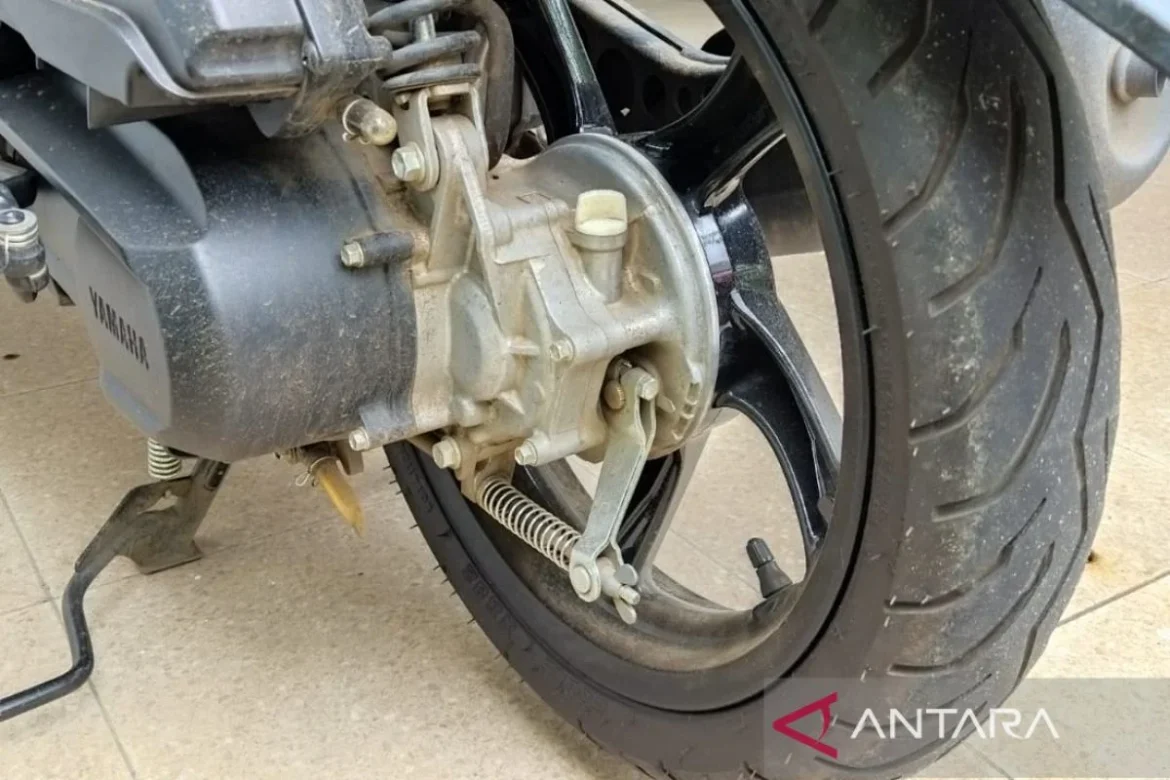
Motorcycle safety relies heavily on the optimal performance of its braking system, making any unusual noise during deceleration a critical concern for riders. Among the most common mechanical grievances reported by motorists is the high-pitched squeal or squeaking sound emanating from the front or rear brakes. While this phenomenon is frequently dismissed as a temporary nuisance—often triggered by morning dew, heavy rain, or a recent vehicle wash—automotive engineers and safety authorities emphasize that it can also serve as an early warning indicator for compromised components, such as worn brake pads, warped rotors, or contaminated calipers. Because the braking system is the primary line of defense against collisions, ignoring recurring acoustic anomalies can lead to catastrophic mechanical failures, extended stopping distances, and severe safety hazards on public roadways.
To help motorists navigate this technical challenge, vehicle manufacturers and mechanical safety experts have outlined a comprehensive framework detailing why motorcycle brakes develop squealing noises, how to accurately diagnose the root cause, and the systematic steps required to restore peak braking efficiency.
Background Context and Evolution of Motorcycle Braking Systems
Over the past several decades, motorcycle braking technology has evolved significantly, transitioning from simple mechanical drum systems to sophisticated hydraulic disc configurations equipped with anti-lock braking systems (ABS). Modern motorcycles utilize high-friction materials bonded to steel backing plates—commonly known as brake pads—which clamp down against a rotating metal disc attached to the wheel hub to convert kinetic energy into thermal energy.
Despite advancements in metallurgy and friction material composition, the fundamental physics of braking remain susceptible to environmental factors, mechanical wear, and material resonance. Brake squeal is fundamentally a high-frequency vibration caused by friction-induced stick-slip phenomena between the brake pad and the rotor surface. When microscopic irregularities occur due to environmental contamination, uneven wear, or thermal stress, the resulting harmonic vibrations translate into audible noise. Transport safety agencies note that brake-related maintenance issues account for a substantial percentage of preventable two-wheeler mechanical incidents, underscoring the necessity of proactive inspection routines, particularly in regions with high humidity, heavy rainfall, and congested urban traffic conditions.
Comprehensive Analysis of Brake Squeal Causes
Vehicle manufacturers and professional service technicians categorize the origins of motorcycle brake noise into seven distinct mechanical and environmental factors. Understanding these root causes is essential for effective troubleshooting and targeted maintenance.
-
Accumulation of Road Dust and Debris
One of the most frequent culprits behind intermittent brake noise is the accumulation of foreign particles. Street dust, fine sand, metallic brake residue, and organic debris can easily lodge themselves between the friction material of the brake pad and the surface of the disc rotor. When the rider engages the brake lever, the trapped particles interfere with smooth contact, generating a high-frequency squeal. This condition is particularly prevalent after riding through unpaved construction zones, heavy traffic congestion, or standing water that flushes particulate matter into the brake assembly. On traditional drum brake configurations, brake dust can accumulate heavily within the internal housing, leading to a muffled grinding or squeaking sound accompanied by a spongy lever feel. -
Critical Wear and Thinning of Brake Pads
Friction materials are designed to wear down progressively over time. As brake pads approach the end of their operational lifespan, the friction material thins out significantly. In advanced stages of wear, the steel backing plate of the pad may make direct contact with the steel rotor, producing a harsh metal-on-metal grinding sound that is distinct from a standard squeal. Ignoring this warning sign leads to rapid destruction of the disc rotor, drastically diminished stopping power, and dangerously extended braking distances. -
Rotor Contamination, Scoring, and Surface Irregularities
The brake disc, or rotor, must maintain a perfectly flat and smooth surface to ensure uniform clamping pressure. However, exposure to road grit, excessive thermal cycling, and prolonged friction against worn pads can cause the rotor surface to score, pit, or warp. Uneven rotor thickness results in pulsating feedback through the brake lever and localized high-pressure contact points that generate continuous squealing noises. Depending on the severity of the damage, surface irregularities require professional resurfacing or outright replacement to restore safety compliance. -
Environmental Moisture and Oxidation
Riders frequently notice brake squeal immediately after riding in heavy rain or washing their motorcycles. Moisture combined with atmospheric oxygen rapidly oxidizes the exposed metallic components of the brake rotor, forming a microscopic layer of rust. When the brakes are first applied, this thin layer of surface corrosion is scraped away by the pads, generating a temporary squeaking sound. While this phenomenon is generally benign and disappears once the components dry out, persistent squealing that continues long after the system has dried indicates underlying friction material degradation. -
The Bedding-In Period for New Brake Pads
The installation of brand-new brake pads does not instantly guarantee silent operation. Newly installed components require a precise mechanical break-in phase—technically known as bedding-in—to transfer a microscopic layer of friction material onto the rotor surface and establish conformal contact between the mating parts. During this initial transition period, mild squeaking can occur as the surfaces conform to one another. However, if the noise persists indefinitely or grows progressively louder, it may signal improper installation, misaligned components, or incompatible pad compounds. -
Caliper Malfunctions and Component Binding
In hydraulic disc brake systems, the brake caliper houses the pistons responsible for pushing the pads against the rotor. Over time, exposure to road salt, moisture, and brake dust can cause corrosion and binding on the caliper guide pins, sliding mechanisms, or hydraulic pistons. If a caliper fails to retract properly after the brake lever is released, the brake pad maintains continuous, unwanted contact with the rotor. This constant drag not only generates a rhythmic squeal and localized overheating but also accelerates premature pad wear and reduces fuel economy. -
Chemical Contamination from Oils and Lubricants
The introduction of petroleum-based products—such as engine oil, transmission fluid, penetrating sprays, or anti-seize lubricants—onto the friction surfaces of brake pads and rotors is a severe hazard. Friction materials are porous and quickly absorb oils, which drastically lowers their coefficient of friction. Contaminated pads cannot be reliably cleaned with conventional solvents and often must be discarded and replaced. Furthermore, spraying multi-purpose lubricants onto or near a brake assembly to silence a squeak is a dangerous practice that can cause total brake failure.
Diagnostic Guidelines and Professional Remediation Strategies
Addressing a noisy braking system requires a methodical approach that prioritizes safety over temporary cosmetic fixes. Industry best practices recommend the following maintenance protocols:
- Post-Rain and Weather Inspection: Verify whether acoustic anomalies disappear after environmental moisture evaporates. If noise persists during dry conditions, schedule a detailed mechanical assessment.
- Professional Cleaning: Utilize specialized, residue-free brake cleaner solvents to remove accumulated dust, debris, and brake dust. Avoid harsh industrial chemicals that can degrade rubber seals and hydraulic lines.
- Caliper and Hardware Servicing: Ensure that sliding pins, springs, and piston boots are thoroughly cleaned, inspected, and lubricated exclusively with high-temperature brake grease on designated non-contact sliding points.
- Thickness Verification: Measure brake pad friction material thickness against the manufacturer’s specified service limit. Replace pads immediately if they fall below the minimum threshold.
- Rotational Runout and Rotor Inspection: Inspect brake discs for scoring, warping, and minimum thickness stamped by the manufacturer. Replace damaged rotors to eliminate vibration and restore predictable stopping dynamics.
Critical Warning Signs Requiring Immediate Mechanical Intervention
While minor squealing under specific environmental conditions may not require immediate emergency action, motorists must exercise extreme caution when encountering secondary symptoms. Immediate professional intervention is mandatory if the motorcycle exhibits:
- Loud, grating metal-on-metal friction sounds.
- A soft, spongy, or shifting brake lever feel that lacks consistent hydraulic pressure.
- Severe mechanical vibration or pulsing through the handlebars or foot controls when applying the brakes.
- Noticeable wheel drag or resistance when pushing the motorcycle in neutral.
- A catastrophic reduction in overall stopping power, or any evidence of hydraulic fluid leaks around the master cylinder, hoses, or caliper assembly.
If any of these critical symptoms manifest, riders should safely pull over, terminate the journey, and arrange for professional transport to a certified service center.
Broader Safety Implications and Industry Perspectives
Automotive safety analysts emphasize that routine braking system maintenance is a vital pillar of defensive riding. Because motorcycles rely on a delicate balance of traction, momentum, and friction, any degradation in the braking system directly multiplies stopping distances in emergency situations, increasing the vulnerability of the rider in dense traffic environments.
Transport authorities and motorcycle manufacturers continuously advocate for adherence to scheduled maintenance intervals outlined in official owner manuals. By proactively inspecting brake pads, monitoring rotor integrity, and addressing acoustic anomalies before they escalate into major mechanical failures, riders safeguard not only their own physical well-being but also contribute to the collective safety of all road users. Preventive care, timely component replacement, and professional servicing remain the most effective defenses against the hazards of mechanical wear on modern roadways.