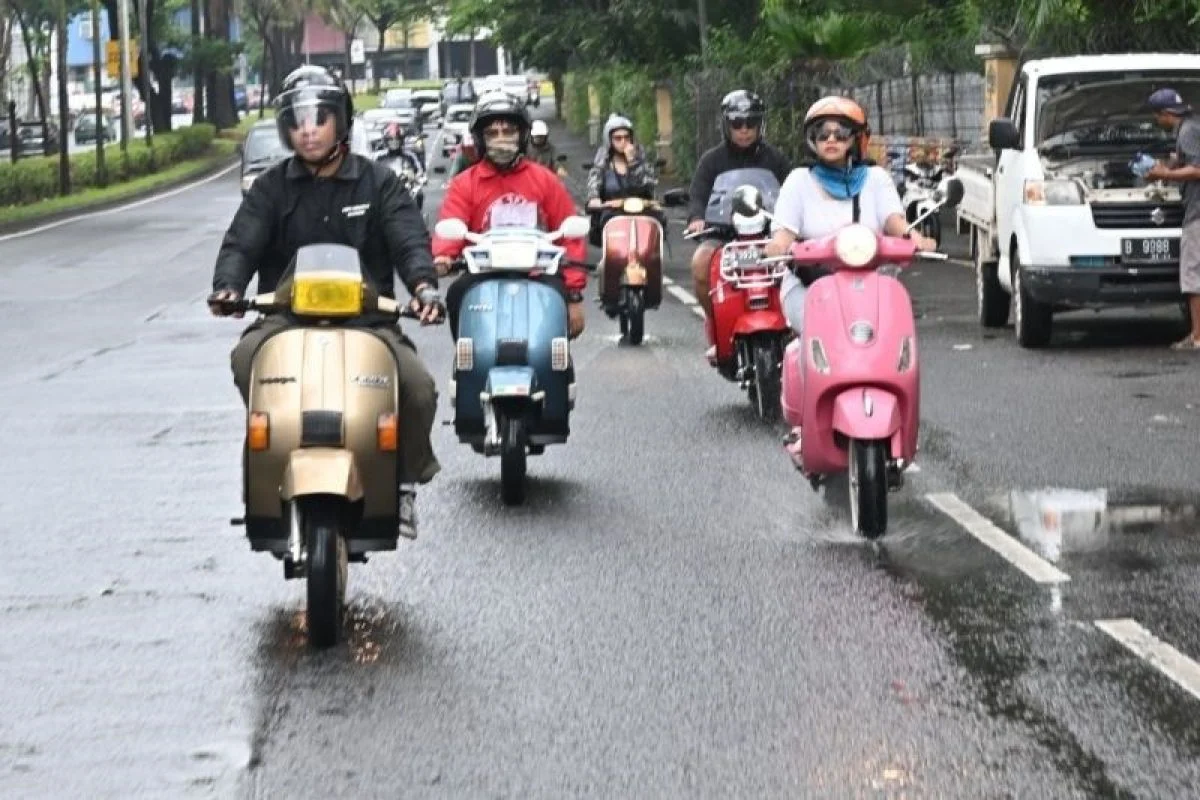
Vespa automatic scooters have cemented their status as a beloved icon in Indonesia, particularly among the younger demographic. Beyond their signature blend of timeless classic design and modern technological integration, these scooters are lauded for their exceptional comfort and practicality in navigating the daily urban commute. However, like any sophisticated mechanical marvel, Vespas, especially their automatic variants, require diligent and consistent maintenance to ensure their engines perform at their peak. Routine servicing, encompassing essential tasks such as engine oil and transmission oil changes, meticulous cleaning of the fuel injection system, and thorough inspection of the Continuously Variable Transmission (CVT) components, plays a pivotal role in preserving the vehicle’s optimal condition and longevity.
Despite owners adhering to recommended service schedules, a recurring complaint among Vespa matic owners is the disconcerting phenomenon of the engine sputtering or hesitating when the throttle is engaged. This abrupt lack of smooth acceleration not only diminishes the riding experience but can also pose a significant disruption to daily travel plans and even compromise safety. Understanding the root causes of this engine "brebet" (sputtering) is crucial for owners seeking to maintain their beloved Vespas in pristine working order.
The underlying issues that contribute to a sputtering Vespa engine are multifaceted, typically stemming from disruptions within the ignition system, the fuel delivery network, the air intake pathways, or the intricate workings of the CVT transmission. This comprehensive report delves into the most frequently encountered culprits behind this frustrating mechanical hiccup, drawing insights from automotive experts and industry publications to provide a clear diagnostic roadmap for Vespa enthusiasts.
Ignition System: The Spark of the Problem
A significant portion of engine sputtering issues can be traced back to the vehicle’s ignition system. This critical network is responsible for generating the spark that ignites the air-fuel mixture within the combustion chamber, a process fundamental to engine operation.
1. Damaged Spark Plug Cap (Cangklong Busi)
One of the often-overlooked yet significant contributors to engine sputtering is a damaged spark plug cap, also known as the "cangklong busi." This component acts as the conduit, transferring electrical current from the ignition coil to the spark plug. In many Vespa matic models, these caps are constructed from rubber, a material susceptible to hardening and becoming brittle over time due to age and exposure to engine heat.
Beyond natural degradation, improper installation of the spark plug cap can also lead to its malfunction. If not seated correctly, the internal spring contact can shift or become dislodged from its intended position. This misalignment disrupts the stable flow of electricity to the spark plug, resulting in a weaker spark within the combustion chamber. An inconsistent or weak spark impedes complete combustion, leading to a loss of engine power and the noticeable sputtering sensation, particularly during acceleration. The average lifespan of a spark plug cap can vary, but it’s often recommended to inspect and potentially replace it every 20,000 to 30,000 kilometers as part of routine maintenance.
2. Fouled or Worn Spark Plugs
The spark plug itself is a cornerstone of the ignition system. Its primary function is to deliver a precisely timed spark that ignites the precisely metered mixture of air and fuel. Over extended periods of operation, the tip of the spark plug can accumulate carbon deposits as a byproduct of the combustion process. This fouling can create an insulating layer, hindering the plug’s ability to generate a strong spark. Furthermore, the electrodes of the spark plug can gradually wear down, altering the gap between them. If this gap deviates from the manufacturer’s specified tolerance, the resulting spark will be suboptimal.
When a spark plug is fouled or worn, the spark it produces becomes unstable. This instability directly impacts the efficiency of combustion, causing the engine to lose power and exhibit a stuttering or hesitating response when the throttle is applied. Regular inspection and cleaning of spark plugs are recommended during every scheduled service, with replacement typically advised every 10,000 to 20,000 kilometers, depending on usage and fuel quality.
3. Malfunctioning Ignition Coil or Spark Plug Wires
In addition to issues with the spark plug itself, disruptions in the ignition coil or the spark plug wires can also precipitate engine sputtering. The ignition coil’s role is to amplify the battery’s electrical voltage to the level required by the spark plug. If the ignition coil begins to weaken with age or if the spark plug wires suffer damage due to wear and tear, the electrical current delivered to the spark plug will be insufficient.
A weak spark resulting from a compromised coil or damaged wires leads to inefficient combustion, consequently diminishing the engine’s overall performance. This manifests as a noticeable loss of power and the characteristic sputtering when the scooter is in motion. The lifespan of an ignition coil can range from 50,000 to 100,000 kilometers, but early signs of failure, such as intermittent sputtering, should prompt immediate inspection.
Fuel System: The Flow of Power
A consistent and properly atomized supply of fuel is paramount for smooth engine operation. Any impediments or irregularities in the fuel delivery system can quickly translate into engine performance issues.
4. Clogged Fuel Filter or Weak Fuel Pump
Disruptions within the fuel system are another common perpetrator of Vespa matic engine sputtering. A clogged fuel filter can impede the flow of gasoline to the fuel injectors, creating a fuel starvation situation. Similarly, a weakening or obstructed fuel pump can fail to deliver adequate fuel pressure to the system.
When the fuel pressure deviates from the engine’s requirements, the fuel supply becomes unstable. This inconsistency in fueling directly interferes with the combustion process, leading to a hesitant acceleration, particularly noticeable when the throttle is opened. Regular replacement of the fuel filter, typically every 15,000 to 20,000 kilometers, is a critical preventive maintenance step. A failing fuel pump, while less frequent, may exhibit symptoms like sputtering and a noticeable loss of power at higher RPMs.
5. Dirty Injectors or Throttle Body
Modern Vespa automatic scooters employ an electronic fuel injection (EFI) system, which relies on clean fuel injectors to ensure optimal atomization of fuel into the combustion chamber. Over time, carbon deposits and other contaminants can accumulate within the injectors and the throttle body, the component that regulates airflow into the engine.
This buildup obstructs the precise spray pattern of the fuel injectors and disrupts the air-fuel mixture calibration. The consequence is incomplete combustion, leading to engine stuttering, especially during acceleration phases. Periodic cleaning of the fuel injectors and throttle body, often recommended every 10,000 to 15,000 kilometers, is essential for maintaining optimal engine performance. Specialized fuel system cleaners can be used, or professional cleaning services can be availed.
6. Contaminated Fuel
The quality of the fuel itself plays a significant role in engine health. Water contamination in the fuel tank is a detrimental issue, as water does not combust like gasoline. When water enters the combustion chamber, it disrupts the normal burning process, leading to a noticeable loss of power, engine hesitation, and in severe cases, difficulty in starting the engine.
To mitigate this risk, it is advisable for Vespa owners to consistently refuel at reputable and trusted petrol stations. Furthermore, ensuring the fuel tank cap is always securely fastened helps prevent moisture and debris from entering the tank. While fuel contamination is often an external factor, it can lead to internal engine issues if not addressed promptly.
Air Intake and Transmission: The Breathing and Movement
Beyond ignition and fuel, the engine’s ability to "breathe" and the efficient functioning of its transmission system are equally vital for a smooth ride.
7. Clogged Air Filter
The air filter’s primary responsibility is to trap dust and particulate matter before air enters the combustion chamber. A dirty or clogged air filter restricts the volume of air reaching the engine. This reduction in airflow disrupts the ideal air-fuel ratio, leading to an overly rich mixture (too much fuel, not enough air).
An imbalanced air-fuel mixture results in incomplete combustion, causing a decrease in engine performance and the manifestation of sputtering, particularly when the engine is revved. Regular inspection and cleaning or replacement of the air filter, typically every 10,000 to 15,000 kilometers or sooner in dusty environments, is crucial. A visibly dirty air filter is a clear indicator that replacement is due.
8. Worn or Damaged CVT Rollers
Not all instances of engine sputtering originate from the engine itself. In some cases, the problem lies within the Continuously Variable Transmission (CVT) system. A common culprit within the CVT is worn or deformed ("peyang" or flat-spotted) rollers. These rollers are crucial for adjusting the transmission’s ratio as the scooter accelerates.
When rollers lose their perfectly spherical shape, they disrupt the smooth movement of the CVT’s pulleys. This uneven motion leads to jerky acceleration, vibrations, and the sensation of sputtering or hesitation when the throttle is applied. The lifespan of CVT rollers can vary significantly based on riding style and maintenance, but it is generally recommended to inspect them every 20,000 to 30,000 kilometers, with replacement typically needed between 30,000 and 40,000 kilometers.
Proactive Maintenance: The Key to a Smooth Ride
To ensure the continued optimal performance of a Vespa matic and preempt the frustrating issue of engine sputtering, a commitment to regular and proactive maintenance is indispensable. Adhering to the manufacturer’s recommended service schedule is the foundational step. This includes routine inspections of critical components such as the spark plug, ignition coil, air filter, fuel injectors, fuel filter, and all elements of the CVT system. Early detection of potential issues can prevent minor problems from escalating into costly repairs.
Beyond scheduled services, employing good riding habits and mindful refueling practices can further safeguard the scooter’s health. Utilizing fuel that meets the manufacturer’s specifications and avoiding prolonged periods with a near-empty fuel tank helps maintain the integrity of the fuel system. Furthermore, periodic professional cleaning of the fuel injection system can ensure that the combustion process remains efficient and unhindered.
In instances where engine sputtering persists despite diligent adherence to routine maintenance, it is imperative to seek professional assistance from an authorized Vespa service center or a trusted, reputable mechanic. Prompt diagnosis and repair can not only rectify the immediate problem but also prevent the potential for more severe and expensive damage to the engine and other vital components. Ultimately, a well-maintained Vespa is a joy to ride, offering a seamless and reliable experience for every journey.
The implications of neglecting these maintenance protocols extend beyond mere inconvenience. A sputtering engine can lead to unexpected breakdowns, potentially leaving riders stranded in inconvenient or unsafe situations. Furthermore, consistent engine strain due to unresolved sputtering issues can accelerate wear and tear on various engine components, leading to a reduced lifespan for the scooter and necessitating more significant and costly repairs in the long run. The robust community of Vespa enthusiasts globally underscores the importance of shared knowledge and proactive care in preserving these iconic machines for years to come.