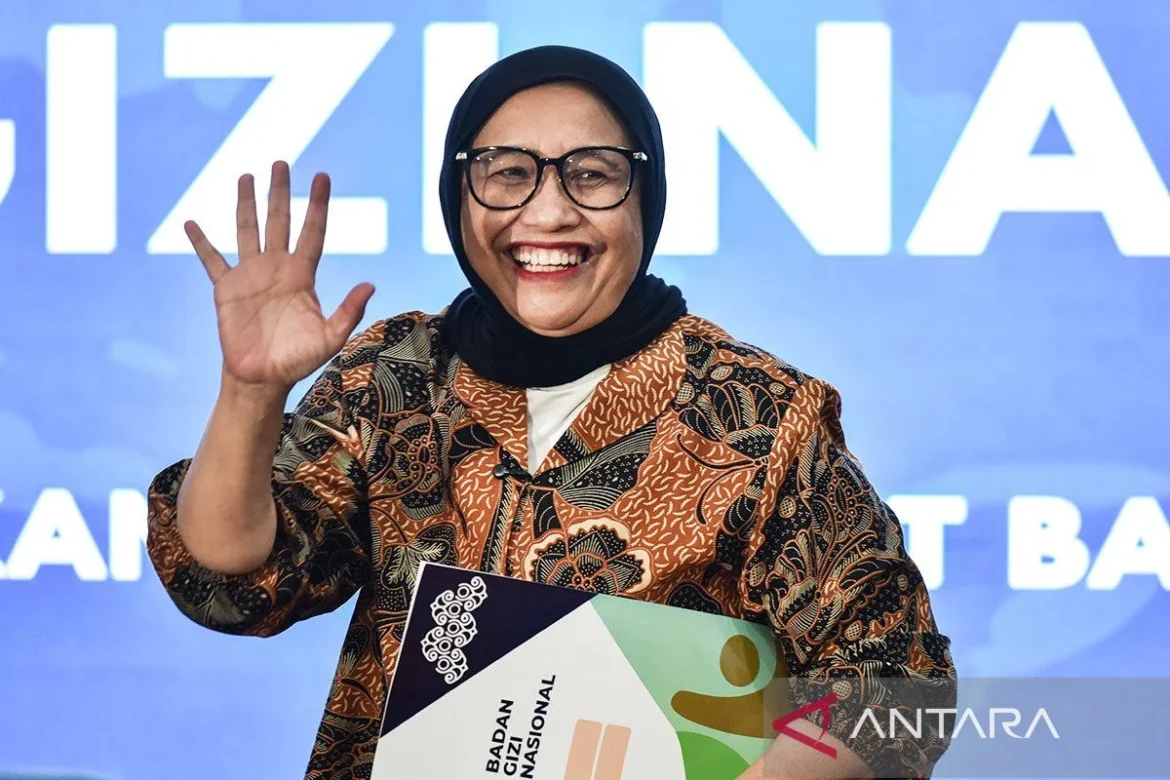
Jakarta, Indonesia – Nanik Sudaryati Deyang has tendered her resignation as the Head of the National Nutrition Agency (BGN), a pivotal body tasked with overseeing Indonesia’s ambitious public nutrition programs, including the flagship Free Nutritious Meals (MBG) initiative. The decision, communicated directly to President Prabowo Subianto, stems from her need to undergo urgent heart treatment, a move that necessitates a period of intense focus on her health recovery abroad. President Prabowo, expressing empathy for her condition, accepted the resignation while also requesting her continued, albeit unofficial, involvement in the agency’s oversight, potentially through a newly established supervisory council.
The announcement of Nanik Deyang’s departure, coming just a month and a half into her tenure, has drawn significant attention given the critical mandate of BGN and the high-profile nature of the MBG program, a cornerstone of President Prabowo’s administration aimed at combating stunting and improving national health. Dirgayuza Setiawan, Special Assistant to the President for Communication and Policy, confirmed the details, stating that Deyang had personally bid farewell to President Prabowo, simultaneously informing him of her health situation and her intention to step down. The President, understanding the gravity of her health concerns, granted her request.
A Focus on Health: The Primary Reason
In a personal statement issued following the announcement, Nanik Sudaryati Deyang elaborated on the compelling health reasons behind her resignation. She revealed plans to seek medical treatment overseas for a heart condition, emphasizing the necessity of comprehensive examination and care, including obtaining a crucial "second opinion" on her diagnosis and treatment path. This decision, she underscored, was solely driven by her medical needs, dispelling any speculation of other underlying issues. She conveyed profound apologies to President Prabowo for having to relinquish her duties so soon, stressing that her health predicament left her with no alternative but to prioritize recovery. The President’s compassionate response and approval of her resignation underscored the mutual understanding of the situation. "I conveyed to President Prabowo, with thousands of apologies, that I must resign as Head of BGN for the sake of my health," Nanik stated in her public remarks. "Because the President was concerned and sympathetic towards me, he approved, but asked me to continue overseeing BGN." This personal commitment to her health, while a difficult decision, highlights the demanding nature of public service roles and the importance of personal well-being.
The Mandate of the National Nutrition Agency and the Flagship MBG Program
The National Nutrition Agency (BGN) holds a crucial position within Indonesia’s governmental structure, entrusted with the comprehensive implementation and supervision of policies aimed at fulfilling the nutritional needs of the populace. Its primary objective is to spearhead efforts to improve public health outcomes, particularly in the critical area of reducing stunting rates across the archipelago. The agency’s responsibilities encompass a wide spectrum, from policy formulation and program design to the meticulous execution and evaluation of nutritional interventions.
At the heart of BGN’s mission, and a central pillar of the incoming administration’s social welfare agenda, is the Free Nutritious Meals (MBG) program. This ambitious initiative is designed to provide regular, balanced meals to vulnerable populations, including pregnant women, nursing mothers, infants, toddlers, and schoolchildren. The MBG program is not merely about providing food; it is a strategic intervention aimed at breaking the intergenerational cycle of malnutrition, improving cognitive development in children, boosting school attendance, and ultimately fostering a healthier, more productive future generation. The program’s scale is immense, requiring robust logistical frameworks, stringent quality control, and widespread community engagement to ensure its effective reach and impact across Indonesia’s diverse geographical and socio-economic landscape. Its success is seen as a key performance indicator for the new government’s commitment to social equity and human capital development.
Nanik Sudaryati Deyang’s Brief but Impactful Tenure
Despite her relatively short tenure of approximately one and a half months, Nanik Sudaryati Deyang demonstrated a proactive and rigorous approach to her role as Head of BGN. Her leadership was marked by an immediate focus on internal reform and a comprehensive evaluation of the MBG program’s implementation mechanisms. Recognizing the monumental task ahead, she initiated a thorough review of thousands of Satuan Pelayanan Pemenuhan Gizi (SPPG) – Nutrition Fulfillment Service Units – which are the operational hubs for delivering the nutritious meals.
During this period, BGN, under her direction, undertook an exhaustive assessment of nearly 28,000 SPPGs. This extensive evaluation involved categorizing thousands of kitchens based on their quality standards, a critical step in ensuring that the meals provided were not only nutritious but also prepared in hygienic environments. Furthermore, her team identified and halted the expansion of kitchens in certain regions where operational standards or logistical readiness were deemed insufficient. Crucially, Nanik’s oversight led to the discovery of hundreds of SPPGs that were found to be problematic, indicating potential inefficiencies, quality compromises, or adherence issues. Her swift action in identifying and addressing these shortcomings, even within a limited timeframe, underscored a strong commitment to accountability, transparency, and the integrity of the MBG program. Her efforts laid a vital groundwork for quality assurance, highlighting the complexities inherent in rolling out a program of such magnitude and the necessity for continuous vigilance. Her brief but impactful leadership has set a precedent for rigorous oversight within BGN.
Presidential Response and Future Oversight
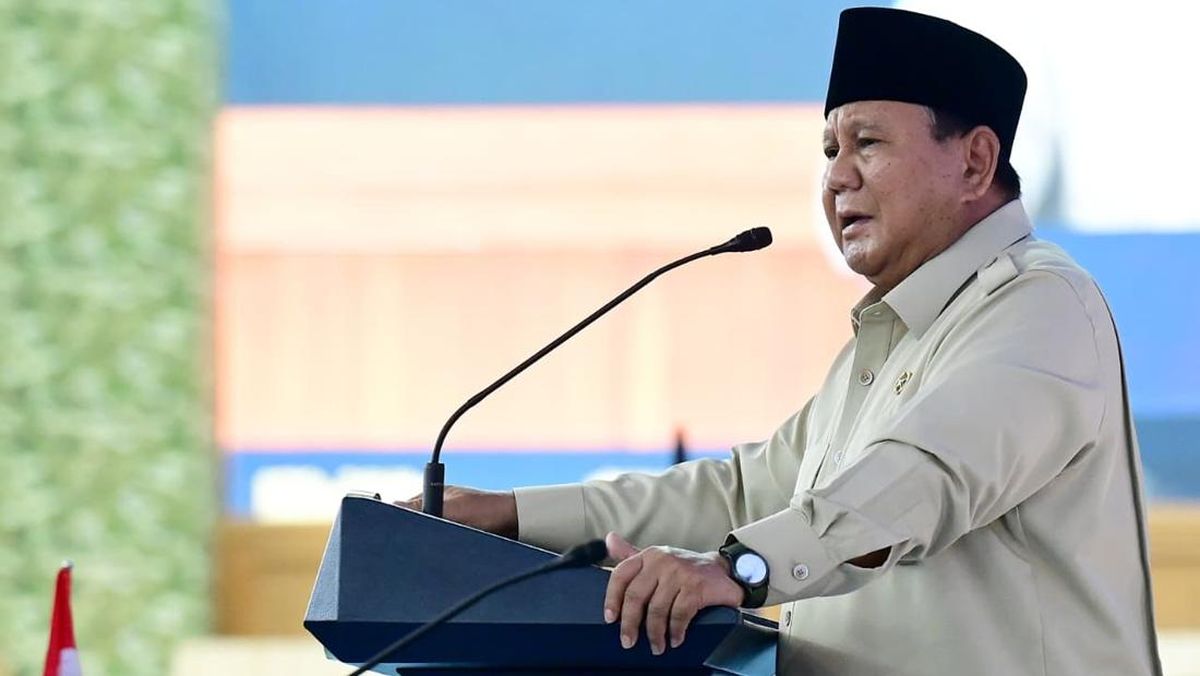
President Prabowo Subianto’s response to Nanik Deyang’s resignation was marked by understanding and concern for her well-being. According to Dirgayuza Setiawan, the President accepted her decision after carefully considering her health condition. This acceptance, however, came with a unique request: President Prabowo asked Nanik to continue contributing to the oversight of BGN, even without holding an official executive position. Nanik herself confirmed this, mentioning the possibility of a new structure, specifically the formation of a BGN Supervisory Board, in which she would be invited to play a role.
This arrangement signifies the President’s recognition of Nanik’s expertise, her commitment to the program, and the valuable insights she gained during her brief but intensive evaluation period. Her continued involvement, even in a non-executive capacity, could provide crucial institutional memory and guidance during the transition period and beyond. It suggests a desire to leverage her experience in quality control and program assessment, ensuring that the momentum gained in identifying and rectifying issues within the MBG program is not lost. The establishment of a Supervisory Board, with figures like Nanik Deyang contributing, would introduce an additional layer of checks and balances, potentially enhancing transparency and accountability in the execution of national nutrition initiatives. This innovative approach reflects a pragmatic effort to retain valuable human capital and ensure continuity of strategic oversight for a program deemed vital to national development.
Broader Implications for National Nutrition Initiatives
Nanik Deyang’s resignation and the subsequent leadership transition at BGN carry several significant implications for Indonesia’s national nutrition initiatives, particularly the ambitious Free Nutritious Meals (MBG) program. Firstly, there will inevitably be a period of adjustment as a new head is appointed and familiarizes themselves with the agency’s operations and the intricacies of the MBG program. While the fundamental goals and structure of the program are expected to remain intact, a change in leadership can temporarily slow down certain initiatives or shift priorities, even slightly.
However, the President’s decision to seek Nanik Deyang’s continued informal oversight, potentially through a supervisory board, aims to mitigate potential disruptions. Her insights into the recently identified problematic SPPGs and quality control issues will be invaluable for her successor, ensuring that the groundwork laid for reform is not abandoned. This continuity of expertise is crucial for a program of MBG’s scale, which involves complex logistics, vast expenditure, and direct impact on millions of lives.
The incident also highlights the immense pressure and responsibility placed upon officials leading such critical national programs. It underscores the importance of robust support systems and clear succession planning within government agencies. Despite the change, the government’s unwavering commitment to the MBG program and its broader goal of combating stunting remains evident. The program is a central pillar of President Prabowo’s social agenda, and any leadership transition will likely be managed to ensure maximum continuity and effectiveness. The focus will undoubtedly remain on maintaining the program’s momentum, ensuring meal quality, and expanding its reach to achieve its national health objectives.
The Critical Battle Against Stunting in Indonesia
Indonesia has long grappled with the pervasive challenge of stunting, a condition characterized by impaired growth and development in children due to chronic malnutrition. According to data from the Ministry of Health, despite significant progress, the prevalence of stunting remains a critical public health concern. While the national target aims to reduce stunting to 14% by 2024, the figures still indicate that a substantial portion of Indonesian children suffer from this preventable condition, impacting their physical growth, cognitive development, and overall future potential. The economic consequences of stunting are also profound, leading to reduced productivity and increased healthcare costs over a lifetime.
Recognizing the multifaceted nature of stunting, which is influenced by factors ranging from inadequate maternal nutrition and poor sanitation to lack of access to nutritious food and proper healthcare, the Indonesian government has made its reduction a top national priority. Various initiatives, including supplementary feeding programs, improved access to clean water and sanitation, and educational campaigns on proper nutrition and hygiene, have been implemented. The Free Nutritious Meals (MBG) program, spearheaded by BGN, represents a significant escalation of these efforts. By directly addressing food insecurity and nutritional deficiencies at critical stages of development, from pregnancy through early childhood and school years, the MBG program seeks to provide a crucial safety net and a foundational improvement in the health and well-being of the nation’s most vulnerable. Its success is not just about meeting health targets; it is about securing the future human capital of Indonesia.
Looking Ahead: Leadership Transition and Program Continuity
With Nanik Sudaryati Deyang’s departure, the focus now shifts to the swift appointment of a new Head for the National Nutrition Agency to ensure seamless continuity in the implementation of the Free Nutritious Meals program and other vital nutrition initiatives. The qualities sought in the next leader will undoubtedly include not only a deep understanding of public health and nutrition policy but also strong managerial and logistical capabilities to oversee a program of MBG’s complexity and national scope. The "Baca juga" links from the original article hint at Sudaryono, currently the Vice Minister of Agriculture, as a potential successor, suggesting that the government is already considering individuals with relevant experience and a strong track record. Such a move would aim to inject new energy while maintaining a strategic alignment with broader agricultural and food security policies.
President Prabowo Subianto’s administration is expected to prioritize a smooth transition, leveraging Nanik Deyang’s offer of continued oversight to maintain the momentum of quality control and program refinement. The BGN’s role in coordinating various stakeholders, from local governments to community organizations and food suppliers, will become even more critical during this period. The ultimate goal remains steadfast: to significantly reduce stunting rates across Indonesia, improve the overall nutritional status of its citizens, and build a healthier, more prosperous future generation. The leadership change, while unexpected, presents an opportunity to reinforce the commitment to these critical national objectives with renewed vigor and strategic direction.
Copyright © ANTARA 2026