
The legislative landscape in Indonesia is entering a rigorous phase of electoral reform as the Indonesian House of Representatives (DPR RI) commits to an accelerated timeline for the deliberation of the General Election Bill (RUU Pemilu). In a strategic move signaling the urgency of systemic improvements, Commission II of the DPR RI has formally agreed to fast-track the legislative process. The newly formed Panitia Kerja (Panja) or Working Committee dedicated to the Election Bill is officially scheduled to commence its active proceedings on November 2, 2026. This decision reflects a coordinated effort among lawmakers to address long-standing structural vulnerabilities in the country’s electoral framework well ahead of future democratic exercises.
By opting to bypass the standard operational pauses traditionally observed during parliamentary recesses, Commission II demonstrates an unprecedented commitment to administrative efficiency. The decision to convene during the recess period underscores the immense pressure lawmakers face to institutionalize comprehensive electoral revisions. With a firm deadline established for the culmination of this initial legislative phase, the parliamentary machinery is mobilizing rapidly to ensure that both the academic manuscript and the primary draft of the Election Bill meet exacting standards of quality and timeliness.
Strategic Legislative Timeline and the Recess Work Schedule
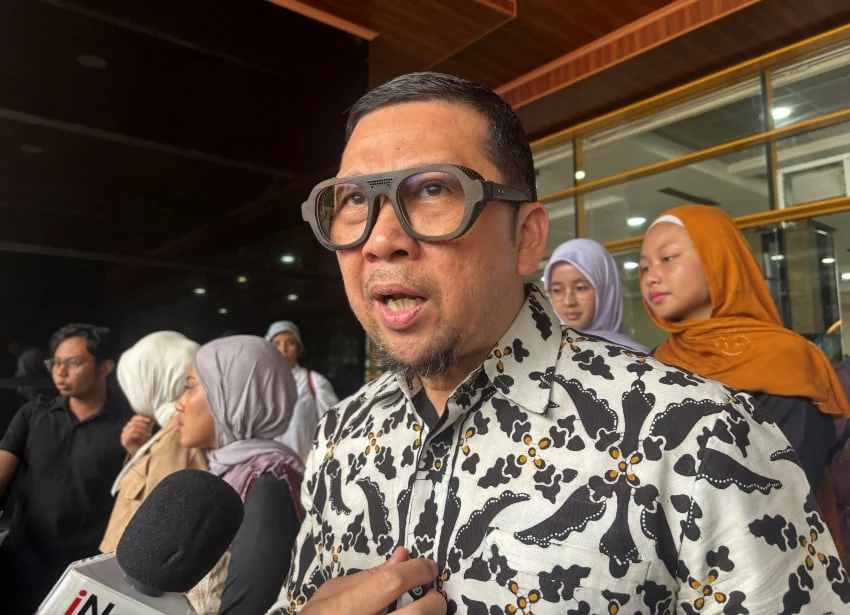
The decision to accelerate the timeline was publicly articulated by Ahmad Doli Kurnia Tandjung, a prominent member of Commission II of the DPR RI representing the Golkar Party. Speaking on the sidelines of an official engagement at the Ministry of Primary and Secondary Education in Jakarta on Monday, October 26, 2026, Doli provided clarity regarding the operational roadmap adopted by the legislative body.
According to Doli, the Panja will not wait for the formal conclusion of the parliamentary recess before initiating its substantive tasks. Instead, the committee has set a hard launch date of November 2, 2026, to begin its rigorous analytical and drafting sessions. This proactive scheduling is driven by a strict internal deadline: Commission II aims to finalize both the academic draft (naskah akademik) and the comprehensive bill text by the end of December 2026.
Structuring the legislative workflow in this manner allows lawmakers to compress months of preliminary negotiation into a tightly managed window. Operating during the recess ensures that committee members remain laser-focused on the electoral overhaul without the concurrent distractions of plenary debates, constituent constituency weeks, and other overlapping legislative duties. However, this aggressive schedule also places a heavy burden on parliamentary staff, legal drafters, and civil society partners who must sustain a high output of analytical and consultative work under compressed timeframes.
Prioritizing Meaningful Public Participation
A cornerstone of the strategy outlined by Commission II is the deliberate sequencing of stakeholder engagement. During the nascent stages of the Panja’s operations—specifically commencing on November 2—the DPR will intentionally operate without the immediate formal involvement of government representatives. This procedural choice is designed to prioritize foundational autonomy, ensuring that the legislative branch first establishes a robust baseline rooted in civilian and institutional perspectives before entering into formal negotiations with the executive branch.
By keeping the executive at arm’s length during the initial drafting window, Commission II aims to uphold the constitutional mandate of meaningful public participation (meaningful participation). Lawmakers recognize that past electoral laws have frequently faced criticism for being overly insulated from grassroots realities and civil society critiques. To preempt such challenges, the Panja has mapped out an extensive outreach strategy.
To date, Commission II has compiled a comprehensive database of approximately 120 distinct civil society organizations, academic institutions, election monitoring networks, and relevant stakeholders. These entities are slated to be systematically integrated into the deliberation process. The outreach mechanism will manifest through a dual approach: formal Public Hearings (Rapat Dengar Pendapat or RDP) conducted within the parliamentary complex in Senayan, complemented by targeted direct field visits and localized focus groups executed by dedicated Panja teams.
This multi-layered consultation framework is intended to capture a diverse spectrum of insights, ranging from technical administrative hurdles faced by election organizers to broad democratic rights concerns raised by advocacy groups. By embedding these perspectives directly into the formative drafting stage, the legislature hopes to fortify the legitimacy of the resulting statute against future constitutional challenges.
Background and Context of the 2026 Election Bill Revision
The push for a revised Election Bill in late 2026 does not occur in a vacuum. It represents the cumulative synthesis of operational lessons learned from the complex synchronization of legislative, presidential, and regional elections held in recent years. Indonesia’s electoral architecture, predominantly anchored by Law Number 7 Year 2017 on General Elections, has undergone numerous judicial reviews by the Constitutional Court (Mahkamah Konstitusi), exposing various statutory ambiguities and procedural bottlenecks.
Key friction points in previous election cycles included the management of simultaneous voting days, the heavy physical and psychological toll on election poll workers (Kelompok Penyelenggara Pemungutan Suara or KPPS), the regulation of campaign financing in the digital age, and the persistent complexities surrounding electoral thresholds. Furthermore, debates over the proportional representation system—whether to maintain an open-list or transition toward a semi-closed model—continue to polarize political parties and legal scholars alike.
By undertaking a proactive overhaul in late 2026, the DPR seeks to decouple the structural debate of electoral rules from the immediate political panic of an upcoming campaign season. Historically, changes to election laws made too close to voting days have generated widespread distrust and administrative chaos. Initiating the revision process years ahead of the subsequent national polls provides a crucial buffer zone, allowing election management bodies—such as the General Elections Commission (KPU) and the Election Supervisory Agency (Bawaslu)—sufficient runway to adapt internal regulations, procure necessary logistics, and conduct comprehensive voter education campaigns.
Broader Implications and Analytical Outlook
The accelerated schedule adopted by Commission II carries profound institutional and political implications. From an administrative standpoint, successfully producing a finalized draft and academic manuscript by December 2026 will set a positive precedent for legislative productivity. It signals to the public that the DPR is capable of foresight and systematic planning when addressing foundational matters of state governance.
However, several risk factors warrant careful observation as the Panja begins its work on November 2. First, the sheer volume of stakeholders—spanning 120 distinct groups—creates a logistical challenge. Condensing meaningful dialogue with such a broad array of actors into a two-month window (November to December) risks reducing consultations to superficial tokenism if not managed with rigorous discipline and transparent synthesis.
Second, the deliberate exclusion of the government in the initial phase, while commendable for emphasizing public input, will eventually give way to intense negotiations with the executive branch, represented primarily by the Ministry of Home Affairs and the Ministry of Law and Human Rights. Once the executive enters the fray in early 2027, the initial draft will inevitably encounter divergent political interests, policy priorities, and budgetary constraints from the ruling coalition and opposition factions alike.
Finally, the quality of the academic manuscript remains a critical metric of success. An election law is only as robust as the empirical data and legal philosophy underpinning it. If the Panja successfully harnesses expert testimony, judicial precedent, and comparative constitutional analysis during its recess sessions, the resulting RUU Pemilu has the potential to significantly enhance the resilience, transparency, and inclusivity of Indonesia’s electoral democracy. As the calendar ticks toward November 2, all eyes in the national political arena remain fixed on Commission II to deliver on its ambitious promise of structural reform.
