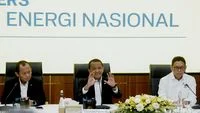
The Indonesian government has officially rolled out a massive economic stimulus package totaling Rp883.4 billion to slash transportation costs during the upcoming Christmas 2026 and New Year 2027 (Nataru) holiday season. Announced by Coordinating Minister for Economic Affairs Airlangga Hartarto on Monday, October 26, 2026, the sweeping initiative is explicitly designed to alleviate financial burdens for millions of domestic travelers, inject vitality into the national tourism sector, and stimulate broad-based economic activity during the final quarter of the year.
This multi-modal financial intervention encompasses commercial aviation, intercity rail networks, maritime shipping routes, and ferry operations. By strategically subsidizing travel expenses across various modes of transit, the administration aims to counteract inflationary pressures on consumer travel and encourage domestic mobility. The timing of the announcement aligns with a broader governmental push in the fourth quarter of 2026 to maintain robust domestic consumption, complementing other fiscal measures such as wage subsidies targeted at millions of low-and-middle-income workers nationwide.
Comprehensive Breakdown of the Nataru Transportation Stimulus
The allocation of the Rp883.4 billion fund has been meticulously distributed across various transportation sectors to maximize passenger outreach and ensure equitable distribution between air, rail, and sea travel. Aviation claims the lion’s share of the budget, reflecting the higher baseline costs associated with domestic flights in the sprawling archipelago.
According to policy details outlined by the Ministry of Economic Affairs, the aviation stimulus alone accounts for Rp722 billion of the total budget. This specific allocation is projected to directly benefit approximately 3.75 million passengers traveling across the domestic airspace network. To achieve this, the government has implemented a two-pronged fiscal relief mechanism for the airline industry: a 100 percent Government-Borne Value-Added Tax (PPN DTP) on domestic economy-class airfares, alongside a mandatory 50 percent reduction in airport service fees (PJP2U) managed by state-owned airport operators.
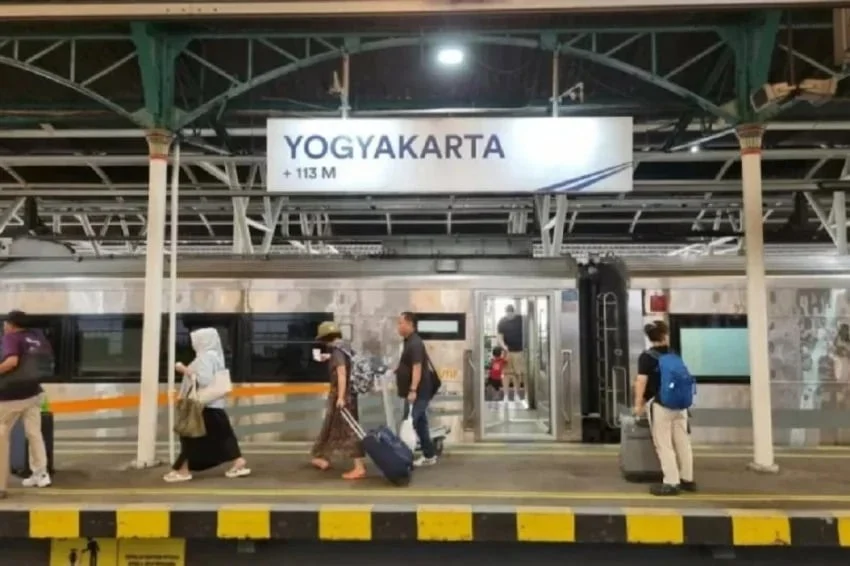
In addition to aviation, the stimulus package heavily subsidizes land and sea transport. Intercity train services managed by state-owned railway enterprise PT Kereta Api Indonesia (KAI) will feature a flat 30 percent discount on ticket prices during the peak holiday corridor. Similarly, maritime transportation and inter-island passenger ferries overseen by PT ASDP Indonesia Ferry and private shipping lines will implement a matching 30 percent tariff reduction. Furthermore, port-related service fees handled by ASDP have been adjusted to offer special, highly discounted pricing structures for commercial and passenger vessels operating during the holiday surge.
Strict Implementation Timeline and Booking Windows
To prevent logistical bottlenecks and ensure that the public can take full advantage of the subsidies without chaotic last-minute booking rushes, the government has established a strict operational timeline.
The booking window for the subsidized travel opened well in advance on October 20, 2026, allowing early planners to secure discounted fares across airlines, trains, and sea vessels. However, the travel period during which the price cuts and tax exemptions actually apply is tightly bracketed to the core holiday rush. The operational window officially commences on December 22, 2026, and concludes on January 10, 2027, encompassing the entirety of the traditional school and corporate year-end break.
Airlines and transportation providers were instructed to update their reservation systems immediately following the October 26 announcement. Passengers purchasing economy-class domestic tickets within the specified travel dates automatically receive the PPN DTP benefit and reduced airport fees at checkout, eliminating the need for cumbersome bureaucratic reimbursement claims.

Economic Context and Strategic Intentions
The introduction of the Nataru transport stimulus does not occur in a vacuum; rather, it is a calculated component of Indonesia’s macroeconomic strategy for the final quarter of 2026. In late October, the government concurrently rolled out a Rp31 trillion economic stimulus package for the fourth quarter, which notably included extensive wage subsidies directed at 13.3 million formal sector workers.
Economic analysts note that fourth-quarter consumption figures are historically critical for achieving annual Gross Domestic Product (GDP) growth targets. By artificially lowering the cost of mobility, the government aims to achieve a dual objective: regional tourism revitalization and the redistribution of wealth to regional economies outside major urban centers. Regions heavily reliant on tourism—such as Bali, Yogyakarta, North Sumatra, and parts of Eastern Indonesia—are expected to experience a surge in tourist arrivals, directly benefiting local hospitality, culinary, and retail micro-enterprises.
Furthermore, the decision to absorb the 11 percent Value-Added Tax (VAT) on domestic aviation through the PPN DTP scheme marks a significant policy shift. High ticket prices have remained a persistent structural challenge for Indonesia’s domestic aviation industry in the post-pandemic era, driven by elevated jet fuel prices and currency depreciation. By stepping in to cover the tax burden entirely, the government effectively bridges the gap between airline operational viability and consumer affordability.
Stakeholder Reactions and Industry Preparedness
Transportation operators, tourism associations, and consumer advocacy groups have largely welcomed the intervention, praising the government’s proactive approach to holiday travel management.
Airline associations indicated that advance bookings for the December-January period spiked noticeably within hours of the policy announcement on October 26. Major domestic carriers have begun coordinating with the Ministry of Transportation and state airport operators to manage the expected surge in passenger volume, pledging to optimize fleet utilization and maintain strict adherence to safety and operational standards during the peak season.
Similarly, PT ASDP Indonesia Ferry and PT Kereta Api Indonesia have ramped up preparations. Additional train sets are being readied for high-density routes connecting major metropolitan hubs like Jakarta and Surabaya to regional destinations in Central and East Java. For sea transport, port authorities have implemented enhanced crowd-control measures and streamlined ticketing validation processes to handle the anticipated influx of holiday travelers heading to popular island destinations via ferry terminals such as Merak and Bakauheni.
Implications and Broader Economic Outlook
The deployment of the Rp883.4 billion stimulus is projected to generate a multiplier effect across multiple sectors of the Indonesian economy. Beyond direct savings for the estimated millions of holiday travelers, the policy is expected to inject substantial liquidity into the hospitality and retail sectors during what is traditionally the highest-spending period of the calendar year.
From a fiscal perspective, government officials maintain that the revenue foregone through the PPN DTP and direct budget allocations will be more than compensated for by the broader economic velocity generated by increased consumer spending, tourism activity, and regional commerce. As the implementation date of December 22 approaches, federal ministries and transportation agencies remain on high alert to monitor the execution of the discounts, ensure seamless consumer experiences, and evaluate the overall efficacy of one of the largest seasonal transportation interventions in recent Indonesian history.