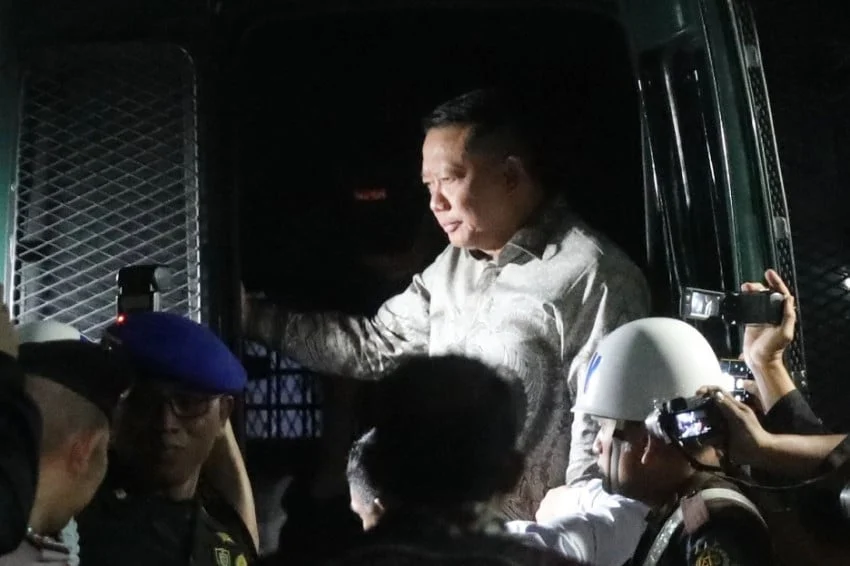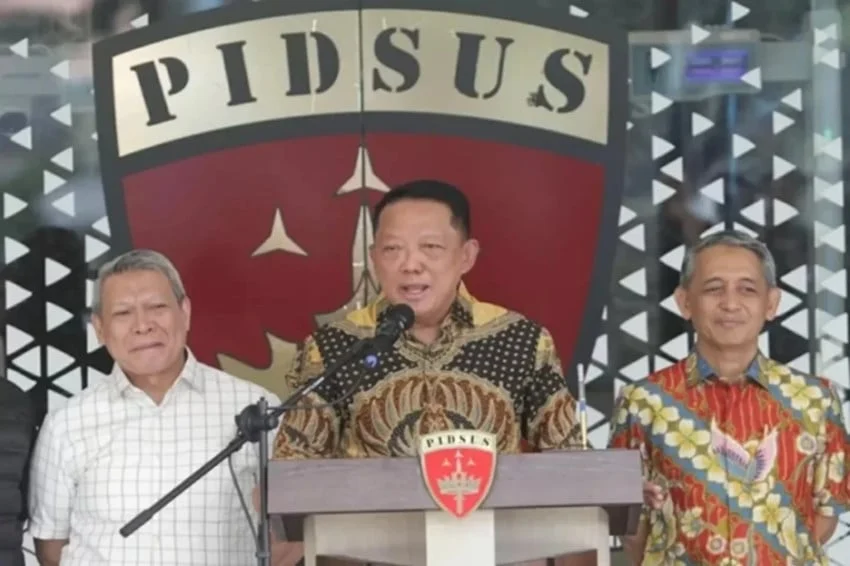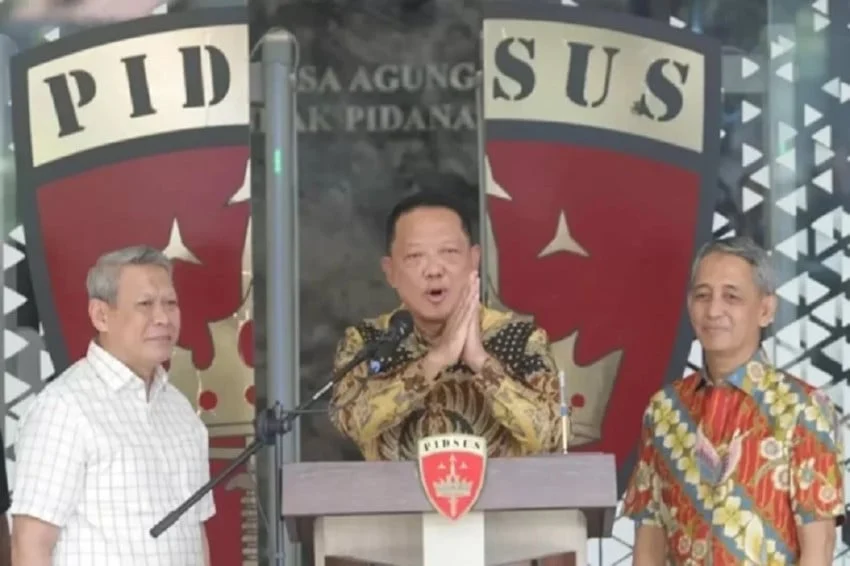
The Indonesian Attorney General’s Office (Kejagung) has detained Febrie Adriansyah, the former Junior Attorney General for Special Crimes (Jampidsus), following an extensive examination concerning allegations of corruption and money laundering. The dramatic development unfolded late on Friday, July 24, 2026, at the Kejagung headquarters in Jakarta, sending ripples through the nation’s legal and political circles. Adriansyah, a prominent figure within the Prosecutor’s Office, was escorted into a detention vehicle under heavy security, marking a significant escalation in a case that has already seen the transfer of two suspects from the Jakarta Metropolitan Police to the Kejagung. The detained individuals include private sector figure Don Ritto and the former Jampidsus himself. The Kejagung has reportedly issued three new investigation orders (Sprindik) specifically linked to the corruption and money laundering charges involving Adriansyah. These orders pertain to alleged malpractices within PT Krakatau Steel, the procurement of coal for PLN power plants that resulted in widespread blackouts, and the ASABRI case, a long-standing scandal involving state-owned defense insurance.
Unfolding of the Detention
Eyewitness accounts from the Kejagung premises indicate that Adriansyah emerged from the Main Building’s lower lobby around 11:02 PM Western Indonesian Time. While he briefly addressed his detention, the specifics of his statement were not immediately clear to observers. He was then swiftly moved into a waiting detention vehicle, accompanied by a considerable contingent of security personnel, highlighting the sensitive nature of the proceedings. Notably, Adriansyah was not seen wearing standard detainee attire, such as an orange vest, nor were his hands visibly cuffed at the time of his departure, suggesting a controlled and perhaps voluntary surrender to the detention process following the interrogation.
The Genesis of the Investigation
The detention of Febrie Adriansyah is intrinsically linked to a broader investigation into alleged corruption and money laundering activities that have plagued various sectors of Indonesian state-owned enterprises and public procurement. The transfer of suspects Don Ritto and Febrie Adriansyah from the Polda Metro Jaya (Jakarta Metropolitan Police) to the Attorney General’s Office signifies a shift in jurisdiction, often indicating that the alleged offenses are deemed to have a significant national impact or involve individuals with high-level connections.
The issuance of three new Sprindiks by the Kejagung further underscores the expanding scope of the investigation. These new orders suggest that Adriansyah’s alleged involvement is not confined to a single incident but potentially spans multiple high-profile cases. The specific cases mentioned – PT Krakatau Steel, the PLN coal procurement, and ASABRI – are all areas that have been subject to intense public scrutiny and previous investigations due to suspected irregularities and significant financial losses.
PT Krakatau Steel Allegations
PT Krakatau Steel, a major state-owned steel producer, has been a frequent subject of corruption allegations over the years. Investigations into this company typically revolve around procurement processes, contract irregularities, and the alleged misappropriation of funds, often involving large sums that can impact national industrial capacity and economic stability. The involvement of a former Jampidsus in such a case raises serious questions about potential obstruction of justice or complicity.
PLN Coal Procurement and Blackouts
The procurement of coal for state electricity company PLN has been a perennial issue, often linked to opaque bidding processes and allegations of overpricing or the supply of substandard fuel. The mention of this case, specifically noting it "resulted in Blackout," points to a severe disruption of electricity supply, which can have devastating economic and social consequences for millions of citizens. The scale of such an event suggests potential systemic corruption within the energy sector and the involvement of high-ranking officials.
The ASABRI Scandal
The ASABRI (Asuransi Angkatan Bersenjata Republik Indonesia) case is one of the most significant corruption scandals to have emerged in recent Indonesian history. It involves massive financial irregularities within the state-owned insurance company for military and police personnel, leading to billions of dollars in losses. Numerous individuals, including former high-ranking military officials and businessmen, have been implicated and prosecuted in this case. The inclusion of ASABRI in the Sprindiks related to Adriansyah suggests a possible connection to the ongoing efforts to unravel the full extent of the corruption within this crucial defense-related institution.
Timeline and Background Context
While the immediate news focuses on the detention, understanding the broader timeline and context is crucial. Febrie Adriansyah served as the Junior Attorney General for Special Crimes, a position that placed him at the forefront of prosecuting high-profile corruption cases in Indonesia. His tenure would have been marked by significant legal battles and investigations into corruption.
The alleged offenses leading to his detention likely stem from investigations that were either ongoing during his tenure or have come to light subsequently. The fact that the Kejagung itself is now detaining a former top prosecutor implies an internal review or a discovery of new evidence that necessitates such a drastic measure.
The shift of suspects from the police to the Attorney General’s Office can occur for several reasons. It might be to consolidate investigations of national significance, to leverage the specialized expertise of the Attorney General’s Office in handling complex corruption cases, or to ensure a more streamlined prosecution process. In cases involving high-ranking officials, the Attorney General’s Office often takes the lead to avoid potential conflicts of interest or undue influence at the regional police level.
Supporting Data and Previous Investigations
To contextualize the severity of the cases mentioned, it’s important to consider the financial scale of such scandals in Indonesia. The ASABRI case, for instance, has been reported to involve losses estimated in the trillions of Indonesian Rupiah, equivalent to billions of U.S. dollars. Similarly, large-scale infrastructure projects and procurement contracts, such as those potentially involving PT Krakatau Steel and PLN, can involve budgets running into hundreds of millions or even billions of dollars.
Previous investigations into corruption within state-owned enterprises have often revealed intricate networks of collusion between government officials, business executives, and other stakeholders. These networks exploit procurement processes, manipulate financial reports, and engage in money laundering to conceal illicit gains. The potential involvement of a former Jampidsus in such activities, if proven, would represent a grave breach of public trust and a significant blow to the fight against corruption.
Reactions and Implications
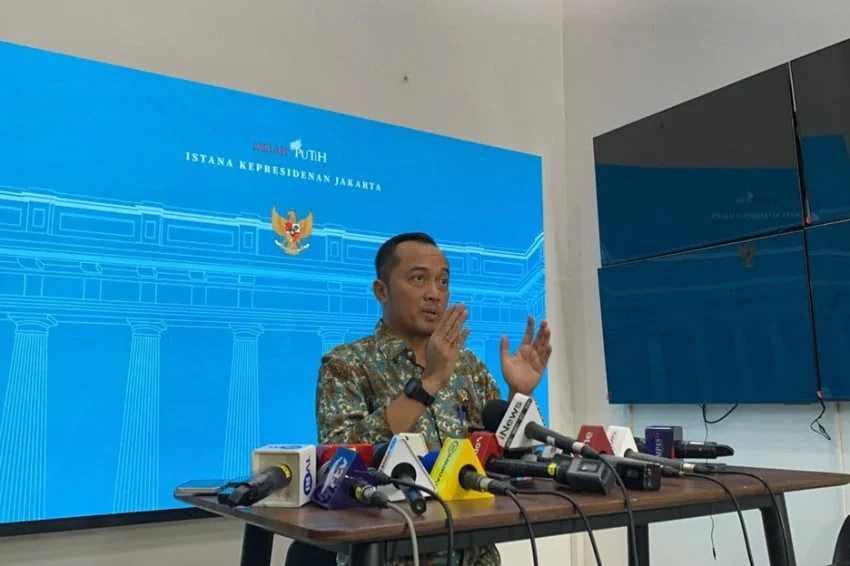
As of the time of this report, official statements from the Attorney General’s Office beyond the confirmation of the detention have been limited. However, the detention of such a senior figure is expected to draw strong reactions from various stakeholders.
-
Anti-Corruption Watchdogs: Organizations dedicated to combating corruption are likely to welcome the investigation and detention, viewing it as a crucial step towards accountability. However, they will also be closely monitoring the process to ensure it is transparent, thorough, and free from political interference. They may call for swift and decisive action to bring all responsible parties to justice.
-
Legal Community: The legal fraternity will be keenly observing the legal proceedings. The detention of a former prosecutor by his own institution raises complex legal questions regarding due process, evidence handling, and the independence of the judiciary.
-
Public Sentiment: Given the widespread public concern over corruption in Indonesia, this development is likely to be met with a mixture of shock, anger, and a renewed demand for justice. The transparency and effectiveness of the investigation will be critical in shaping public perception of the government’s commitment to eradicating corruption.
-
Political Ramifications: The detention of a former high-ranking government official can have significant political ramifications. It could lead to calls for broader investigations into related offices or departments, potentially impacting the political landscape and the careers of other individuals.
Broader Impact and Analysis
The detention of Febrie Adriansyah is more than just the arrest of an individual; it represents a critical juncture in Indonesia’s ongoing battle against corruption. If the allegations are substantiated, it would signify a profound failure within the very institution tasked with upholding the law and prosecuting corruption.
The implications are far-reaching:
-
Erosion of Public Trust: The integrity of the Prosecutor’s Office is paramount for the functioning of a democratic society. The alleged involvement of a former Jampidsus in corrupt practices, if true, would severely damage public trust in the institution and the broader justice system.
-
Impact on Ongoing Investigations: Adriansyah’s previous role meant he would have overseen or been privy to numerous sensitive corruption investigations. His detention could potentially affect the progress or outcome of these ongoing cases, either by providing crucial insights or by creating obstacles if he attempts to influence proceedings.
-
Strengthening of Anti-Corruption Efforts: Conversely, a thorough and transparent investigation and prosecution of Adriansyah could serve as a powerful deterrent to other corrupt officials and demonstrate the government’s resolve to combat corruption at all levels, including within its own ranks.
-
Judicial Reform: This event may also highlight the need for enhanced internal oversight mechanisms within the Attorney General’s Office and other law enforcement agencies to prevent and detect corrupt practices among their own personnel.
The coming days and weeks will be crucial as more details emerge from the Attorney General’s Office regarding the evidence against Febrie Adriansyah and the scope of the investigations into PT Krakatau Steel, PLN, and ASABRI. The nation will be watching closely to see how this high-stakes legal drama unfolds and whether it leads to genuine accountability and a renewed commitment to fighting corruption in Indonesia.