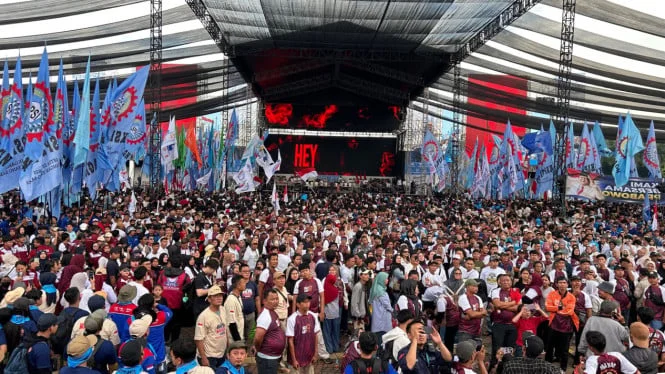
The Indonesian business landscape is bracing for a significant regulatory shift as the House of Representatives (DPR) prepares to ratify the Labor Protection Bill (RUU Pelindungan Ketenagakerjaan) in an upcoming plenary session. With the parliamentary recess fast approaching, the Asosiasi Pengusaha Indonesia (Apindo)—the nation’s primary association for business owners—has issued a stern warning regarding the potential consequences of the legislation. While acknowledging the necessity of strengthening worker protections, Apindo leadership has cautioned that a lopsided focus on labor rights at the expense of business sustainability could stifle job creation and exacerbate the nation’s ongoing struggle with formal sector employment.
The Legislative Countdown
The timeline for the RUU Pelindungan Ketenagakerjaan has compressed significantly, creating a sense of urgency among stakeholders. During a press conference held in Jakarta on Wednesday, September 30, 2026, Shinta Widjaja Kamdani, Chairwoman of Apindo, highlighted that the legislative process has reached a critical juncture. With the DPR scheduled to vote on the bill next week before entering its recess period, the window for meaningful amendments or consensus-building is closing rapidly.
The bill, which seeks to modernize Indonesia’s labor framework, has been a subject of intense debate for months. It aims to address modern workforce challenges, such as the rise of the gig economy and the need for enhanced social security for employees. However, the business community remains skeptical of the final draft’s economic implications, fearing that rigid mandates could increase operational costs to a level that forces companies to reduce headcount or halt expansion efforts.
The Core Conflict: Protection Versus Sustainability
At the heart of Apindo’s concerns is the fundamental tension between protecting the current workforce and fostering an environment where businesses can afford to hire more people. Shinta emphasized that the legislation must adopt a balanced approach. "We are worried that if the bill is not balanced and focuses solely on protection, it will significantly impact the business world, particularly regarding the expansion of opportunities and the creation of new jobs," she stated.
According to Apindo, the current economic climate requires policies that encourage growth rather than those that impose excessive administrative and financial burdens. If the cost of formal employment rises too sharply due to new, rigid protections, companies may be forced to rely on automation or, worse, reduce their workforce to maintain solvency. This, in turn, contradicts the government’s broader objective of reducing unemployment and fostering a robust middle class.
Analyzing the Informal Sector Challenge
The discourse surrounding the Labor Protection Bill is inextricably linked to the structural composition of the Indonesian labor market. Data from the Central Statistics Agency (BPS) and various economic analysts consistently show that approximately 60% of Indonesia’s workforce operates within the informal sector. These workers often lack access to standard benefits, health insurance, and job security protections.
Apindo argues that the proposed bill focuses heavily on the formal sector, where the existing framework is already relatively comprehensive. By creating stricter regulations for formal businesses, the bill may inadvertently widen the gap between the formal and informal economies. "If this is not made balanced and only focuses on protection, what about the jobs themselves? Because jobs also need to be protected," Shinta noted. She underscored the necessity of preventing mass layoffs and ensuring that the law acts as a catalyst for moving informal workers into the formal sector, rather than creating barriers that discourage firms from formalizing their operations.
Chronology of Negotiations
The journey toward this bill has been fraught with challenges. The legislative process has seen multiple rounds of consultations involving the government, labor unions, and representatives from the private sector. Despite these efforts, the gap between the priorities of labor unions and business associations remains wide.
- Early 2026: Drafting of the RUU Pelindungan Ketenagakerjaan begins, aimed at updating the legacy labor laws to match current market conditions.
- Q2 2026: Initial public consultations are held. Labor unions advocate for increased severance pay and tighter restrictions on outsourcing, while Apindo pushes for labor market flexibility.
- Q3 2026: Tensions escalate as the final draft nears completion. Apindo expresses concern that their input regarding business sustainability has not been adequately reflected in the draft.
- Late September 2026: The DPR sets the plenary vote for the first week of October, prompting Apindo to hold a final press briefing to voice its apprehensions.
Throughout this period, the DPR has facilitated several forums for dialogue. While these meetings have allowed for the airing of grievances, Shinta acknowledged that a true meeting of the minds has remained elusive. The divide highlights the difficulty of crafting a "one-size-fits-all" labor law in a country as diverse and economically stratified as Indonesia.
Economic Implications and Future Outlook
The implications of the upcoming ratification extend far beyond the corporate boardroom. For the Indonesian economy, which is striving to escape the middle-income trap, the labor market must be dynamic. Rigid labor laws, according to historical economic studies, tend to increase the cost of labor significantly. While this benefits those currently employed in the formal sector, it often results in higher barriers to entry for youth and those currently trapped in the informal sector.
Independent analysts suggest that if the bill is passed in its current form, Indonesia might witness a shift in investment strategies. Multinational corporations may reconsider their expansion plans if they perceive that the cost of compliance outweighs the benefits of Indonesia’s demographic dividend. Furthermore, the risk of increased litigation between employers and employees could lead to a less stable business environment, further dampening investor sentiment.
Apindo’s call for balance is effectively a call for a "middle path." The association is not advocating for the removal of worker protections, but rather for a more nuanced framework that differentiates between large enterprises with high capacity and small-to-medium enterprises (SMEs) that form the backbone of the economy.
Looking Ahead to the Plenary Session
As the DPR prepares for the final vote, the eyes of the nation are fixed on whether the legislature will incorporate last-minute amendments to assuage the concerns of the business community. The government faces a delicate balancing act: satisfying the political demand for worker welfare while maintaining the economic growth targets necessary to fund that welfare.
If the bill passes without significant revisions, the focus will shift toward the implementation phase and the subsequent government regulations (Peraturan Pemerintah) that will provide the operational details of the law. These subordinate regulations often play a crucial role in determining whether a law is interpreted in a business-friendly or business-restrictive manner.
For now, the message from the private sector is clear: stability, growth, and job creation are as vital to the Indonesian worker as the protections the new law seeks to provide. Whether the final legislation reflects this reality remains to be seen in the coming days. The business community remains ready to engage in further dialogue, hoping that the urgency of the legislative calendar does not overshadow the necessity of creating a sustainable, long-term labor policy that serves all stakeholders in the Indonesian economy.