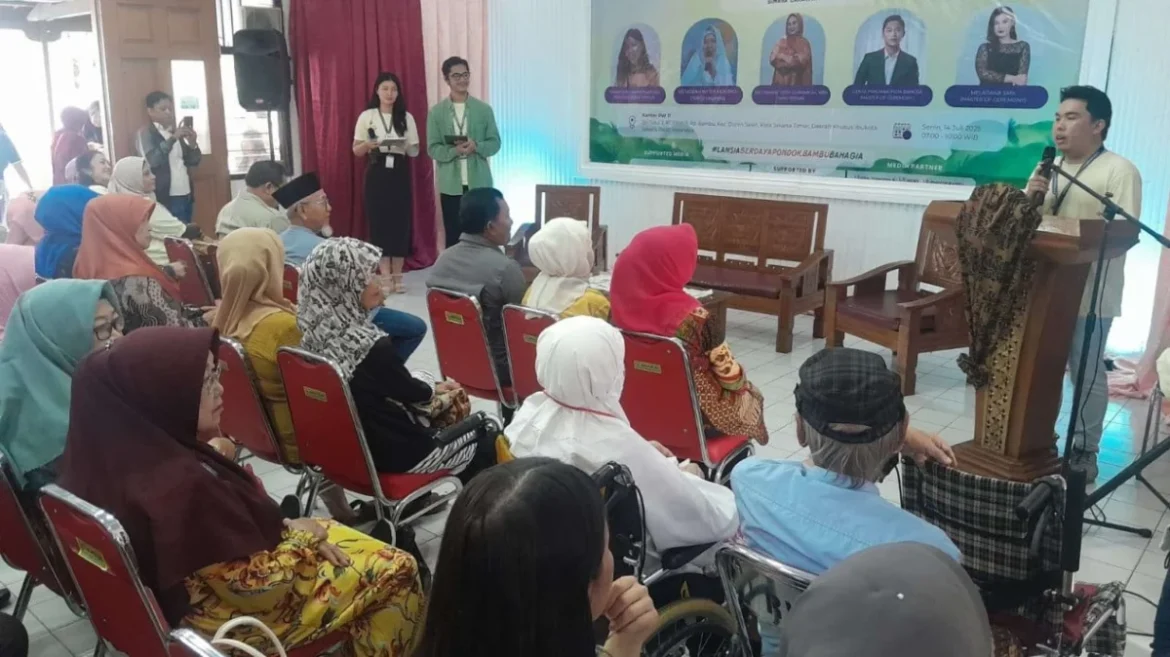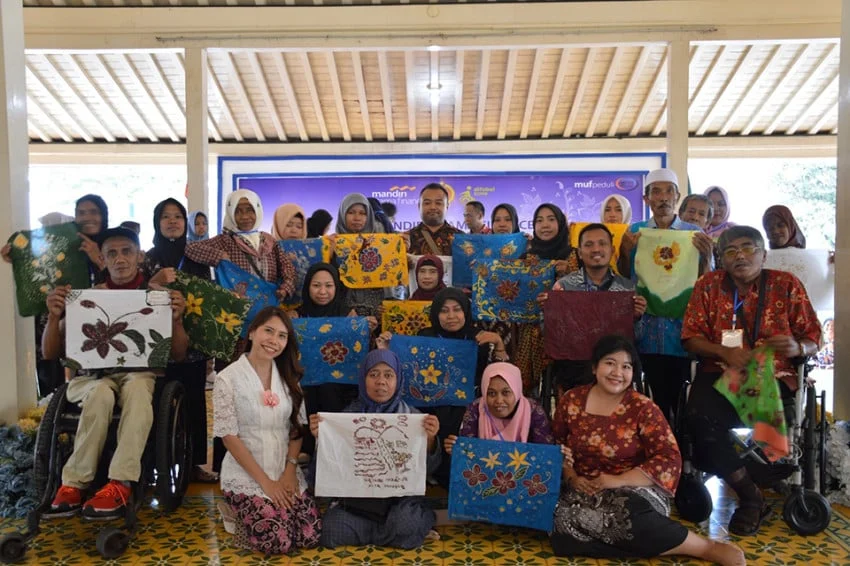
In a concerted effort to foster economic inclusivity and social equity, PT Mandiri Utama Finance (MUF) has formally partnered with the Difabelzone community to launch a comprehensive empowerment initiative titled Membatik Bersama 100 Difabel (Batik Making with 100 Persons with Disabilities). The flagship event, held at the historic Pendopo Wiyata Praja within the Kepatihan Complex in Yogyakarta, marks a significant milestone in corporate social responsibility (CSR) aimed at uplifting marginalized groups through vocational mastery.
The collaborative program, officially inaugurated on Wednesday, September 16, brought together one hundred participants representing diverse backgrounds from across the Special Region of Yogyakarta (DIY), including the regencies of Bantul, Sleman, Kulon Progo, Gunungkidul, and Yogyakarta City. By harnessing the rich cultural heritage of Indonesian batik, the initiative is strategically designed not only to preserve national traditions but also to equip individuals with disabilities with tangible, marketable skills that facilitate long-term financial independence and productivity.
Comprehensive Vocational Support and Implementation Timeline
The initiative extends far beyond a single-day ceremonial workshop. The structured program is executed through a strategic partnership with the Difabelzone Foundation, which serves as the local operational bridge connecting corporate resources with grassroots communities. Under this framework, Mandiri Utama Finance has channeled targeted financial assistance directly to the 100 participating artisans.
The structured timeline of the empowerment program spans a rigorous one-month incubation and training period. The schedule is meticulously designed to transition participants from foundational knowledge to advanced execution:
- Week One: Orientation, motif design theory, and introduction to traditional equipment, tailored to accommodate various physical and sensory accessibility needs.
- Weeks Two and Three: Hands-on technical execution, focusing on the intricate processes of canting application (wax drawing), color mixing, and traditional dyeing techniques under the direct supervision of master batik artisans.
- Week Four: Quality control, finishing processes, product curation, and introductory financial literacy sessions aimed at teaching participants how to price, market, and monetize their finished textiles.
This structured approach ensures that the beneficiaries acquire not merely a passing hobby, but a sustainable craft capable of generating consistent supplementary or primary household income. Furthermore, the program aligns with regional ambitions to position Yogyakarta as an inclusive epicenter for traditional textile arts, proving that cultural preservation and social inclusion can advance hand in hand.
Corporate Vision and Leadership Perspectives
Addressing the gathered artisans, local government representatives, and community leaders, Corporate Secretary & Legal Division Head of Mandiri Utama Finance, Elisabeth L. Sirait, underscored the core philosophy driving the initiative. She emphasized that corporate social responsibility must transcend transactional charity, evolving instead into sustainable empowerment that yields measurable, long-term impacts.
"Mandiri Utama Finance firmly believes that every single individual possesses an inherent, equal opportunity to develop, to create, and to remain productive regardless of physical limitations," stated Elisabeth. "Through this collaborative program, MUF is dedicated to supporting our friends with disabilities in unlocking their potential, refining their creativity in the art of batik, and ultimately transforming these skills into items of genuine economic value that open doors to true independence."
Elisabeth further noted that the selection of Yogyakarta as the focal point of the program was deliberate. As a historic and cultural capital renowned globally for its textile arts, Yogyakarta provides an ecosystem rich in artistic appreciation, making it an ideal environment for fostering inclusive micro-enterprises. By integrating marginalized artisans into the broader creative economy, MUF aims to set a precedent for other corporations operating within the financial and automotive services sectors.
Socio-Economic Context and the Imperative of Disability Inclusion
The initiative arrives against a broader socio-economic backdrop where employment disparities among persons with disabilities remain a pressing national challenge. Data from labor market analyses consistently indicate that formal employment rates for individuals with disabilities lag significantly behind those of the general population, frequently constrained by inaccessible infrastructure, lingering societal stigmas, and a lack of targeted vocational training.
Micro, Small, and Medium Enterprises (MSMEs), particularly within the traditional craft and creative sectors, have long been identified by economic analysts as the most flexible and accessible entry points for inclusive employment. Batik production, which relies heavily on manual dexterity, artistic vision, and detailed craftsmanship rather than high-speed mechanical assembly, offers a highly adaptable medium. Many techniques can be modified to suit individuals with upper-limb, lower-limb, or sensory impairments, allowing artisans to work at their own pace while producing high-value luxury goods.
By injecting capital and structured mentorship into this sector, programs like Membatik Bersama 100 Difabel help dismantle structural barriers to economic participation. Economists observe that empowering disabled individuals not only improves household welfare and reduces dependency on state or familial support, but also enhances aggregate local economic output by activating dormant human capital.
Broader Implications and Future Outlook
The partnership between Mandiri Utama Finance and Difabelzone reflects a growing paradigm shift in corporate Indonesia toward Environmental, Social, and Governance (ESG) frameworks that prioritize social impact. As companies face increasing scrutiny regarding their community investments, initiatives that demonstrate clear, quantifiable beneficiary outcomes and strategic alignment with regional cultural assets are receiving heightened emphasis.
For the participants of the Yogyakarta program, the completion of the one-month training cycle represents the beginning of a new chapter. The Difabelzone Foundation has committed to providing post-training incubation, assisting the artisans in establishing cooperative marketing networks, connecting them with digital marketplaces, and facilitating access to wider consumer bases beyond the local market.
Industry observers note that if scalable models such as this are successfully replicated across other provinces, they could substantially alter the economic landscape for hundreds of thousands of disabled individuals across the archipelago. By transforming traditional workshops into incubators of social enterprise, MUF and its partners have established a viable blueprint for inclusive economic development—one stroke of wax and dye at a time.