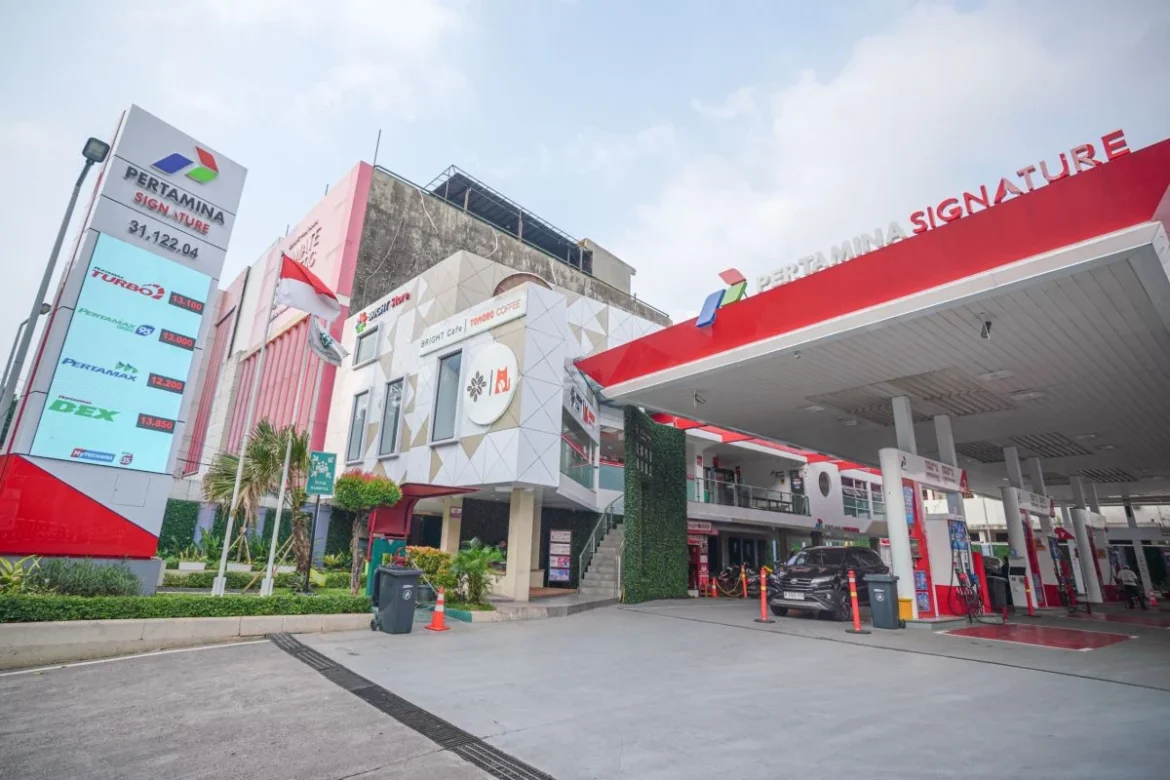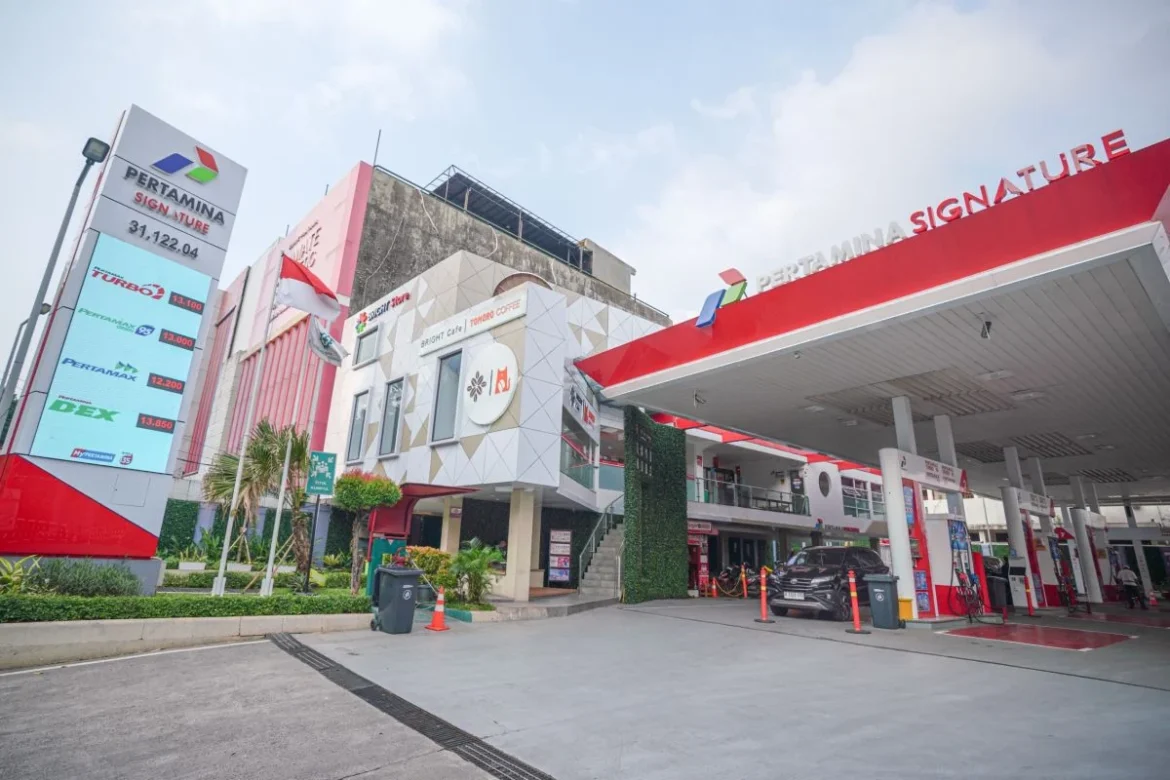
The evolution of modern transportation infrastructure in Indonesia has reached a new milestone as PT Pertamina Patra Niaga intensifies the rollout of its premium fueling station concept, known as SPBU Signature. Designed to redefine the traditional paradigm of retail petroleum outlets, these specialized stations transcend the conventional boundaries of vehicle refueling. Instead, they operate as comprehensive mobility hubs intended to deliver elevated comfort, enhanced service standards, and diversified auxiliary facilities for contemporary motorists.
As urban mobility accelerates and consumer expectations evolve regarding roadside convenience, the energy sector faces mounting pressure to modernize its service portfolios. In response, Pertamina Patra Niaga has strategically engineered the SPBU Signature framework to cater to discerning drivers who prioritize efficiency, premium product quality, and high-standard public amenities. This strategic transition represents a fundamental shift in how state-backed energy retail networks approach customer relationship management and spatial utilization within densely populated metropolitan corridors.
Core Distinctions and Fuel Portfolio Specialization
At the heart of the SPBU Signature initiative lies a strict product curation strategy. Unlike standard regulatory fueling stations that cater to a broad spectrum of energy demands across all consumer segments, SPBU Signature locations are exclusively dedicated to the commercialization of high-grade, non-subsidized automotive fuels. The product lineup at these stations focuses heavily on the advanced Pertamax Series for gasoline-powered engines and the Dex Series for modern diesel vehicles.
By excluding subsidized energy commodities—specifically Pertalite and Bio Solar—from their inventory, these stations curate an operational environment tailored to vehicles requiring high-octane and low-emission fuels. This operational specialization not only streamlines logistical management and inventory turnover at the station level but also aligns with broader national environmental objectives aimed at reducing vehicular emissions through the adoption of cleaner energy products.
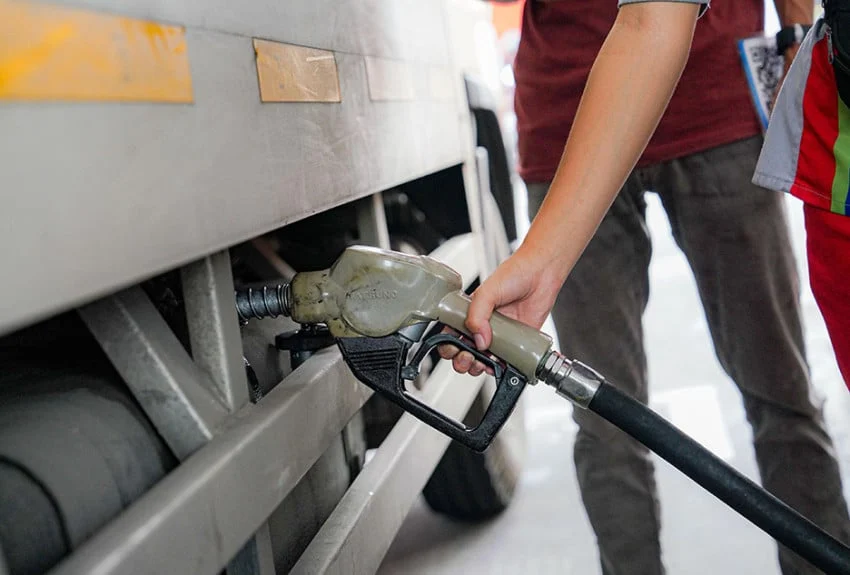
Furthermore, the human resource dimension within SPBU Signature locations has undergone a rigorous upgrade. Service attendants receive specialized training to deliver interactive, customer-centric interactions. Beyond standard fueling operations, these attendants function as localized customer service representatives, equipped to offer immediate assistance, navigational guidance, and up-to-date information regarding ongoing promotional campaigns or loyalty programs offered through digital platforms such as MyPertamina.
Chronological Development and Strategic Expansion
The genesis of the SPBU Signature concept began with a pilot project in the affluent neighborhood of Pondok Indah, South Jakarta. During this initial phase, Pertamina Patra Niaga evaluated consumer response, operational efficiency, and spatial integration within a high-traffic urban setting. Encouraged by positive feedback and robust utilization rates, the state-owned enterprise embarked on a systematic expansion phase across the Jakarta, Bogor, Depok, Tangerang, and Bekasi (Jabodetabek) agglomeration.
By the early phases of the rollout, approximately 10 strategic locations were successfully converted to the Signature standard, including outlets in Modernland, Fatmawati, S. Parman, Ceger, Pasar Minggu, Kembangan, Cikarang, Cibubur, and Cideng. The expansion gained further momentum, with a notable acceleration phase bringing the total number of converted stations higher across key urban centers.
By 2026, the modernization program encompassed at least 13 prominent locations across Jakarta, Depok, and Bogor. Converted stations along critical arterial routes—such as Jalan S. Parman, Jalan Sultan Iskandar Muda, Jalan Fatmawati, Jalan Cengkareng, Jalan Cideng Timur, Jalan Pos Pengumben, Jalan Pangeran Antasari, Jalan Raya Pasar Minggu, Jalan Jenderal Ahmad Yani, Jalan Ceger, and the coastal district of Muara Baru—fully transitioned away from retailing subsidized Pertalite and Bio Solar. Additional expansions reached suburban centers, establishing Signature outlets in Pondok Rangon (Depok) and Jalan Raya Letnan Sukarna in Ciampea, Bogor Regency.
Comprehensive Amenities for Modern Motorists
SPBU Signature outlets are architecturally and functionally designed to function as holistic rest stops. Recognizing the grueling nature of metropolitan commuting and long-distance driving, Pertamina has integrated a robust suite of supporting facilities within these compounds.
-
High-Standard Sanitary and Religious Facilities
Cleanliness and accessibility form the cornerstone of the SPBU Signature public amenity offering. Restrooms are maintained under strict hygiene protocols, addressing a historical pain point for Indonesian motorists accustomed to variable sanitation standards at roadside stops. Adjacent to these are well-maintained musala (prayer rooms) equipped with pristine prayer carpets, ablution areas, and standard religious attire to accommodate the spiritual needs of traveling citizens. -
Retail Integration via Bright Store and Cafeteria Zones
Commercial synergy is prominently displayed through the integration of Bright Store outlets within the station premises. These convenience stores offer an extensive array of fast-moving consumer goods, including artisanal bakery items, fresh snacks, premium popcorn, instant meals, and a curated selection of official Pertamina merchandise. Moreover, select strategic locations feature dedicated rest areas paired with specialty coffee shops, providing a conducive environment for remote workers, weary commuters, and long-haul drivers to recharge before resuming their journeys. -
Specialized Vehicle Maintenance Services
To ensure that motorists can address minor vehicular issues without making dedicated trips to an automotive workshop, SPBU Signature stations incorporate specialized maintenance bays. These zones provide professional tire-mending services and high-purity nitrogen inflation, preserving optimal tire pressure and enhancing road safety. -
Value-Added Promotional Incentives
As part of customer retention and engagement strategies, Pertamina introduces tiered promotional perks exclusive to these stations. For instance, motorists who purchase a specified minimum threshold of non-subsidized fuel—typically starting at IDR 350,000—are eligible to receive complimentary tire-polishing services at participating locations. While core standards remain uniform, management notes that specific promotional mechanics and auxiliary services may vary depending on spatial constraints and regional partnerships at each station.
Addressing the Subsidized Fuel Debate and Consumer Impact
The targeted omission of Pertalite and Bio Solar from SPBU Signature locations has occasionally sparked public inquiry regarding the availability of national energy subsidies. Industry observers and government agencies, including the Ministry of Energy and Mineral Resources (ESDM), have repeatedly clarified that these conversions represent a strategic commercial upgrade rather than a systemic withdrawal of subsidized products.
Pertalite and Bio Solar remain widely available across thousands of standard Pertamina-affiliated fueling stations nationwide. The selective transformation of specific urban outlets into SPBU Signature units is designed to optimize distribution efficiency, reduce severe traffic congestion caused by long queues for subsidized fuel, and cater specifically to the surging market segment driving modern, high-compression engines.
Energy sector analysts point out that this segmentation strategy mirrors retail best practices observed in global markets, where premium retail real estate is leveraged to maximize non-fuel revenue streams—such as convenience retail and specialized services—while streamlining operational logistics for high-volume commodity products elsewhere. By segregating high-octane retail experiences from high-volume subsidy queues, Pertamina aims to mitigate chronic bottleneck issues plaguing urban roadways.
Broader Economic and Urban Mobility Implications
The proliferation of the SPBU Signature concept carries significant implications for urban planning, consumer culture, and retail real estate valuation in Indonesia. As metropolitan areas grapple with chronic traffic congestion and rising stress levels among commuters, the availability of multi-functional public spaces along major transportation arteries serves as a psychological and physical relief valve.
From an economic perspective, these stations contribute to the formalization and elevation of retail service standards across the petroleum sector. By partnering with local micro, small, and medium enterprises (MSMEs) through shelf-space allocations in Bright Stores and localized service franchises, Pertamina fosters an ecosystem of indirect economic growth.
Furthermore, the emphasis on non-subsidized fuel consumption aligns with national macroeconomic goals aimed at gradually rationalizing energy subsidy expenditures. By encouraging vehicle owners with higher purchasing power to voluntarily transition toward premium products like Pertamax and Dex, the initiative supports fiscal sustainability while simultaneously promoting cleaner vehicular emissions in densely polluted urban centers.
Future Outlook and Consumer Guidance
As Pertamina Patra Niaga continues to refine and expand its network architecture, the SPBU Signature footprint is expected to scale further across major Indonesian metropolitan zones. The corporation emphasizes that network development remains dynamic, with station statuses and facility availability subject to continuous localized upgrades.
To navigate this evolving landscape efficiently, consumers are encouraged to utilize digital navigational tools and the official MyPertamina digital application, which features real-time station locators, service directory listings, and updates on promotional offerings. Through the SPBU Signature initiative, Pertamina has successfully repositioned the humble gas station from a purely transactional utility into an indispensable hub of modern urban mobility.